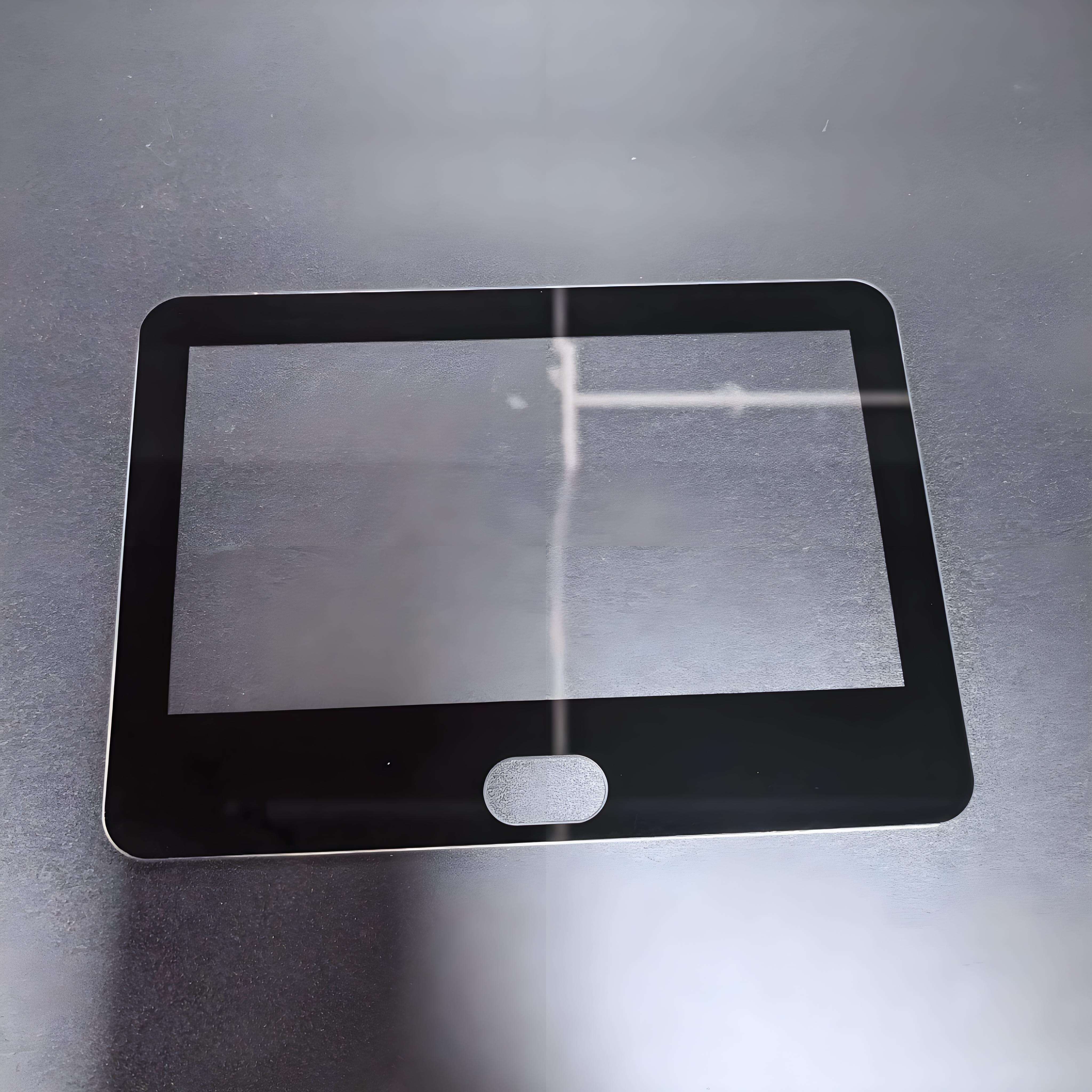
Glass Optical Components: Precision Solutions

Get a Free Quote

Our representative will contact you soon.
Email
Name
Company Name
Message
0/1000

glass optical

Glass optical components represent precision-engineered elements manufactured from high-quality optical glass materials designed to manipulate light for various scientific, industrial, and commercial applications. These sophisticated components include lenses, prisms, windows, mirrors, filters, and beamsplitters that deliver exceptional light transmission, minimal distortion, and superior image clarity. The glass optical industry relies on advanced manufacturing techniques including precision grinding, polishing, and coating processes to achieve exacting specifications measured in fractions of wavelengths. Modern glass optical elements utilize specialized glass formulations with controlled refractive indices, dispersion characteristics, and transmission properties across specific wavelength ranges from ultraviolet through visible to infrared spectrums. Applications span diverse fields including microscopy, telecommunications, medical imaging, laser systems, aerospace instrumentation, consumer electronics, photography, and scientific research equipment. The fundamental technological features of glass optical components include excellent dimensional stability, resistance to environmental factors, superior surface quality with minimal scratches or defects, and consistent optical performance over extended operational lifespans. Manufacturing standards ensure glass optical products meet rigorous quality benchmarks through interferometric testing, surface roughness analysis, and optical transmission measurements. Whether used in complex multi-element lens assemblies, simple protective windows, or specialized beam-steering prisms, glass optical components provide the foundation for accurate light control and image formation essential to countless modern technologies and precision instruments across global industries.

Popular Products

Investing in quality glass optical components delivers substantial practical benefits that directly impact your operational efficiency and product performance. These precision elements provide exceptional optical clarity with transmission rates exceeding 90 percent across designated wavelengths, ensuring maximum light throughput for brighter images and stronger signals in your systems. The inherent chemical stability of glass optical materials means your components resist degradation from humidity, temperature fluctuations, and environmental contaminants, reducing maintenance costs and extending service intervals significantly compared to alternative materials. You gain consistent, repeatable performance because glass optical elements maintain their precise geometry and surface characteristics under varying operating conditions, eliminating calibration drift and ensuring measurement accuracy in critical applications. The hardness and scratch resistance of properly manufactured glass optical surfaces protect your investment, maintaining performance specifications throughout years of regular use without degradation. For buyers selecting components for demanding applications, glass optical products offer superior thermal stability, meaning focal lengths and optical paths remain constant across temperature ranges, critical for outdoor instruments and industrial equipment. The versatility of glass optical technology allows customization through specialized coatings that enhance transmission, provide wavelength selectivity, or add protective functions tailored to your specific application requirements. Manufacturing precision achievable with glass optical components enables tight tolerances essential for multi-element systems where alignment and spacing directly affect image quality and system performance. When you choose glass optical solutions, you benefit from established industry standards, extensive material databases, and proven manufacturing processes that reduce development risks and accelerate your product time-to-market while ensuring compatibility with existing optical designs and mechanical interfaces used throughout your industry.

Tips And Tricks

Exploring the Aesthetic Versatility of Decorative Glass Panels

20

Jan

Exploring the Aesthetic Versatility of Decorative Glass Panels

The modern architectural landscape has witnessed a remarkable transformation with the integration of decorative glass panels as essential design elements. These versatile components have revolutionized how designers and architects approach both inter...
View More
How to Incorporate Decorative Glass into Doors and Windows Creatively?

20

Jan

How to Incorporate Decorative Glass into Doors and Windows Creatively?

Modern architecture and interior design increasingly embrace the transformative power of decorative glass in residential and commercial spaces. This versatile material offers endless possibilities for creating stunning visual effects while maintainin...
View More
Design Ideas: Using Decorative Glass to Elevate Entryways and Hallways

20

Jan

Design Ideas: Using Decorative Glass to Elevate Entryways and Hallways

Transform your entryways and hallways from ordinary passages into stunning architectural statements with the strategic use of decorative glass elements. Modern interior design increasingly emphasizes the importance of transitional spaces, recognizing...
View More
Is Laminated Glass the Key to UV Protection and Energy Efficiency?

10

Feb

Is Laminated Glass the Key to UV Protection and Energy Efficiency?

Modern construction demands materials that deliver superior performance across multiple criteria, and laminated glass has emerged as a standout solution for architects and builders seeking enhanced safety, energy efficiency, and UV protection. This i...
View More

Get a Free Quote

Our representative will contact you soon.
Email
Name
Company Name
Message
0/1000

glass optical

Superior Light Transmission Performance

Superior Light Transmission Performance

Glass optical components engineered from premium optical glass materials deliver outstanding light transmission characteristics that maximize system efficiency and image quality. Advanced glass formulations combined with precision surface polishing achieve surface roughness measurements below 10 angstroms RMS, virtually eliminating scatter losses that degrade contrast and reduce signal strength. Anti-reflection coatings applied through vacuum deposition processes further enhance transmission by minimizing Fresnel reflection losses at air-glass interfaces, with multi-layer designs achieving residual reflectance below 0.25 percent per surface across broad wavelength bands. This exceptional transmission performance translates directly into brighter images for viewing applications, stronger detector signals for measurement systems, and improved energy efficiency for laser delivery optics. The precisely controlled refractive index homogeneity within quality glass optical materials ensures uniform wavefront propagation without localized phase distortions that create image artifacts or beam degradation. For applications requiring specific wavelength selectivity, specialized glass optical filter designs incorporate absorption or interference mechanisms that provide sharp cutoff characteristics and deep blocking outside the transmission band while maintaining high peak transmission within the desired spectral region, enabling accurate spectroscopic measurements and precise color separation.
Exceptional Dimensional Stability and Durability

Exceptional Dimensional Stability and Durability

Glass optical elements provide unmatched dimensional stability across environmental conditions, maintaining precise geometric specifications essential for reliable optical system performance. The low coefficient of thermal expansion characteristic of optical glass materials means components experience minimal dimensional changes across typical operating temperature ranges, preserving focal lengths, optical path lengths, and alignment relationships within complex assemblies. This thermal stability proves particularly valuable in outdoor instrumentation, aerospace applications, and industrial environments where temperature variations would compromise systems built with less stable materials. The inherent hardness of glass optical surfaces resists scratching and abrasion during handling, cleaning, and normal operation, protecting the critical surface figures that determine optical performance. Unlike polymer alternatives that may experience stress relaxation, moisture absorption, or outgassing, glass optical components maintain their manufactured specifications indefinitely under proper operating conditions. Chemical inertness ensures glass optical elements resist attack from most cleaning solvents, atmospheric pollutants, and process chemicals encountered in laboratory and industrial settings. This durability eliminates premature component replacement, reduces system downtime, and lowers total ownership costs. For high-reliability applications in medical devices, defense systems, and scientific instruments, glass optical components provide the long-term performance consistency that ensures measurement accuracy and operational readiness throughout extended service lives.
Versatile Applications Across Multiple Industries

Versatile Applications Across Multiple Industries

Glass optical technology serves an extraordinarily diverse range of applications across numerous industries, demonstrating remarkable versatility and adaptability to specific performance requirements. In medical imaging systems, glass optical components enable endoscopes, surgical microscopes, and diagnostic equipment that provide physicians with clear visualization essential for accurate diagnosis and precise interventions. Telecommunications networks rely on glass optical elements including collimators, isolators, and wavelength division multiplexing components that manage optical signals transmitted through fiber networks carrying global data traffic. Manufacturing and quality control operations utilize glass optical components in machine vision systems, coordinate measuring equipment, and laser processing heads that ensure product consistency and automated inspection accuracy. Scientific research applications spanning astronomy, spectroscopy, and microscopy depend on custom glass optical designs that meet exacting performance specifications for specialized measurements and observations. Consumer electronics incorporate glass optical elements in smartphone cameras, virtual reality headsets, and projection displays that deliver high-resolution imaging in compact form factors. The aerospace and defense sectors employ glass optical components in targeting systems, navigation instruments, and surveillance equipment where reliability under extreme conditions proves mission-critical. This broad application spectrum demonstrates how glass optical technology provides essential functionality across diverse technical requirements, wavelength ranges, environmental conditions, and performance specifications tailored to specific industry needs.
Glass Optical Components: Precision Solutions

Get a Free Quote

Our representative will contact you soon.
Email
Name
Company Name
Message
0/1000