EN
EN

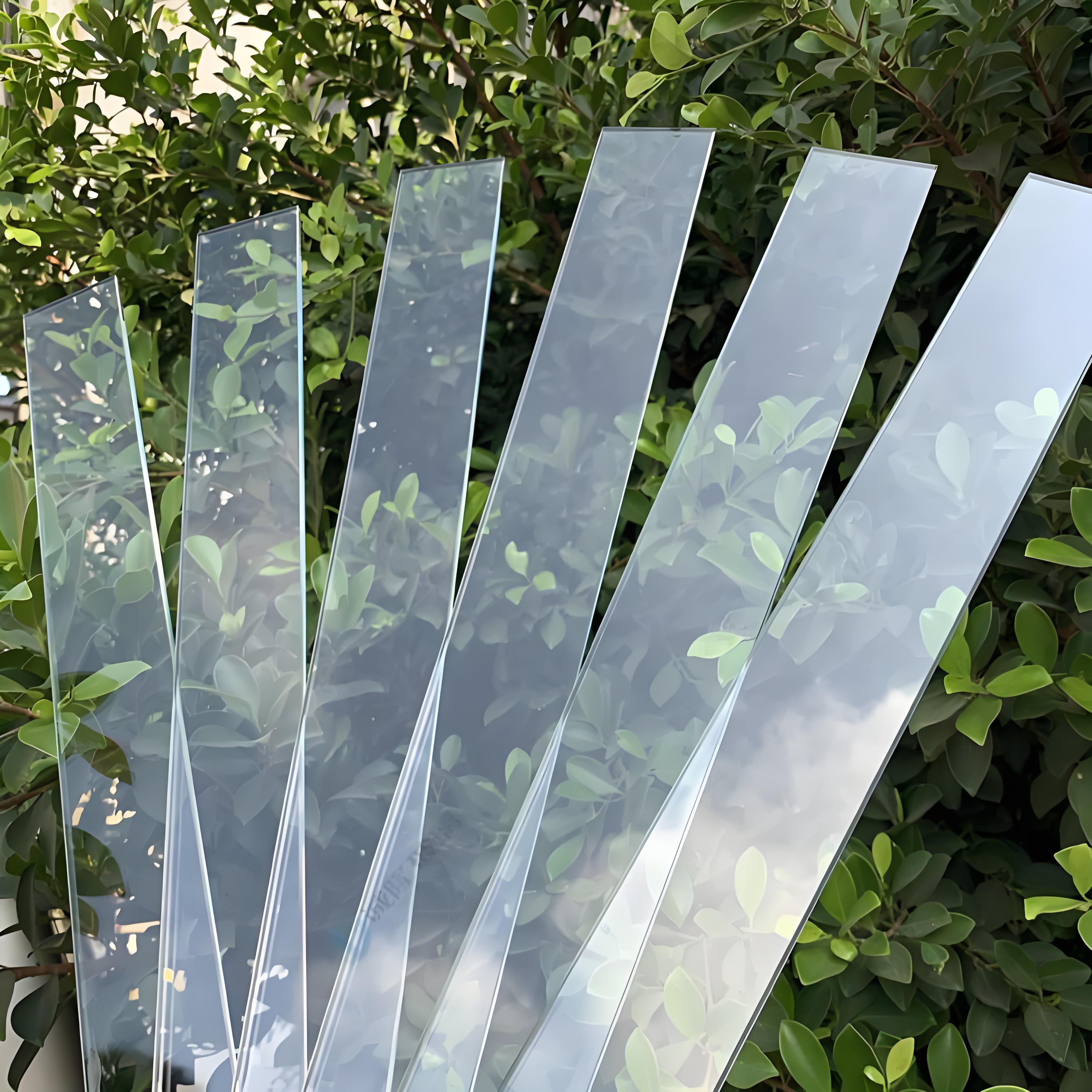
Clear glass surfaces demand consistent attention to preserve their transparency and aesthetic appeal. Whether in residential windows, commercial facades, or decorative installations, understanding how to maintain clear glass is essential for preserving both functionality and appearance over time. Many property owners and facility managers struggle with maintaining clear glass effectively because they lack knowledge of proper cleaning techniques, appropriate products, and preventative strategies. This comprehensive guide reveals the professional methods used by experts to maintain clear glass in pristine condition, ensuring your glass installations remain crystal clear for years to come.
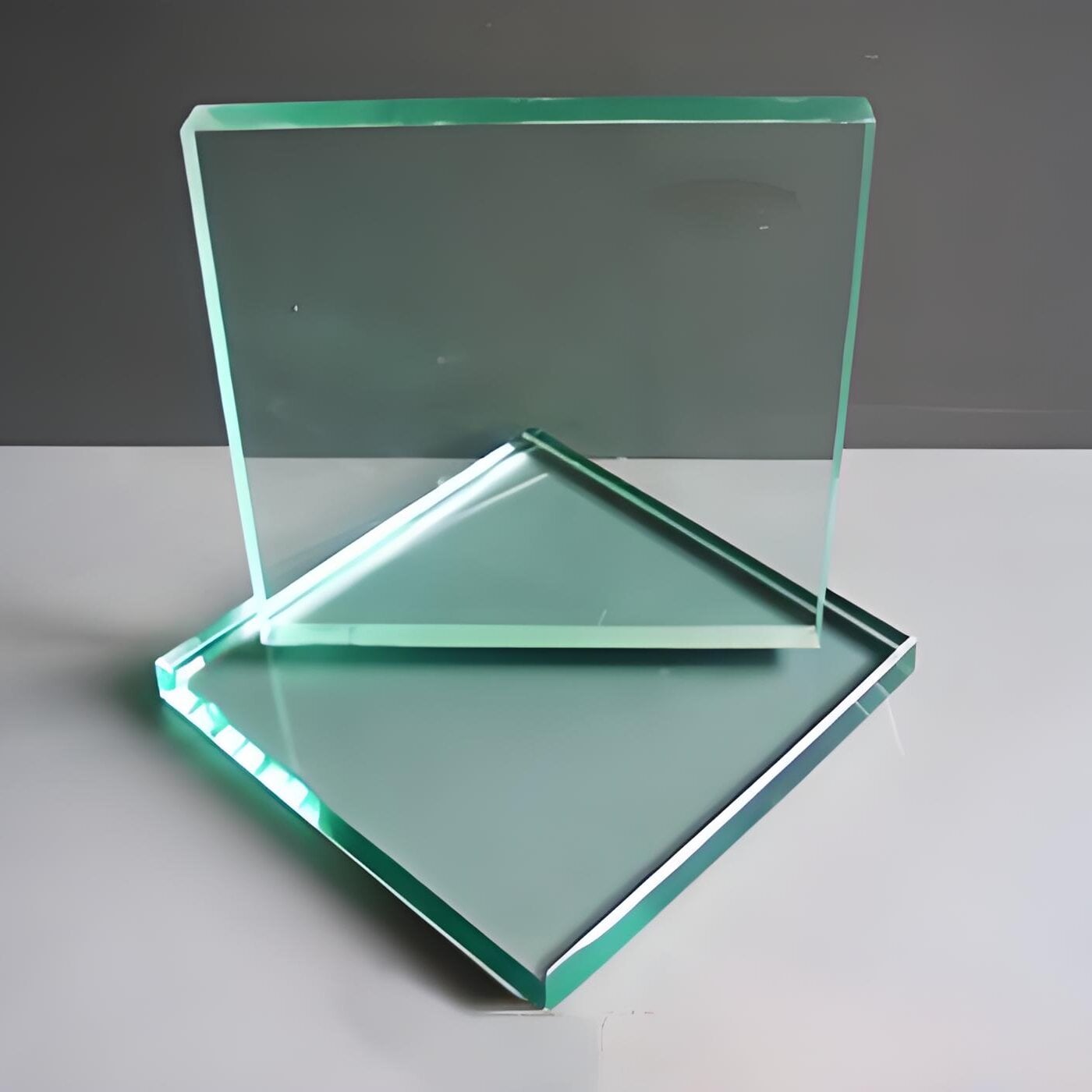
Proper maintenance of clear glass begins with understanding the factors that compromise clarity and the systematic approach needed to counter them. Environmental contaminants, mineral deposits, dust accumulation, and oxidation all threaten the optical quality of clear glass installations. By implementing a structured maintenance routine and using appropriate cleaning methodologies, facility managers and homeowners can dramatically extend the lifespan and visual performance of their glass assets. This guide provides actionable insights into how to maintain clear glass using both preventative and corrective techniques that industry professionals recommend.
Daily and Weekly Cleaning Strategies for Clear Glass
Establishing a Consistent Cleaning Schedule
The foundation of maintaining clear glass lies in establishing a consistent cleaning schedule tailored to your environment. High-traffic areas and locations exposed to harsh weather require more frequent attention than protected installations. To maintain clear glass effectively, professional cleaners recommend daily spot cleaning for visible smudges combined with thorough weekly cleaning cycles. This dual-approach strategy prevents contaminant buildup that becomes increasingly difficult to remove over time, ensuring your clear glass maintains maximum transparency and visual appeal throughout the year.
Selecting Appropriate Cleaning Materials
Using the right materials is crucial when you maintain clear glass to avoid scratching or streaking the surface. Microfiber cloths are superior to paper towels or cotton rags because they capture dust and oils without leaving lint residue. Distilled water combined with a small amount of commercial glass cleaner creates an effective solution for maintaining clear glass without leaving mineral deposits. Always avoid harsh abrasive materials and acidic substances that can etch or damage the glass surface, compromising its clarity and structural integrity over the long term.
Advanced Techniques for Maintaining Clear Glass Integrity
Addressing Mineral Deposits and Hard Water Stains
Mineral deposits represent one of the most persistent challenges when attempting to maintain clear glass in areas with hard water. These white or cloudy deposits form when mineral-rich water evaporates on the glass surface, creating unsightly stains that obstruct clarity. To maintain clear glass in such conditions, professionals use vinegar solutions or specialized mineral deposit removers applied strategically to affected areas. The key to maintaining clear glass successfully involves treating these deposits promptly before they bond permanently to the surface, which occurs after prolonged exposure to sunlight and weathering cycles.
Protecting Against Environmental Damage
Environmental factors such as acid rain, industrial pollution, and salt spray can compromise clear glass surfaces if not properly managed. To maintain clear glass in challenging environments, apply protective coatings that create a barrier against these corrosive elements. Quarterly maintenance routines that include protective treatments will help you maintain clear glass and prevent etching that permanently damages transparency. Facility managers who prioritize this preventative approach find that their clear glass installations retain optical clarity and structural integrity far longer than unprotected installations, ultimately reducing replacement costs.
Seasonal Maintenance and Professional Care Protocols
Seasonal Adjustment of Maintenance Routines
Seasonal changes require adjustments to how you maintain clear glass, as weather conditions directly influence contamination rates and cleaning requirements. Winter months bring salt residue from de-icing products, while summer heat accelerates mineral deposit formation. To maintain clear glass year-round, increase cleaning frequency during challenging seasons and adjust your product selection accordingly. Spring and fall provide ideal windows for deep cleaning cycles that prepare your clear glass for the more demanding seasonal periods ahead, ensuring consistent transparency despite varying environmental stressors.
Professional Maintenance and Specialized Treatments
While routine cleaning maintains clear glass appearance, professional maintenance services provide deeper restoration and protective treatments unavailable through standard cleaning alone. Professional technicians possess specialized equipment, access to advanced cleaning solutions, and expertise in how to maintain clear glass on large-scale installations or compromised surfaces. Annual professional assessments help identify early signs of degradation, water infiltration, or seal failure that could affect your clear glass performance. Incorporating professional maintenance into your overall strategy ensures that your maintain clear glass investment receives expert-level care, extending both the visual appeal and functional lifespan of glass installations across your property.
FAQ
What is the best way to clean clear glass without leaving streaks?
Use distilled water combined with a quality commercial glass cleaner and microfiber cloths to achieve streak-free results when you maintain clear glass. Apply the cleaning solution in circular motions, then buff the surface dry with a clean microfiber cloth before any moisture evaporates. This technique prevents mineral deposits from forming and eliminates the water rings that create streaked appearances on maintain clear glass surfaces.
How often should you maintain clear glass in commercial buildings?
Commercial buildings typically require weekly cleaning for interior clear glass and monthly or bi-monthly attention for exterior installations, depending on environmental exposure. High-traffic areas and weather-exposed surfaces demand more frequent maintenance to preserve clarity. Professional facility managers establish custom maintain clear glass schedules based on specific location conditions, contamination sources, and aesthetic standards required for their business environment.
Can improper maintenance damage clear glass permanently?
Yes, using abrasive materials or acidic cleaners can etch and damage clear glass permanently, reducing optical clarity that cannot be restored. Establishing proper protocols for how you maintain clear glass prevents this irreversible damage and preserves the aesthetic and functional properties of glass installations. Once etching occurs, the compromised areas require glass replacement rather than cleaning or treatment.