EN
EN

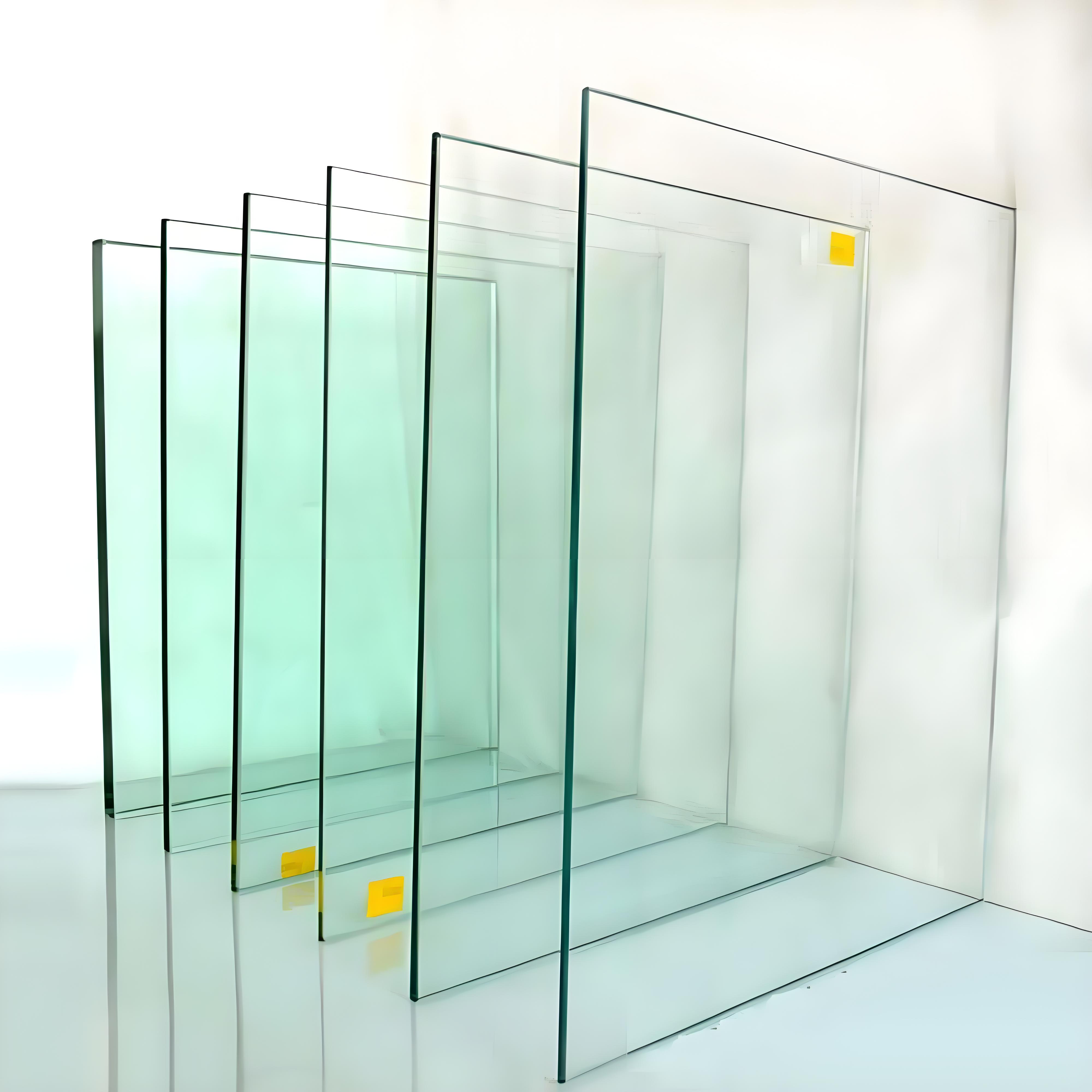
Precision in clear glass cutting stands as one of the most critical performance metrics in industrial glass manufacturing. When you evaluate a manufacturer's clear glass cutting capabilities, you are assessing their ability to deliver components that fit seamlessly into assemblies, reduce waste, and meet exacting technical specifications. The quality of clear glass cutting directly impacts product reliability, customer satisfaction, and operational efficiency across industries ranging from automotive to architecture to consumer electronics. Understanding how to evaluate clear glass cutting precision requires knowledge of measurement standards, inspection techniques, and the specific tolerance requirements that define acceptable performance.
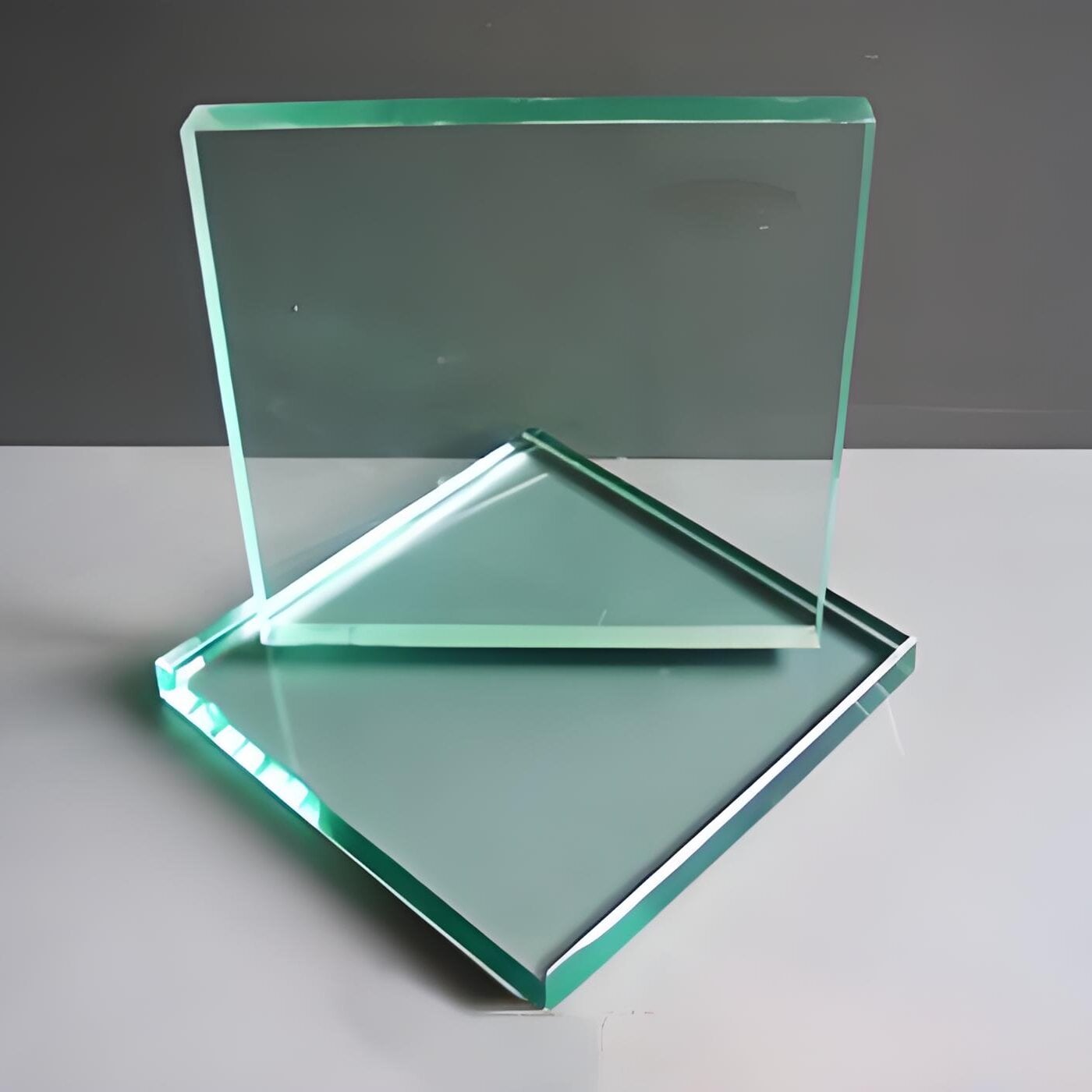
Evaluating clear glass cutting precision is not a single-factor assessment but rather a comprehensive evaluation of multiple technical dimensions working together. A manufacturer's ability to execute precise clear glass cutting depends on equipment calibration, operator expertise, material consistency, and systematic quality control processes. Before placing significant orders or entering long-term partnerships, you should understand what distinguishes manufacturers who consistently deliver precision clear glass cutting from those who fall short of requirements. This evaluation framework helps you identify suppliers capable of meeting your dimensional tolerances, edge quality standards, and production volume commitments.
Dimensional Tolerance and Measurement Standards
Understanding Tolerance Specifications
Dimensional tolerance forms the foundation of clear glass cutting precision evaluation. When assessing a manufacturer's clear glass cutting processes, you need to verify their stated tolerance ranges and compare them against your application requirements. Typical precision clear glass cutting operations work within tolerance bands of plus or minus 0.5 millimeters to plus or minus 0.1 millimeters, depending on the application complexity and equipment sophistication. The manufacturer should provide documented tolerance specifications that match your drawings and technical requirements before production begins. Clear glass cutting tolerance varies by application—architectural applications may accept broader tolerances than precision instrument panels or optical components.
Verification and Measurement Methods
Ask manufacturers how they verify clear glass cutting precision throughout their production runs. Leading manufacturers employ multiple measurement approaches for clear glass cutting: caliper measurements at multiple points along each edge, digital optical inspection systems, coordinate measuring machines for complex geometries, and statistical sampling protocols. For high-volume clear glass cutting operations, manufacturers should demonstrate automated in-line measurement systems that catch dimensional drift before parts reach quality inspection. Request documentation showing their clear glass cutting measurement frequency, acceptance criteria, and the corrective actions they implement when measurements fall outside tolerance bands. This verification approach ensures that clear glass cutting remains consistent across entire production batches.
Edge Quality and Surface Finish Assessment
Edge Condition and Chipping Evaluation
Beyond dimensional accuracy, clear glass cutting quality depends heavily on edge condition and the absence of visible damage. Evaluate whether the manufacturer's clear glass cutting processes produce clean, chip-free edges that require no secondary processing. Run your fingertips along sample edges from their production runs—quality clear glass cutting should feel smooth without sharp micro-fragments that could compromise safety or fit. Examine edges under magnification for hairline fractures, spalling, or stress marks that indicate improper clear glass cutting techniques. A manufacturer demonstrating quality clear glass cutting will provide samples from their actual production process, not only their best-case scenarios, allowing you to assess realistic edge conditions you would receive in ongoing orders.
Surface Finish and Optical Clarity
The surface finish resulting from clear glass cutting directly affects the component's visual appeal and optical properties. Quality clear glass cutting should leave the cut surface free from scratches, scoring marks, or stress-induced optical distortion. Ask the manufacturer whether their clear glass cutting equipment includes features like water-jet cutting or precision saw technology that minimizes thermal stress and surface degradation. Examine production samples under strong lighting to identify any visible defects, frosting, or hazing that might indicate suboptimal clear glass cutting conditions. For applications where optical clarity matters—instrument displays, architectural glazing, or decorative panels—clear glass cutting surface finish becomes a decisive performance factor that separates capable manufacturers from ordinary ones.
Production Consistency and Quality Control Framework
Equipment Maintenance and Calibration Protocols
Precision clear glass cutting depends on equipment that operates at peak performance, which requires systematic maintenance and regular calibration. When evaluating a manufacturer's clear glass cutting capabilities, inquire about their preventive maintenance schedule, equipment calibration frequency, and the specific procedures they follow to maintain clear glass cutting accuracy. Leading manufacturers calibrate clear glass cutting equipment daily or shift-by-shift, document calibration measurements, and immediately address equipment drift before parts are affected. Request their maintenance logs and calibration records to verify that clear glass cutting equipment receives appropriate attention. Equipment downtime or postponed maintenance directly translates to degraded clear glass cutting performance, missed deadlines, and quality escapes that reach customers.
Statistical Process Control and Traceability
Manufacturers employing systematic quality frameworks apply statistical process control to clear glass cutting operations, monitoring trends and intervening before clear glass cutting performance deteriorates. Ask whether the manufacturer tracks clear glass cutting measurements over time, creates control charts that show process capability, and maintains documentation that links each batch of components to specific production dates, equipment settings, and operator personnel. This traceability ensures that if clear glass cutting issues occur, the manufacturer can identify root causes and implement corrections. Request their Cpk (process capability index) values for clear glass cutting dimensions—a Cpk greater than 1.33 indicates that their clear glass cutting process operates with adequate margin between specification limits and actual variation.
Application-Specific Requirements and Testing
Industry Standards Compliance
Different industries maintain specific standards governing clear glass cutting precision and acceptance criteria. For architectural applications, clear glass cutting must often comply with standards such as ASTM C1036 regarding thickness uniformity and edge quality. Automotive clear glass cutting components may require compliance with standards addressing dimensional stability, thermal stress characteristics, or resistance to vibration-induced failure. Ask manufacturers whether their clear glass cutting processes are certified to relevant industry standards and whether they maintain third-party certifications validating their clear glass cutting precision capabilities. Standards compliance provides independent verification that a manufacturer's clear glass cutting performance meets recognized benchmarks rather than relying solely on their internal claims.
Sample Testing and Pilot Batches
Before committing to large-volume orders, request that the manufacturer produce pilot batches to demonstrate their clear glass cutting precision under conditions matching your actual production specifications. Have these pilot components tested independently to verify that clear glass cutting meets your dimensional requirements, edge quality standards, and any performance testing your application demands. If your application involves thermal stress, mechanical loading, or exposure to environmental extremes, specify testing conditions that simulate real-world service conditions. This pilot approach protects you from discovering clear glass cutting inadequacies only after receiving large shipments that cannot be easily reworked or replaced.
FAQ
What tolerance ranges represent acceptable clear glass cutting precision?
Acceptable tolerance ranges for clear glass cutting depend entirely on your application requirements. General industrial clear glass cutting typically operates within plus or minus 0.5 millimeters to plus or minus 1.0 millimeters for less demanding applications. Precision applications such as instrument panels or optical components may require clear glass cutting tolerances of plus or minus 0.1 millimeters to plus or minus 0.3 millimeters. Always provide your specific dimensional requirements and drawing specifications to manufacturers before assessing their clear glass cutting capabilities, as they can then confirm whether their equipment and processes support your required precision levels.
How often should clear glass cutting equipment be calibrated?
Top-tier manufacturers calibrate clear glass cutting equipment daily or at the beginning of each production shift to ensure consistency and catch equipment drift early. Some manufacturers employing high-speed automated clear glass cutting systems may calibrate equipment multiple times daily or maintain continuous in-process measurement and adjustment systems. The specific calibration frequency for clear glass cutting should match your precision requirements and the manufacturer's historical data showing how quickly their equipment drifts under normal operating conditions. Ask manufacturers to document their clear glass cutting calibration procedures and provide evidence that calibration activities are completed on schedule.
What visual defects indicate poor clear glass cutting quality?
Poor clear glass cutting quality typically appears as chipped or cracked edges, visible scoring marks running along cut surfaces, or frosted edges indicating thermal stress during the cutting process. Micro-fractures visible under magnification may not be apparent to the naked eye but can compromise component reliability and safety. Dimensional inconsistency across a single component or variation between supposedly identical parts also indicates inadequate clear glass cutting precision. Examine multiple samples from different production batches rather than isolated single parts to assess whether defects represent isolated incidents or systematic clear glass cutting performance issues within the manufacturer's operation.