EN
EN

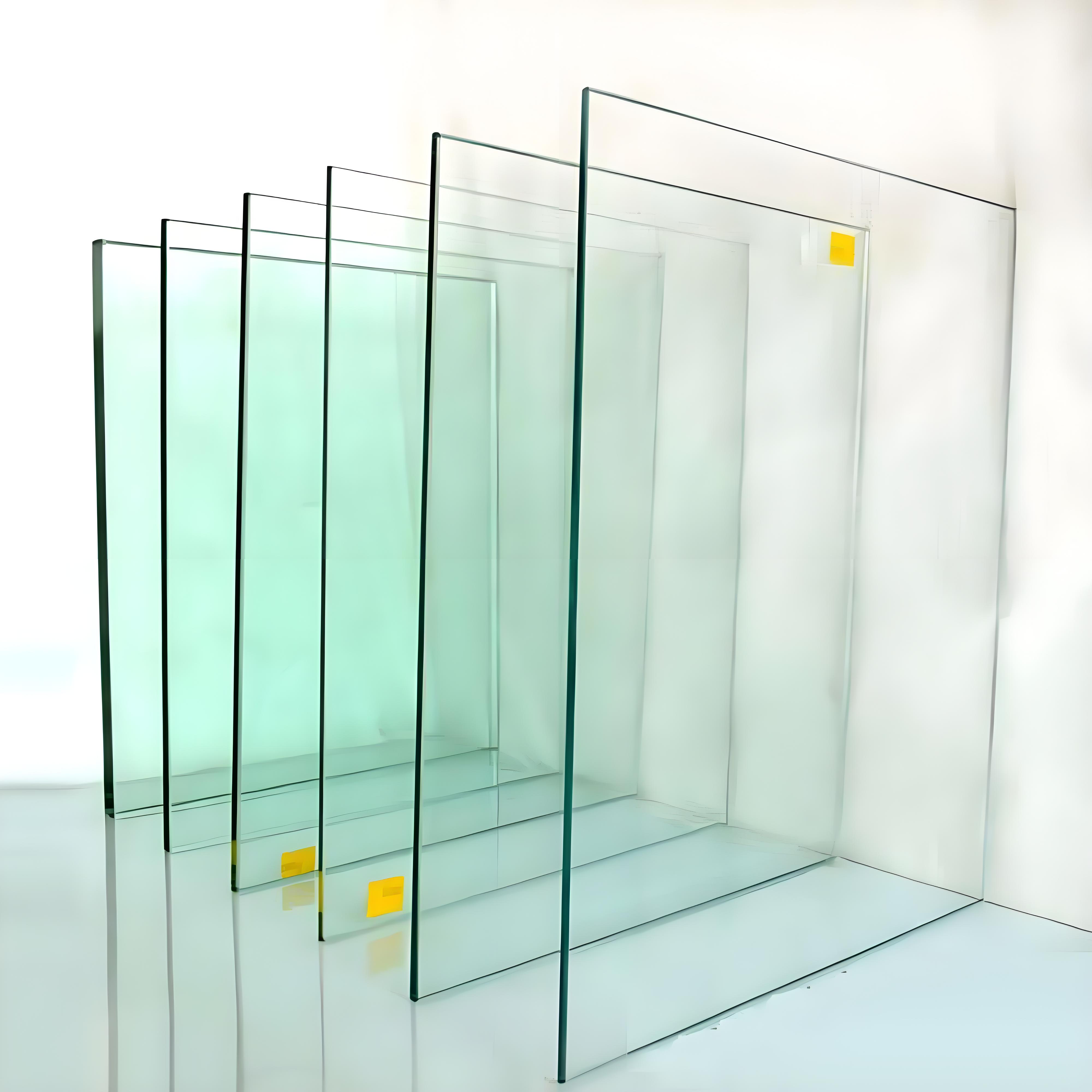
The success of screen printing on glass depends on numerous technical factors, but one element often overlooked is the foundational quality of the substrate itself. Clear glass purity directly determines whether your screen printing projects achieve professional results or face costly defects. When glass contains impurities, contaminants, or inconsistent composition, the ink adhesion, color vibrancy, and durability of printed designs suffer significantly. Understanding this relationship between clear glass purity and printing outcomes is essential for manufacturers, designers, and quality-conscious producers who demand excellence in their finished products.
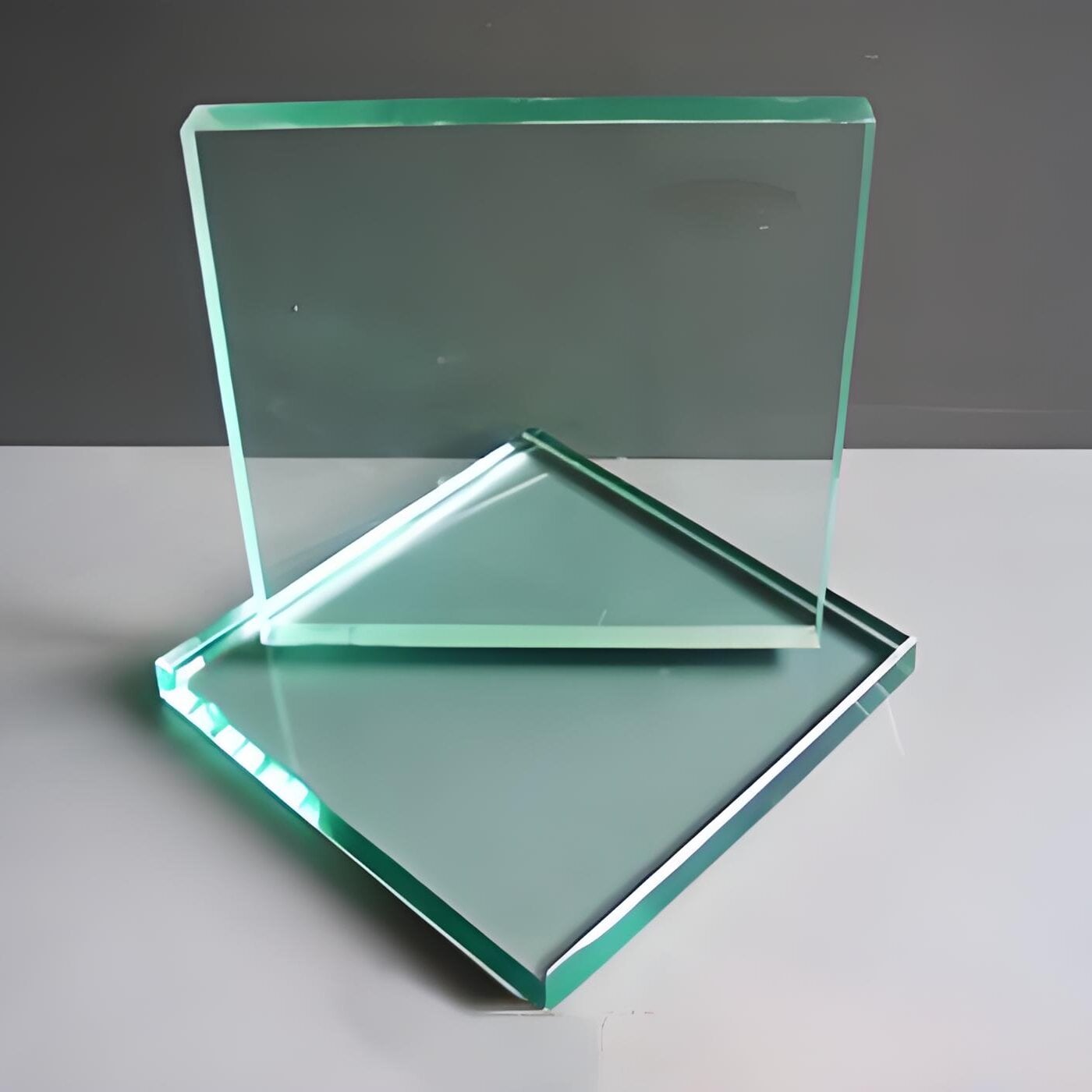
Clear glass purity isn't just a marketing term—it represents the actual chemical composition, transparency level, and absence of defects that make or break screen printing operations. When you invest in high-quality materials for your production workflow, the clear glass purity of your substrate becomes the baseline for all downstream processes. Poor clear glass purity introduces variables that are difficult to control, leading to inconsistent ink coverage, uneven drying, color shifting, and adhesion failures that compromise both aesthetic appeal and functional durability of your printed glass products.
How Clear Glass Purity Affects Ink Adhesion and Coverage
The Role of Surface Cleanliness in Clear Glass Purity
Clear glass purity begins at the molecular level with the composition of the glass itself and extends to how clean and contaminant-free the surface remains. When glass is manufactured, trace impurities such as iron oxide, chromium, sulfur compounds, and other elements can remain in the material, affecting its optical properties and chemical reactivity. High clear glass purity means these impurities are minimized to near-zero levels, creating a stable, predictable surface for screen printing ink to bond with. The cleaner the glass surface, the better the ink droplets spread uniformly, creating consistent color saturation and strong adhesion that withstands handling, temperature fluctuations, and cleaning processes.
Impact on Ink Spreading and Leveling
Screen printing ink requires a receptive substrate to spread evenly and level properly. When clear glass purity is compromised, microscopic debris, dust particles, or chemical residues create barriers that prevent ink from flowing smoothly across the surface. This results in patchy coverage, where some areas receive adequate ink while others remain under-saturated, producing a final printed design that looks unprofessional and unfinished. Conversely, clear glass purity combined with proper surface preparation ensures that the clear glass purity of your substrate creates ideal conditions for ink adhesion, allowing your printing team to achieve uniform color depth, sharp edges, and vibrant visual results that meet professional standards.
The Connection Between Clear Glass Purity and Color Consistency
How Substrate Quality Influences Color Reproduction
Color consistency is critical in screen printing, particularly for branding applications, decorative panels, and functional glass components where visual precision matters. Clear glass purity directly influences how accurately inks appear on the finished product because even slight impurities in the glass can scatter light, alter perceived color intensity, or cause the ink to interact unpredictably with the substrate. High clear glass purity ensures that light passes through the glass uniformly, allowing the printed ink color to remain true and vibrant under various lighting conditions. When clear glass purity standards are maintained, manufacturers can produce batch after batch of identically colored products, meeting customer expectations and maintaining brand consistency across all glass printing applications.
Prevention of Color Shift and Fading
Impurities in lower-quality glass can accelerate UV degradation of screen printing inks or interact chemically with the printed design over time, causing premature fading or color shift. Clear glass purity eliminates these reactive elements, creating a chemically inert environment where printed colors remain stable for years. This stability is especially important for outdoor applications, decorative bathroom fixtures, instrument panels, and any glass product exposed to sunlight, humidity, or temperature variations. By prioritizing clear glass purity in your substrate selection, you protect your screen printing investment and ensure that the visual quality your customers see on day one remains the same months or years later.
Clear Glass Purity Standards and Quality Assurance in Manufacturing
Understanding Clear Glass Purity Specifications
Manufacturers and quality teams measure clear glass purity using multiple criteria: optical clarity measured in light transmission percentage, iron oxide content levels measured in parts per million, surface defect counts under magnification, and chemical composition analysis. Industry-standard clear glass purity typically specifies iron oxide content below 50 parts per million for high-quality float glass intended for screen printing applications. These specifications exist because even trace amounts of certain elements can compromise color vibrancy and long-term durability of printed designs. Understanding your clear glass purity specifications helps you set appropriate purchasing criteria, verify supplier quality, and establish consistent production baselines that reduce defects and rework costs.
Quality Control Testing and Verification
Responsible manufacturers implement testing protocols to confirm that incoming glass meets clear glass purity standards before it enters the screen printing workflow. These tests may include visual inspection for haze or discoloration, chemical composition analysis using spectroscopy, and adhesion testing of sample prints to verify ink bonding under standard and stress conditions. Regular clear glass purity verification catches supplier variations early, preventing entire batches of defective printed glass from reaching customers. When clear glass purity is consistently verified and documented, your team gains confidence in your production process, reduces costly rework, and maintains the reputation for quality that drives customer loyalty and repeat business in competitive manufacturing markets.
FAQ
Why does clear glass purity matter more for screen printing than for other glass applications?
Screen printing deposits a precise layer of ink onto the glass surface, and that ink's appearance and durability depend entirely on how well it bonds with and sits atop the substrate. Clear glass purity is critical because impurities create uneven surfaces, chemical reactivity, or light scattering that directly interferes with ink performance. In other glass applications like window panes or containers where the glass itself is the primary product, clear glass purity affects appearance but not functional printing outcomes the way it does for screen printing.
Can lower-grade glass still work for screen printing if we use better ink or improved technique?
While skillful technique and premium ink formulations help, they cannot fully compensate for poor clear glass purity. Lower-grade glass with higher impurity levels creates a fundamentally unstable printing surface—no ink quality or technique can overcome molecular-level contamination or chemical reactivity in the substrate. To achieve consistent, professional results, clear glass purity must be controlled first, then complemented by quality inks and expert printing technique.
How do I verify that my glass supplier is delivering clear glass purity that meets my standards?
Request your supplier provide documentation of iron oxide content, optical transmission percentage, and surface defect specifications. Ask for certificates of analysis on sample batches, conduct visual inspection for haze or discoloration, and perform test prints to verify ink adhesion and color consistency. Establishing a clear glass purity specification with your supplier and requiring regular verification testing protects your production quality and prevents costly surprises during manufacturing.