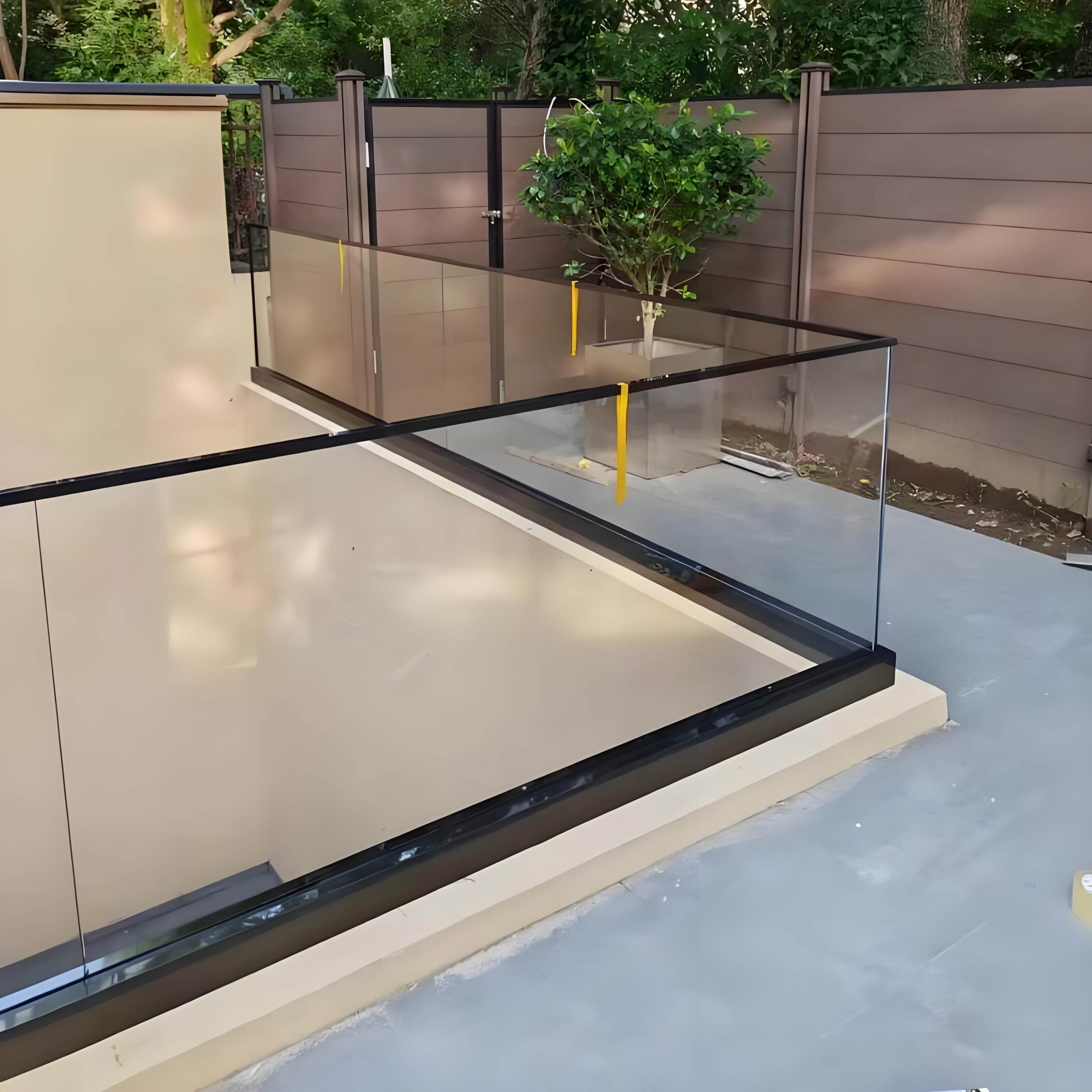
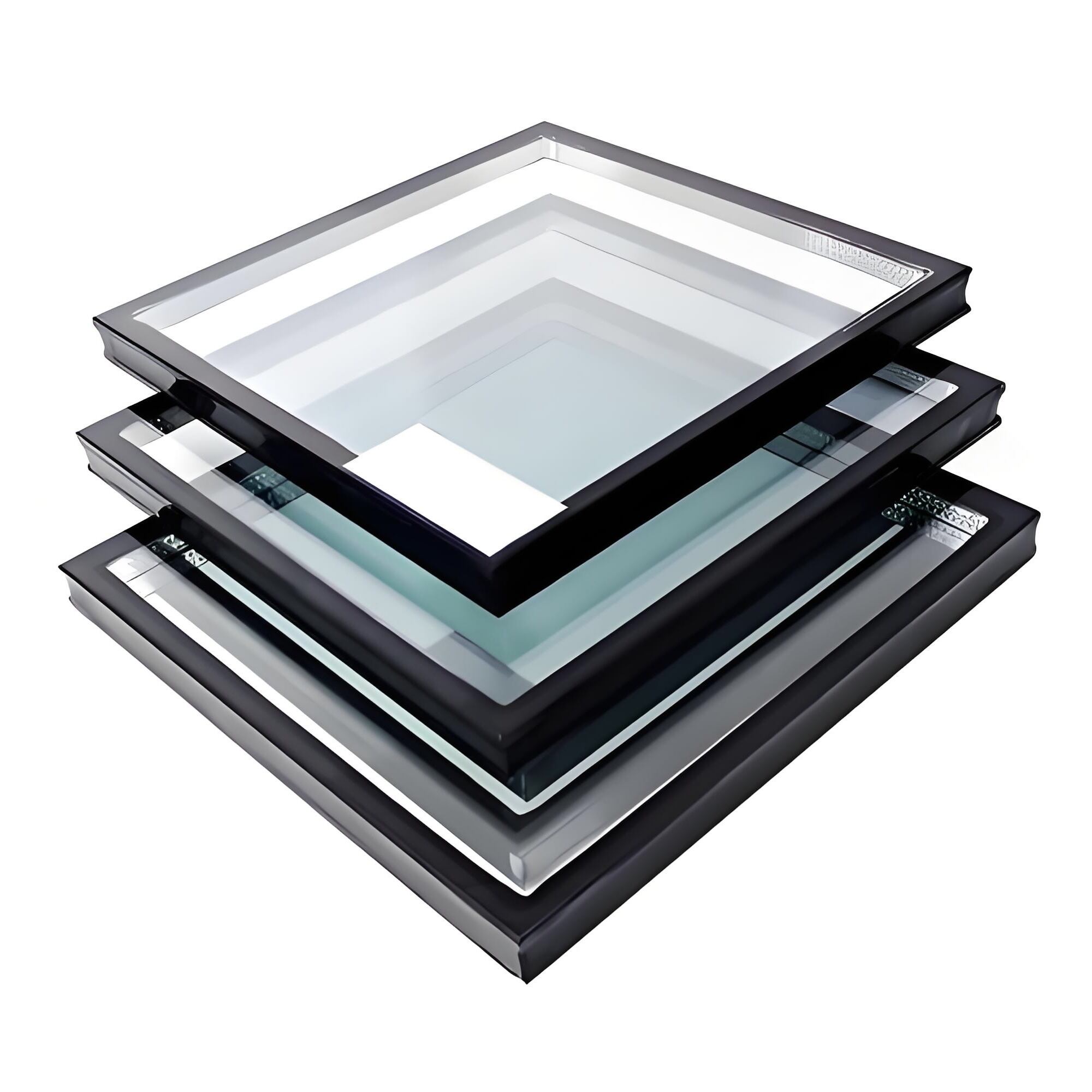
Optical Glass Solutions for Precision Applications

Get a Free Quote

Our representative will contact you soon.
Email
Name
Company Name
Message
0/1000

optical glass

Optical glass represents a specialized category of highly refined glass materials engineered specifically for precision optical applications. Unlike standard glass, optical glass is manufactured with exceptional purity and homogeneity to ensure superior light transmission and minimal distortion. This advanced material serves as the foundation for lenses, prisms, mirrors, and other optical components that demand exact control over light behavior. The manufacturing process involves carefully selected raw materials combined with rigorous quality control to eliminate impurities, bubbles, and internal stress that could compromise optical performance. Optical glass comes in numerous formulations, each designed with specific refractive indices, dispersion characteristics, and transmission properties to meet diverse application requirements. The precise chemical composition determines how light passes through or reflects off the material, making it indispensable for industries requiring accurate light manipulation. From sophisticated camera systems and microscopes to telescopes and laser equipment, optical glass enables technologies that shape modern life. Its ability to bend, focus, and transmit light with minimal loss makes it essential for scientific research, medical diagnostics, telecommunications, and consumer electronics. The consistent quality and predictable optical properties of this specialized glass allow engineers and designers to create reliable systems that perform to exact specifications across varying environmental conditions and demanding operational scenarios.

New Product Recommendations

Choosing optical glass for your projects delivers tangible benefits that directly impact product performance and customer satisfaction. The exceptional clarity of optical glass ensures maximum light transmission, meaning brighter images and more efficient optical systems without energy waste. This transparency advantage translates to better visibility in cameras, sharper focus in microscopes, and clearer displays in consumer devices. The material's stability across temperature ranges prevents focus shifts and distortion, ensuring consistent performance whether your application operates in controlled laboratories or challenging field conditions. For manufacturers, optical glass offers predictable manufacturing outcomes because its standardized properties eliminate guesswork during production planning and quality assurance processes. You can confidently design complex optical systems knowing that the glass will perform exactly as calculated, reducing prototyping costs and accelerating time to market. The durability of optical glass withstands repeated cleaning and handling without scratching or degrading, extending product lifespan and reducing maintenance requirements for end users. This longevity creates economic value by minimizing replacement costs and maintaining performance over years of operation. The chemical resistance of optical glass protects against environmental contaminants, moisture, and cleaning agents commonly encountered in real-world applications. For businesses evaluating materials, optical glass provides design flexibility with its wide range of available formulations, allowing you to select precisely the right characteristics for your specific wavelength requirements, whether working with visible light, infrared, or ultraviolet spectrums. The global availability and standardized specifications of optical glass simplify sourcing and quality verification, enabling consistent production across multiple facilities and ensuring replacement components maintain identical performance characteristics.

Practical Tips

What Are the Best Practices for Cleaning Tempered Glass Surfaces?

10

Feb

What Are the Best Practices for Cleaning Tempered Glass Surfaces?

Maintaining the pristine appearance of tempered glass surfaces requires specific cleaning techniques and materials to preserve both clarity and structural integrity. This specialized glass undergoes thermal tempering processes that create unique char...
View More
How Can Tempered Glass Five Times Stronger Than Standard Glass Enhance Home Safety?

11

Mar

How Can Tempered Glass Five Times Stronger Than Standard Glass Enhance Home Safety?

Home safety has become a paramount concern for modern homeowners, especially when it comes to selecting building materials that can withstand extreme conditions while protecting families. Among the various safety enhancements available today, tempere...
View More
What are the key benefits of using tempered glass in commercial storefronts and railings?

02

Apr

What are the key benefits of using tempered glass in commercial storefronts and railings?

Tempered glass has emerged as the preferred material choice for commercial storefronts and railings due to its exceptional combination of strength, safety, and aesthetic appeal. This specially engineered glass undergoes a controlled thermal treatment...
View More
How to verify the acoustic performance ratings of laminated glass before installation?

02

Apr

How to verify the acoustic performance ratings of laminated glass before installation?

Verifying the acoustic performance ratings of laminated glass before installation is a critical step in ensuring that building projects meet their intended noise control objectives. Whether you're working on commercial developments, residential high-...
View More

Get a Free Quote

Our representative will contact you soon.
Email
Name
Company Name
Message
0/1000

optical glass

Superior Light Transmission Performance

Superior Light Transmission Performance

Optical glass achieves unmatched light transmission efficiency through its ultra-pure composition and homogeneous internal structure. During manufacturing, specialized refining processes remove microscopic impurities and eliminate internal stress that would otherwise scatter or absorb light passing through the material. This meticulous attention to purity results in transmission rates often exceeding 90 percent across visible wavelengths, significantly outperforming standard glass alternatives. For practical applications, this superior transmission means optical systems require less input light to achieve desired output brightness, reducing power consumption in illumination systems and improving signal strength in fiber optic communications. The consistency of transmission across the entire glass volume ensures uniform image quality without brightness variations or color shifts that compromise visual fidelity. In precision instruments like spectrometers and laser systems, this reliability proves critical for accurate measurements and consistent results. The controlled refractive index of optical glass allows designers to predict exactly how light will bend when entering or exiting the material, enabling complex multi-element lens designs that correct aberrations and deliver sharp focus across entire image fields. This predictability reduces design iterations and manufacturing waste while ensuring end products meet stringent quality standards.
Exceptional Dimensional Stability

Exceptional Dimensional Stability

Optical glass maintains its precise shape and optical properties across wide temperature ranges and environmental conditions, providing reliability essential for demanding applications. The low thermal expansion coefficient characteristic of quality optical glass means components resist warping or dimensional changes when exposed to temperature fluctuations during operation or storage. This stability proves particularly valuable in aerospace applications where equipment experiences extreme temperature swings, and in industrial settings where heat from machinery or processes affects nearby optical systems. The material's resistance to thermal shock allows rapid temperature changes without cracking or developing internal stress that would degrade optical performance. For manufacturers, this dimensional stability simplifies mounting and assembly processes because components maintain their specifications throughout production workflows. The chemical durability of optical glass protects against humidity, atmospheric pollutants, and cleaning solutions, ensuring long-term performance without surface degradation that would scatter light or reduce transmission. In medical and scientific instruments requiring sterilization, optical glass withstands repeated autoclaving cycles without compromising clarity or precision. This robustness reduces lifetime costs for equipment owners by extending maintenance intervals and minimizing component replacements, while ensuring measurement accuracy remains consistent over years of continuous operation.
Versatile Application Adaptability

Versatile Application Adaptability

The extensive range of optical glass formulations available provides solutions for virtually any light manipulation requirement across diverse industries and technologies. Manufacturers produce optical glass with refractive indices ranging from low to very high values, enabling designers to create compact lens systems or correct chromatic aberrations effectively. Different glass types offer varying dispersion characteristics, allowing precise control over how different wavelengths separate or combine within optical systems. This versatility extends to specialized formulations optimized for specific wavelength ranges, including ultraviolet-transmitting glasses for scientific instruments, infrared-transparent materials for thermal imaging, and radiation-resistant compositions for nuclear environments. The compatibility of optical glass with modern coating technologies further expands its capabilities, as anti-reflection coatings, mirror coatings, and filter coatings can be applied to enhance or modify performance for specific applications. From miniature smartphone camera lenses requiring lightweight, thin elements to massive telescope objectives demanding large, perfectly homogeneous blanks, optical glass scales across size requirements. The standardized nature of optical glass specifications means designers worldwide can reference established glass catalogs and trust that materials sourced from qualified suppliers will deliver identical performance, facilitating global supply chains and collaborative development projects across international teams.
Optical Glass Solutions for Precision Applications

Get a Free Quote

Our representative will contact you soon.
Email
Name
Company Name
Message
0/1000