EN
EN

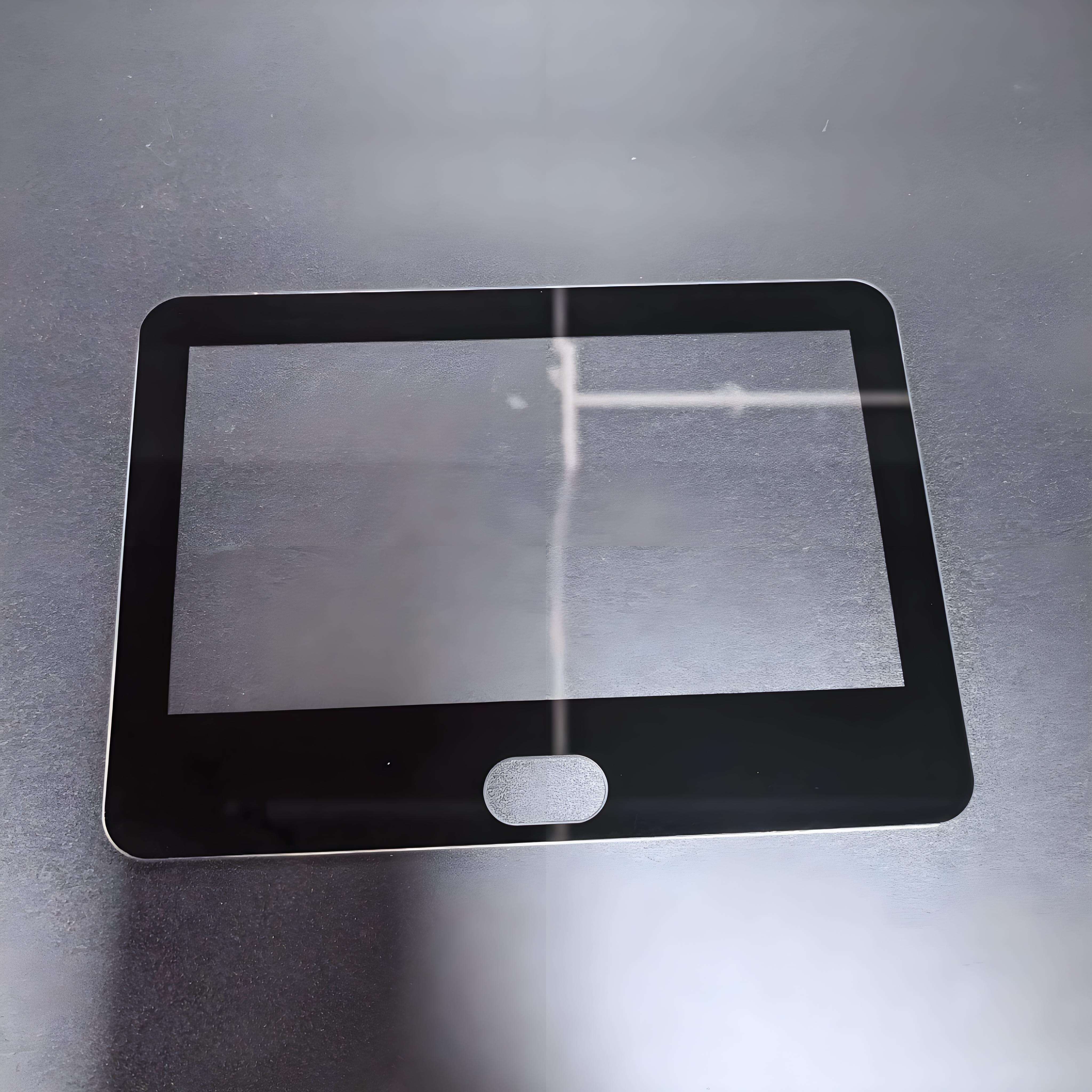
Home safety has become a paramount concern for modern homeowners, especially when it comes to selecting building materials that can withstand extreme conditions while protecting families. Among the various safety enhancements available today, tempered glass stands out as a revolutionary solution that provides exceptional strength and protection. This specialized glass undergoes a unique thermal treatment process that makes it significantly stronger than regular glass, offering unparalleled safety benefits for residential applications. Understanding how tempered glass works and its applications can help homeowners make informed decisions about incorporating this remarkable material into their safety strategy.
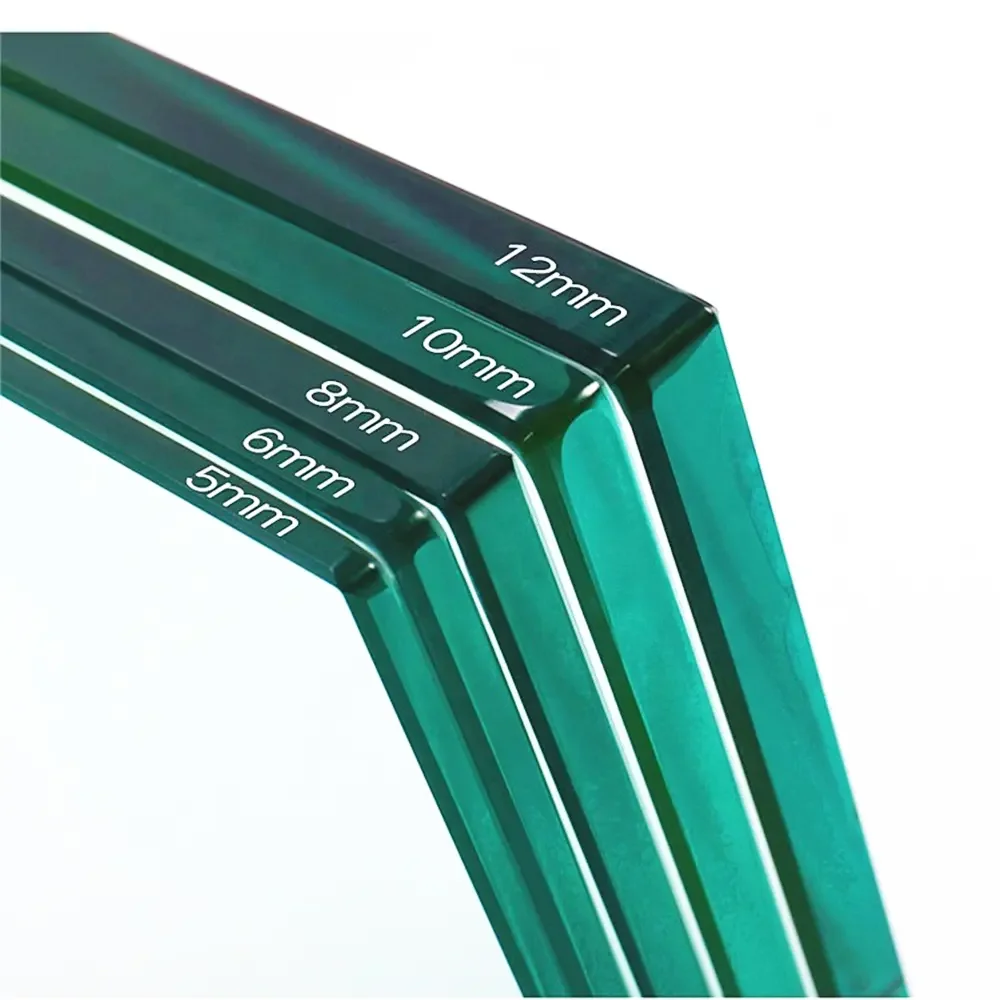
Understanding the Strength and Science Behind Tempered Glass
The Manufacturing Process That Creates Superior Strength
The remarkable strength of tempered glass comes from a carefully controlled manufacturing process called thermal tempering. During production, regular glass is heated to approximately 650 degrees Celsius and then rapidly cooled using high-pressure air jets. This process creates internal stresses that compress the surface while leaving the center in tension, resulting in a glass product that is four to five times stronger than standard annealed glass. The rapid cooling process, known as quenching, locks these stresses into the glass structure permanently.
The thermal tempering process also affects how tempered glass behaves when it breaks. Unlike regular glass that shatters into dangerous sharp fragments, tempered glass breaks into small, relatively harmless cube-shaped pieces. This safety characteristic makes it an ideal choice for applications where human safety is a primary concern. The manufacturing precision required for producing high-quality tempered glass ensures consistent strength properties across the entire surface area.
Comparing Strength Characteristics with Standard Glass
When comparing tempered glass to standard glass, the differences in strength and safety become immediately apparent. Standard annealed glass typically has a tensile strength of around 50 megapascals, while tempered glass can achieve tensile strengths exceeding 200 megapascals. This dramatic increase in strength means that tempered glass can withstand significantly higher impact forces, thermal stress, and wind loads without failure.
The enhanced strength characteristics of tempered glass extend beyond just impact resistance. It also demonstrates superior performance under thermal stress conditions, making it suitable for applications where temperature fluctuations are common. This thermal stability is particularly valuable in residential settings where glass surfaces may experience significant temperature variations throughout the day. The combination of mechanical and thermal strength makes tempered glass an excellent investment for long-term home safety.
Essential Safety Applications in Residential Settings
Windows and Door Systems for Maximum Protection
Installing tempered glass in windows and door systems represents one of the most effective ways to enhance home security and safety. Large picture windows, sliding glass doors, and entry door sidelights benefit tremendously from the superior strength properties of tempered glass. These applications are particularly vulnerable to impact damage from weather events, attempted break-ins, or accidental collisions, making the enhanced strength of tempered glass invaluable for protecting both property and occupants.
The safety benefits extend beyond just break-in protection. During severe weather events such as hailstorms or flying debris situations, tempered glass provides a reliable barrier that can withstand impacts that would easily shatter standard glass. This protection helps maintain the integrity of the building envelope, preventing water damage and maintaining climate control during emergency situations.
Shower Enclosures and Bathroom Safety
Bathroom applications represent another critical area where tempered glass significantly enhances home safety. Shower doors and enclosures made from tempered glass provide both aesthetic appeal and essential safety features. The humid, wet conditions in bathrooms create slip hazards that can result in accidental impacts with glass surfaces. When tempered glass is used in these applications, the risk of serious injury from glass breakage is dramatically reduced due to its safe fracture pattern.
Building codes in many jurisdictions specifically require tempered glass for shower enclosures and bathroom applications, recognizing the safety benefits it provides. The thickness options available for tempered glass, ranging from 6mm to 19mm, allow for customization based on specific safety requirements and design preferences. Thicker tempered glass panels provide additional strength and stability for larger shower enclosures while maintaining the safety characteristics that make this material so valuable.
Balcony Railings and Architectural Safety Features
Structural Integrity for Elevated Spaces
Balcony railings represent one of the most critical safety applications for tempered glass in residential construction. The combination of height exposure, weather conditions, and potential impact forces makes structural integrity paramount for these installations. Tempered glass railings provide an unobstructed view while meeting stringent safety requirements for load-bearing capacity and impact resistance. The ability to customize thickness from 10mm to 19mm allows architects and builders to specify the appropriate strength level for different elevation heights and wind load requirements.
The structural performance of tempered glass railings extends beyond just vertical loads. These systems must also withstand horizontal forces from wind pressure and potential impacts. The enhanced strength properties of tempered glass ensure that railing systems maintain their integrity under these varied loading conditions. Additionally, the transparency of tempered glass railings helps preserve sight lines and architectural aesthetics while providing essential safety barriers.
Stair and Balustrade Applications
Interior stair railings and balustrades benefit significantly from the safety characteristics of tempered glass. These applications are subject to frequent contact and potential impacts from daily use, making the strength and safety properties of tempered glass particularly valuable. The smooth surface of tempered glass is easy to clean and maintain, while its structural integrity ensures long-term safety performance. The ability to create custom shapes and sizes allows for creative architectural designs that enhance both safety and aesthetics.
The installation of tempered glass balustrades requires careful consideration of support structures and mounting systems. Proper engineering ensures that the glass panels can effectively transfer loads to the supporting structure while maintaining their safety characteristics. The thickness selection for these applications typically ranges from 12mm to 19mm, depending on the span length and loading requirements. This customization capability ensures that each installation meets specific safety standards while achieving desired design objectives.
Weather Resistance and Long-term Durability Benefits
Protection Against Environmental Stresses
The weather resistance characteristics of tempered glass make it an excellent choice for exterior applications where environmental stresses can compromise traditional glass products. Temperature fluctuations, UV exposure, and moisture cycles can cause significant stress in standard glass, potentially leading to failure over time. Tempered glass demonstrates superior resistance to these environmental factors, maintaining its strength and optical properties throughout extended exposure periods.
Thermal cycling resistance is particularly important in climates with significant temperature variations. The internal stress structure of tempered glass actually helps it accommodate thermal expansion and contraction more effectively than standard glass. This characteristic reduces the likelihood of thermal stress fractures and extends the service life of glass installations. The combination of mechanical strength and thermal stability makes tempered glass an ideal material for long-term exterior applications.
Maintenance and Lifecycle Advantages
The durability advantages of tempered glass translate into significant maintenance and lifecycle benefits for homeowners. The scratch resistance and surface hardness of tempered glass help maintain optical clarity and appearance over extended periods. This durability reduces the need for frequent replacement and maintenance, providing long-term cost savings that offset the initial investment in higher-quality glass products.
The edge strength characteristics of tempered glass also contribute to its long-term performance advantages. Proper edge finishing during manufacturing creates strong, durable edges that resist chipping and damage during installation and service. This attention to edge quality ensures that the full strength potential of tempered glass is realized throughout its service life. Regular maintenance requirements are minimal, typically involving only routine cleaning to maintain optical clarity.
Installation Considerations and Safety Standards
Professional Installation Requirements
The installation of tempered glass requires specialized knowledge and techniques to ensure optimal safety performance. Professional installers understand the unique characteristics of tempered glass and the importance of proper handling procedures. The pre-stressed nature of tempered glass means that it cannot be cut or modified after tempering, requiring precise measurements and custom fabrication before installation. This precision requirement makes professional installation essential for achieving the full safety benefits of tempered glass.
Proper installation also involves selecting appropriate support systems and mounting hardware that can accommodate the strength characteristics of tempered glass. The enhanced strength of the glass must be matched with appropriately designed support structures to ensure system integrity. Professional installers understand these requirements and can specify the correct hardware and techniques for different applications, ensuring that installations meet safety standards and perform as intended.
Building Code Compliance and Standards
Building codes and safety standards provide important guidelines for the use of tempered glass in residential applications. These regulations recognize the safety benefits of tempered glass and often require its use in specific applications where safety is paramount. Understanding these requirements helps homeowners and builders make informed decisions about where to incorporate tempered glass into their projects.
The thickness requirements specified in building codes reflect the relationship between glass thickness and safety performance. Thicker tempered glass provides greater impact resistance and structural capacity, making it suitable for more demanding applications. Compliance with these standards ensures that installations provide the intended level of safety protection while meeting legal requirements for residential construction. Regular updates to building codes reflect advances in glass technology and safety understanding.
FAQ
What makes tempered glass five times stronger than regular glass
Tempered glass achieves its superior strength through a controlled thermal treatment process that creates internal compressive stresses on the surface while leaving the center in tension. This stress distribution allows the glass to withstand much higher impact forces and thermal stresses compared to standard annealed glass. The rapid cooling process during manufacturing locks these beneficial stresses into the glass structure permanently, resulting in strength improvements of four to five times that of regular glass.
How does tempered glass break differently from standard glass
When tempered glass breaks, it fractures into small, relatively harmless cube-shaped pieces rather than the large, sharp shards produced by standard glass. This safety characteristic is a direct result of the internal stress pattern created during the tempering process. The controlled fracture pattern significantly reduces the risk of serious injury and makes tempered glass much safer for applications where human contact is possible.
What thickness of tempered glass is recommended for different home applications
The recommended thickness for tempered glass varies depending on the specific application and safety requirements. For shower enclosures, 8mm to 10mm thickness is typically sufficient, while balcony railings may require 12mm to 19mm thickness depending on height and wind load requirements. Window applications generally use 6mm to 10mm tempered glass, while structural applications like staircases may require thicker panels ranging from 12mm to 19mm for optimal safety performance.
Can tempered glass be cut or modified after installation
Tempered glass cannot be cut, drilled, or modified after the tempering process because any attempt to alter it will cause the entire panel to break into small pieces. All cutting, shaping, and hole drilling must be completed before the thermal tempering process. This requirement makes precise measurements and custom fabrication essential for tempered glass installations, emphasizing the importance of working with experienced professionals who understand these limitations.