EN
EN

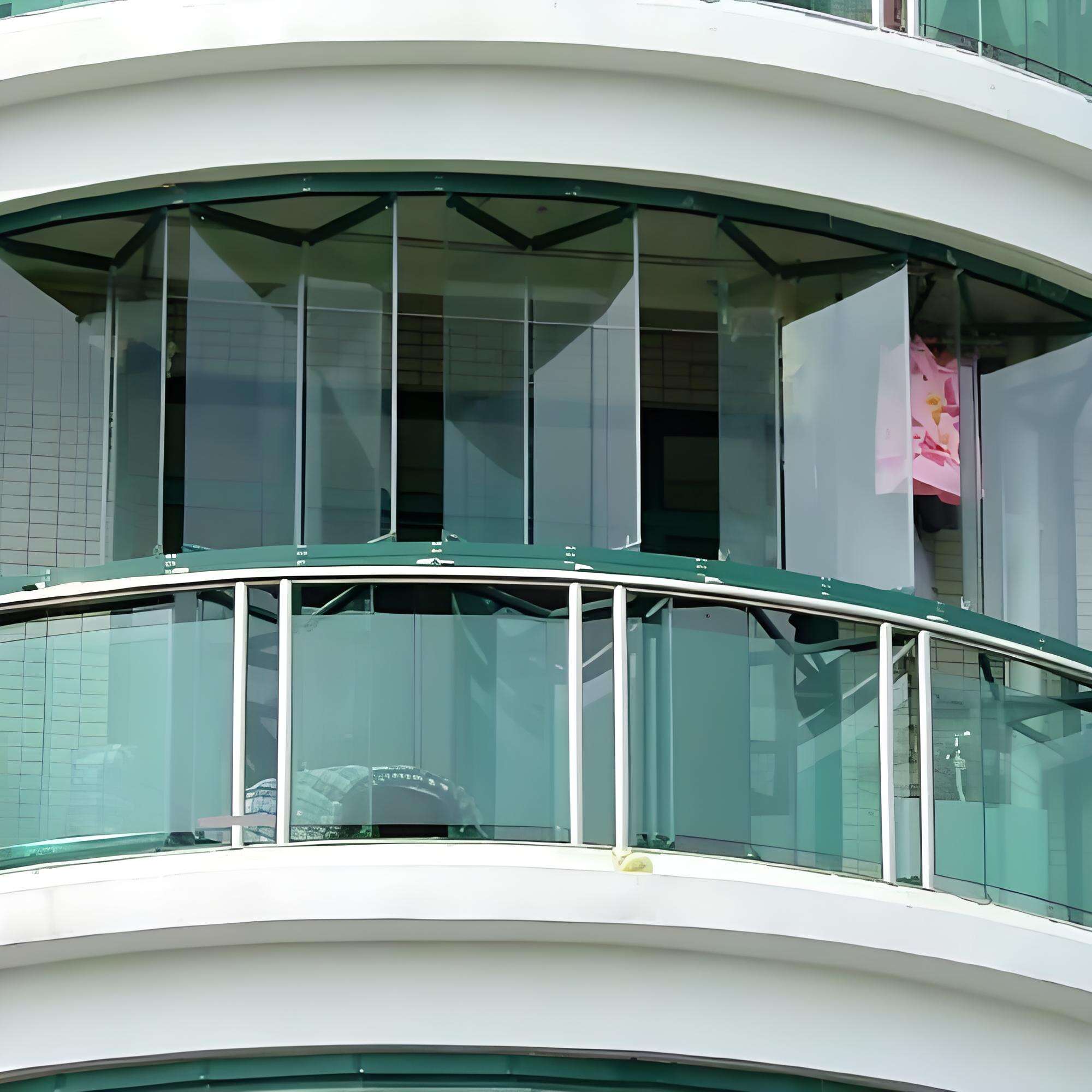
When safety and security are paramount in architectural applications, laminated glass with PVB interlayer emerges as a critical solution that maintains structural integrity even under extreme stress. This innovative glass technology combines multiple layers of glass with a specialized polyvinyl butyral interlayer, creating a composite material that offers superior protection compared to conventional glass systems. Understanding the mechanics behind how laminated glass with PVB interlayer functions during breakage is essential for architects, engineers, and building professionals who prioritize occupant safety and building performance.
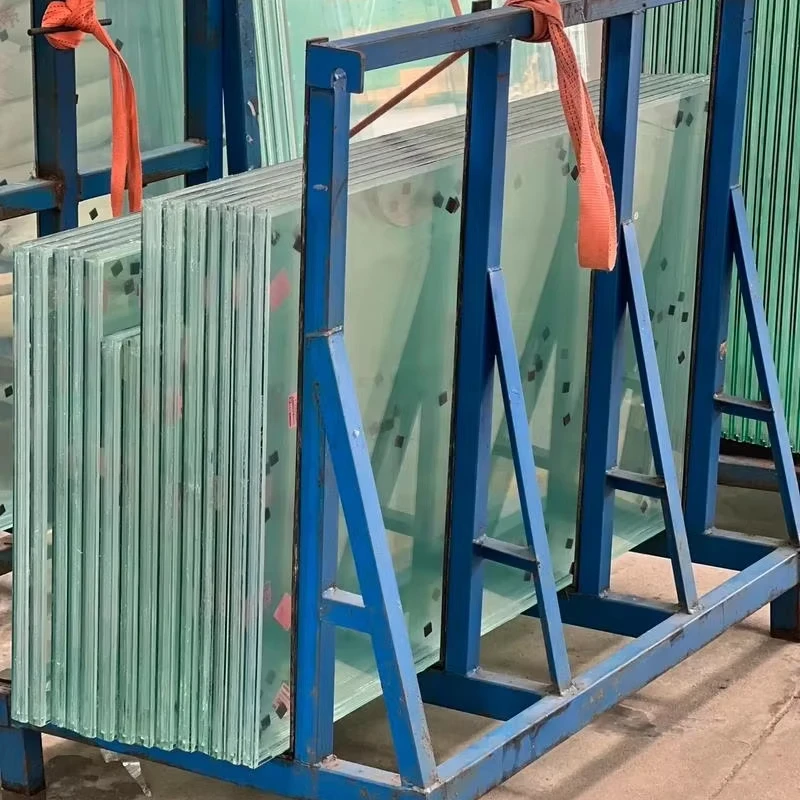
Understanding the Structure of Laminated Glass with PVB Interlayer
Composition and Material Properties
The fundamental structure of laminated glass with PVB interlayer consists of two or more glass sheets bonded together with one or more layers of polyvinyl butyral film. This PVB interlayer serves as the crucial component that maintains cohesion when the glass experiences impact or stress. The thickness of the PVB layer typically ranges from 0.38mm to several millimeters, depending on the specific performance requirements and safety standards needed for the application.
The manufacturing process involves placing the PVB interlayer between glass sheets and subjecting the assembly to heat and pressure in an autoclave. This process creates strong molecular bonds between the glass surfaces and the PVB material, resulting in a unified composite structure. The transparency of the PVB interlayer ensures that the optical properties of the laminated glass with PVB interlayer remain virtually identical to conventional glass while providing enhanced safety characteristics.
Bonding Mechanism and Adhesive Properties
The adhesive properties of PVB are fundamental to the performance of laminated glass with PVB interlayer systems. The polymer exhibits excellent adhesion to glass surfaces through both mechanical and chemical interactions. During the lamination process, the PVB flows slightly under heat and pressure, filling microscopic irregularities on the glass surface and creating an intimate contact that enhances the bond strength.
Temperature and humidity conditions significantly influence the adhesive performance of PVB interlayers. The material demonstrates optimal bonding characteristics within specific environmental parameters, which is why controlled manufacturing conditions are essential for producing high-quality laminated glass with PVB interlayer products. The resulting bond exhibits excellent durability and maintains its integrity across a wide range of operating temperatures and environmental conditions.
Mechanical Behavior During Glass Breakage
Fracture Pattern and Crack Propagation
When laminated glass with PVB interlayer experiences impact sufficient to cause breakage, the fracture behavior differs dramatically from monolithic glass. Upon impact, cracks initiate and propagate through the glass layers in the typical spider-web pattern associated with tempered glass or the larger shard pattern of annealed glass, depending on the glass type used in the laminate construction.
The critical difference occurs at the glass-PVB interface, where the interlayer prevents the complete separation of glass fragments. As cracks reach the PVB layer, the flexible polymer material absorbs and redistributes the stress, preventing the crack from propagating through the entire thickness of the laminated glass with PVB interlayer assembly. This mechanism ensures that even severely damaged glass remains in place within the frame opening.
Stress Distribution and Energy Absorption
The PVB interlayer functions as an energy-absorbing medium that significantly alters the stress distribution pattern within the glass assembly. When impact occurs, the initial energy is absorbed by the glass fracture process, but the remaining energy must be dissipated to prevent complete failure. The viscoelastic properties of the PVB material allow it to deform elastically and plastically, absorbing kinetic energy that would otherwise cause glass fragments to separate and become projectiles.
This energy absorption mechanism is particularly important in applications where human safety is critical, such as overhead glazing, curtain walls, and security applications. The laminated glass with PVB interlayer continues to provide barrier protection even after breakage, maintaining the building envelope integrity while preventing injury from falling glass fragments.
Performance Characteristics Under Various Loading Conditions
Impact Resistance and Penetration Resistance
The impact resistance of laminated glass with PVB interlayer depends on several factors including glass thickness, PVB thickness, and the number of interlayer sheets. Standard impact testing demonstrates that properly designed laminated glass assemblies can withstand significant impact forces while maintaining their structural integrity. The PVB interlayer provides the necessary flexibility to accommodate the deformation energy without allowing complete penetration.
Penetration resistance testing reveals that laminated glass with PVB interlayer exhibits superior performance compared to monolithic glass of equivalent thickness. The multi-layer construction requires an object to sequentially break through each glass layer while overcoming the resistance provided by the PVB interlayers. This progressive failure mechanism significantly increases the energy required for complete penetration, making the system highly effective for security and safety applications.
Temperature Effects on Performance
Environmental temperature significantly influences the mechanical properties of laminated glass with PVB interlayer systems. At elevated temperatures, the PVB becomes more flexible and exhibits increased elongation capability, which can enhance impact absorption but may reduce the overall stiffness of the assembly. Conversely, at low temperatures, the PVB becomes stiffer and may exhibit reduced elongation capacity, potentially affecting the failure mechanism.
Design considerations must account for the expected temperature range during service to ensure optimal performance of laminated glass with PVB interlayer installations. Advanced PVB formulations have been developed to maintain consistent performance across broader temperature ranges, extending the applicability of these systems in extreme climatic conditions while preserving their essential safety characteristics.
Applications and Design Considerations
Architectural Applications and Safety Requirements
The unique properties of laminated glass with PVB interlayer make it indispensable in numerous architectural applications where safety glazing is mandated by building codes. Overhead glazing installations, such as skylights and canopies, benefit from the retained fragment behavior that prevents glass pieces from falling and potentially injuring occupants below. Similarly, curtain wall systems utilize these assemblies to maintain weather protection even after glass breakage occurs.
Stairway and balcony railings represent another critical application where laminated glass with PVB interlayer provides both transparency and safety. The ability of broken glass to remain in place ensures that the barrier function is maintained even after impact damage, preventing falls and maintaining crowd safety in high-traffic areas. These installations must comply with strict building codes that specify minimum performance requirements for safety glazing materials.
Security and Blast Resistance Applications
Enhanced security applications demand laminated glass with PVB interlayer assemblies with increased thickness and multiple interlayers to provide resistance against forced entry attempts. The progressive failure mechanism inherent in these systems requires attackers to overcome multiple barriers, significantly increasing the time and effort required for breach attempts while creating noise that aids in detection.
Blast-resistant applications utilize specially designed laminated glass with PVB interlayer systems that incorporate thicker interlayers and may include multiple PVB sheets within a single assembly. These systems are engineered to absorb and dissipate the energy from explosive events while maintaining their integrity long enough to protect occupants and preserve the building envelope during emergency evacuation procedures.
Manufacturing Quality and Performance Standards
Quality Control Measures and Testing Protocols
The manufacturing of laminated glass with PVB interlayer requires stringent quality control measures to ensure consistent performance and reliability. Autoclave processing parameters, including temperature profiles, pressure settings, and cycle times, must be carefully controlled and monitored to achieve proper lamination and bonding between all layers. Visual inspection protocols identify potential defects such as bubbles, delamination, or contamination that could compromise performance.
Adhesion testing protocols verify the bond strength between glass and PVB layers, ensuring that the laminated glass with PVB interlayer meets specified performance requirements. These tests simulate various environmental conditions and aging effects to predict long-term performance and durability. Regular testing during production helps maintain quality standards and identifies potential issues before products reach the construction site.
Industry Standards and Certification Requirements
Multiple industry standards govern the performance and testing of laminated glass with PVB interlayer products, including ASTM, ANSI, and international standards that specify minimum requirements for safety glazing applications. These standards define test methods, performance criteria, and marking requirements that ensure products meet established safety and performance benchmarks.
Certification processes verify that laminated glass with PVB interlayer products comply with applicable standards and building code requirements. Third-party testing laboratories conduct standardized tests to validate impact resistance, penetration resistance, and other critical performance characteristics. This certification provides architects and specifiers with confidence that specified products will perform as expected in their intended applications.
Maintenance and Lifecycle Performance
Long-term Durability and Environmental Resistance
The long-term performance of laminated glass with PVB interlayer depends on environmental exposure conditions and proper installation practices. UV radiation, temperature cycling, and moisture exposure can gradually affect the PVB interlayer properties over time, potentially influencing the mechanical performance and optical clarity of the assembly. Modern PVB formulations incorporate UV stabilizers and other additives to enhance environmental resistance and extend service life.
Field performance studies demonstrate that properly manufactured and installed laminated glass with PVB interlayer systems maintain their essential safety characteristics for decades under normal service conditions. Regular inspection and maintenance protocols help identify potential issues before they compromise performance, ensuring continued safety and functionality throughout the building lifecycle.
Inspection and Replacement Considerations
Inspection protocols for laminated glass with PVB interlayer installations focus on identifying signs of delamination, edge seal failure, or other deterioration that could affect performance. Visual indicators such as clouding, bubbling, or separation at the edges may signal the need for replacement or further evaluation. Damaged units should be replaced promptly to maintain the intended safety performance of the glazing system.
Replacement planning considers the availability of matching products and installation requirements to ensure system integrity is maintained. The modular nature of most glazing systems allows for individual unit replacement without compromising adjacent installations, minimizing disruption and cost while preserving overall building performance and safety standards.
FAQ
How long does the PVB interlayer maintain its adhesive properties in laminated glass?
The PVB interlayer in laminated glass with PVB interlayer typically maintains its adhesive properties for 25-30 years under normal environmental conditions. Modern PVB formulations include UV stabilizers and other additives that extend this lifespan. However, extreme environmental conditions such as prolonged high temperatures, intense UV exposure, or excessive moisture can potentially reduce this timeframe, making regular inspection important for critical applications.
Can laminated glass with PVB interlayer be repaired after breakage?
Laminated glass with PVB interlayer cannot be effectively repaired once broken and must be completely replaced. While the broken glass remains held together by the PVB interlayer, the structural integrity and optical clarity are permanently compromised. The damaged unit should be replaced as soon as practical to restore full performance and maintain the intended safety characteristics of the glazing system.
What factors determine the thickness of PVB interlayer needed for specific applications?
The required PVB interlayer thickness in laminated glass with PVB interlayer depends on the intended application, required impact resistance, security level, and applicable building codes. Basic safety glazing may require only 0.38mm PVB, while security applications might need multiple layers totaling several millimeters. Hurricane-resistant and blast-resistant applications typically require even thicker interlayers, sometimes exceeding 6mm total thickness for extreme conditions.
Does temperature affect how laminated glass with PVB interlayer behaves when broken?
Yes, temperature significantly affects the behavior of laminated glass with PVB interlayer during breakage. At higher temperatures, the PVB becomes more flexible and can absorb more impact energy, potentially improving performance. At lower temperatures, the PVB becomes stiffer and may be more prone to tearing, though it still maintains its basic fragment retention properties. Design specifications must account for the expected temperature range to ensure optimal performance across all operating conditions.
Table of Contents
- Understanding the Structure of Laminated Glass with PVB Interlayer
- Mechanical Behavior During Glass Breakage
- Performance Characteristics Under Various Loading Conditions
- Applications and Design Considerations
- Manufacturing Quality and Performance Standards
- Maintenance and Lifecycle Performance
-
FAQ
- How long does the PVB interlayer maintain its adhesive properties in laminated glass?
- Can laminated glass with PVB interlayer be repaired after breakage?
- What factors determine the thickness of PVB interlayer needed for specific applications?
- Does temperature affect how laminated glass with PVB interlayer behaves when broken?