EN
EN

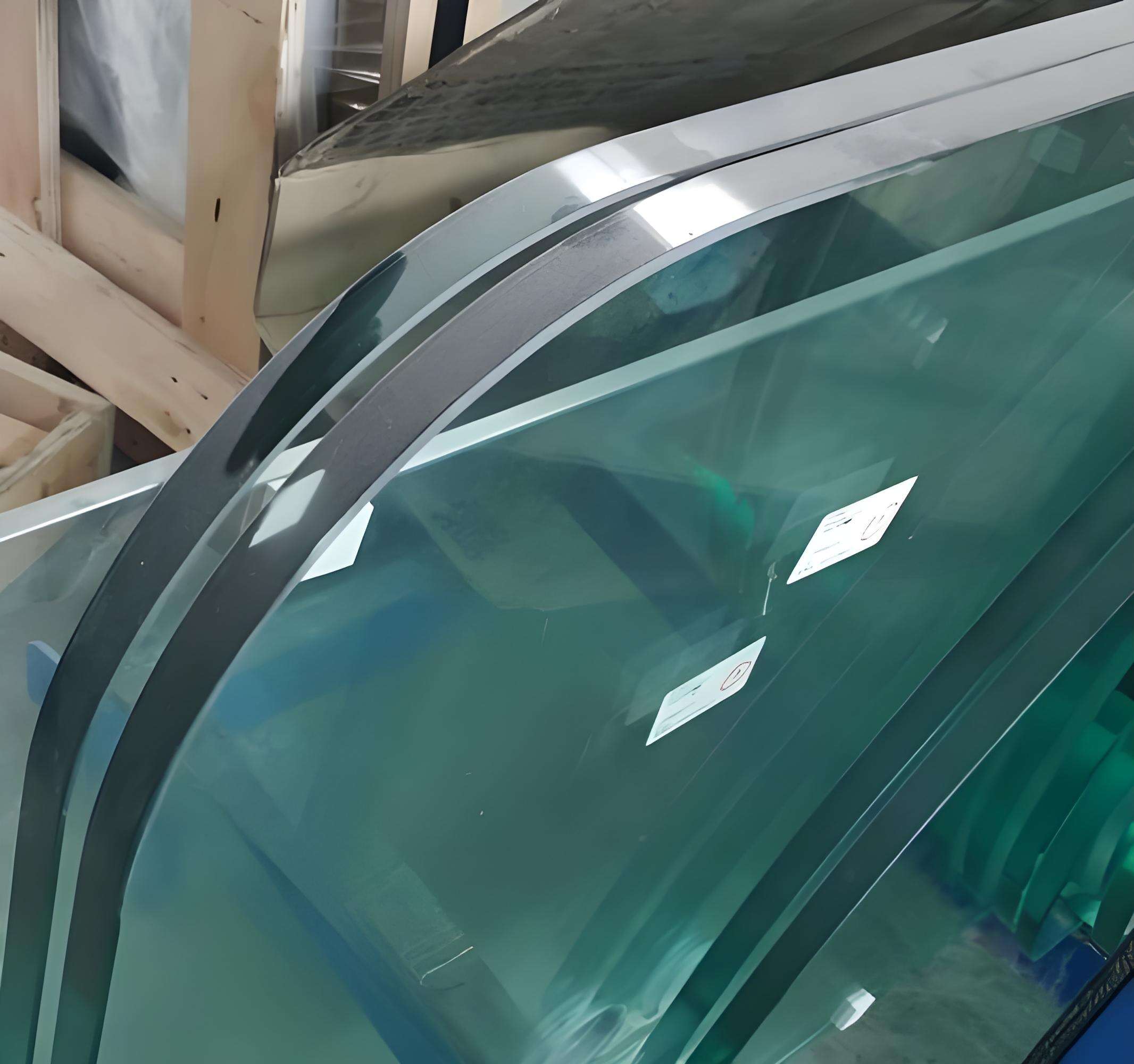
When tempered glass breaks, it creates a distinctive pattern of small, cube-like fragments rather than the dangerous jagged shards associated with regular glass. This unique breaking characteristic makes tempered glass one of the most important safety materials in modern construction, automotive, and architectural applications. Understanding the science behind why tempered glass shatters into small granules reveals the sophisticated engineering process that transforms ordinary glass into a safety-critical material.
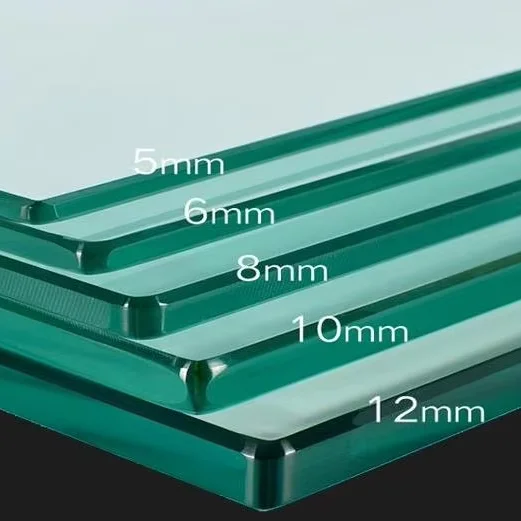
The fundamental difference between tempered glass and regular annealed glass lies in their internal stress distribution and molecular structure. While standard glass breaks unpredictably into sharp, potentially lethal fragments, tempered glass undergoes a specialized manufacturing process that fundamentally alters its breaking behavior. This transformation occurs through controlled heating and rapid cooling cycles that create specific stress patterns throughout the glass thickness.
The tempering process involves heating glass to approximately 620°C to 650°C, followed by rapid air cooling that creates compressive stress on the surface while maintaining tensile stress in the core. This engineered stress distribution is what causes tempered glass to fragment into small, relatively harmless pieces when broken. The manufacturing precision required for high-quality architectural and safety applications demands strict temperature control and timing throughout the tempering cycle.
The Physics Behind Tempered Glass Fragmentation
Internal Stress Distribution Patterns
The unique fragmentation pattern of tempered glass results from carefully engineered internal stresses created during the manufacturing process. When heated to its softening point and rapidly cooled, the outer surfaces of tempered glass solidify first, creating compressive stress zones. As the interior continues to cool and contract, it pulls against the already-solidified exterior, establishing tensile stress in the core region.
This stress distribution creates a delicate balance throughout the glass structure. The surface compression typically ranges from 69 to 172 MPa, while the core tension averages around 24 to 52 MPa. When this balance is disrupted by impact or edge damage, the stored energy releases rapidly throughout the entire panel, causing the characteristic cube-like fragmentation pattern that distinguishes tempered glass from other glass types.
The stress magnitude and distribution directly influence fragment size and shape. Higher surface compression generally produces smaller fragments, while the cooling rate during tempering affects the stress gradient between surface and core regions. Understanding these relationships allows manufacturers to optimize tempered glass production for specific safety requirements and applications.
Energy Release Mechanisms During Fracture
When tempered glass experiences fracture initiation, the stored internal stress energy releases instantaneously throughout the entire panel. This rapid energy release differs dramatically from the localized crack propagation seen in annealed glass. The fracture propagates at approximately 1,500 meters per second, creating a network of intersecting cracks that divide the glass into thousands of small fragments.
The fracture pattern follows the stress field lines established during tempering. Surface compression forces create crack patterns that intersect at approximately 90-degree angles, resulting in the characteristic cube-like fragment geometry. The rapid fracture propagation prevents the formation of long, sharp edges because cracks intersect and terminate quickly rather than extending across large areas of the glass surface.
Fragment size distribution depends on glass thickness, tempering parameters, and the location of fracture initiation. Typically, tempered glass produces fragments ranging from 3 to 10 millimeters in size, with edges that are relatively blunt compared to the razor-sharp shards created by regular glass breakage.
Manufacturing Process and Quality Control
Thermal Tempering Procedures
The thermal tempering process begins with cutting and edge finishing of annealed glass to precise specifications. Any edge imperfections or surface scratches can compromise the tempering process and reduce the final strength characteristics. The glass undergoes thorough inspection and cleaning before entering the tempering furnace to ensure optimal results and consistent fragment patterns.
Furnace temperature control represents the most critical aspect of tempered glass production. The glass must reach uniform temperature distribution across its entire surface area before the quenching process begins. Heating time varies based on glass thickness, typically ranging from 150 to 240 seconds for standard architectural thicknesses. Temperature variations exceeding 5°C can create uneven stress patterns that affect fragmentation characteristics.
The quenching process involves high-pressure air jets that cool the glass surface rapidly while maintaining precise airflow distribution. Nozzle placement, air pressure, and cooling duration must be carefully controlled to achieve the desired stress profile. Modern tempering lines use computer-controlled systems to monitor and adjust these parameters continuously, ensuring consistent tempered glass quality and predictable fracture patterns.
Quality Assurance and Testing Standards
Quality control for tempered glass involves multiple testing procedures to verify proper stress distribution and fragmentation characteristics. Fragment testing requires breaking sample pieces and counting the number of fragments within a specified area. Standards typically require 40 to 400 fragments per 50mm x 50mm area, depending on glass thickness and application requirements.
Surface stress measurement using polariscopes allows non-destructive evaluation of tempered glass quality. These instruments reveal stress patterns through polarized light, enabling technicians to identify areas of insufficient tempering or uneven stress distribution. Regular stress measurements ensure that production parameters remain within specification limits and that the resulting tempered glass will exhibit proper fragmentation behavior.
Impact resistance testing verifies that tempered glass meets specified strength requirements while maintaining safe fragmentation characteristics. Ball drop tests, pendulum impact tests, and thermal shock evaluations confirm that the glass can withstand anticipated service loads while breaking safely when failure occurs. These comprehensive testing protocols ensure that tempered glass performs reliably in critical safety applications.
Safety Benefits and Applications
Reduced Injury Risk Compared to Regular Glass
The small granular fragments produced by tempered glass breakage significantly reduce the risk of serious lacerations compared to large sharp shards from annealed glass. Medical studies indicate that injuries from tempered glass fragments are typically minor abrasions rather than deep cuts requiring surgical intervention. This safety advantage makes tempered glass essential for applications where human contact is likely during breakage events.
Fragment edge geometry contributes substantially to reduced injury potential. The rapid fracture propagation in tempered glass creates fragments with relatively blunt edges and rounded corners. While these fragments can still cause minor cuts, they lack the razor-sharp edges and pointed tips characteristic of annealed glass shards that can cause severe penetrating wounds.
The tendency of tempered glass fragments to remain loosely connected initially after breakage provides additional safety benefits. Rather than immediately scattering dangerous shards, the fractured tempered glass often holds together momentarily, allowing occupants time to move away from the breakage area safely. This cohesive behavior results from surface tension forces and the interlocking nature of the small fragments.
Architectural and Automotive Applications
Building codes worldwide mandate tempered glass use in locations where breakage could endanger occupants. Door panels, sidelights, windows near walking surfaces, and glass railings must utilize tempered glass to meet safety requirements. The predictable fragmentation pattern ensures that accidental breakage will not create life-threatening injuries in high-traffic areas of commercial and residential buildings.
Automotive applications rely heavily on the safety characteristics of tempered glass for side and rear windows. While laminated glass is preferred for windshields to maintain structural integrity after impact, tempered glass provides optimal visibility and quick emergency egress capabilities for other vehicle glazing. The small fragments allow passengers to escape through broken windows without risking severe lacerations.
Shower enclosures and bathroom applications represent critical safety installations where tempered glass fragmentation properties prevent serious injuries. The combination of wet surfaces, limited space, and potential for accidental impact makes the safe breakage characteristics of tempered glass essential. Installation standards require tempered glass for all shower doors and enclosure panels to protect users from injury during breakage events.
Comparing Fragmentation Patterns
Tempered Glass Versus Annealed Glass Breakage
Annealed glass breaks in a fundamentally different manner than tempered glass due to the absence of internal stress patterns. When annealed glass fractures, cracks propagate along paths of least resistance, creating large irregular shards with extremely sharp edges. These fragments can extend several inches in length and maintain razor-sharp cutting edges capable of causing deep lacerations and arterial damage.
The fracture propagation speed in annealed glass is significantly slower than in tempered glass, allowing cracks to develop extensive branching patterns. This slower crack growth creates the characteristic spider web appearance often seen in broken windows. The resulting fragments vary dramatically in size and shape, with some pieces remaining quite large while others break into smaller sections with unpredictable edge geometries.
Tempered glass fragmentation occurs uniformly throughout the entire panel due to the stored internal energy from the tempering process. Every area of the glass contains similar stress levels, resulting in consistent fragment sizes regardless of where the initial fracture occurs. This predictability allows engineers to design safety systems based on known fragment characteristics rather than the unpredictable breakage patterns of annealed glass.
Laminated Glass Safety Characteristics
Laminated glass provides safety through a different mechanism than tempered glass fragmentation control. While laminated glass may crack in patterns similar to annealed glass, the plastic interlayer prevents fragment separation and maintains structural integrity after impact. This approach proves particularly valuable in applications requiring continued protection after glass failure, such as security glazing and windshields.
The choice between tempered glass and laminated glass depends on specific safety requirements and failure mode preferences. Tempered glass allows complete panel removal after breakage, facilitating emergency egress and rescue operations. Laminated glass maintains barrier function even after severe impact but may complicate evacuation procedures if the plastic layer remains intact and difficult to penetrate.
Some applications combine both technologies, using tempered glass as the substrate material in laminated constructions. This approach provides the fragment size control of tempering while maintaining the holdout characteristics of the plastic interlayer. Such combinations are common in high-security applications and specialized architectural installations requiring multiple levels of safety protection.
Manufacturing Variables Affecting Fragment Size
Glass Thickness and Composition Factors
Glass thickness directly influences the fragment size and pattern created during tempered glass breakage. Thicker glass panels generally produce larger fragments because the greater material volume requires more energy to propagate cracks throughout the cross-section. The relationship between thickness and fragment size follows predictable patterns that allow manufacturers to optimize tempering parameters for specific safety requirements.
Glass composition affects both the tempering process and resulting fragment characteristics. Standard soda-lime glass compositions provide excellent tempering properties and produce consistent fragmentation patterns. Low-iron glass formulations used for high-clarity applications temper similarly to standard glass but may exhibit slightly different stress distributions due to reduced iron oxide content affecting thermal properties.
Surface treatments and coatings applied before tempering can influence fragment formation and edge characteristics. Heat-strengthened glass, which undergoes partial tempering, produces fragments intermediate in size between annealed and fully tempered glass. This controlled fragmentation provides enhanced strength while maintaining some visibility through the fractured panel, useful in specific architectural applications.
Cooling Rate and Temperature Control
The cooling rate during quenching determines the magnitude of surface compression and corresponding tensile stress in the glass core. Faster cooling creates higher stress levels and smaller fragment sizes, while slower cooling produces lower stress and larger fragments. Optimal cooling rates balance fragment size requirements with manufacturing throughput and energy efficiency considerations.
Temperature uniformity across the glass surface critically affects fragmentation consistency. Areas that cool at different rates develop varying stress levels, creating zones with different fragment characteristics. Advanced tempering systems use multiple air jets and temperature sensors to maintain uniform cooling conditions and ensure consistent tempered glass quality throughout large panels.
The thermal history of glass before tempering influences the final stress distribution and fragment pattern. Glass that has been stored or transported under varying temperature conditions may develop residual stresses that affect the tempering process. Proper annealing and conditioning procedures eliminate these variables and ensure predictable tempered glass performance and fragmentation behavior.
FAQ
What determines the size of fragments when tempered glass breaks
Fragment size in tempered glass is primarily determined by the magnitude of internal stresses created during the tempering process, glass thickness, and cooling rate during manufacture. Higher surface compression creates smaller fragments, while glass thickness and composition also influence the final fragment dimensions. Manufacturing standards typically specify fragment counts within defined areas to ensure consistent safety performance across different applications and thickness ranges.
Can tempered glass be cut or modified after the tempering process
Tempered glass cannot be cut, drilled, or edge-worked after the tempering process because any attempt to modify the glass disrupts the internal stress balance and causes immediate fracture into small fragments. All sizing, hole drilling, edge polishing, and surface treatments must be completed on annealed glass before the tempering process begins. This requirement necessitates precise planning and measurement during the design and ordering phases of tempered glass installations.
How does tempered glass strength compare to regular glass
Tempered glass typically exhibits four to five times greater strength than annealed glass of the same thickness due to the surface compression created during manufacturing. This increased strength applies to both impact resistance and thermal stress tolerance. However, tempered glass is more vulnerable to edge damage than annealed glass because edge defects can trigger the complete fracture of the panel due to the stored internal stress energy throughout the glass structure.
Why does all tempered glass in a panel break when only one area is damaged
The complete fracture of tempered glass from localized damage occurs because the tempering process creates stored stress energy throughout the entire panel. When a crack penetrates the surface compression zone and reaches the tensile core, it triggers rapid stress release that propagates at high speed across the entire glass area. This instantaneous energy release causes simultaneous fracturing throughout the panel, creating the characteristic uniform fragmentation pattern that makes tempered glass safer than annealed glass alternatives.