EN
EN

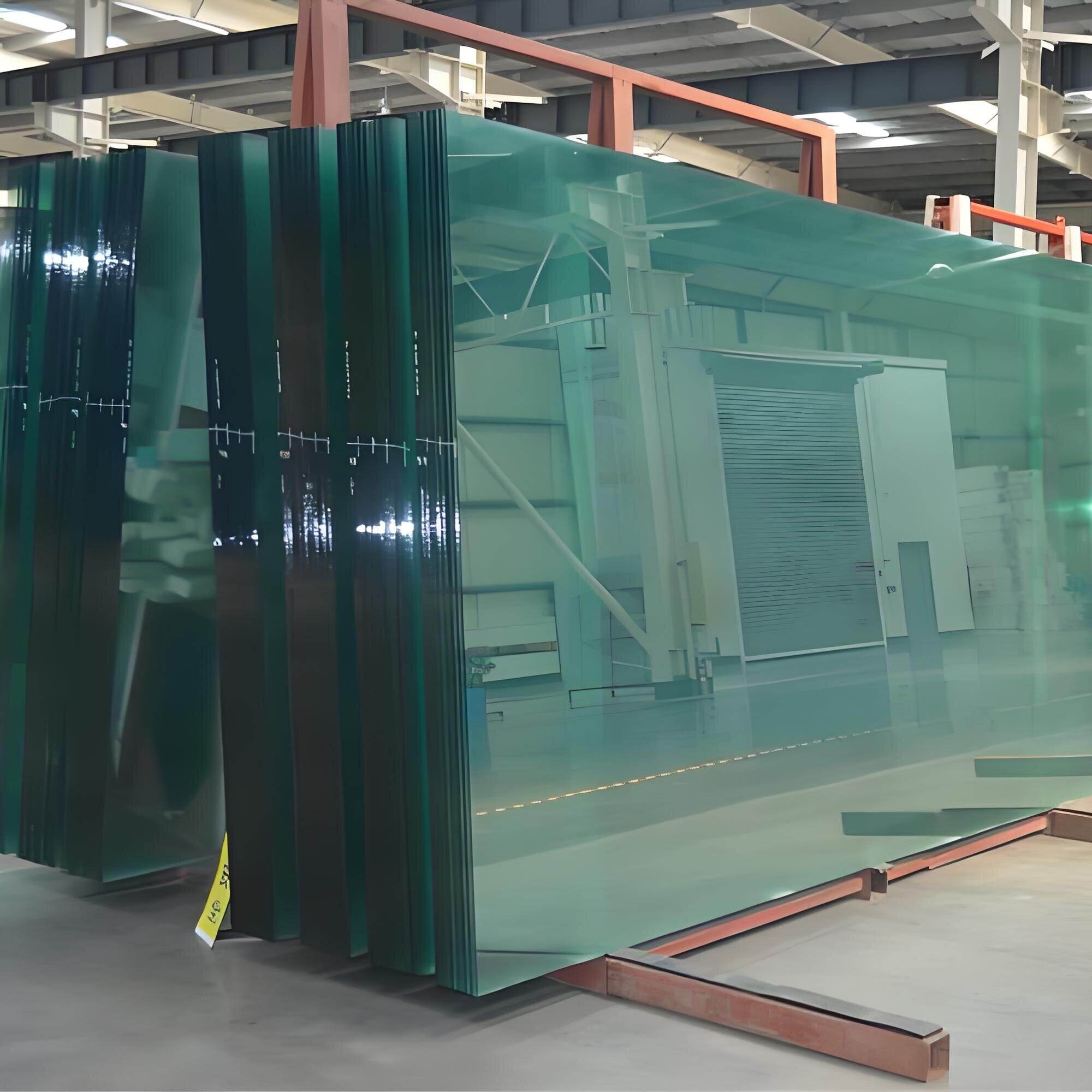
Modern construction demands materials that deliver superior performance across multiple criteria, and laminated glass has emerged as a standout solution for architects and builders seeking enhanced safety, energy efficiency, and UV protection. This innovative glazing technology combines multiple glass layers with specialized interlayers to create a composite material that significantly outperforms traditional single-pane glass in virtually every measurable category. As building codes become increasingly stringent and energy costs continue to rise, understanding the comprehensive benefits of laminated glass becomes essential for making informed decisions about glazing specifications.
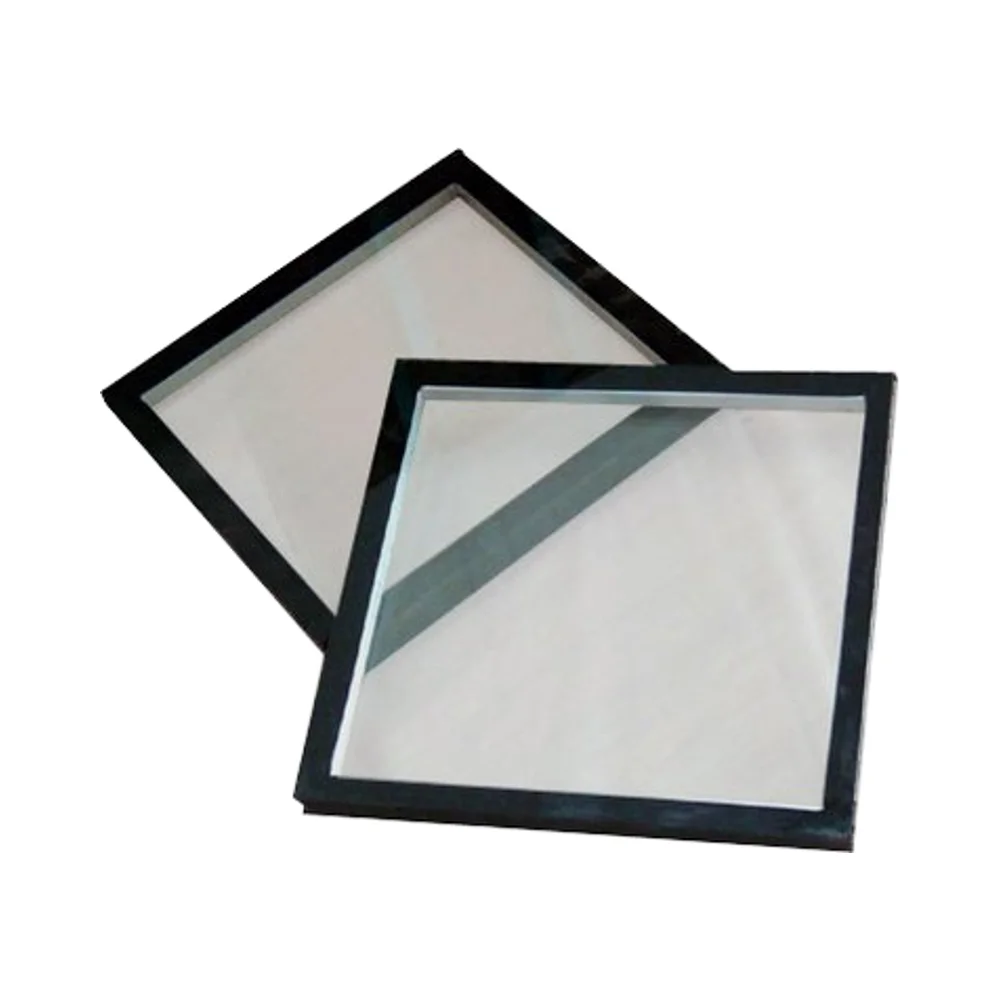
The construction industry's shift toward sustainable building practices has positioned laminated glass as a critical component in achieving both LEED certification and long-term operational cost savings. Unlike conventional glazing options, laminated glass provides a unique combination of structural integrity, thermal performance, and optical clarity that makes it indispensable for modern architectural applications. This comprehensive analysis explores the multifaceted advantages of laminated glass technology and its role in creating more efficient, comfortable, and secure building environments.
Understanding Laminated Glass Technology and Construction
Basic Structure and Manufacturing Process
Laminated glass consists of two or more glass sheets permanently bonded together with one or more layers of polyvinyl butyral (PVB) or ethylene-vinyl acetate (EVA) interlayer material. The manufacturing process involves placing the interlayer between glass sheets and subjecting the assembly to heat and pressure in an autoclave, creating a permanent bond that maintains structural integrity even when the glass is damaged. This construction method results in a composite material that exhibits properties superior to the sum of its individual components.
The interlayer material serves multiple functions beyond simple adhesion, acting as a barrier against UV radiation, providing acoustic dampening properties, and maintaining the structural integrity of the glazing unit when impact occurs. Modern laminated glass manufacturing techniques allow for customization of interlayer thickness, color, and performance characteristics to meet specific application requirements. The precision required in this manufacturing process ensures consistent quality and performance across different environmental conditions and installation scenarios.
Types of Interlayer Materials and Their Properties
Polyvinyl butyral remains the most commonly used interlayer material due to its excellent adhesion properties, optical clarity, and proven long-term performance in diverse climatic conditions. PVB interlayers are available in various thicknesses ranging from 0.38mm to 3.04mm, with thicker interlayers providing enhanced acoustic performance and impact resistance. The material's inherent UV-absorbing properties make laminated glass particularly effective at blocking harmful ultraviolet radiation while maintaining excellent visible light transmission.
Advanced interlayer technologies include ionoplast materials such as SentryGlas, which offer superior structural performance and edge stability compared to traditional PVB interlayers. These high-performance interlayers enable the use of laminated glass in structural applications where maximum strength and durability are required. Additionally, specialized interlayers incorporating acoustic dampening films, decorative elements, or smart glass technologies expand the functional possibilities of laminated glass systems in contemporary architectural design.
UV Protection Capabilities and Health Benefits
Ultraviolet Radiation Blocking Performance
Laminated glass provides exceptional protection against harmful ultraviolet radiation, typically blocking 99% or more of UV-A and UV-B rays that cause skin damage, eye strain, and premature aging of interior materials. The PVB interlayer naturally absorbs UV radiation across the spectrum from 280 to 380 nanometers, preventing these harmful rays from penetrating into interior spaces. This UV-blocking capability remains consistent throughout the service life of laminated glass, unlike some films or coatings that may degrade over time when exposed to continuous sunlight.
The health implications of UV protection extend beyond preventing sunburn and skin damage to include protection against cataracts, macular degeneration, and other UV-related eye conditions. Studies have shown that prolonged exposure to UV radiation through windows can cause significant health issues, particularly in commercial and residential environments where occupants spend extended periods near glazed areas. Laminated glass effectively eliminates these health risks while maintaining the natural lighting benefits that contribute to occupant comfort and productivity.
Interior Material Preservation and Cost Savings
The UV-blocking properties of laminated glass provide substantial economic benefits by preventing the fading and deterioration of interior furnishings, artwork, flooring, and textiles. Ultraviolet radiation causes photodegradation of organic materials, leading to color fading, brittleness, and reduced lifespan of valuable interior elements. By installing laminated glass, building owners can significantly extend the useful life of interior investments and reduce replacement costs over time.
Commercial applications particularly benefit from UV protection, as retail displays, museum exhibits, and office furnishings maintain their appearance and value longer when protected from harmful radiation. The cost savings from reduced replacement and maintenance of UV-sensitive materials often justify the initial investment in laminated glass within the first few years of installation. This protection is especially crucial in buildings with large glazed areas or high-value interior contents that would otherwise require expensive UV-filtering treatments or frequent replacement.
Energy Efficiency Performance and Thermal Benefits
Thermal Conductivity and Heat Transfer Reduction
While laminated glass itself provides modest improvements in thermal performance compared to monolithic glass, its primary energy efficiency benefits become apparent when combined with low-emissivity coatings and insulating glass unit construction. The interlayer in laminated glass contributes to reduced heat transfer through conduction, and when properly designed, laminated glass assemblies can achieve significantly lower U-values than conventional glazing systems.
The thermal mass provided by laminated glass helps moderate interior temperature fluctuations by absorbing and slowly releasing thermal energy throughout daily temperature cycles. This thermal flywheel effect reduces the load on HVAC systems and contributes to more stable interior conditions. When incorporated into double or triple-glazed insulating units, laminated glass provides additional thermal barriers that enhance overall system performance and contribute to substantial energy cost savings over the building's operational life.
Solar Heat Gain Control and Daylighting Optimization
Laminated glass systems can be engineered with selective spectral transmission characteristics that optimize the balance between beneficial daylight admission and unwanted solar heat gain. By incorporating tinted interlayers or specialized coatings, laminated glass can reduce solar heat gain coefficients while maintaining adequate visible light transmission for effective daylighting strategies. This selective filtering capability allows architects to maximize natural lighting benefits while minimizing cooling loads.
Advanced laminated glass configurations can achieve solar heat gain coefficients as low as 0.25 while maintaining visible light transmission above 70%, providing excellent glare control and thermal comfort. This performance enables larger glazed areas in building designs without compromising energy efficiency, supporting current architectural trends toward transparency and connection with the outdoor environment. The ability to fine-tune spectral transmission characteristics makes laminated glass an essential tool for achieving net-zero energy building goals and meeting increasingly stringent energy codes.
Acoustic Performance and Sound Control
Sound Transmission Reduction Mechanisms
Laminated glass excels in acoustic applications due to the sound-dampening properties of the interlayer material, which disrupts sound wave transmission through the glazing assembly. The viscoelastic properties of PVB and other interlayer materials convert acoustic energy into heat through internal friction, significantly reducing sound transmission across a broad frequency range. This acoustic dampening effect is particularly pronounced at frequencies commonly associated with traffic noise, aircraft, and mechanical equipment.
The acoustic performance of laminated glass can be further enhanced by varying the thickness of glass layers within the laminate, creating an asymmetric construction that disrupts resonant frequencies more effectively than symmetric configurations. Sound Transmission Class (STC) ratings for laminated glass assemblies typically range from 35 to 45, with specialized acoustic laminated glass achieving ratings above 50 when properly designed and installed. These performance levels make laminated glass suitable for applications in noise-sensitive environments such as hospitals, schools, and residential buildings in urban areas.
Frequency-Specific Performance and Application Optimization
Different interlayer thicknesses and configurations provide varying degrees of acoustic control across different frequency ranges, allowing designers to optimize laminated glass performance for specific noise environments. Low-frequency noise, typically the most challenging to control with conventional glazing, shows significant improvement with laminated glass systems featuring thick acoustic interlayers. The material's ability to control both airborne and structure-borne sound transmission makes it particularly effective in comprehensive noise control strategies.
Specialized acoustic laminated glass products incorporate multiple interlayers with different acoustic properties to achieve broadband noise control while maintaining structural performance and optical clarity. These advanced systems are essential for critical applications such as recording studios, concert halls, and sensitive research facilities where precise acoustic control is required. The versatility of laminated glass in acoustic applications continues to expand as new interlayer technologies and design methods are developed.
Safety and Security Advantages
Impact Resistance and Human Safety
Laminated glass provides exceptional safety benefits through its unique failure characteristics, which prevent the formation of dangerous sharp fragments when broken. Instead of shattering into potentially harmful pieces like tempered glass, laminated glass cracks while remaining largely intact due to the adhesive properties of the interlayer. This behavior significantly reduces the risk of injury from glass failure and makes laminated glass mandatory in many applications such as overhead glazing, stair railings, and areas subject to human impact.
Building codes increasingly recognize the safety advantages of laminated glass, particularly in locations where glass failure could result in serious injury or property damage. The material's ability to maintain structural integrity even after severe impact makes it ideal for applications such as curtain wall systems, where glass failure could create falling hazard risks. Additionally, laminated glass provides protection against accidental impacts from objects, weather events, and seismic activity, contributing to overall building resilience and occupant safety.
Security Applications and Blast Resistance
Security laminated glass systems incorporating multiple interlayers and specialized glass types provide exceptional resistance to forced entry attempts and ballistic threats. These high-security configurations can withstand significant impact forces while maintaining barrier properties that prevent unauthorized access. The time required to penetrate security laminated glass assemblies often exceeds typical crime opportunity windows, making it an effective deterrent against break-ins and vandalism.
Blast-resistant laminated glass systems designed for high-risk applications can mitigate the effects of explosive events by containing glass fragments and maintaining barrier integrity under extreme pressure differentials. These specialized applications require careful engineering of glass thickness, interlayer configuration, and framing systems to achieve specified protection levels. The proven performance of laminated glass in security applications has made it standard specification for government buildings, financial institutions, and other facilities requiring enhanced protection against intentional threats.
Installation Considerations and Design Flexibility
Glazing System Integration and Compatibility
Laminated glass integrates seamlessly with conventional glazing systems and framing methods, requiring minimal modifications to standard installation practices. The material's compatibility with structural glazing techniques, conventional frame systems, and sealant technologies makes it a practical upgrade from monolithic glass in most applications. However, proper handling techniques and storage procedures are essential to prevent delamination and ensure long-term performance of laminated glass assemblies.
Edge sealing requirements for laminated glass differ from those of monolithic glass due to the potential for moisture intrusion at the interlayer interface. Proper edge sealing with compatible structural sealants prevents moisture-induced delamination and maintains the aesthetic appearance of the glazing system. Installation teams must be trained in laminated glass handling procedures to prevent damage during transportation and installation, as repairs to damaged laminated glass typically require complete unit replacement.
Custom Configurations and Special Applications
The manufacturing flexibility of laminated glass allows for custom configurations that meet specific performance requirements and aesthetic preferences. Curved laminated glass, decorative interlayers, and integrated technologies such as embedded LEDs or heating elements expand the design possibilities for architectural applications. These custom solutions enable architects to achieve unique visual effects while maintaining the functional benefits of laminated glass technology.
Specialty applications such as structural glazing, canopy systems, and heritage building restoration often require custom laminated glass solutions that balance historical accuracy with modern performance requirements. The ability to incorporate various glass types, coatings, and interlayer materials within a single laminated assembly provides unprecedented design flexibility for challenging applications. Advanced manufacturing techniques continue to expand the possibilities for custom laminated glass solutions in specialized architectural and engineering applications.
Cost Analysis and Long-Term Value
Initial Investment Versus Operational Savings
While laminated glass typically commands a price premium over monolithic glass, the long-term value proposition becomes compelling when considering energy savings, maintenance reduction, and extended service life. Energy cost savings from improved thermal performance and reduced HVAC loads often offset the initial investment within 5-7 years, depending on local utility rates and building operating schedules. Additional savings from reduced interior maintenance and replacement costs further improve the economic case for laminated glass specification.
Life-cycle cost analysis consistently demonstrates the economic advantages of laminated glass over 20-30 year building lifecycles, particularly in commercial applications where energy costs represent significant operational expenses. The durability and low maintenance requirements of laminated glass contribute to reduced facility management costs and improved building asset value over time. Insurance premium reductions for buildings with enhanced safety and security glazing may provide additional economic benefits that improve project economics.
Market Trends and Future Cost Projections
Increasing production volumes and manufacturing efficiencies continue to reduce the cost differential between laminated glass and conventional glazing options, making high-performance glazing more accessible for a broader range of projects. Energy code requirements and green building certification programs increasingly favor laminated glass solutions, creating market demand that supports continued cost reductions through economies of scale.
Future developments in interlayer technology and manufacturing processes promise to further enhance the value proposition of laminated glass while reducing costs. Advanced materials such as thermoplastic polyurethane and specialized acoustic interlayers may provide enhanced performance characteristics at competitive prices, expanding the applications where laminated glass provides clear economic advantages over alternative glazing solutions.
FAQ
How long does laminated glass typically last in building applications
Laminated glass systems properly installed and maintained typically provide 25-30 years of reliable service in most building applications. The interlayer materials used in modern laminated glass are formulated to resist UV degradation, temperature cycling, and moisture exposure that could cause delamination. Regular maintenance focusing on proper cleaning and sealant inspection helps ensure maximum service life and performance retention throughout the building's operational period.
Can laminated glass be used in structural glazing applications
Yes, laminated glass is well-suited for structural glazing applications when properly engineered with appropriate glass types and interlayer materials. Structural laminated glass assemblies can carry significant loads while providing the safety and performance benefits inherent in laminated construction. However, structural applications require careful analysis of load paths, deflection limits, and long-term creep characteristics to ensure safe and reliable performance under design conditions.
What maintenance is required for laminated glass systems
Laminated glass requires minimal maintenance beyond regular cleaning with appropriate non-abrasive cleaners and soft cloths. Edge sealant inspection should be performed annually to identify any deterioration that could allow moisture intrusion and potential delamination. Any damage to the glass surface should be evaluated promptly to determine whether repair or replacement is necessary, as cracks in laminated glass can propagate over time under certain conditions.
How does laminated glass performance compare to triple-glazed units for energy efficiency
Laminated glass provides different energy efficiency benefits compared to triple-glazed systems, with laminated glass excelling in UV control and thermal mass effects while triple-glazed units offer superior insulation through reduced U-values. The optimal choice depends on specific climate conditions, building orientation, and performance priorities. Many high-performance buildings incorporate both technologies by using laminated glass within insulating glass units to maximize both thermal performance and additional benefits such as acoustic control and safety.
Table of Contents
- Understanding Laminated Glass Technology and Construction
- UV Protection Capabilities and Health Benefits
- Energy Efficiency Performance and Thermal Benefits
- Acoustic Performance and Sound Control
- Safety and Security Advantages
- Installation Considerations and Design Flexibility
- Cost Analysis and Long-Term Value
- FAQ