EN
EN

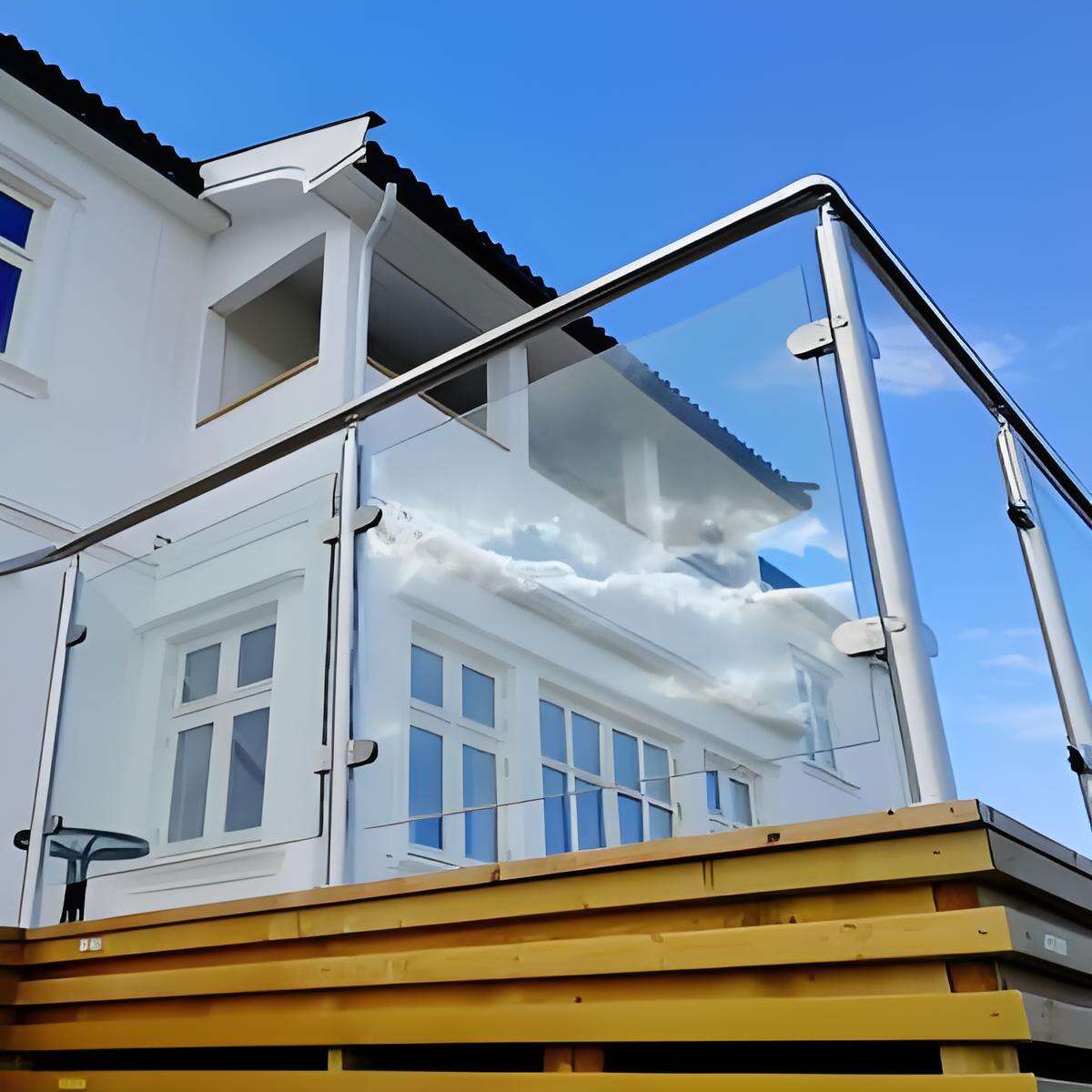
Modern architecture demands materials that deliver exceptional performance across multiple critical functions, and laminated glass stands out as one of the most versatile solutions available today. This innovative glazing technology combines multiple layers of glass with interlayers to create a composite material that excels in sound insulation, security, and overall building performance. As urban environments become increasingly noisy and security concerns continue to grow, laminated glass offers architects and builders a comprehensive solution that addresses these challenges while maintaining aesthetic appeal and structural integrity.
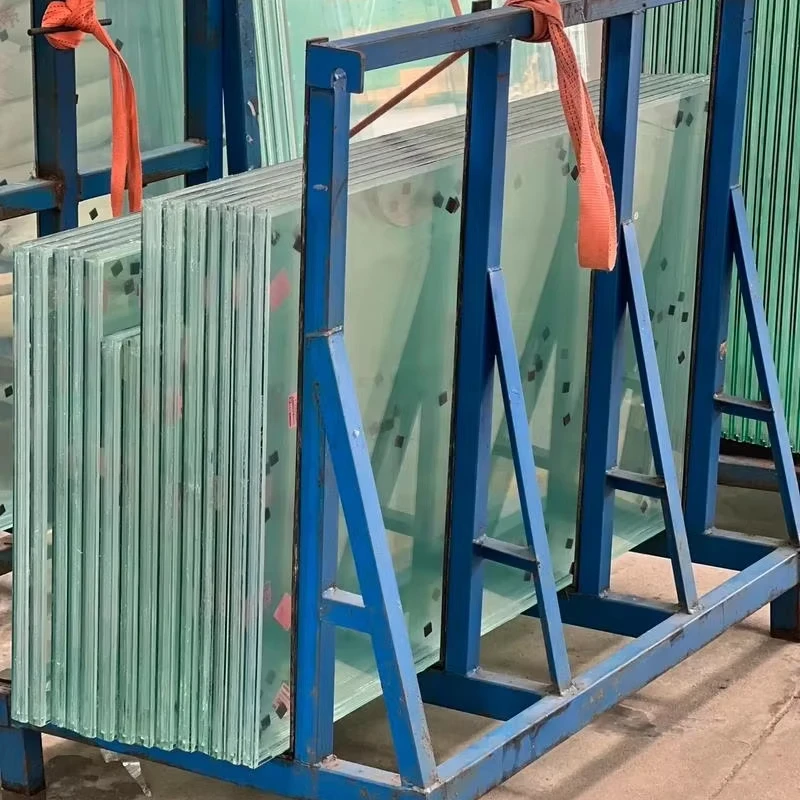
The construction industry has witnessed a remarkable evolution in glazing technologies, with laminated glass emerging as a cornerstone of modern building design. Unlike traditional single-pane glass, laminated glass incorporates advanced engineering principles that transform ordinary windows into high-performance barriers against sound transmission and security threats. This transformation occurs through the strategic layering of glass sheets with specialized interlayers, creating a synergistic effect that amplifies the protective properties of each component.
Understanding the mechanics behind laminated glass performance requires examining how sound waves and physical forces interact with layered materials. The unique composition of laminated glass creates multiple interfaces that disrupt sound transmission patterns while simultaneously providing enhanced resistance to impact and penetration attempts. These characteristics make laminated glass an essential component in commercial buildings, residential developments, and specialized applications where both acoustic comfort and security are paramount concerns.
Understanding the Science Behind Laminated Glass Sound Insulation
Acoustic Wave Disruption Mechanisms
The superior sound insulation properties of laminated glass stem from its ability to disrupt acoustic wave transmission through multiple mechanisms. When sound waves encounter the first glass surface, they begin to vibrate the material, but the presence of the interlayer significantly alters how these vibrations propagate. The polymer interlayer acts as a dampening medium that absorbs vibrational energy, converting sound waves into minimal heat dissipation rather than allowing them to pass through to the interior space.
Each glass layer in laminated glass systems operates at different resonant frequencies, creating a phenomenon known as acoustic decoupling. This decoupling effect prevents sound waves from establishing consistent transmission patterns across the entire glazing system. The result is a dramatic reduction in sound transmission, particularly in the frequency ranges most problematic for human comfort, including traffic noise, construction sounds, and urban environmental disturbances.
The thickness and composition of both the glass layers and interlayer materials can be optimized to target specific acoustic challenges. Asymmetric laminated glass configurations, where the glass panes have different thicknesses, further enhance sound insulation by preventing resonance coupling between the layers. This engineering approach allows laminated glass systems to achieve Sound Transmission Class ratings significantly higher than traditional glazing solutions.
Interlayer Technology and Performance
The interlayer material serves as the critical component that transforms ordinary glass into high-performance acoustic barriers. Polyvinyl butyral and ethylene-vinyl acetate represent the most common interlayer technologies, each offering distinct advantages for sound insulation applications. These materials maintain optical clarity while providing the viscoelastic properties necessary for effective sound dampening and structural integrity.
Advanced interlayer formulations incorporate acoustic dampening compounds that specifically target problematic frequency ranges. These specialized materials can reduce sound transmission by up to 50 decibels compared to single-pane glass of equivalent thickness. The interlayer thickness directly correlates with acoustic performance, with thicker interlayers providing enhanced sound insulation capabilities while maintaining the structural properties required for building applications.
Manufacturing processes ensure intimate bonding between glass surfaces and interlayer materials, creating a monolithic structure that performs as a unified acoustic barrier. This bonding eliminates air gaps and discontinuities that could compromise sound insulation effectiveness. The resulting laminated glass assembly maintains consistent acoustic performance across varying environmental conditions and temperature fluctuations.
Security Enhancement Through Laminated Glass Construction
Impact Resistance and Penetration Prevention
The security benefits of laminated glass extend far beyond traditional glazing solutions through its unique failure characteristics and impact resistance properties. When subjected to forceful impacts, laminated glass maintains structural integrity even after the glass layers fracture, with the interlayer holding fractured pieces in place. This behavior prevents the creation of large openings that could facilitate unauthorized entry while maintaining visibility for security monitoring purposes.
Testing standards for laminated glass security performance include standardized impact tests that simulate various threat scenarios, from accidental impacts to deliberate attack attempts. These evaluations demonstrate that laminated glass systems can withstand repeated impacts from common burglary tools, significantly extending the time required for penetration attempts. The extended resistance time provides crucial opportunities for security response and often deters criminal activity entirely.
Multi-layer laminated glass configurations offer enhanced security through progressive resistance mechanisms. Each additional glass layer requires separate breach efforts, with the interlayers maintaining barrier integrity even after individual glass components fail. This progressive security approach ensures that even sophisticated attack methods encounter multiple defensive barriers, dramatically reducing the likelihood of successful penetration attempts.
Blast and Storm Protection Capabilities
Laminated glass provides exceptional protection against blast effects and severe weather events through its ability to contain glass fragments and maintain barrier integrity under extreme loading conditions. During explosive events, the interlayer prevents glass fragments from becoming dangerous projectiles while maintaining sufficient structural integrity to protect building occupants from external debris and pressure waves.
Hurricane and tornado protection represents another critical security application for laminated glass systems. The combination of impact resistance and fragment retention ensures that buildings maintain their protective envelope even when subjected to wind-borne debris impacts. This protection extends to both the immediate impact event and the continued exposure to extreme weather conditions that follow initial damage.
Specialized laminated glass formulations for security applications can incorporate additional protective features such as bullet resistance and forced-entry protection. These enhanced systems utilize thicker glass layers and specialized interlayer materials to achieve protection levels suitable for high-security applications including government buildings, financial institutions, and critical infrastructure facilities.
Performance Advantages in Modern Building Applications
Energy Efficiency and Climate Control
Beyond acoustic and security benefits, laminated glass contributes significantly to building energy efficiency through its thermal performance characteristics and ability to integrate with advanced glazing technologies. The interlayer materials provide additional insulation value while maintaining optical clarity, reducing heat transfer through glazing systems and supporting overall building envelope performance goals.
Low-emissivity coatings and spectrally selective films integrate seamlessly with laminated glass construction, creating glazing systems that optimize daylight transmission while minimizing unwanted heat gain. These integrated systems reduce HVAC energy consumption while maintaining comfortable interior environments, contributing to both operational cost savings and environmental sustainability objectives.
The thermal mass effect of laminated glass systems helps moderate interior temperature fluctuations, reducing peak heating and cooling loads. This thermal stability contributes to more consistent indoor climate conditions while reducing the cycling frequency of HVAC systems, extending equipment life and improving overall building performance.
Durability and Maintenance Considerations
Laminated glass systems demonstrate exceptional longevity under normal building service conditions, with properly manufactured units maintaining performance characteristics for decades. The encapsulated interlayer protects against environmental degradation while the glass surfaces resist scratching, staining, and other forms of wear that can compromise both appearance and performance over time.
Maintenance requirements for laminated glass remain minimal compared to alternative glazing systems, with standard cleaning procedures sufficient to maintain optimal performance. The monolithic structure eliminates concerns about seal failure or gas leakage that can affect other high-performance glazing technologies, ensuring consistent performance throughout the building lifecycle.
Replacement and repair considerations for laminated glass systems require specialized techniques and materials, but the extended service life typically justifies the initial investment. When replacement becomes necessary, laminated glass components can often be recycled, supporting sustainable building practices and reducing environmental impact.
Installation and Design Considerations
Structural Integration Requirements
Successful laminated glass installation requires careful attention to structural support systems and glazing details that accommodate the unique properties of layered glass assemblies. The increased weight compared to single-pane glass necessitates appropriate structural calculations and support member sizing to ensure long-term performance and safety. Glazing contractors must understand the specific handling requirements and installation techniques that preserve laminated glass integrity during construction.
Thermal expansion and contraction behavior of laminated glass differs from monolithic glass due to the composite construction and interlayer properties. Glazing systems must incorporate appropriate edge clearances and sealant selections that accommodate these dimensional changes without compromising weather sealing or structural integrity. Proper edge support and glazing compound selection prevent stress concentrations that could lead to premature failure.
Integration with building automation systems and security monitoring equipment requires coordination during the design phase to ensure compatibility with laminated glass properties. Sensors, alarms, and other building systems must account for the acoustic dampening effects of laminated glass to maintain proper sensitivity and response characteristics.
Customization and Specification Options
Modern laminated glass manufacturing capabilities enable extensive customization to meet specific project requirements for acoustic performance, security levels, and aesthetic preferences. Glass thickness combinations, interlayer specifications, and surface treatments can be tailored to achieve optimal performance for particular applications while maintaining cost-effectiveness and constructability.
Decorative interlayer options allow laminated glass to serve both functional and aesthetic purposes, incorporating colors, patterns, or embedded materials that enhance architectural design while maintaining performance characteristics. These decorative elements do not compromise the structural or acoustic properties of laminated glass systems, enabling creative design solutions that meet both performance and visual requirements.
Quality control procedures during manufacturing and installation ensure that customized laminated glass systems meet specified performance criteria. Testing and certification programs verify acoustic ratings, security performance, and structural adequacy, providing assurance that installed systems will deliver expected benefits throughout their service life.
FAQ
How much sound reduction can laminated glass provide compared to regular glass?
Laminated glass typically provides 3-5 times better sound insulation than single-pane glass of equivalent thickness, reducing noise transmission by 6-12 decibels depending on the specific configuration. Advanced laminated glass systems with optimized interlayers can achieve even greater sound reduction, particularly in the frequency ranges most important for human comfort. The exact performance depends on glass thickness, interlayer type and thickness, and the specific acoustic challenges being addressed.
What security rating standards apply to laminated glass?
Laminated glass security performance is evaluated according to standards such as ASTM F1233 for forced-entry resistance and CPNI 75 for blast resistance. These standards define specific impact levels and attack scenarios that laminated glass must withstand to achieve various security ratings. Higher security ratings require thicker glass layers, specialized interlayer materials, and may incorporate additional protective technologies to meet the performance requirements for critical applications.
Can laminated glass be used in all climate conditions?
Yes, laminated glass performs reliably across a wide range of climate conditions, from extreme cold to intense heat and high humidity. Modern interlayer materials resist degradation from UV exposure, temperature cycling, and moisture penetration. However, specific formulations may be recommended for particularly challenging environments, such as coastal areas with salt exposure or regions with extreme temperature variations. Proper installation techniques and appropriate sealant selection ensure optimal performance regardless of climate conditions.
What is the typical lifespan of laminated glass in building applications?
Properly manufactured and installed laminated glass systems typically maintain their performance characteristics for 20-30 years or more under normal building service conditions. The glass components themselves are extremely durable, while modern interlayer materials resist aging and environmental degradation. Factors affecting lifespan include installation quality, exposure conditions, and maintenance practices. Regular inspection and proper cleaning help ensure maximum service life and consistent performance throughout the building lifecycle.