EN
EN

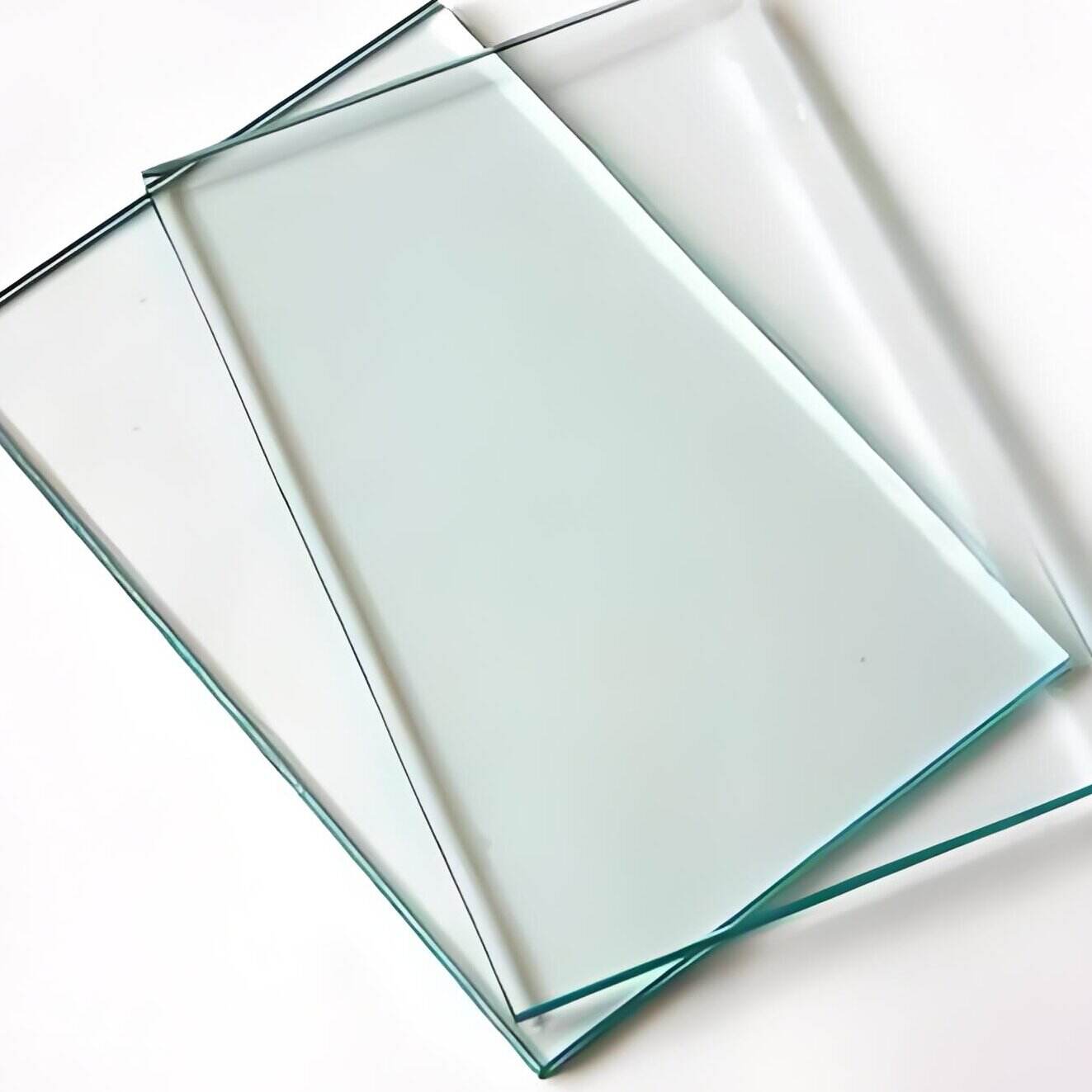
Architectural innovation constantly pushes the boundaries of what's possible with building materials, and tempered glass has emerged as one of the most versatile and customizable options for modern construction projects. This specialized glass product undergoes a unique thermal treatment process that creates exceptional strength while maintaining optical clarity, making it ideal for complex architectural applications. The customization potential of tempered glass extends far beyond basic sizing, encompassing thickness variations, edge treatments, surface modifications, and specialized coatings that meet specific design requirements.
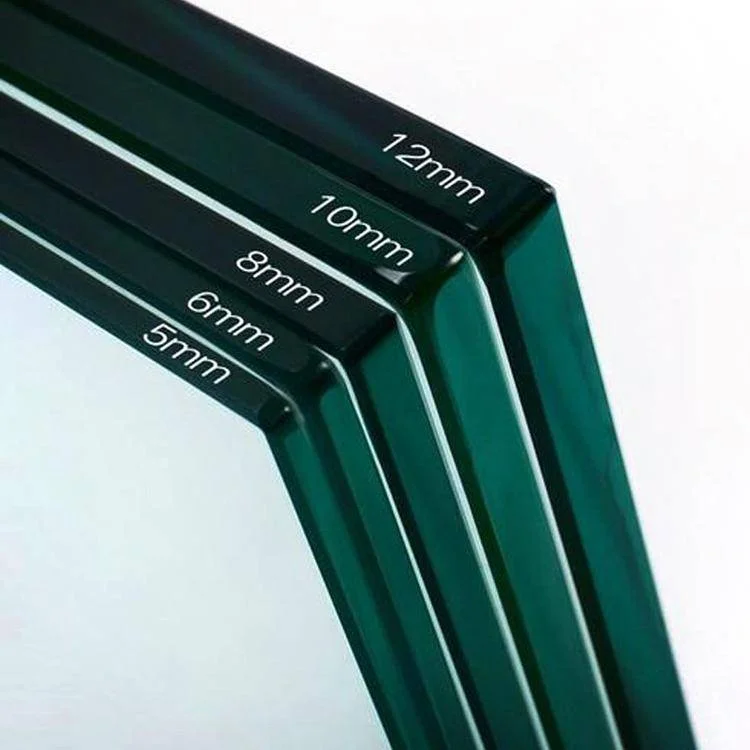
Modern architects increasingly rely on tempered glass customization to achieve their vision while meeting stringent safety and performance standards. The manufacturing process allows for precise control over various characteristics, enabling designers to create unique facades, interior partitions, and structural elements that would be impossible with conventional materials. Understanding the customization options available with tempered glass is essential for architects, contractors, and building owners who want to maximize both aesthetic appeal and functional performance in their projects.
Manufacturing Customization Capabilities
Dimensional Flexibility and Precision Cutting
The production of customized tempered glass begins with precise dimensional planning, where manufacturers can accommodate virtually any size requirement within structural limitations. Advanced cutting technology enables the creation of complex shapes, curved profiles, and intricate geometric patterns that align with specific architectural visions. The tempering process must occur after all cutting and edge work is completed, which means that every customization detail must be planned and executed before the final heat treatment stage.
Manufacturing facilities equipped with computer-controlled cutting systems can achieve remarkable precision in creating custom tempered glass panels. These systems accommodate not only standard rectangular shapes but also circles, ovals, triangular configurations, and complex polygonal designs. The ability to maintain consistent quality across custom dimensions makes tempered glass particularly valuable for large-scale architectural projects where uniformity and precision are paramount.
Thickness Variations and Structural Requirements
Customization of tempered glass thickness plays a crucial role in meeting specific structural and safety requirements for different architectural applications. Standard thickness options typically range from 3mm to 25mm, with each thickness level providing different load-bearing capabilities and thermal performance characteristics. The selection of appropriate thickness depends on factors such as wind loads, thermal expansion considerations, and local building code requirements.
Specialized applications may require even greater thickness variations, with some architectural projects utilizing tempered glass panels exceeding 30mm in thickness for maximum structural integrity. The tempering process must be carefully calibrated for each thickness to ensure uniform stress distribution and optimal strength characteristics. This customization capability allows architects to specify the exact performance parameters needed for their unique design requirements.
Surface Treatment and Aesthetic Modifications
Textural Surface Customization Options
Surface customization of tempered glass opens up extensive possibilities for creating unique visual and tactile experiences in architectural applications. Acid etching, sandblasting, and ceramic frit printing are among the most popular surface treatment methods that can be applied before the tempering process. These treatments not only enhance the aesthetic appeal but also provide functional benefits such as privacy control and glare reduction.
Advanced surface customization techniques include digital printing capabilities that can reproduce complex patterns, gradients, and even photographic images directly onto the glass surface. The integration of these custom surface treatments with the tempering process requires careful coordination to ensure that the thermal stresses are properly distributed and that the final product meets all safety standards. This level of customization allows architects to create truly unique facades and interior elements that serve as both functional building components and artistic expressions.
Color Integration and Tinting Solutions
Color customization in tempered glass manufacturing involves various approaches, from integral tinting during the glass formation process to applied coatings that provide specific color characteristics. Body-tinted tempered glass incorporates colorants directly into the glass composition, creating uniform color distribution throughout the material thickness. This approach provides excellent color stability and resistance to fading over time.
Alternative color customization methods include the application of specialized coatings and films that can be integrated with the tempering process. These solutions offer greater flexibility in achieving specific color requirements and can incorporate additional functional properties such as low-emissivity characteristics or solar control features. The ability to customize color while maintaining the safety and structural benefits of tempered glass makes it possible to achieve virtually any architectural vision.
Functional Performance Customization
Thermal and Energy Performance Modifications
Customization of tempered glass extends beyond aesthetic considerations to include specific thermal and energy performance characteristics. Low-emissivity coatings can be applied to custom tempered glass panels to enhance energy efficiency while maintaining design flexibility. These specialized coatings reflect infrared radiation while allowing visible light transmission, contributing to improved building energy performance.
The integration of thermal performance customization with tempered glass manufacturing requires careful consideration of coating compatibility with the tempering process. Some coatings must be applied after tempering, while others can withstand the high temperatures involved in the thermal treatment process. This customization capability enables architects to specify glass panels that meet both aesthetic requirements and stringent energy code compliance standards.
Safety and Security Enhancement Features
Security customization options for tempered glass include lamination processes that combine multiple glass layers with specialized interlayers for enhanced protection. While standard tempered glass provides excellent safety characteristics through its fracture pattern, laminated tempered glass offers additional security benefits by maintaining structural integrity even when damaged. This customization approach is particularly valuable for high-risk applications or areas requiring enhanced security measures.
Advanced security customizations may include the integration of alarm systems, embedded sensors, or specialized interlayers that provide bullet resistance or blast protection. The compatibility of these security features with the tempering process requires careful engineering and testing to ensure that all performance characteristics are maintained. This level of customization enables the creation of tempered glass solutions that meet the most demanding security and safety requirements.
Installation and Integration Considerations
Hardware Compatibility and Mounting Systems
Customization of tempered glass must consider the specific hardware and mounting systems that will be used for installation. Edge treatments, hole drilling for hardware attachment, and specialized mounting configurations must be completed before the tempering process. This requirement necessitates precise coordination between designers, manufacturers, and installation teams to ensure that all customization elements are properly integrated.
Modern mounting systems for custom tempered glass include structural glazing methods, point-fixed systems, and continuous support mechanisms that can accommodate various architectural configurations. The selection of appropriate mounting hardware depends on factors such as glass thickness, panel dimensions, environmental loads, and aesthetic requirements. Proper customization of both the glass and mounting systems ensures optimal performance and longevity of the installation.
Weather Sealing and Environmental Protection
Environmental customization considerations for tempered glass installations include the integration of appropriate sealing systems and weather protection measures. Custom edge treatments and gasket configurations must be designed to accommodate the specific dimensional and performance requirements of each application. The interaction between custom tempered glass panels and sealing systems requires careful attention to thermal expansion, structural movement, and weather exposure conditions.
Advanced environmental protection customization may include the integration of drainage systems, pressure equalization features, and specialized sealants that provide long-term weather resistance. These customization elements must be carefully coordinated with the overall building envelope design to ensure optimal performance and durability. The ability to customize both the glass and associated sealing systems enables the creation of weather-resistant installations that maintain their performance characteristics over extended service life.
Quality Control and Testing Standards
Customization Validation Processes
Quality control for custom tempered glass products involves comprehensive testing and validation procedures that verify all customization elements meet specified performance requirements. These processes include dimensional verification, surface quality assessment, and mechanical property testing that ensures each custom panel meets or exceeds design specifications. The complexity of custom tempered glass manufacturing requires rigorous quality control measures at every stage of the production process.
Advanced testing procedures for custom tempered glass may include thermal cycling tests, impact resistance verification, and long-term durability assessments. These comprehensive testing protocols ensure that customization modifications do not compromise the fundamental safety and performance characteristics of the tempered glass. The implementation of thorough quality control measures provides confidence that custom tempered glass products will perform reliably throughout their intended service life.
Compliance with Building Codes and Standards
Customization of tempered glass must maintain compliance with applicable building codes, safety standards, and industry regulations. This requirement involves careful documentation of all customization procedures and verification that modified products continue to meet or exceed standard performance criteria. The complexity of regulatory compliance for custom tempered glass products requires extensive knowledge of relevant standards and testing procedures.
International standards organizations provide guidelines for custom tempered glass products that address safety, performance, and quality requirements. Compliance with these standards ensures that customized products can be used confidently in commercial and residential applications worldwide. The ability to customize tempered glass while maintaining full regulatory compliance enables architects and builders to specify innovative solutions without compromising safety or code compliance.
FAQ
What are the size limitations for custom tempered glass panels?
Custom tempered glass panels can typically be manufactured up to approximately 3 meters by 6 meters, depending on thickness and specific manufacturing capabilities. The maximum size is limited by tempering equipment dimensions and handling considerations during the thermal treatment process. Larger panels may require specialized manufacturing facilities and equipment, which can affect cost and availability. It's important to consult with manufacturers early in the design process to understand size limitations for specific applications.
How does customization affect the strength properties of tempered glass?
Properly executed customization should not compromise the fundamental strength properties of tempered glass, as all modifications must be completed before the thermal tempering process. The tempering process creates uniform compressive stress throughout the glass, regardless of custom features like edge treatments or surface modifications. However, certain customization elements such as holes or notches must be carefully engineered to avoid stress concentration points that could affect overall strength performance.
Can tempered glass be customized after the tempering process is complete?
No, tempered glass cannot be cut, drilled, or otherwise mechanically modified after the tempering process is complete without destroying the tempered stress pattern and compromising safety characteristics. All customization including dimensional cutting, hole drilling, edge polishing, and surface treatments must be completed before thermal tempering. This requirement makes precise planning and specification crucial for custom tempered glass projects to ensure all design requirements are met during manufacturing.
What is the typical lead time for custom tempered glass production?
Lead times for custom tempered glass typically range from 3 to 8 weeks depending on the complexity of customization, manufacturing capacity, and project size. Simple customizations like basic sizing and standard edge treatments generally require shorter lead times, while complex surface treatments, special coatings, or unusual shapes may require extended production schedules. Planning for adequate lead time is essential for project scheduling, particularly for large-scale architectural applications where installation timing is critical.