EN
EN

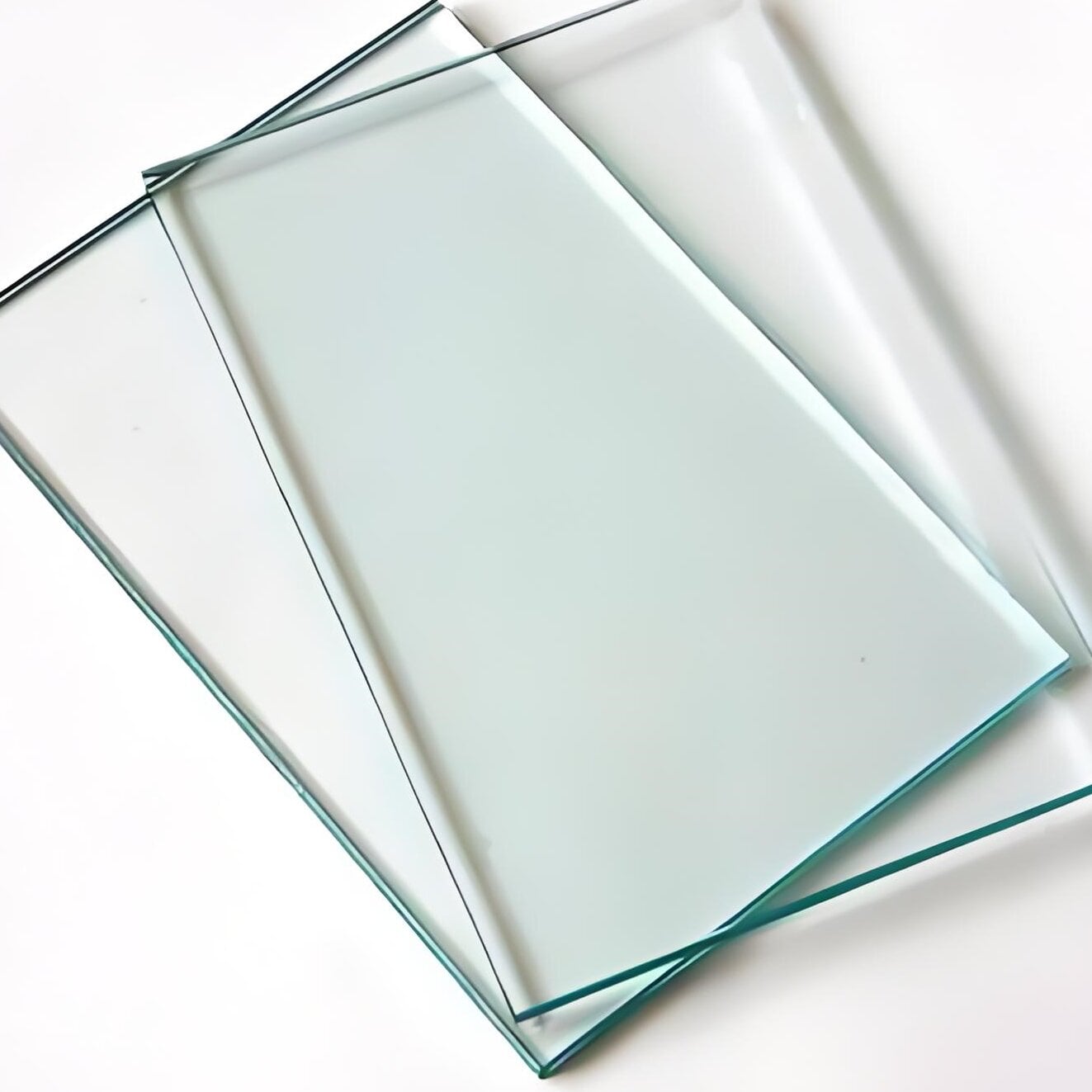
Clear glass has become the dominant material choice across virtually every industrial and commercial sector, from construction and automotive to retail and manufacturing. The widespread adoption of clear glass reflects a fundamental shift toward materials that deliver exceptional performance without premium pricing. As industries continue to prioritize efficiency and sustainability, clear glass stands out as a solution that meets rigorous technical requirements while remaining accessible to businesses of all sizes. Understanding why clear glass has achieved this prominence requires examining the convergence of practical benefits, economic factors, and evolving industry standards that make it the preferred option in countless applications.
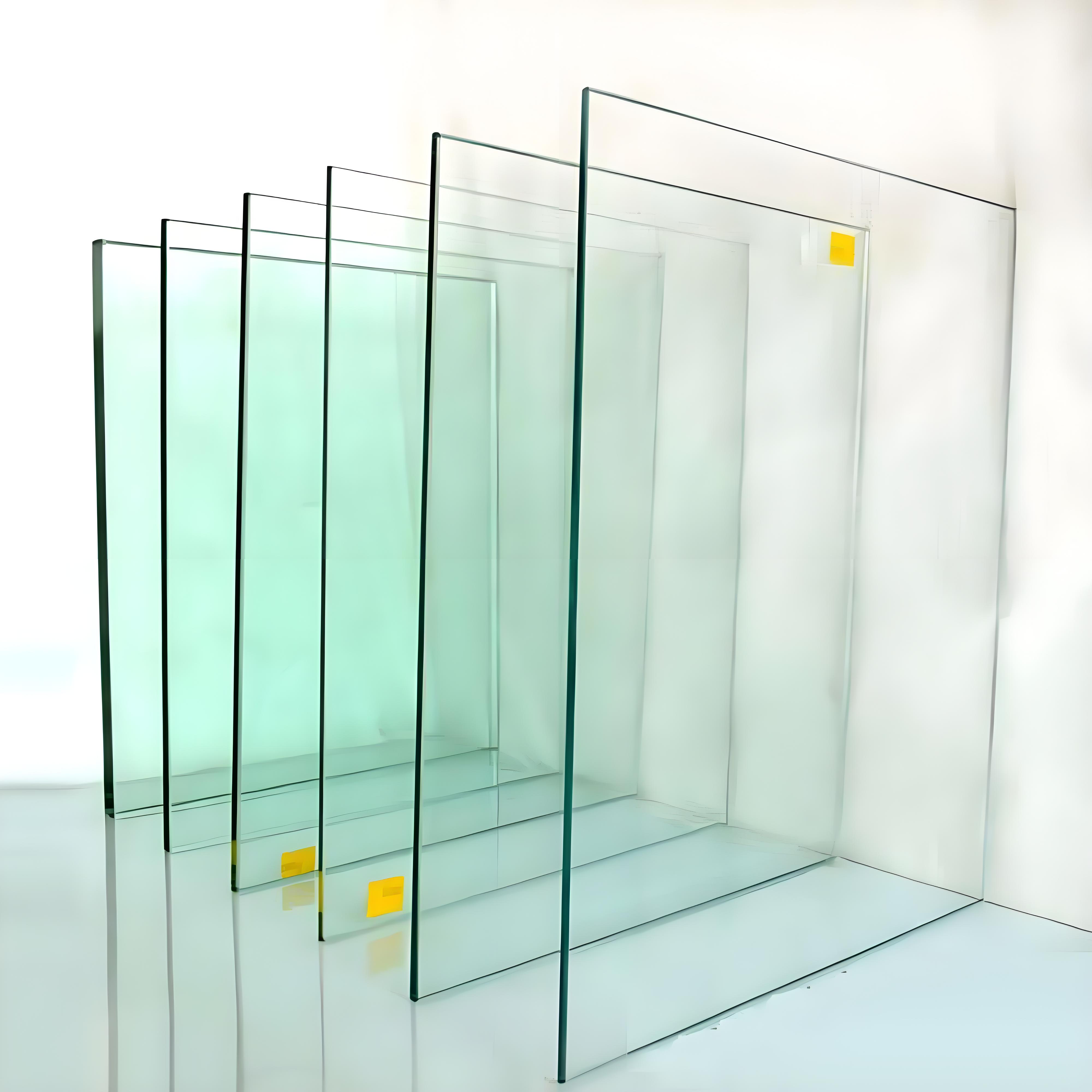
The popularity of clear glass extends beyond simple preference; it represents a strategic decision by procurement teams, architects, and engineers who recognize that clear glass delivers measurable value. When organizations evaluate their material specifications, they consistently find that clear glass offers the optimal balance between performance requirements and budget constraints. This balance has created a self-reinforcing market dynamic where widespread use drives innovation, improves supply chain efficiency, and further strengthens the economic case for clear glass adoption. The result is an ecosystem where clear glass has become the baseline standard, with alternative materials evaluated primarily on their ability to justify premium costs through specialized performance advantages.
Superior Performance and Reliability of Clear Glass
Optical Clarity and Light Transmission
Clear glass provides uncompromised optical clarity that meets the stringent requirements of modern industrial applications. The material's light transmission characteristics ensure that clear glass performs consistently across temperature ranges, humidity levels, and exposure conditions that would degrade alternative materials. Superior optical properties of clear glass make it ideal for applications requiring visual inspection, quality control monitoring, and aesthetic appeal simultaneously. Industries relying on precision manufacturing and detailed visual assessment have standardized on clear glass because it eliminates variables that could compromise production accuracy or customer experience. Whether in pharmaceutical manufacturing, food processing, or architectural applications, the reliability of clear glass optical performance creates a foundation for downstream quality assurance processes.
Structural Integrity and Longevity
Clear glass exhibits proven durability that often exceeds the operational lifetime of surrounding equipment and systems. The material's resistance to chemical degradation, UV exposure, and physical stress means that clear glass installations typically require minimal maintenance intervention. Unlike organic polymers or coated materials that may yellow, degrade, or lose properties over years of exposure, clear glass maintains its optical and structural characteristics across decades. This longevity of clear glass translates directly into lifecycle cost advantages that become increasingly apparent in applications where maintenance downtime represents a significant operational burden. Building owners, facility managers, and equipment manufacturers recognize that specifying clear glass reduces total cost of ownership by minimizing replacement cycles and maintenance demands.
Economic Advantages Driving Clear Glass Adoption
Cost-Effectiveness Across Production and Installation
The widespread availability and mature manufacturing infrastructure for clear glass create substantial cost advantages that ripple throughout the supply chain. Production economies of scale mean that clear glass carries lower per-unit material costs compared to specialized glass variants or alternative materials. Installation complexity for clear glass remains manageable because the material's properties are well understood, and installation procedures have been standardized across the industry. Cost-effective clear glass adoption accelerates further because architectural specifications and engineering standards have evolved to optimize for clear glass, reducing design complexity and associated engineering fees. When contractors, suppliers, and manufacturers consider the full installed cost of a project, clear glass consistently demonstrates superior economics compared to alternatives that may promise specialized performance but deliver marginally better outcomes at significantly higher total cost.
Supply Chain Efficiency and Availability
Clear glass manufacturers operate with streamlined supply chains refined through decades of consistent demand and standardized specifications. The broad market acceptance of clear glass means that inventory carrying costs remain low relative to specialized materials with narrower demand bases. Distribution networks for clear glass have evolved to ensure reliable availability across geographic regions and operational scales, from small businesses to multinational enterprises. This supply chain advantage ensures that clear glass procurement remains predictable, with established pricing models and delivery commitments that allow organizations to forecast costs and project timelines with confidence. Industries that depend on just-in-time manufacturing and rapid project execution benefit disproportionately from the supply chain reliability that clear glass provides compared to materials requiring specialized sourcing or extended lead times.
Industry-Specific Applications Driving Clear Glass Preference
Construction and Architectural Implementation
Architects and building designers specify clear glass for facades, interior partitions, and glazing systems where aesthetic requirements align perfectly with material capabilities. The visual integration of clear glass with modern architectural design creates market expectations that reinforce the dominance of clear glass in construction. Building codes and safety standards have evolved specifically around clear glass specifications, making alternative materials subject to additional compliance burden and engineering review. Clear glass installations in commercial real estate have become normalized across premium office towers, retail environments, and institutional facilities, creating a market norm that influences decision-making for smaller projects and alternative use cases. The established design vocabulary around clear glass means architects can implement proven strategies, reduce design risk, and achieve consistent aesthetic and performance outcomes.
Manufacturing and Industrial Operations
Clear glass serves critical functions in manufacturing environments where equipment enclosures, protective barriers, and observation windows must provide both safety and operational visibility. The ability to monitor processes visually without equipment failure requires clear glass that maintains optical properties under industrial conditions. Equipment manufacturers have standardized on clear glass specifications to simplify product design, reduce engineering complexity, and minimize customer implementation barriers. When manufacturers produce packaging equipment, laboratory instruments, diagnostic devices, or process monitoring systems, they default to clear glass because it meets performance requirements, maintains compatibility with established supply chains, and does not require customers to modify operational procedures. This standardization has created a virtuous cycle where clear glass becomes the expected material, and deviations require exceptional justification based on application-specific requirements.
FAQ
What Makes Clear Glass More Cost-Effective Than Alternatives?
Clear glass achieves cost advantages through multiple pathways including established manufacturing infrastructure, supply chain maturity, standardized installation procedures, and high-volume production that reduces per-unit costs. Alternative materials often carry premium pricing due to lower production volumes, specialized manufacturing requirements, and installation complexity that demands specialized labor or equipment. Clear glass also benefits from economies of scale because architects and engineers have optimized designs specifically around clear glass specifications, eliminating engineering premium costs associated with alternative materials. When total cost of ownership is evaluated across the material lifecycle, clear glass typically demonstrates superior economics because durability reduces replacement frequency and standardized specifications minimize change order risks and installation delays.
How Does Clear Glass Compare Regarding Environmental Sustainability?
Clear glass is manufactured from abundant natural materials and can be recycled indefinitely without property degradation, making it a sustainable choice for environmentally conscious organizations. The established recycling infrastructure for clear glass means manufacturers can incorporate recycled content efficiently, reducing virgin material demands and associated environmental impact. Unlike specialized coatings or composite materials that create end-of-life disposal challenges, clear glass integrates seamlessly into standard recycling streams. The durability and longevity of clear glass installations mean that material remains in service for extended periods before requiring replacement, further reducing cumulative environmental burden compared to materials requiring more frequent replacement or maintenance intervention.
Is Clear Glass Suitable for All Industrial Applications?
Clear glass serves the majority of applications where optical clarity, structural integrity, and cost-effectiveness are primary requirements, making it appropriate across construction, manufacturing, retail, and transportation sectors. Specialized applications requiring extreme chemical resistance, specific thermal properties, or unusual optical characteristics may benefit from alternative materials engineered for those specific demands. However, the prevalence of clear glass across industries suggests that most organizations can satisfy operational requirements using standard clear glass specifications. Evaluating application-specific needs against the performance characteristics of clear glass should precede considering alternatives, as the superior cost structure and supply chain advantages of clear glass often justify minor design modifications rather than incurring premium material costs for marginal performance improvements.