EN
EN

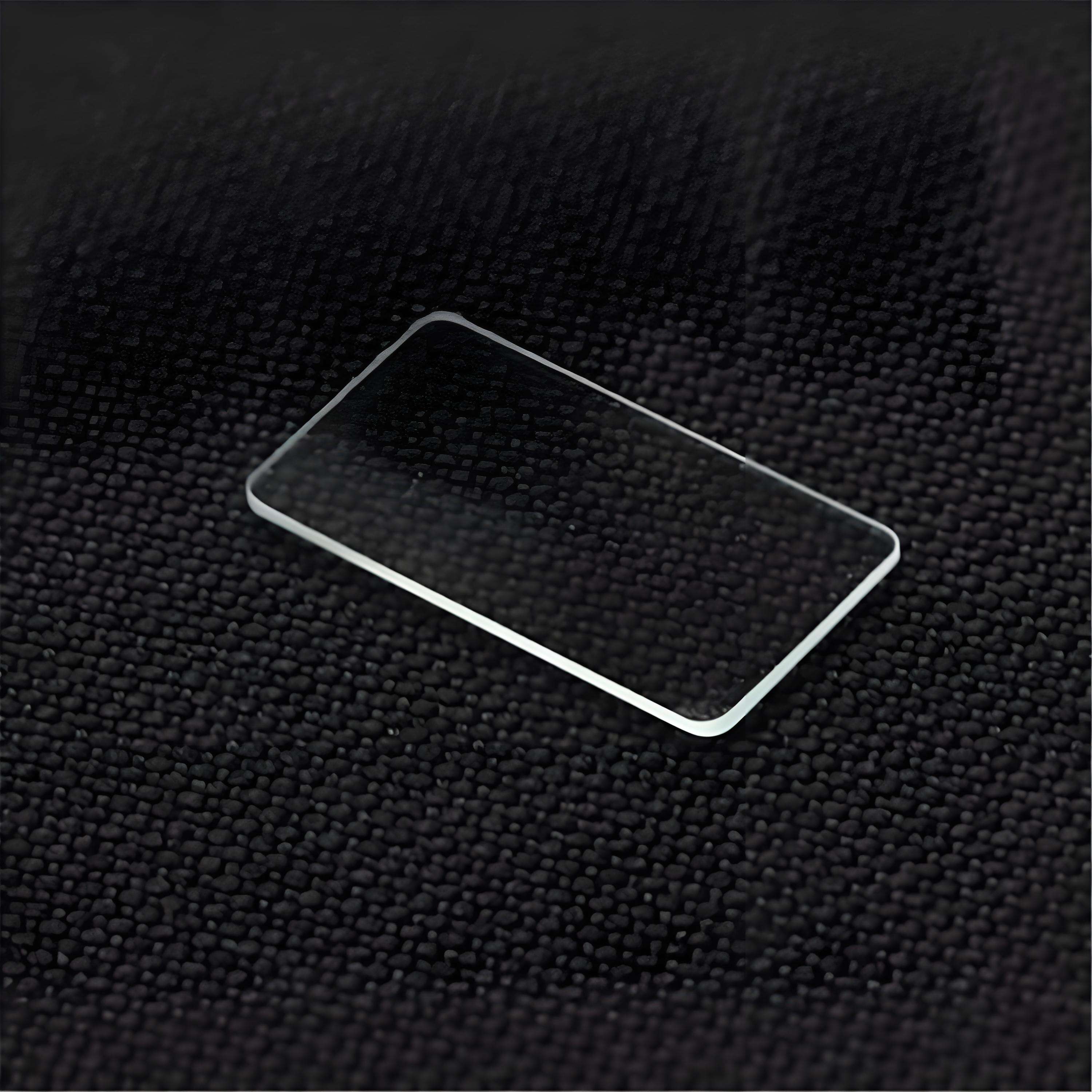
Modern sustainable building design relies heavily on maximizing natural light while minimizing energy consumption, making architectural glass a cornerstone technology in contemporary construction. This specialized glazing material serves multiple functions beyond traditional windows, offering architects and builders unprecedented control over light transmission, thermal performance, and aesthetic appeal. The integration of high-performance architectural glass systems has revolutionized how buildings interact with their environment, creating spaces that are both energy-efficient and visually striking.
The relationship between architectural glass and sustainable design extends far beyond simple transparency. Advanced glazing technologies now incorporate sophisticated coatings, multiple panes, and specialized gas fills that dramatically improve thermal insulation while maintaining optimal light transmission. These innovations enable buildings to achieve superior energy performance ratings while providing occupants with abundant natural light throughout the day. Understanding the fundamental principles behind architectural glass performance is essential for anyone involved in modern construction projects.
Understanding the Science Behind Architectural Glass Performance
Light Transmission and Solar Heat Gain Properties
The optical properties of architectural glass directly influence how much natural light enters a building and how much solar energy is absorbed or reflected. Visible light transmittance determines the amount of daylight that passes through the glazing, while solar heat gain coefficient measures how much solar radiation contributes to heating the interior space. Modern architectural glass products can be engineered with specific combinations of these properties to optimize building performance for different climatic conditions and architectural requirements.
Low-emissivity coatings applied to architectural glass surfaces significantly improve thermal performance by reflecting infrared radiation while allowing visible light to pass through unimpeded. These microscopically thin metallic or metallic oxide layers can reduce heat loss in winter and heat gain in summer, resulting in substantial energy savings for heating, ventilation, and air conditioning systems. The placement of these coatings within double or triple-glazed units further enhances their effectiveness.
Thermal Insulation and Energy Efficiency Characteristics
The insulating properties of architectural glass assemblies are measured by their U-value, which indicates the rate of heat transfer through the glazing system. Lower U-values represent better insulating performance, with modern high-performance units achieving values as low as 0.15 W/m²K through the use of multiple panes, inert gas fills, and advanced spacer technologies. These improvements in thermal performance directly translate to reduced energy consumption and improved occupant comfort.
Gas-filled cavities between glass panes play a crucial role in thermal performance, with argon and krypton being the most commonly used inert gases. These gases have lower thermal conductivity than air, reducing convective heat transfer within the glazing unit. Architectural glass manufacturers now offer units with gas retention rates exceeding 95% over the product lifetime, ensuring long-term performance reliability.
Natural Daylighting Strategies with Advanced Glazing Systems
Daylight Harvesting and Distribution Techniques
Effective daylighting design requires careful consideration of architectural glass placement, orientation, and performance characteristics to maximize natural light penetration while minimizing unwanted heat gain and glare. Strategic window sizing and positioning can redirect daylight deep into building interiors, reducing dependence on artificial lighting during daylight hours. The use of architectural glass with specific light transmission properties enables designers to fine-tune daylight levels throughout different spaces within a building.
Daylight-responsive control systems integrated with architectural glass installations can automatically adjust artificial lighting levels based on available natural light, further optimizing energy consumption. These systems use photosensors to monitor daylight levels and dim or switch off electric lights when sufficient natural illumination is available. The integration of smart architectural glass technologies that can dynamically adjust their transparency adds another layer of control over daylight management.
Glare Control and Visual Comfort Solutions
Managing glare while maintaining adequate daylight levels presents one of the most significant challenges in architectural glass design. Direct sunlight and bright sky conditions can create uncomfortable visual conditions that reduce productivity and occupant satisfaction. Specialized architectural glass products with graduated tinting, fritted patterns, or electrochromic properties provide dynamic solutions for controlling excessive brightness while preserving views and natural light access.
The positioning and design of architectural glass elements must account for seasonal sun angles and daily solar patterns to prevent uncomfortable glare conditions throughout the year. Horizontal shading devices, light shelves, and angled glazing systems work in conjunction with high-performance architectural glass to redirect and diffuse natural light more effectively. These integrated approaches create comfortable interior environments that maintain strong connections to the outdoor environment.
Environmental Impact and Sustainability Benefits
Carbon Footprint Reduction Through Energy Savings
The environmental benefits of high-performance architectural glass extend throughout the entire building lifecycle, from reduced energy consumption during operation to decreased material requirements for heating and cooling systems. Buildings incorporating advanced glazing technologies typically achieve 20-40% reductions in annual energy consumption compared to structures with conventional glazing systems. These energy savings directly translate to reduced carbon emissions and lower environmental impact over the building's operational lifetime.
Life cycle assessment studies consistently demonstrate that the environmental benefits of high-performance architectural glass far outweigh the additional energy required for manufacturing these advanced products. The payback period for the embodied energy in premium glazing systems typically ranges from 2-5 years, after which the continued energy savings provide net environmental benefits for decades. This favorable environmental profile makes architectural glass an essential component of sustainable building strategies.
Renewable Energy Integration and Net-Zero Buildings
Modern architectural glass technologies play a crucial role in enabling buildings to achieve net-zero energy performance by maximizing passive solar gains during heating seasons while minimizing cooling loads during summer months. The precise control over solar heat gain coefficients and light transmission properties allows designers to optimize building energy balance throughout the year. Integration with renewable energy systems becomes more feasible when architectural glass reduces overall energy demand.
Building-integrated photovoltaic systems can be incorporated into architectural glass assemblies, creating glazing elements that generate electricity while maintaining transparency and daylight access. These innovative products combine the benefits of natural lighting with renewable energy generation, further advancing the sustainability credentials of modern buildings. The continued development of transparent and semi-transparent photovoltaic technologies promises even greater integration possibilities in future architectural glass applications.
Installation and Design Considerations
Structural Requirements and Load Calculations
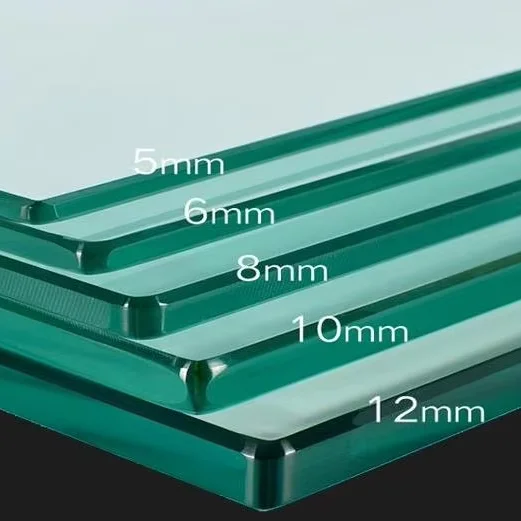
The structural design of architectural glass installations requires careful analysis of wind loads, thermal stresses, and seismic forces to ensure long-term performance and occupant safety. Glass thickness, support spacing, and connection details must be precisely calculated based on the specific environmental conditions and building geometry. Modern architectural glass products are available in a wide range of thicknesses and configurations to meet virtually any structural requirement while maintaining optimal optical and thermal performance.
Thermal movement considerations become particularly important for large architectural glass installations, as temperature variations can cause significant expansion and contraction of glazing materials. Proper design of glazing systems includes accommodation for thermal movement through flexible sealants, expansion joints, and structural connections that allow controlled movement without compromising weather sealing or structural integrity. These design considerations are essential for preventing stress-related failures and maintaining long-term performance.
Quality Control and Performance Testing
Ensuring consistent performance of architectural glass products requires comprehensive quality control measures throughout manufacturing, transportation, and installation processes. Standardized testing procedures verify optical properties, structural strength, thermal performance, and weather resistance before products leave the factory. On-site quality control measures include careful handling procedures, proper storage conditions, and systematic installation verification to maintain product integrity.
Performance monitoring systems can be integrated into architectural glass installations to track energy performance, thermal conditions, and structural behavior over time. This data provides valuable feedback for optimizing building operations and validating design assumptions. Regular maintenance and inspection protocols ensure that architectural glass systems continue to perform at design levels throughout their service life, typically spanning several decades for high-quality installations.
Future Innovations and Emerging Technologies
Smart Glass and Dynamic Glazing Systems
The future of architectural glass lies in dynamic systems that can respond automatically to changing environmental conditions and occupant requirements. Electrochromic glass technologies allow real-time adjustment of tinting levels through electrical control, optimizing daylight levels and solar heat gain throughout the day. These smart architectural glass systems can be integrated with building automation systems to create responsive facades that maximize energy efficiency while maintaining occupant comfort.
Thermochromic and photochromic architectural glass products offer passive responses to temperature and light conditions without requiring external power sources. These self-regulating glazing systems automatically adjust their properties based on environmental conditions, providing continuous optimization of building performance. The integration of nanotechnology into architectural glass manufacturing promises even more sophisticated responsive capabilities in future products.
Advanced Manufacturing Techniques and Material Innovations
Emerging manufacturing technologies are enabling the production of architectural glass with increasingly sophisticated optical and thermal properties. Digital printing techniques allow precise application of functional coatings and decorative patterns, while advanced tempering processes improve structural performance and safety characteristics. These innovations expand the design possibilities for architectural glass while maintaining the fundamental performance benefits that make these products essential for sustainable building design.
Research into new glass compositions and surface treatments continues to push the boundaries of what architectural glass can achieve in terms of energy performance, durability, and functionality. Self-cleaning coatings, anti-reflective surfaces, and enhanced thermal properties represent ongoing areas of development that will further improve the value proposition of high-performance glazing systems. The convergence of materials science and digital technology promises revolutionary advances in architectural glass capabilities.
FAQ
What makes architectural glass different from standard window glass?
Architectural glass differs from standard window glass through its engineered performance characteristics, including specialized coatings for thermal control, multiple-pane construction for enhanced insulation, and precisely controlled optical properties for optimal light transmission. These advanced features enable architectural glass to contribute significantly to building energy efficiency while providing superior occupant comfort compared to conventional glazing materials.
How does architectural glass contribute to LEED certification and green building standards?
High-performance architectural glass directly supports multiple LEED credit categories, including energy performance optimization, daylight access, and materials selection criteria. The energy savings achieved through advanced glazing systems contribute to the Energy and Atmosphere credits, while the enhanced natural lighting capabilities support Indoor Environmental Quality credits. Many architectural glass products also qualify for recycled content and regional materials credits, further supporting green building certification goals.
What maintenance requirements are associated with high-performance architectural glass systems?
Maintenance requirements for architectural glass systems are generally minimal but include regular cleaning of glass surfaces, inspection of sealants and weatherstripping, and periodic verification of gas fill retention in insulated units. Most high-quality architectural glass installations require professional maintenance every 3-5 years to ensure optimal performance, with routine cleaning being the primary ongoing requirement. Proper maintenance ensures that energy performance benefits continue throughout the product's 25-30 year expected service life.
Can architectural glass be retrofit into existing buildings for improved energy performance?
Retrofit applications of architectural glass can significantly improve the energy performance of existing buildings, though the specific approach depends on the existing window systems and structural constraints. Options range from glass-only replacement within existing frames to complete window system upgrades that maximize performance benefits. Professional evaluation is essential to determine the most cost-effective retrofit strategy and ensure compatibility with existing building systems and architectural requirements.
Table of Contents
- Understanding the Science Behind Architectural Glass Performance
- Natural Daylighting Strategies with Advanced Glazing Systems
- Environmental Impact and Sustainability Benefits
- Installation and Design Considerations
- Future Innovations and Emerging Technologies
-
FAQ
- What makes architectural glass different from standard window glass?
- How does architectural glass contribute to LEED certification and green building standards?
- What maintenance requirements are associated with high-performance architectural glass systems?
- Can architectural glass be retrofit into existing buildings for improved energy performance?