Glass Maker Equipment: Advanced Production Solutions

Get a Free Quote

Our representative will contact you soon.
Email
Name
Company Name
Message
0/1000

glass maker

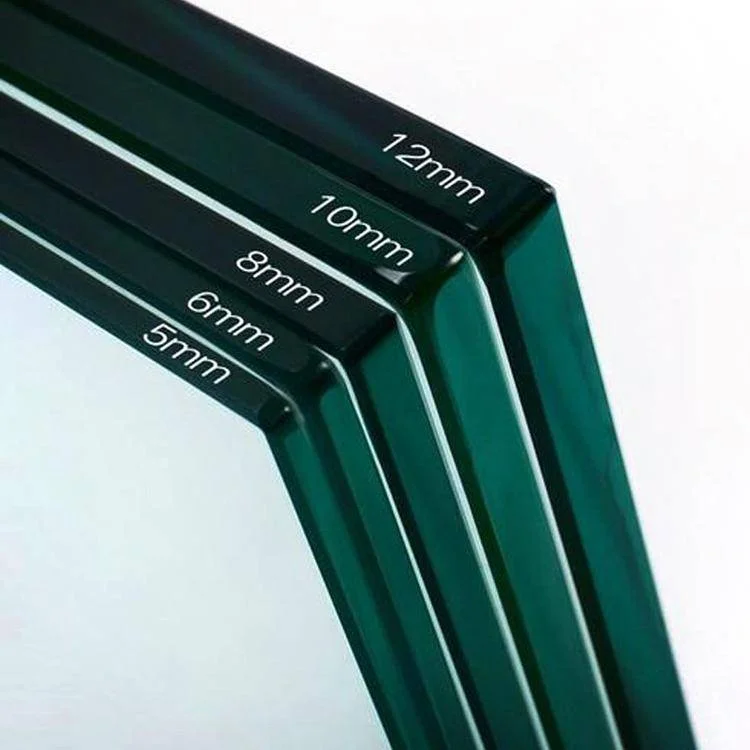
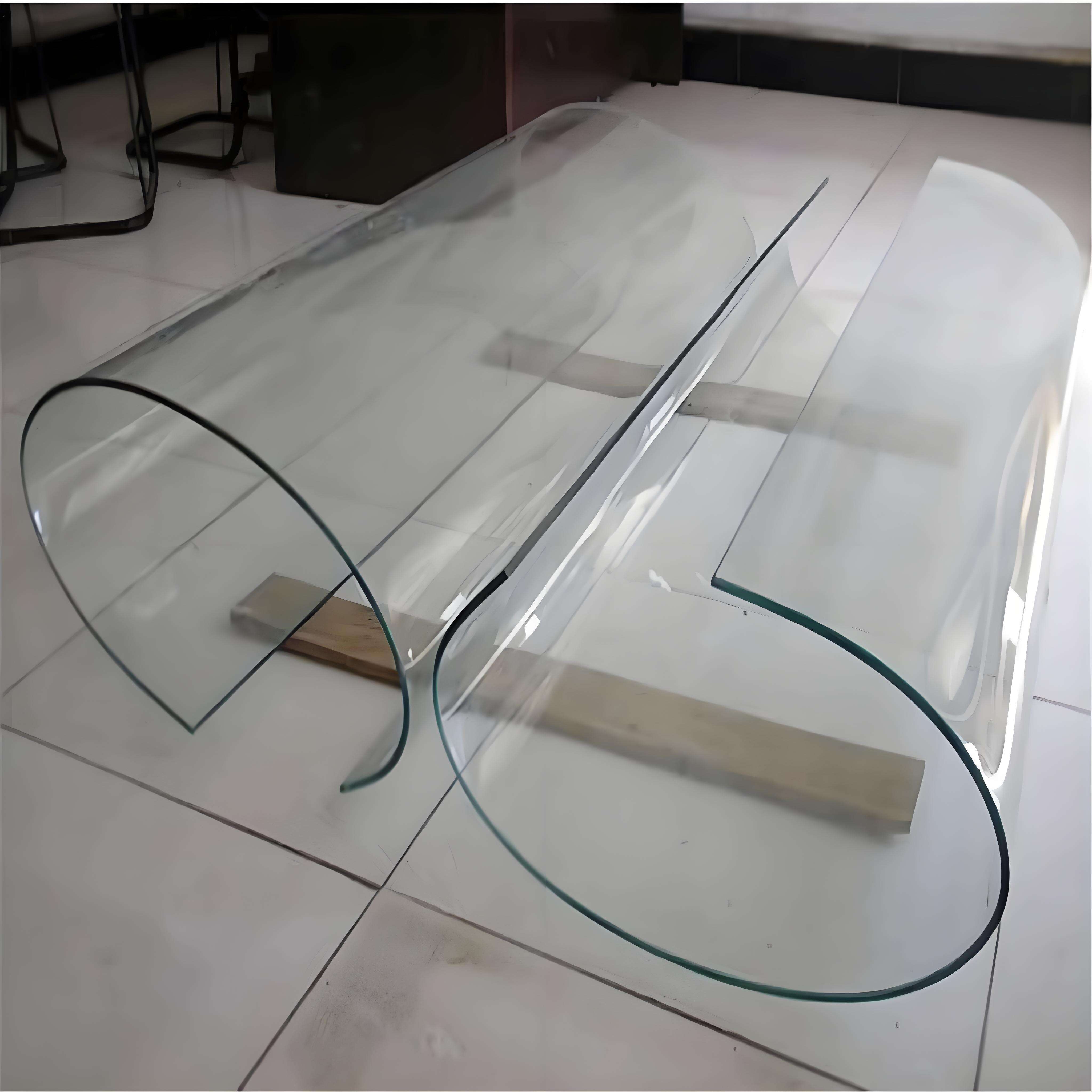
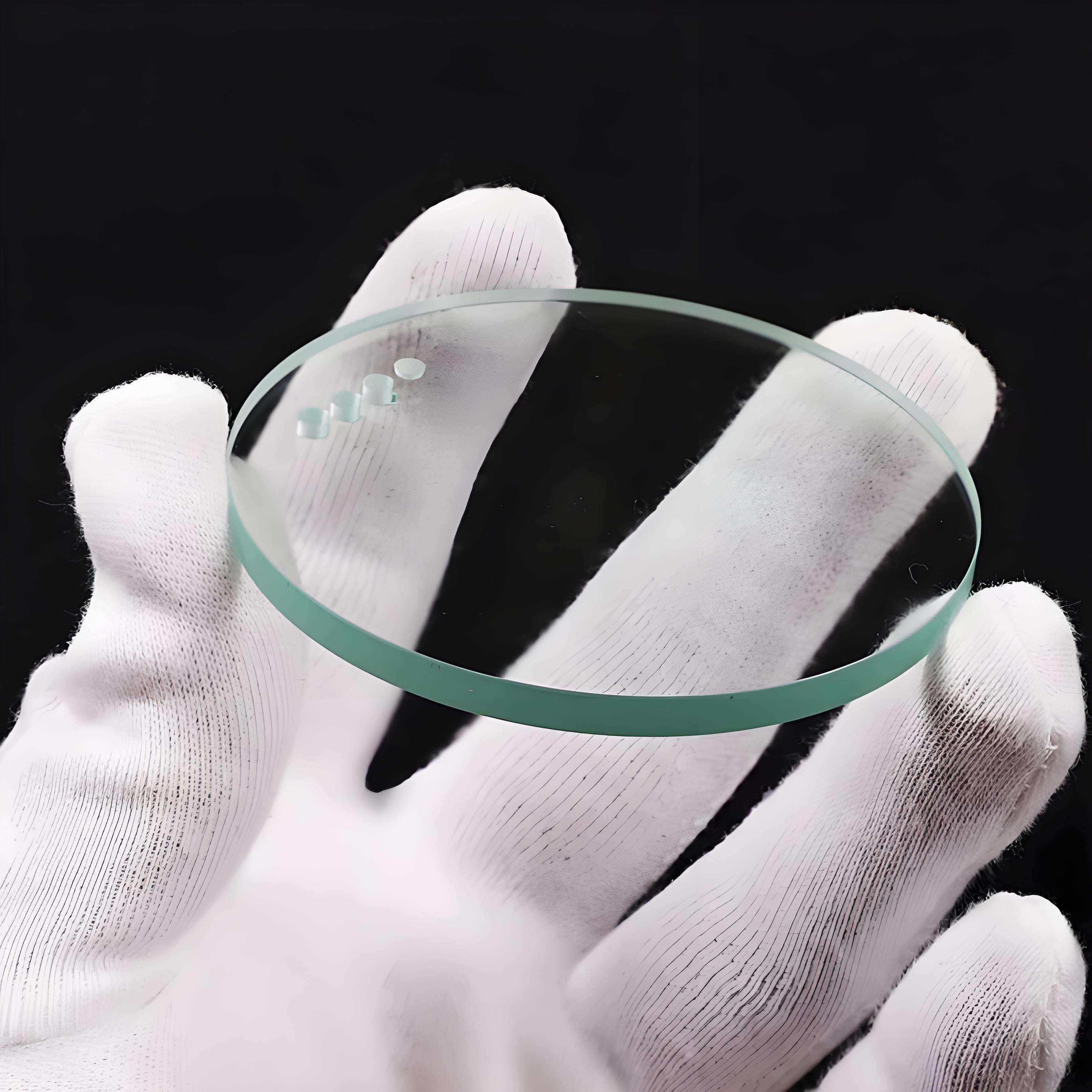
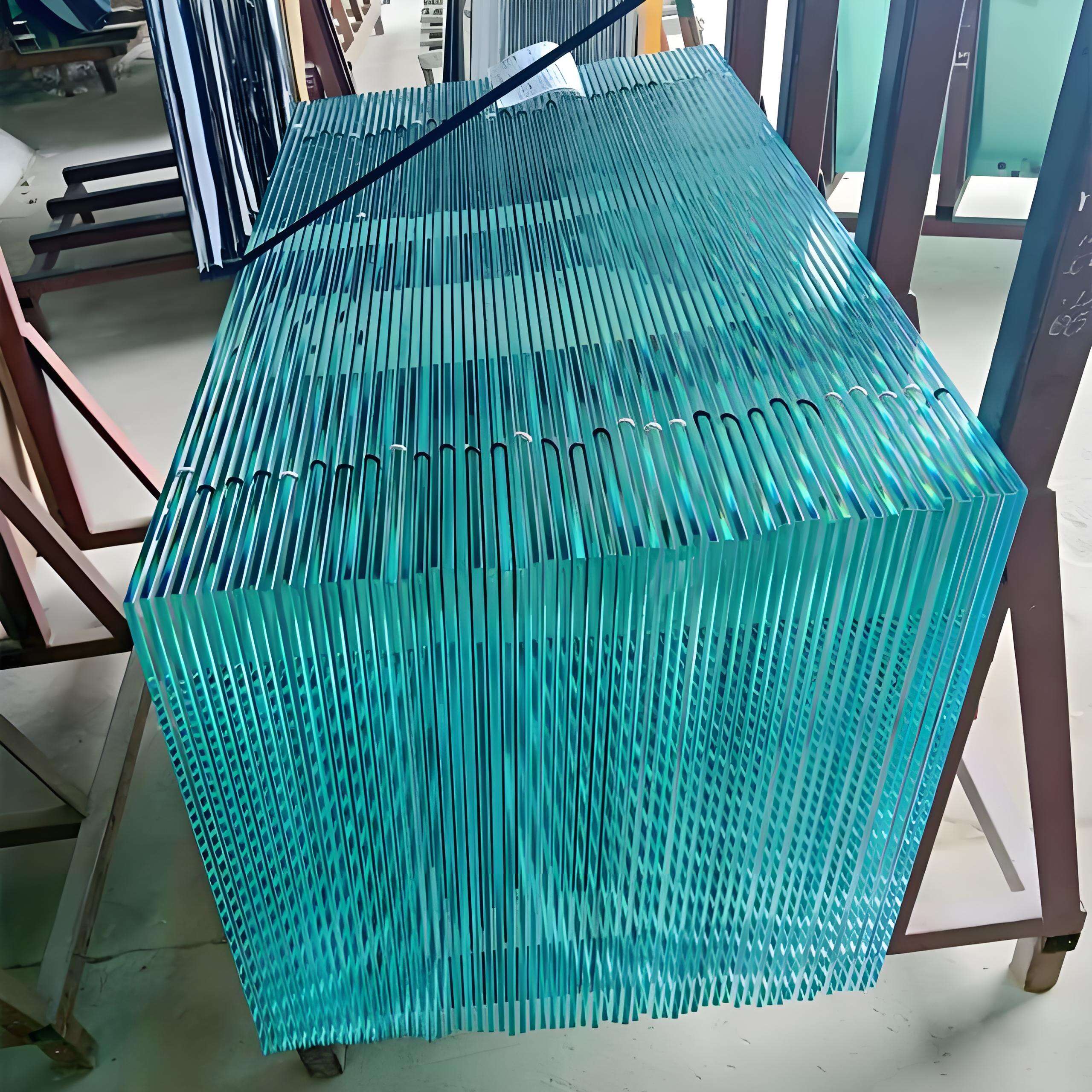
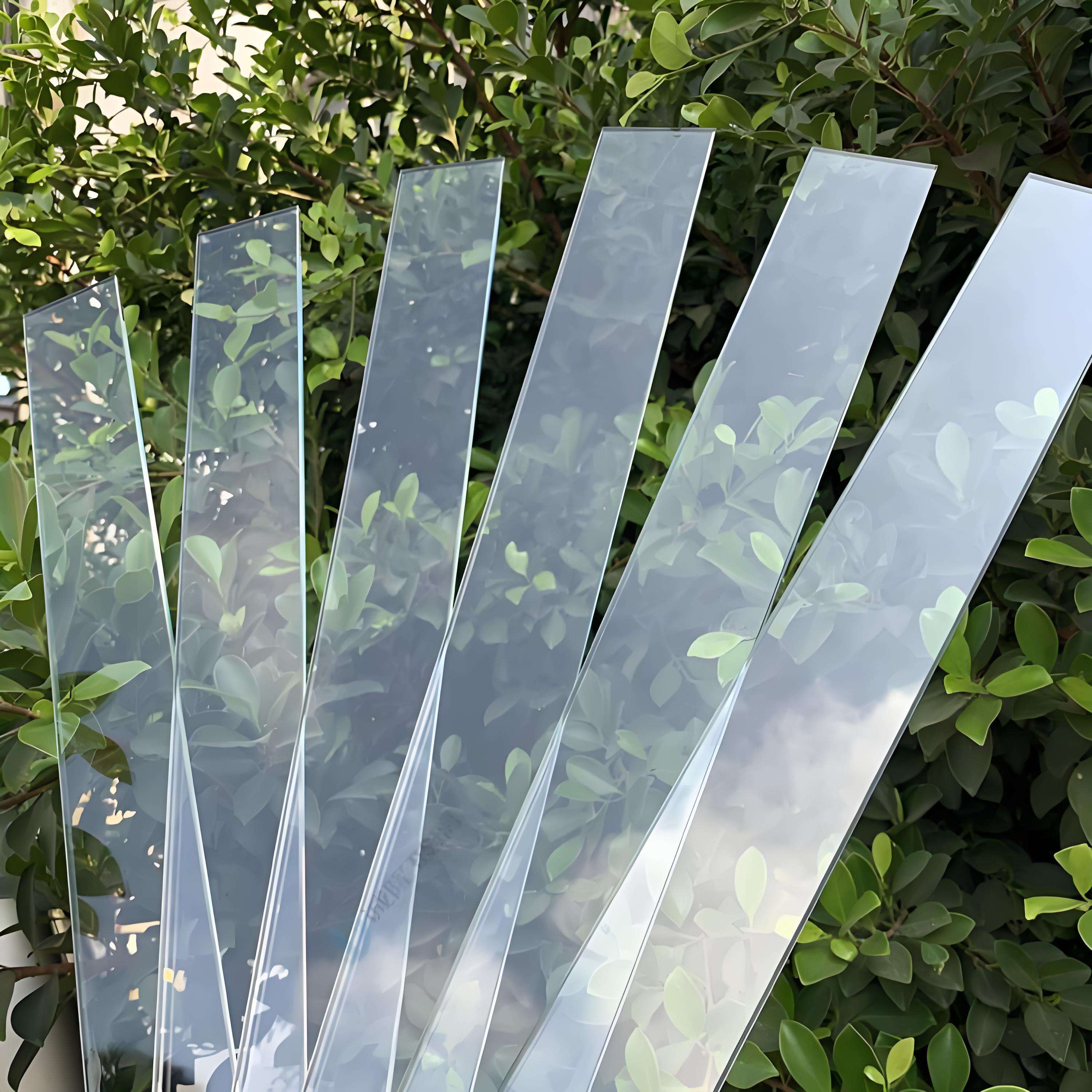
A glass maker is a specialized manufacturing machine designed to produce high-quality glass products through automated processes that combine precision engineering with advanced thermal control systems. This essential equipment transforms raw materials such as silica sand, soda ash, and limestone into refined glass through carefully controlled melting, forming, and cooling stages. Modern glass maker systems incorporate cutting-edge technology including programmable logic controllers, temperature monitoring sensors, and automated feeding mechanisms to ensure consistent product quality and operational efficiency. These machines are capable of producing various glass types ranging from flat sheets and containers to specialized optical glass and decorative items. The glass maker operates through a systematic process beginning with batch preparation, followed by melting at temperatures exceeding 1500 degrees Celsius, forming through molding or floating techniques, annealing to relieve internal stresses, and final finishing operations. Industrial glass maker equipment serves multiple sectors including construction, automotive, packaging, electronics, and art glass manufacturing. The versatility of contemporary glass maker technology allows manufacturers to adjust production parameters for different glass compositions, thicknesses, and finishing requirements. Advanced models feature energy-efficient designs that reduce fuel consumption while maintaining optimal production speeds, making them indispensable for businesses seeking to meet growing market demands for glass products across residential, commercial, and industrial applications.

New Product Releases

Investing in a professional glass maker delivers substantial operational benefits that directly impact your bottom line and production capabilities. The automated nature of modern glass maker equipment significantly reduces labor costs while eliminating human error during critical manufacturing stages, resulting in consistently superior product quality that meets strict industry standards. Energy efficiency represents another major advantage, as contemporary glass maker systems incorporate heat recovery mechanisms and optimized insulation that can reduce fuel consumption by up to thirty percent compared to older equipment, translating to considerable cost savings over time. The precision control systems integrated into glass maker machines enable manufacturers to produce glass with exact specifications regarding thickness, clarity, and strength, reducing material waste and rejection rates that typically plague manual or semi-automated processes. Production capacity increases dramatically with industrial glass maker equipment, allowing businesses to fulfill larger orders and expand market reach without proportional increases in overhead costs. The versatility of glass maker technology means a single machine can often accommodate multiple product lines through adjustable settings and interchangeable tooling, maximizing return on investment and operational flexibility. Maintenance requirements have been minimized through robust construction and accessible component design, reducing downtime and extending equipment lifespan. For businesses evaluating glass maker options, the combination of quality consistency, operational efficiency, reduced waste, lower energy costs, and scalability makes this equipment essential for competitive advantage. The ability to respond quickly to custom orders and market trends while maintaining profitability positions glass maker owners favorably in dynamic commercial environments where adaptability and reliability determine long-term success.

Practical Tips

Design Ideas: Using Decorative Glass to Elevate Entryways and Hallways

20

Jan

Design Ideas: Using Decorative Glass to Elevate Entryways and Hallways

Transform your entryways and hallways from ordinary passages into stunning architectural statements with the strategic use of decorative glass elements. Modern interior design increasingly emphasizes the importance of transitional spaces, recognizing...
View More
Why Choose Tempered Glass for Enhanced Safety and Impact Resistance?

10

Feb

Why Choose Tempered Glass for Enhanced Safety and Impact Resistance?

In today's construction and architectural landscape, safety and durability have become paramount concerns for builders, architects, and property owners alike. Among the various glazing solutions available, tempered glass stands out as a superior choi...
View More
What Are the Best Practices for Cleaning Tempered Glass Surfaces?

10

Feb

What Are the Best Practices for Cleaning Tempered Glass Surfaces?

Maintaining the pristine appearance of tempered glass surfaces requires specific cleaning techniques and materials to preserve both clarity and structural integrity. This specialized glass undergoes thermal tempering processes that create unique char...
View More
What Makes Laminated Glass the Ultimate Choice for Soundproofing in Urban Homes?

11

Mar

What Makes Laminated Glass the Ultimate Choice for Soundproofing in Urban Homes?

Urban living brings countless opportunities, but it also comes with the persistent challenge of noise pollution. From bustling traffic to construction sites and neighborhood activities, city dwellers constantly seek effective solutions to create peac...
View More

Get a Free Quote

Our representative will contact you soon.
Email
Name
Company Name
Message
0/1000

glass maker

Advanced Temperature Control Systems

Advanced Temperature Control Systems

The sophisticated temperature management capabilities of a modern glass maker represent a breakthrough in manufacturing precision and product quality assurance. These systems employ multiple temperature zones throughout the melting and forming process, each monitored by high-accuracy sensors that provide real-time feedback to computerized control units. The glass maker maintains exact thermal profiles necessary for different glass compositions, preventing defects such as seeds, bubbles, or stress fractures that compromise structural integrity. Precise temperature control during the annealing phase is particularly critical, as the glass maker gradually reduces heat according to programmed cooling curves that eliminate internal tensions which could cause spontaneous breakage. This technological sophistication allows manufacturers to produce specialty glass with specific optical, thermal, or mechanical properties tailored to demanding applications. The programmable nature of glass maker temperature systems enables operators to store recipes for different products and switch between them efficiently, minimizing setup time and reducing transition waste. Enhanced thermal efficiency through strategic insulation placement and heat recuperation systems means the glass maker consumes less energy while achieving better temperature uniformity across the working area, contributing to both environmental sustainability and operational cost reduction.
Automated Material Handling and Batch Preparation

Automated Material Handling and Batch Preparation

The integrated automation features of contemporary glass maker equipment revolutionize the raw material preparation and feeding processes that form the foundation of quality glass production. Automated batch preparation systems within the glass maker precisely weigh and blend raw materials according to stored formulations, eliminating the inconsistencies inherent in manual mixing that can affect final product characteristics. The glass maker's continuous feeding mechanisms deliver prepared batches at controlled rates matched to melting capacity, optimizing furnace efficiency and maintaining stable operating conditions. This automation reduces physical labor requirements while improving workplace safety by minimizing worker exposure to high-temperature environments and heavy material handling tasks. The glass maker's material handling systems also incorporate contamination prevention measures including enclosed conveyors and filtered air systems that protect raw materials from impurities that could create visual defects or weaken the finished glass. Real-time monitoring of material flow rates and inventory levels enables the glass maker to alert operators before supply depletion interrupts production, supporting continuous operation during extended production runs. For manufacturers processing multiple glass formulations, the glass maker's automated batching system can store numerous recipes and execute changeovers with minimal manual intervention, dramatically reducing downtime between product runs while ensuring formula accuracy.
Quality Control Integration and Output Optimization

Quality Control Integration and Output Optimization

Modern glass maker equipment incorporates comprehensive quality assurance systems that monitor production parameters and finished product characteristics throughout the manufacturing cycle. Advanced glass maker models feature inline inspection technologies including optical sensors, thickness gauges, and stress analyzers that evaluate every piece of glass produced, automatically identifying and rejecting defective items before they reach packaging stages. This continuous quality verification enables the glass maker to maintain stringent standards while operating at maximum production speeds, combining efficiency with reliability. The data collection capabilities of contemporary glass maker systems provide manufacturers with detailed production analytics including yield rates, defect patterns, energy consumption per unit, and equipment performance trends. This information supports informed decision-making regarding process optimization, preventive maintenance scheduling, and capacity planning. The glass maker's ability to automatically adjust operating parameters in response to quality feedback creates a self-optimizing production environment that consistently improves over time. Integration with enterprise management systems allows the glass maker to coordinate production scheduling with inventory management and order fulfillment workflows, creating seamless operations from raw material receipt through finished product delivery. For businesses focused on certification compliance and customer satisfaction, the documentation and traceability features built into glass maker control systems provide the evidence needed to demonstrate consistent quality and regulatory adherence across all production batches.
Glass Maker Equipment: Advanced Production Solutions

Get a Free Quote

Our representative will contact you soon.
Email
Name
Company Name
Message
0/1000