EN
EN

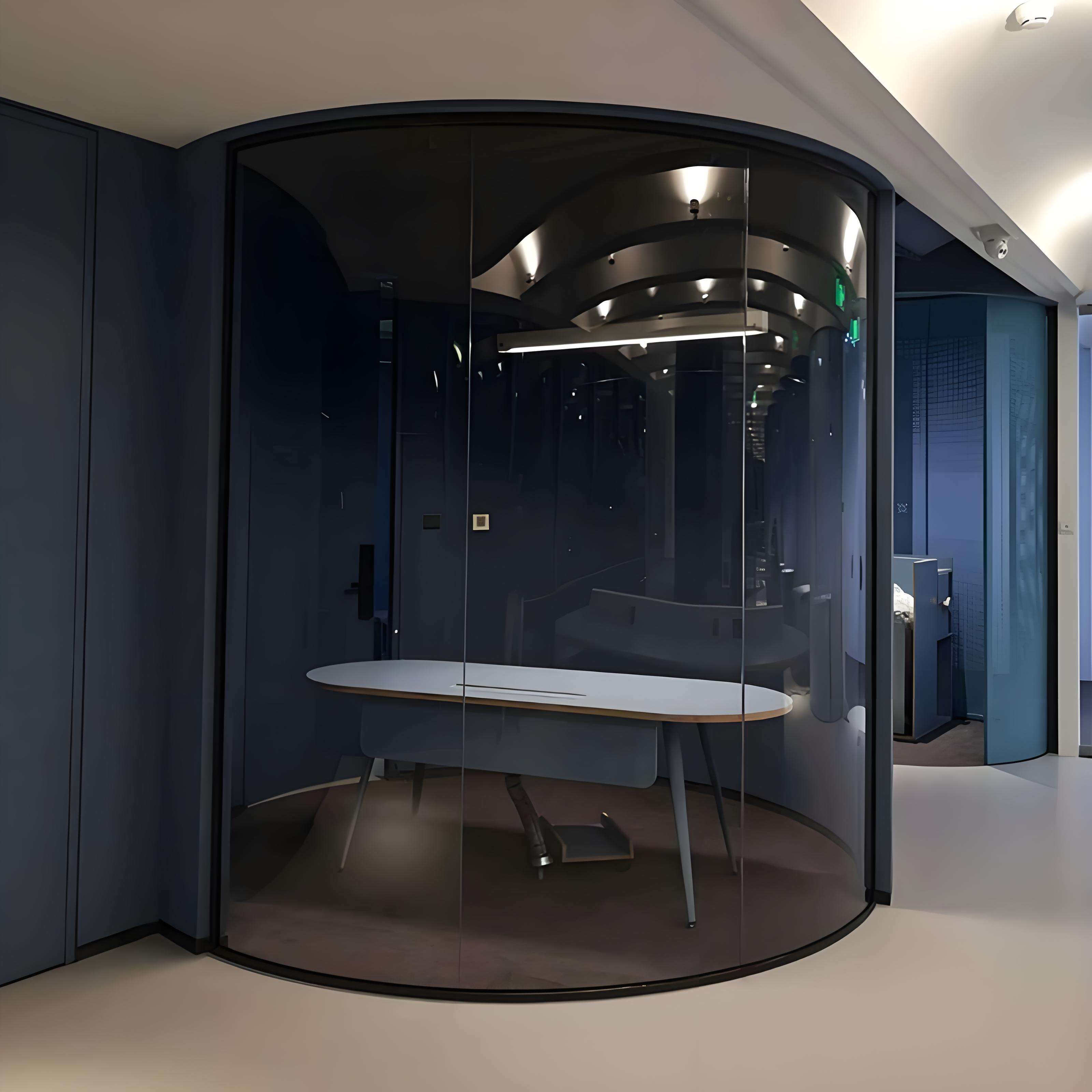
In today's construction and architectural landscape, safety and durability have become paramount concerns for builders, architects, and property owners alike. Among the various glazing solutions available, tempered glass stands out as a superior choice for applications requiring enhanced safety features and exceptional impact resistance. This specialized glass material undergoes a unique thermal treatment process that fundamentally transforms its structural properties, making it significantly stronger and safer than conventional annealed glass. Understanding the benefits and applications of tempered glass is crucial for making informed decisions in both residential and commercial projects where safety cannot be compromised.
Understanding the Manufacturing Process of Tempered Glass
Thermal Treatment and Strengthening Mechanisms
The creation of tempered glass involves a sophisticated thermal treatment process that begins with high-quality annealed glass. During manufacturing, the glass is heated to approximately 620 degrees Celsius in specialized tempering furnaces, bringing it close to its softening point. This extreme temperature ensures uniform heating throughout the glass thickness, preparing it for the critical cooling phase that defines its enhanced properties.
Once the glass reaches the optimal temperature, it undergoes rapid cooling through a process called quenching. High-pressure air jets blast the heated glass surfaces, creating differential cooling rates between the exterior and interior layers. This controlled cooling creates compressive stress on the outer surfaces while maintaining tensile stress in the core, resulting in a glass product that is four to five times stronger than standard annealed glass.
Quality Control and Standards Compliance
Modern tempered glass production facilities implement rigorous quality control measures to ensure consistent product performance. Each batch undergoes comprehensive testing protocols that evaluate stress distribution, optical clarity, and dimensional accuracy. These quality assessments guarantee that the final product meets international safety standards, including ASTM C1048 and EN 12150 specifications.
The manufacturing process also includes careful monitoring of cooling patterns to prevent stress concentrations that could compromise the glass integrity. Advanced computerized systems control temperature gradients and cooling rates, ensuring uniform stress distribution throughout each tempered glass panel. This precision manufacturing approach results in reliable performance characteristics that architects and engineers can confidently specify in their projects.
Safety Advantages and Impact Resistance Properties
Enhanced Structural Strength
The primary advantage of tempered glass lies in its exceptional structural strength and impact resistance capabilities. The internal stress pattern created during the tempering process enables this glass type to withstand significantly higher mechanical loads compared to ordinary glass. When subjected to impact forces, tempered glass can absorb and distribute energy more effectively, reducing the likelihood of catastrophic failure.
Laboratory testing demonstrates that tempered glass can withstand impact forces up to 25,000 pounds per square inch, making it an ideal choice for applications where human safety is a primary concern. This enhanced strength characteristic makes tempered glass particularly suitable for storefront windows, glass doors, shower enclosures, and architectural glazing systems where accidental impact is possible.
Safe Breakage Pattern
One of the most significant safety features of tempered glass is its unique breakage pattern when failure occurs. Unlike annealed glass that breaks into sharp, dangerous shards, tempered glass fractures into small, relatively harmless granular pieces. This characteristic breakage pattern, often described as dice-like or pebble-shaped fragments, dramatically reduces the risk of serious injury in the event of glass failure.
The safe breakage characteristic results from the internal stress distribution within the tempered glass structure. When the glass reaches its failure point, the stored energy releases uniformly throughout the panel, causing simultaneous fracturing into thousands of small pieces. This safety feature has made tempered glass mandatory in many building codes for applications such as glass doors, sidelights, and windows in hazardous locations.
Applications and Use Cases in Modern Construction
Architectural Glazing Systems
In contemporary architectural design, tempered glass plays a crucial role in creating safe and visually appealing glazing systems. Curtain walls, storefronts, and structural glazing applications frequently specify tempered glass due to its superior safety characteristics and aesthetic versatility. The material allows architects to create large expanses of transparent surfaces without compromising occupant safety or building code compliance.
Commercial buildings particularly benefit from tempered glass installations in high-traffic areas where accidental impact is more likely. Shopping centers, office buildings, and public facilities rely on tempered glass for entrance systems, interior partitions, and display windows. The enhanced durability of tempered glass also reduces maintenance costs and replacement frequency, making it an economically viable choice for building owners.
Residential Safety Applications
Residential applications of tempered glass focus primarily on areas where building codes require safety glazing. Bathroom shower enclosures represent one of the most common residential uses, where the combination of moisture, temperature changes, and potential impact creates challenging conditions for standard glass. Tempered glass performs reliably in these environments while providing the transparency and easy maintenance that homeowners desire.
Patio doors, storm doors, and windows near floor level also commonly utilize tempered glass to meet safety requirements. These installations protect residents from injury while maintaining the aesthetic benefits of clear glazing. The thermal resistance properties of tempered glass also make it suitable for applications where temperature differentials might stress conventional glass, such as fireplace screens and oven doors.
Performance Characteristics and Technical Specifications
Thermal Resistance and Temperature Tolerance
Beyond its mechanical strength advantages, tempered glass demonstrates superior thermal performance compared to annealed glass. The tempering process creates a glass structure that can withstand temperature differentials up to 250 degrees Fahrenheit without failure. This thermal resistance makes tempered glass suitable for applications involving heat exposure or rapid temperature changes.
The enhanced thermal properties result from the controlled stress distribution within the glass structure. These internal stresses actually help the glass accommodate thermal expansion and contraction more effectively than conventional glass. This characteristic makes tempered glass an excellent choice for applications such as oven doors, fireplace screens, and exterior glazing in climates with extreme temperature variations.
Optical Clarity and Surface Quality
Modern tempered glass manufacturing processes maintain excellent optical clarity while enhancing safety properties. Advanced tempering techniques minimize optical distortion that was once associated with thermally treated glass. Contemporary tempered glass products exhibit optical quality comparable to annealed glass, making them suitable for applications where visual clarity is critical.
Surface quality control during the tempering process ensures that the finished product maintains smooth, defect-free surfaces suitable for architectural applications. The rapid cooling process can create slight variations in flatness, but modern manufacturing techniques have largely eliminated these concerns. Quality tempered glass products now meet stringent architectural standards for both safety and aesthetic performance.
Installation Considerations and Best Practices
Proper Glazing Techniques
Successful tempered glass installation requires careful attention to glazing techniques that accommodate the material's unique characteristics. Unlike annealed glass, tempered glass cannot be cut or modified after the tempering process, making accurate measurements and precise fabrication essential. All holes, notches, and edge work must be completed before tempering, requiring careful coordination between glaziers and manufacturers.
Glazing compounds and sealants used with tempered glass must be compatible with the thermal expansion properties of the material. Structural glazing systems require specific attention to load distribution and thermal movement accommodation. Professional installation teams familiar with tempered glass characteristics ensure proper performance and longevity of the glazing system.
Edge Protection and Handling Requirements
The edges of tempered glass represent the most vulnerable areas of the product and require special handling and protection measures. During transportation and installation, edge protection prevents damage that could compromise the entire panel. Professional glazing contractors use specialized equipment and techniques to handle large tempered glass panels safely during installation.
Proper edge support in the glazing system distributes loads evenly and prevents stress concentrations that could lead to failure. Glazing systems for tempered glass applications must account for thermal movement while providing adequate support around the entire perimeter. These considerations ensure long-term performance and maintain the safety benefits that make tempered glass the preferred choice for demanding applications.
FAQ
What makes tempered glass stronger than regular glass?
Tempered glass gains its superior strength through a controlled thermal treatment process that creates internal stress patterns. The glass is heated to approximately 620 degrees Celsius and then rapidly cooled, creating compressive stress on the outer surfaces and tensile stress in the core. This stress distribution makes tempered glass four to five times stronger than annealed glass and gives it enhanced impact resistance properties.
Can tempered glass be cut or drilled after manufacturing?
No, tempered glass cannot be cut, drilled, or modified after the tempering process is complete. Any attempt to cut or drill tempered glass will cause the entire panel to shatter into small pieces due to the release of internal stresses. All fabrication work, including cutting to size, drilling holes, and edge polishing, must be completed before the glass undergoes the tempering treatment.
Where is tempered glass required by building codes?
Building codes typically require tempered glass in locations where human impact is likely, including glass doors, sidelights, windows within 24 inches of doors, shower and bath enclosures, and glass panels near walking surfaces. Specific requirements vary by jurisdiction, but most codes follow similar safety principles established by organizations like the International Building Code and local amendments that prioritize occupant safety in glazed areas.
How can you identify tempered glass?
Tempered glass can be identified by small etched markings in one corner that indicate the manufacturer, tempering standard compliance, and sometimes the date of production. These permanent markings are required by safety standards and help building inspectors verify proper material specification. Additionally, tempered glass may exhibit slight optical distortion when viewed at certain angles, and it produces a different sound when tapped compared to annealed glass due to its internal stress pattern.