Export Glass Solutions for Global Markets

Get a Free Quote

Our representative will contact you soon.
Email
Name
Company Name
Message
0/1000

export glass

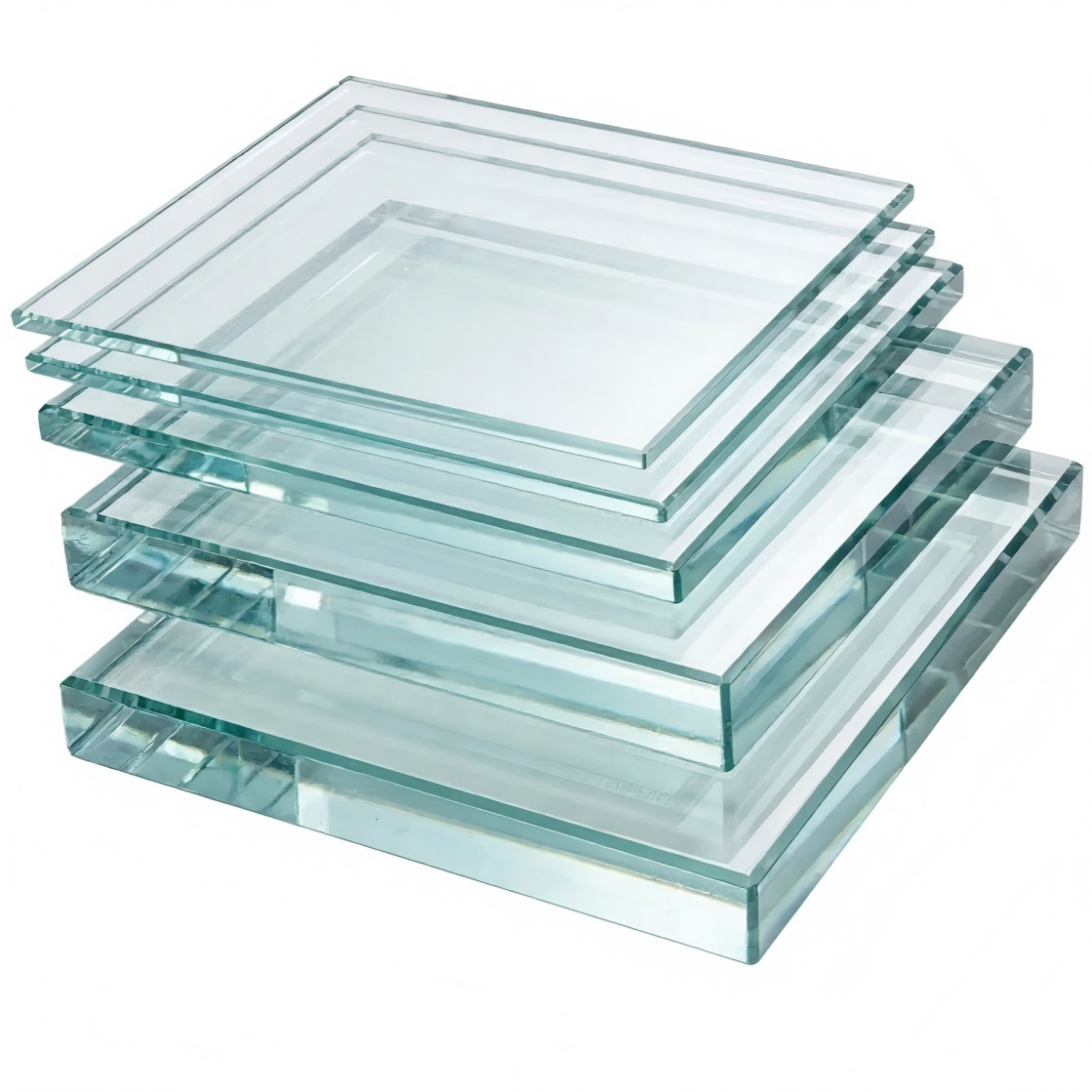
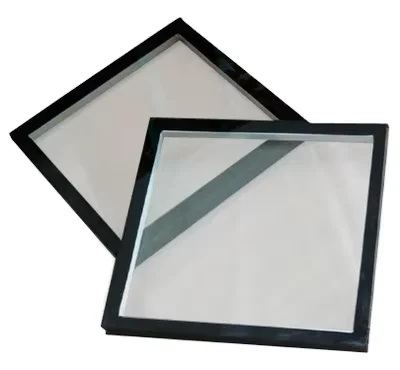
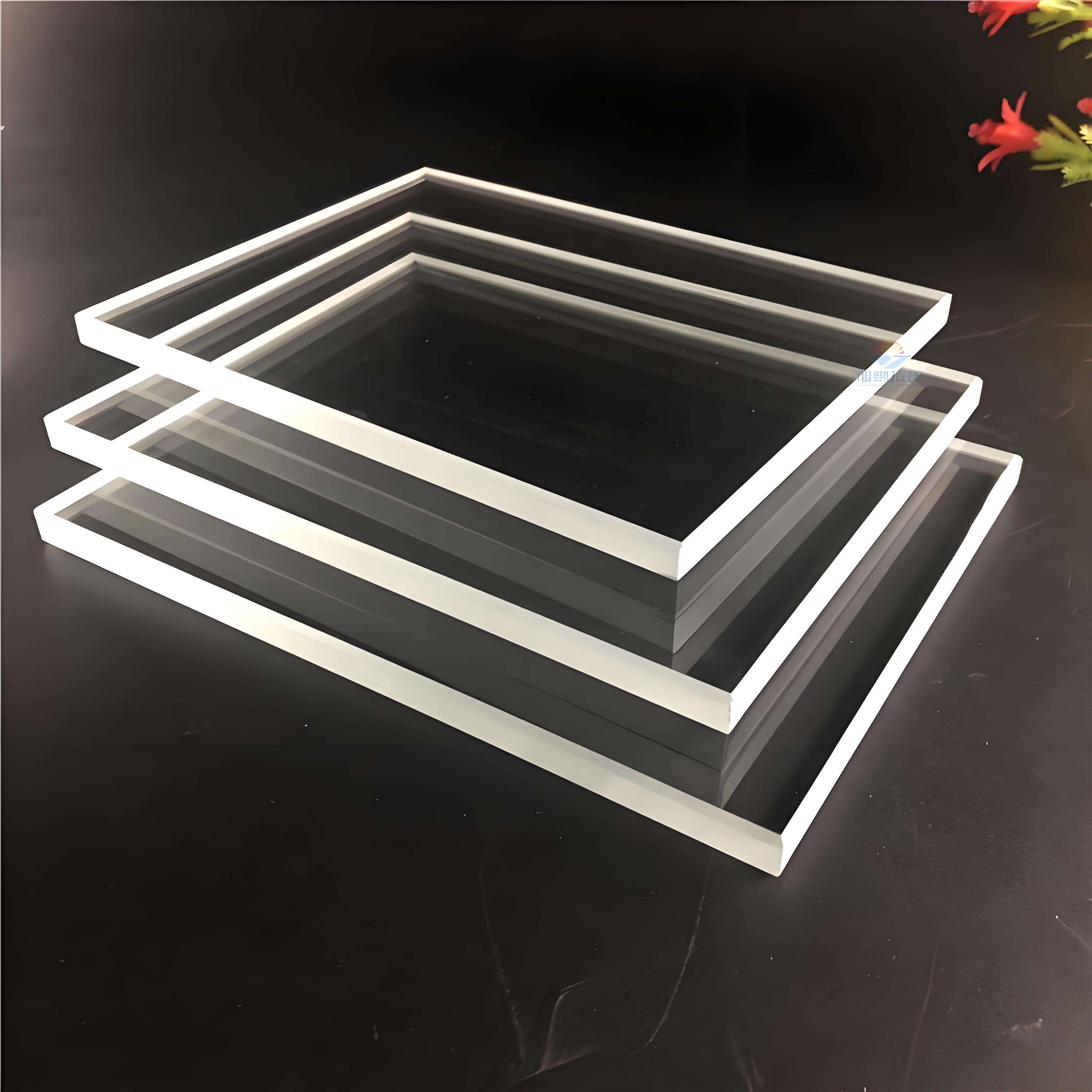
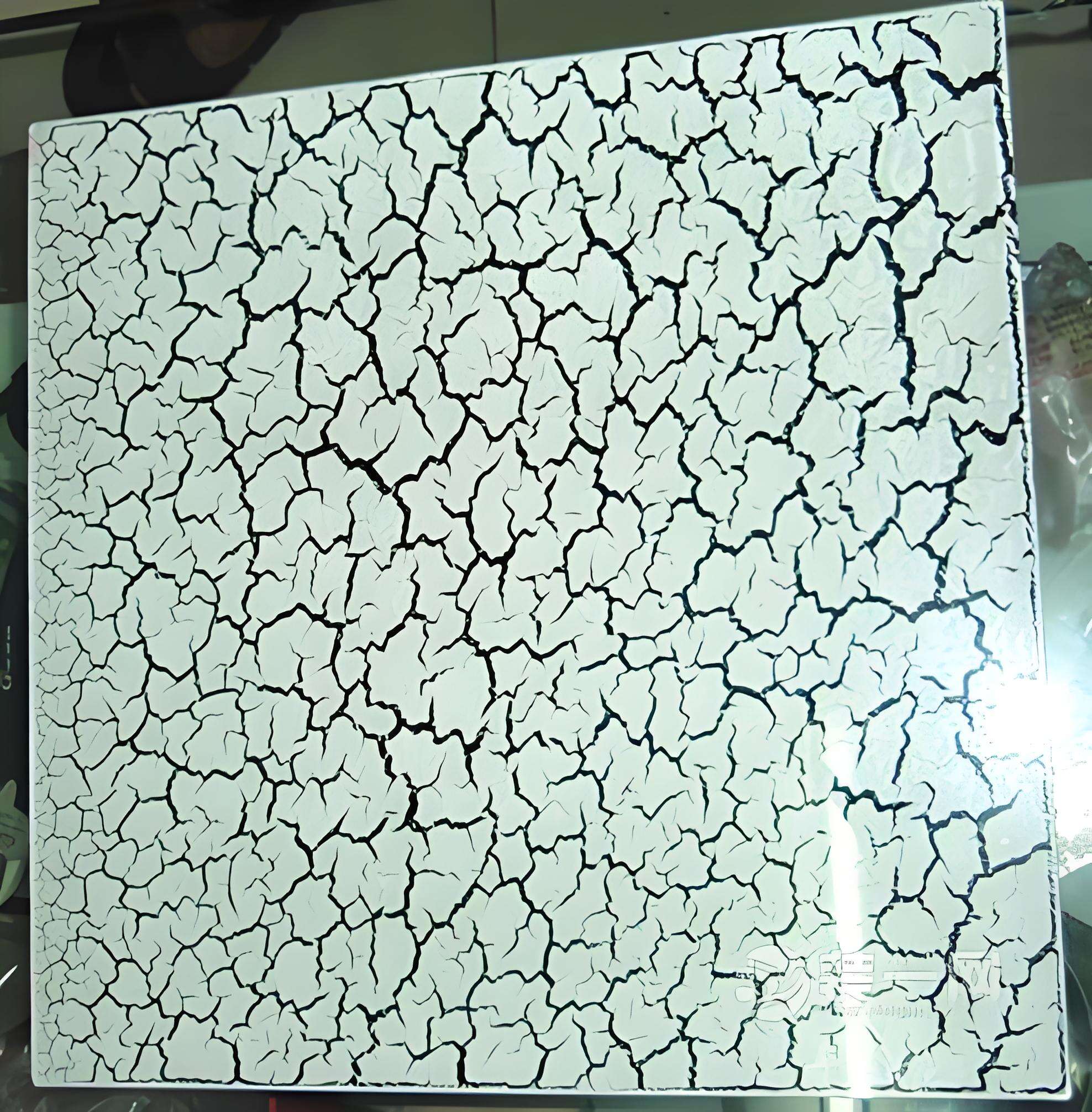
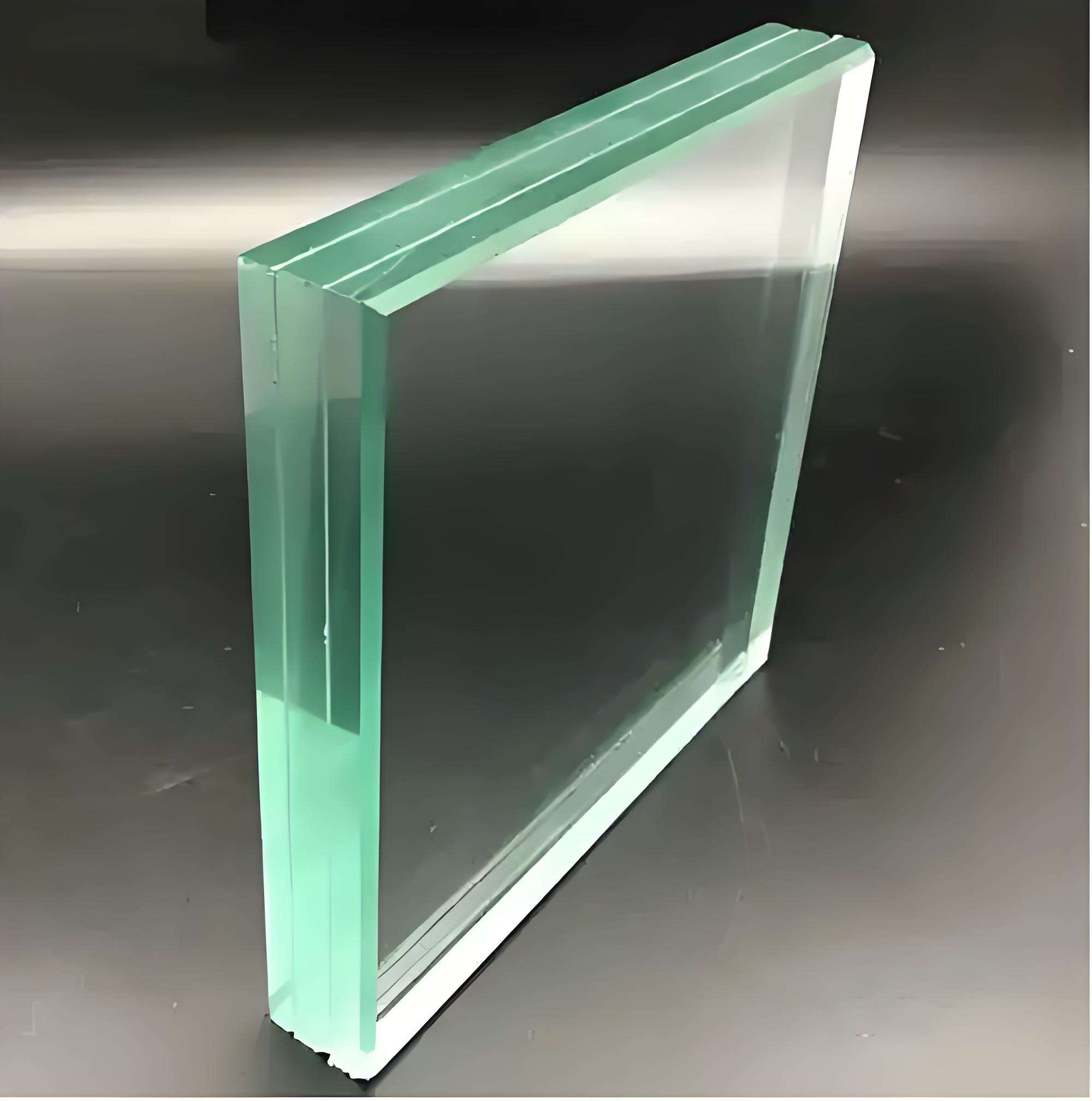
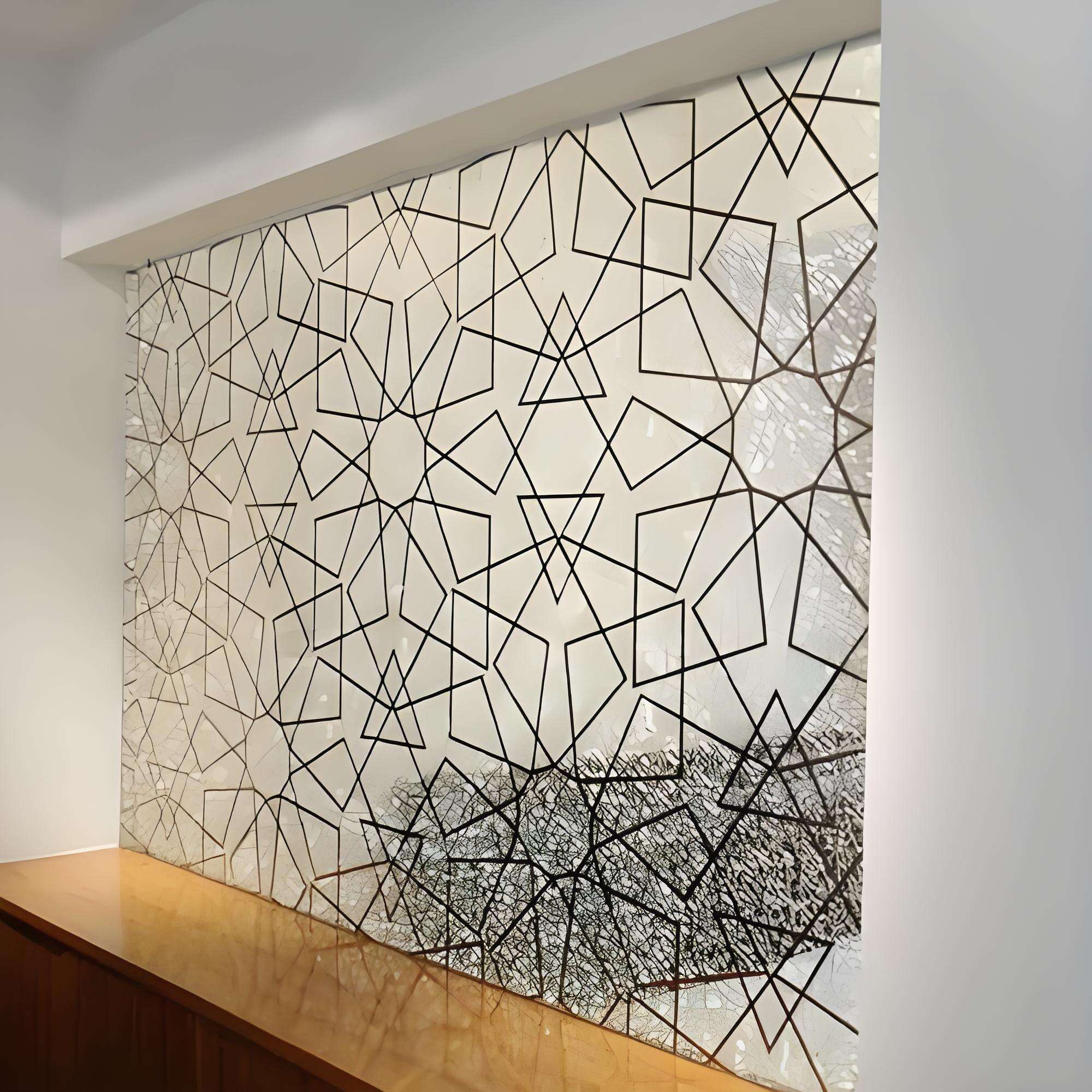
Export glass represents a specialized category of glass products manufactured specifically for international trade, meeting diverse global quality standards and regulatory requirements. This versatile material encompasses various glass types including tempered glass, laminated glass, insulated glass units, and decorative glass designed for architectural, automotive, and industrial applications worldwide. Export glass undergoes rigorous quality control processes to ensure compliance with international certifications such as CE, SGCC, and ISO standards, making it suitable for demanding markets across Europe, North America, Asia, and beyond. The main functions of export glass include providing structural integrity, thermal insulation, sound reduction, safety protection, and aesthetic enhancement in both residential and commercial projects. Technological features incorporate advanced manufacturing processes such as precision cutting, edge polishing, heat treatment, and specialized coating applications that enhance performance characteristics. Modern export glass production utilizes automated production lines, computerized quality inspection systems, and sustainable manufacturing practices to deliver consistent product quality. Applications span across curtain wall systems, window and door installations, shower enclosures, furniture components, solar panels, and automotive glazing. The adaptability of export glass allows manufacturers to customize thickness, size, color, and performance specifications according to specific market demands and project requirements, ensuring optimal functionality across varied climatic conditions and architectural designs while maintaining competitive pricing for international buyers.

New Products

Choosing export glass provides significant cost advantages through economies of scale in production and competitive international pricing structures that benefit bulk purchasers and project developers. The operational benefits include streamlined logistics support with experienced freight handling, proper packaging designed for long-distance transportation, and comprehensive documentation that facilitates smooth customs clearance across different countries. Export glass manufacturers maintain consistent quality assurance protocols that eliminate variability, reducing installation failures and warranty claims while extending product lifespan in diverse environmental conditions. The application suitability of export glass addresses multiple industry needs simultaneously, from high-rise building facades requiring wind load resistance to residential windows demanding energy efficiency and noise reduction capabilities. Buyers gain access to technical support teams familiar with international building codes, enabling proper product selection that meets local regulatory requirements without costly specification errors. The decision value becomes evident through reliable supply chains that prevent project delays, established quality certifications that satisfy insurance and compliance auditors, and flexible customization options that accommodate unique architectural visions without minimum order restrictions. Export glass suppliers typically offer comprehensive service packages including pre-shipment inspections, installation guidance, and after-sales support that minimize risk for international buyers unfamiliar with local supplier networks. The material versatility allows single-source procurement for multiple glass types within projects, simplifying vendor management and ensuring aesthetic consistency across different building elements. Furthermore, export glass benefits from continuous technological improvements in coating technologies, manufacturing precision, and environmental performance, delivering better value propositions compared to locally-produced alternatives in developing markets while maintaining price competitiveness against established regional suppliers in mature economies.

Tips And Tricks

Why Does Tempered Glass Shatter into Small Granules Instead of Sharp Shards?

11

Mar

Why Does Tempered Glass Shatter into Small Granules Instead of Sharp Shards?

When tempered glass breaks, it creates a distinctive pattern of small, cube-like fragments rather than the dangerous jagged shards associated with regular glass. This unique breaking characteristic makes tempered glass one of the most important safet...
View More
How Do You Select Between Clear and Tinted Laminated Glass for UV Protection?

11

Mar

How Do You Select Between Clear and Tinted Laminated Glass for UV Protection?

When architects and building designers face the challenge of selecting appropriate glazing solutions, the choice between clear and tinted laminated glass becomes critical for achieving optimal UV protection. Modern construction projects demand materi...
View More
What are the key benefits of using tempered glass in commercial storefronts and railings?

02

Apr

What are the key benefits of using tempered glass in commercial storefronts and railings?

Tempered glass has emerged as the preferred material choice for commercial storefronts and railings due to its exceptional combination of strength, safety, and aesthetic appeal. This specially engineered glass undergoes a controlled thermal treatment...
View More
How to select laminated glass for overhead skylights requiring fall-through protection?

02

Apr

How to select laminated glass for overhead skylights requiring fall-through protection?

Selecting the right laminated glass for overhead skylights with fall-through protection requirements demands careful consideration of multiple safety, structural, and performance factors. Unlike standard glazing applications, overhead installations p...
View More

Get a Free Quote

Our representative will contact you soon.
Email
Name
Company Name
Message
0/1000

export glass

International Quality Certification Compliance

International Quality Certification Compliance

Export glass distinguishes itself through comprehensive compliance with multiple international quality certifications and safety standards that facilitate seamless market entry across different regulatory environments. Manufacturers of export glass invest substantially in testing facilities and certification processes to obtain approvals from European CE marking authorities, American SGCC standards, Australian AS/NZS requirements, and various national building code certifications. This multi-certification approach eliminates the need for buyers to conduct separate verification processes or face product rejection at customs, significantly reducing import risks and associated costs. The rigorous testing protocols ensure that export glass meets or exceeds performance benchmarks for impact resistance, thermal stress tolerance, load-bearing capacity, and safety characteristics under various installation scenarios. Third-party verification through internationally recognized testing laboratories provides documentary evidence that satisfies insurance requirements, architect specifications, and government procurement standards. This certification advantage particularly benefits contractors and developers working across multiple international markets, as they can standardize their glass specifications using certified export glass rather than sourcing different products for each regional project, thereby streamlining procurement logistics and reducing inventory complexity while maintaining consistent quality outcomes.
Advanced Packaging and Global Logistics Support

Advanced Packaging and Global Logistics Support

Export glass incorporates specialized packaging engineering designed specifically for international maritime and overland transportation challenges that standard domestic glass products cannot withstand. Manufacturers utilize moisture-resistant interlayers, reinforced wooden crates with shock-absorbing materials, and corner protection systems that prevent edge damage during container loading, ocean transit, and final delivery to project sites. This advanced packaging reduces breakage rates to below two percent compared to industry averages of five to eight percent for inadequately packaged glass shipments, directly translating into cost savings and project timeline certainty for international buyers. Export glass suppliers maintain established relationships with freight forwarders experienced in fragile cargo handling, providing door-to-door logistics coordination that includes proper container selection, optimal load distribution, and climate-controlled storage options for sensitive coated glass products. The comprehensive logistics support extends to complete export documentation preparation including commercial invoices, packing lists, certificates of origin, and quality inspection reports formatted according to destination country requirements. Insurance coverage options specifically designed for export glass shipments protect buyers against transit risks while competitive freight consolidation services reduce per-unit transportation costs. This end-to-end logistics capability particularly advantages buyers in remote markets or those without established glass import experience, as suppliers manage the entire supply chain complexity.
Customization Flexibility for Diverse Market Requirements

Customization Flexibility for Diverse Market Requirements

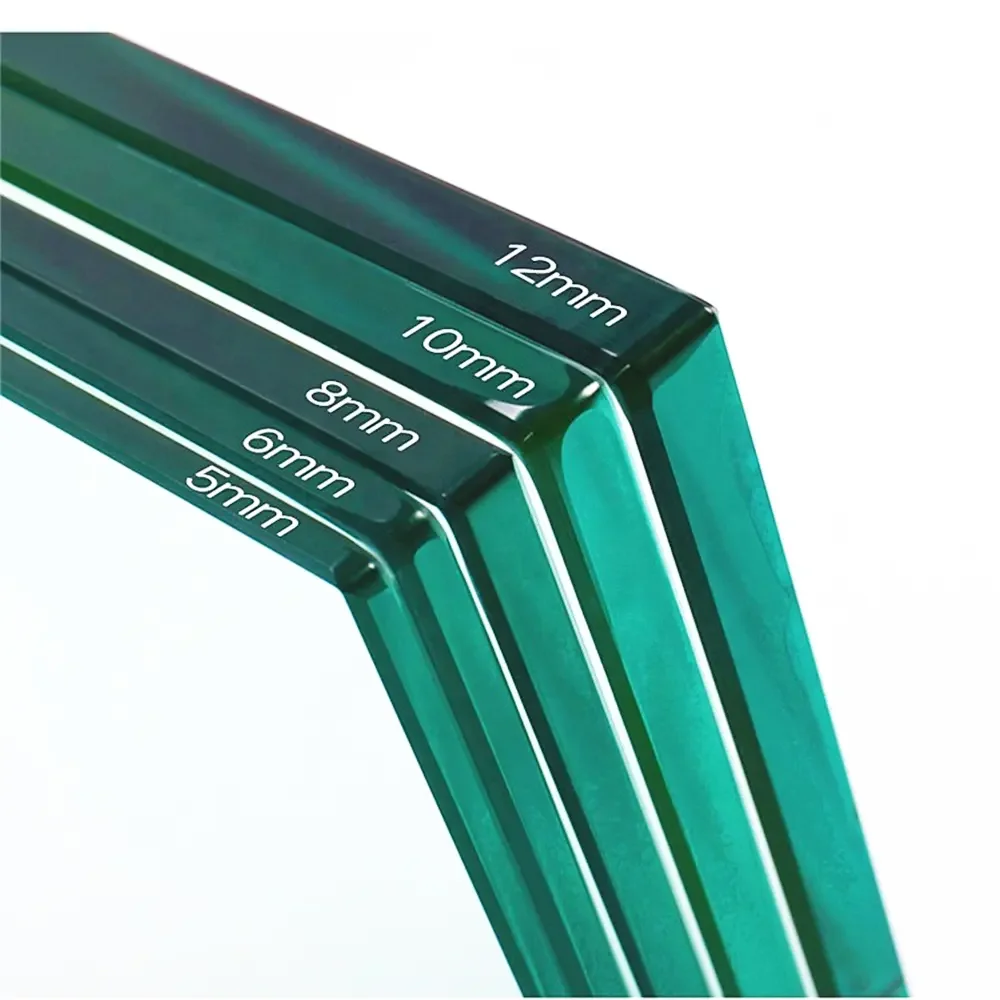
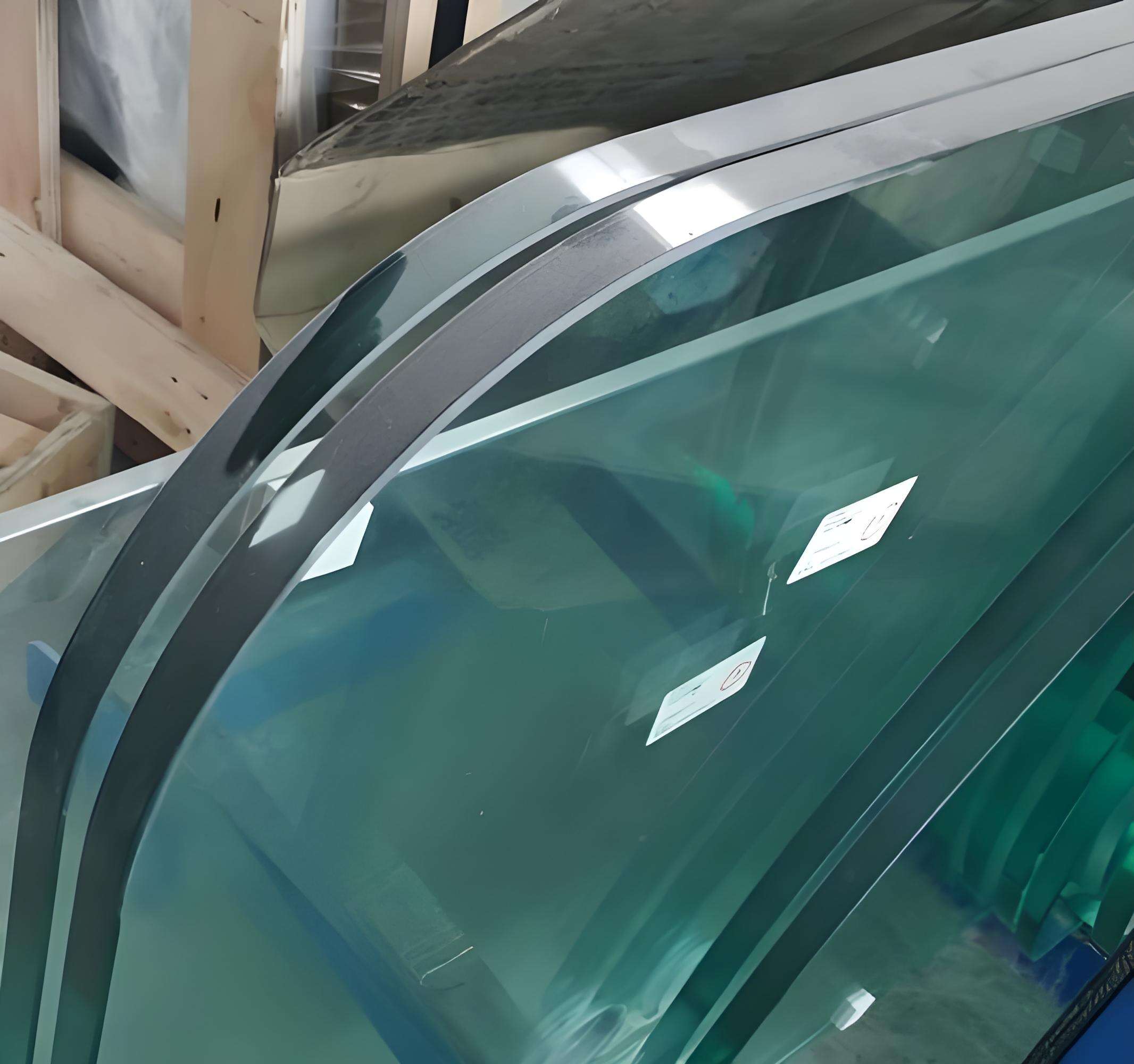
Export glass offers exceptional customization capabilities that accommodate the diverse architectural preferences, climatic requirements, and regulatory specifications characteristic of different global markets. Manufacturers maintain flexible production systems capable of processing various glass thicknesses from three millimeters to twenty-five millimeters, dimensions up to jumbo sizes exceeding three meters by six meters, and specialty shapes including curved, drilled, and notched configurations without prohibitive minimum order quantities. This customization extends to performance characteristics through selective coating applications such as low-emissivity films for energy efficiency in cold climates, solar control tints for heat reduction in tropical regions, and self-cleaning hydrophobic treatments for maintenance reduction in high-rise applications. Color customization options encompass clear, tinted, frosted, and patterned varieties that satisfy aesthetic requirements across contemporary, traditional, and culturally-specific architectural styles. Export glass producers provide technical consultation services that help buyers optimize specifications for their specific applications, balancing performance requirements against budget constraints while ensuring compliance with local energy codes and safety regulations. The ability to consolidate multiple glass types within single shipments enables project efficiency, as developers can source curtain wall panels, interior partitions, and decorative elements from one supplier, ensuring color consistency and simplifying quality control processes across comprehensive building projects.
Export Glass Solutions for Global Markets

Get a Free Quote

Our representative will contact you soon.
Email
Name
Company Name
Message
0/1000