EN
EN

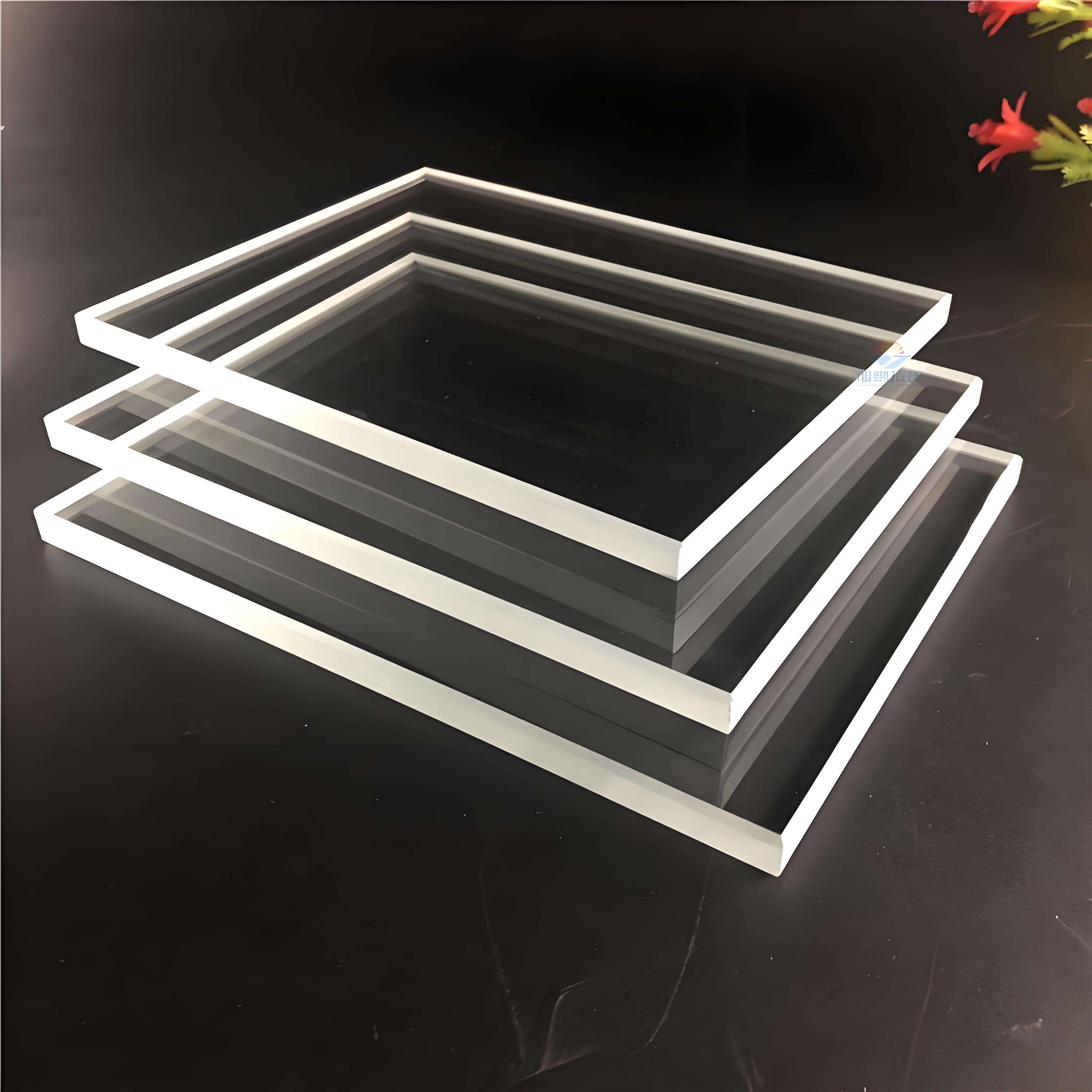
When architects and building designers face the challenge of selecting appropriate glazing solutions, the choice between clear and tinted laminated glass becomes critical for achieving optimal UV protection. Modern construction projects demand materials that not only provide structural integrity but also safeguard occupants from harmful ultraviolet radiation while maintaining aesthetic appeal and energy efficiency. The selection process involves careful consideration of multiple factors including light transmission requirements, thermal performance characteristics, and specific environmental conditions that will impact the building's long-term performance and occupant comfort.
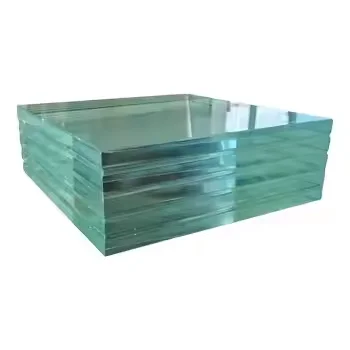
Understanding the fundamental differences between clear and tinted variations of laminated glass helps professionals make informed decisions that balance functionality with design requirements. Each type offers distinct advantages depending on the intended application, building orientation, and regional climate conditions. The selection process requires thorough analysis of performance specifications, cost considerations, and compliance with local building codes to ensure optimal results.
Understanding Laminated Glass UV Protection Fundamentals
Basic UV Filtration Properties
Laminated glass inherently provides significant UV protection through its polyvinyl butyral (PVB) interlayer, which naturally blocks approximately 99% of harmful UV-A and UV-B radiation regardless of whether the glass is clear or tinted. This protective characteristic stems from the molecular structure of the PVB material, which absorbs ultraviolet wavelengths while allowing visible light to pass through. The interlayer acts as a permanent filter that maintains its protective properties throughout the glass unit's operational lifespan without degradation or reduction in effectiveness.
The UV protection offered by laminated glass extends beyond simple radiation blocking to include prevention of interior fading, protection of furnishings and artwork, and reduction of skin exposure risks for building occupants. This comprehensive protection makes laminated glass an essential component in applications where long-term preservation of interior elements is crucial, such as museums, retail spaces, and residential environments with valuable furnishings.
Comparative Analysis of Protection Levels
While both clear and tinted laminated glass provide excellent UV protection, tinted versions offer additional benefits in terms of heat reduction and glare control. The tinting process involves adding metallic oxides or other colorants to the glass during manufacturing, creating variations in light transmission and thermal performance while maintaining the UV blocking properties of the PVB interlayer. These enhancements make tinted options particularly valuable in climates with intense solar exposure.
The effectiveness of UV protection in both types can be measured through standardized testing procedures that evaluate transmission rates across different wavelength ranges. These measurements help specifiers determine which option best meets project requirements while ensuring compliance with relevant performance standards and building codes.
Clear Laminated Glass Characteristics and Applications
Optical Clarity and Light Transmission Benefits
Clear laminated glass maximizes natural light penetration while maintaining excellent UV protection, making it ideal for applications where brightness and visual clarity are paramount. The unobstructed light transmission allows architects to design spaces that feel open and connected to the exterior environment without compromising occupant safety from harmful radiation. This characteristic proves particularly valuable in educational facilities, healthcare environments, and commercial spaces where natural illumination contributes to productivity and well-being.
The color neutrality of clear laminated glass ensures that interior and exterior views remain true to their natural appearance without the color shifting that can occur with some tinted alternatives. This optical fidelity becomes especially important in retail applications where accurate color perception affects purchasing decisions, or in residential settings where homeowners value unaltered views of landscaping and surrounding environments.
Thermal Performance Considerations
Clear laminated glass allows maximum solar heat gain, which can be advantageous in cooler climates where passive solar heating reduces energy consumption during winter months. However, this same characteristic may present challenges in warmer regions where excessive heat gain increases cooling loads and energy costs. The thermal behavior of clear laminated glass must be carefully evaluated in relation to building orientation, surrounding shade conditions, and local climate patterns to optimize overall energy performance.
Advanced coating technologies can be applied to clear laminated glass to modify thermal performance while preserving optical clarity. Low-emissivity coatings and spectrally selective films allow designers to fine-tune the balance between light transmission and heat control, creating customized solutions that address specific project requirements without sacrificing the fundamental benefits of clear glass.
Tinted Laminated Glass Advantages and Performance
Enhanced Heat Rejection Properties
Tinted laminated glass provides superior heat rejection compared to clear alternatives, significantly reducing solar heat gain and helping maintain comfortable interior temperatures while preserving excellent UV protection. The absorption and reflection characteristics of tinted glass can reduce heat transmission by 30-50% depending on the specific tint density and color selection. This thermal performance advantage translates directly into reduced air conditioning loads, lower energy costs, and improved occupant comfort in warm climates.
The heat rejection properties of tinted laminated glass remain consistent throughout varying weather conditions and seasonal changes, providing reliable thermal control that supports HVAC system efficiency. This stability helps building operators predict and manage energy consumption while maintaining consistent interior comfort levels regardless of external temperature fluctuations.
Glare Reduction and Visual Comfort
Tinted laminated glass effectively reduces glare from direct sunlight and bright exterior surfaces, creating more comfortable visual environments for building occupants. The controlled light transmission minimizes eye strain and improves productivity in office environments, educational facilities, and other spaces where visual tasks require sustained concentration. This glare control becomes particularly valuable in buildings with extensive glazing or challenging solar orientations.
The graduated light control offered by different tint densities allows designers to specify appropriate levels of glare reduction while maintaining adequate natural illumination for various activities. Lighter tints provide subtle glare control while preserving brightness, whereas darker tints offer maximum glare reduction for applications requiring controlled lighting conditions such as conference rooms or media facilities.
Selection Criteria for Optimal UV Protection
Climate and Geographic Considerations
Geographic location and local climate conditions play crucial roles in determining whether clear or tinted laminated glass provides optimal UV protection and overall performance. Buildings in high-altitude locations or regions with intense solar exposure typically benefit from tinted laminated glass due to increased UV intensity and heat loads. Conversely, structures in northern climates or areas with frequent cloud cover may perform better with clear laminated glass that maximizes available natural light while still providing essential UV protection.
Seasonal variations in sun angle, daylight duration, and weather patterns must be considered when selecting between clear and tinted options. The analysis should include evaluation of peak summer heat loads, winter heating requirements, and transitional season performance to ensure year-round effectiveness and energy efficiency.
Building Orientation and Architectural Design
The orientation of glazed surfaces relative to cardinal directions significantly influences the appropriate choice between clear and tinted laminated glass for UV protection. South-facing exposures in the northern hemisphere receive the most intense solar radiation and typically benefit from tinted laminated glass to manage heat gain while maintaining UV protection. East and west-facing surfaces experience challenging low-angle sun conditions that may require specialized tinting to control glare and heat penetration.
Architectural features such as overhangs, adjacent buildings, and landscape elements affect solar exposure patterns and should be factored into the glass selection process. These external shading influences can modify the performance requirements for laminated glass, potentially allowing clear options in situations where tinted glass might otherwise be necessary.
Installation and Performance Optimization
Proper Installation Techniques
Correct installation of laminated glass is essential for achieving optimal UV protection and long-term performance regardless of whether clear or tinted options are selected. Proper glazing techniques ensure complete sealing of the glass edges, preventing moisture infiltration that could compromise the PVB interlayer and reduce UV blocking effectiveness. Installation procedures must follow manufacturer specifications and industry best practices to maintain warranty coverage and performance guarantees.
The structural glazing system must accommodate thermal expansion and contraction of laminated glass while maintaining weatherproofing integrity. Appropriate sealant selection and application techniques prevent air and water infiltration that could lead to performance degradation or premature failure of the glazing system.
Maintenance and Longevity Factors
Regular maintenance of laminated glass installations helps preserve UV protection effectiveness and extends the operational lifespan of both clear and tinted options. Cleaning procedures should use appropriate methods and materials that do not damage the glass surface or compromise the interlayer integrity. Periodic inspection of glazing seals and structural connections ensures continued performance and identifies potential issues before they affect UV protection capabilities.
The long-term stability of laminated glass UV protection makes it a cost-effective solution for building applications requiring reliable radiation blocking throughout the structure's operational life. Unlike some film-based UV protection systems that may degrade over time, the PVB interlayer in laminated glass maintains its protective properties indefinitely when properly installed and maintained.
Cost-Benefit Analysis and ROI Considerations
Initial Investment Comparison
The upfront costs of clear versus tinted laminated glass vary depending on the specific tinting process, glass thickness, and manufacturing complexity. Generally, tinted laminated glass commands a premium over clear options due to additional processing requirements and specialized materials used in the tinting process. However, this initial cost difference must be evaluated against long-term energy savings, reduced HVAC loads, and improved occupant comfort that tinted options can provide in appropriate applications.
Project budgets should account for the total installed cost including glazing hardware, structural modifications, and installation labor that may vary between clear and tinted laminated glass options. Volume considerations and project timing can also influence pricing, making it important to obtain detailed quotes for both alternatives during the design phase.
Long-term Energy and Maintenance Savings
The energy performance benefits of appropriately selected laminated glass can generate significant operational cost savings over the building's lifespan. Tinted laminated glass typically provides greater energy savings in cooling-dominated climates through reduced air conditioning loads, while clear laminated glass may offer advantages in heating-dominated regions by maximizing beneficial solar heat gain during winter months.
Maintenance costs for both clear and tinted laminated glass remain relatively consistent, with cleaning frequency potentially reduced for tinted options due to their glare reduction properties minimizing the visibility of surface contaminants. The durability and longevity of laminated glass make it a cost-effective long-term investment regardless of the specific type selected.
FAQ
How much UV protection do clear and tinted laminated glass provide compared to regular glass
Both clear and tinted laminated glass provide approximately 99% UV protection through their PVB interlayer, which is significantly higher than regular glass that typically blocks only about 25% of UV radiation. The tinting process does not affect the UV blocking capability of the PVB layer, meaning both options offer equivalent protection against harmful ultraviolet rays while differing primarily in their thermal and optical characteristics.
Does tinted laminated glass reduce natural light too much for office environments
Tinted laminated glass can be specified with various transmission levels to balance glare control with adequate natural lighting for office applications. Light transmission rates typically range from 15% to 70% depending on tint density, allowing architects to select appropriate options that reduce glare and heat while maintaining sufficient daylight for productivity and occupant well-being.
What factors determine whether clear or tinted laminated glass is more cost-effective for a project
The cost-effectiveness depends on climate conditions, building orientation, energy costs, and occupancy patterns. Tinted laminated glass typically provides better ROI in hot climates with high cooling costs, while clear options may be more economical in cooler regions where maximum light transmission and passive solar heating are beneficial. A comprehensive energy analysis considering local utility rates and weather patterns helps determine the most cost-effective solution.
Can laminated glass UV protection degrade over time like window films
Unlike applied window films that may fade or peel over time, the UV protection in laminated glass is permanent and integral to the PVB interlayer material. This protection does not degrade, discolor, or reduce in effectiveness throughout the glass unit's operational lifespan, making laminated glass a reliable long-term solution for UV protection in both clear and tinted configurations.
Table of Contents
- Understanding Laminated Glass UV Protection Fundamentals
- Clear Laminated Glass Characteristics and Applications
- Tinted Laminated Glass Advantages and Performance
- Selection Criteria for Optimal UV Protection
- Installation and Performance Optimization
- Cost-Benefit Analysis and ROI Considerations
-
FAQ
- How much UV protection do clear and tinted laminated glass provide compared to regular glass
- Does tinted laminated glass reduce natural light too much for office environments
- What factors determine whether clear or tinted laminated glass is more cost-effective for a project
- Can laminated glass UV protection degrade over time like window films