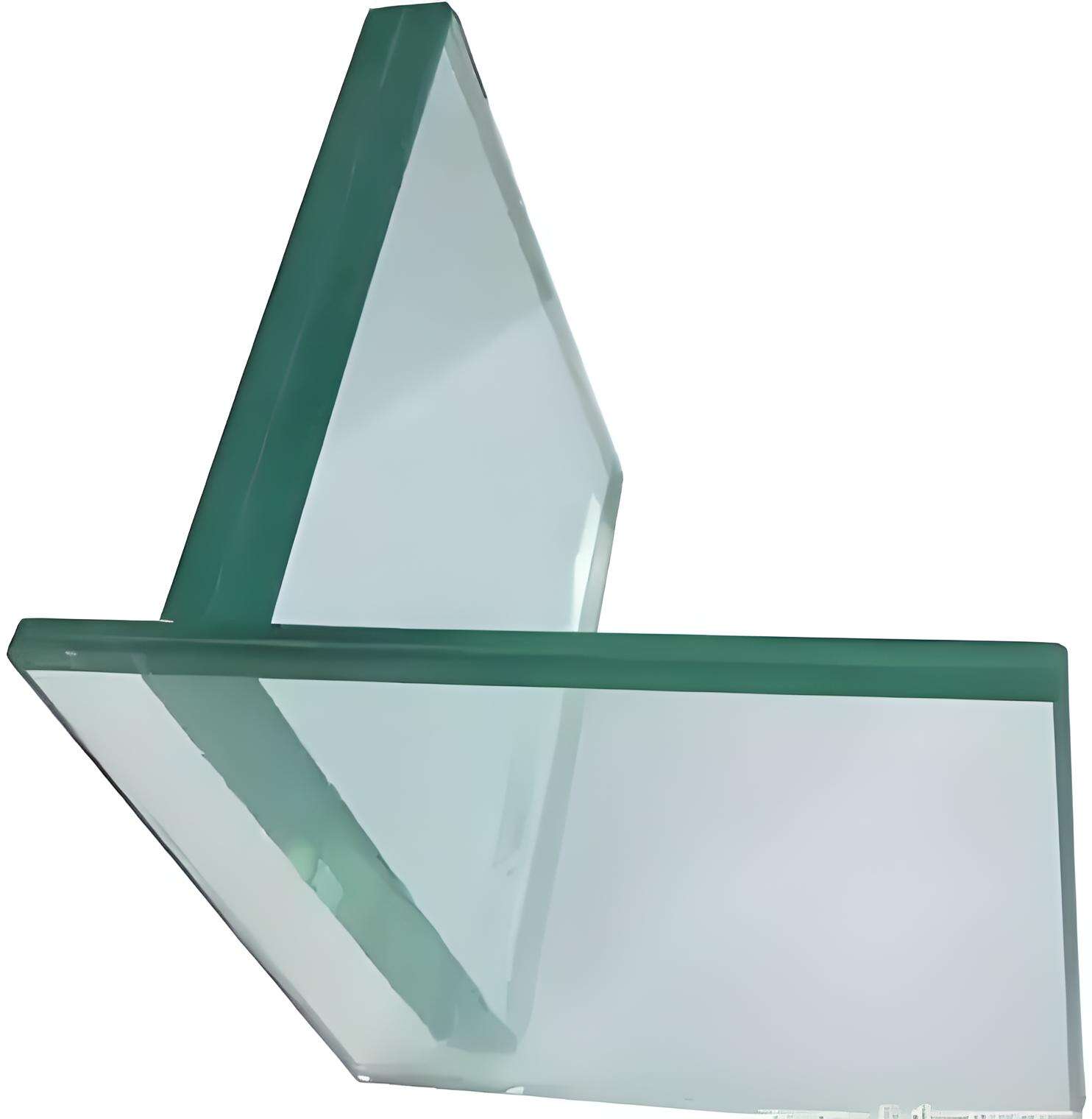
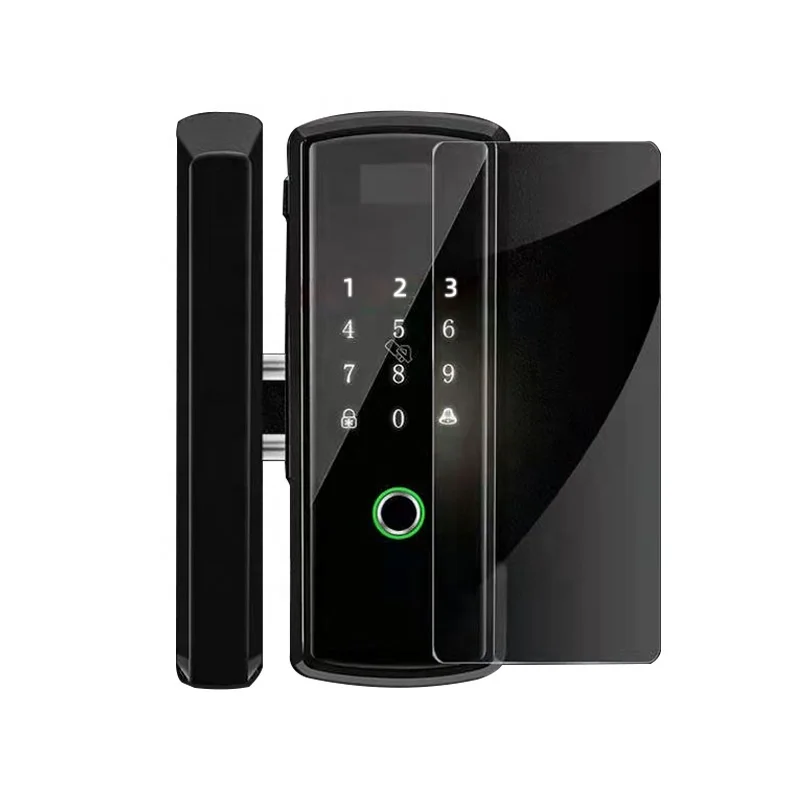
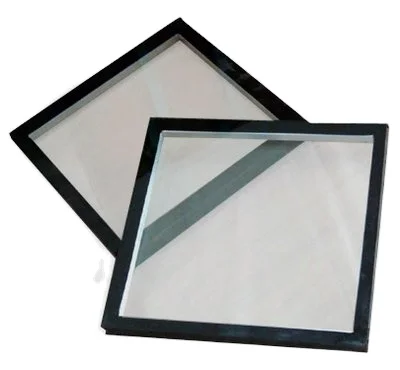
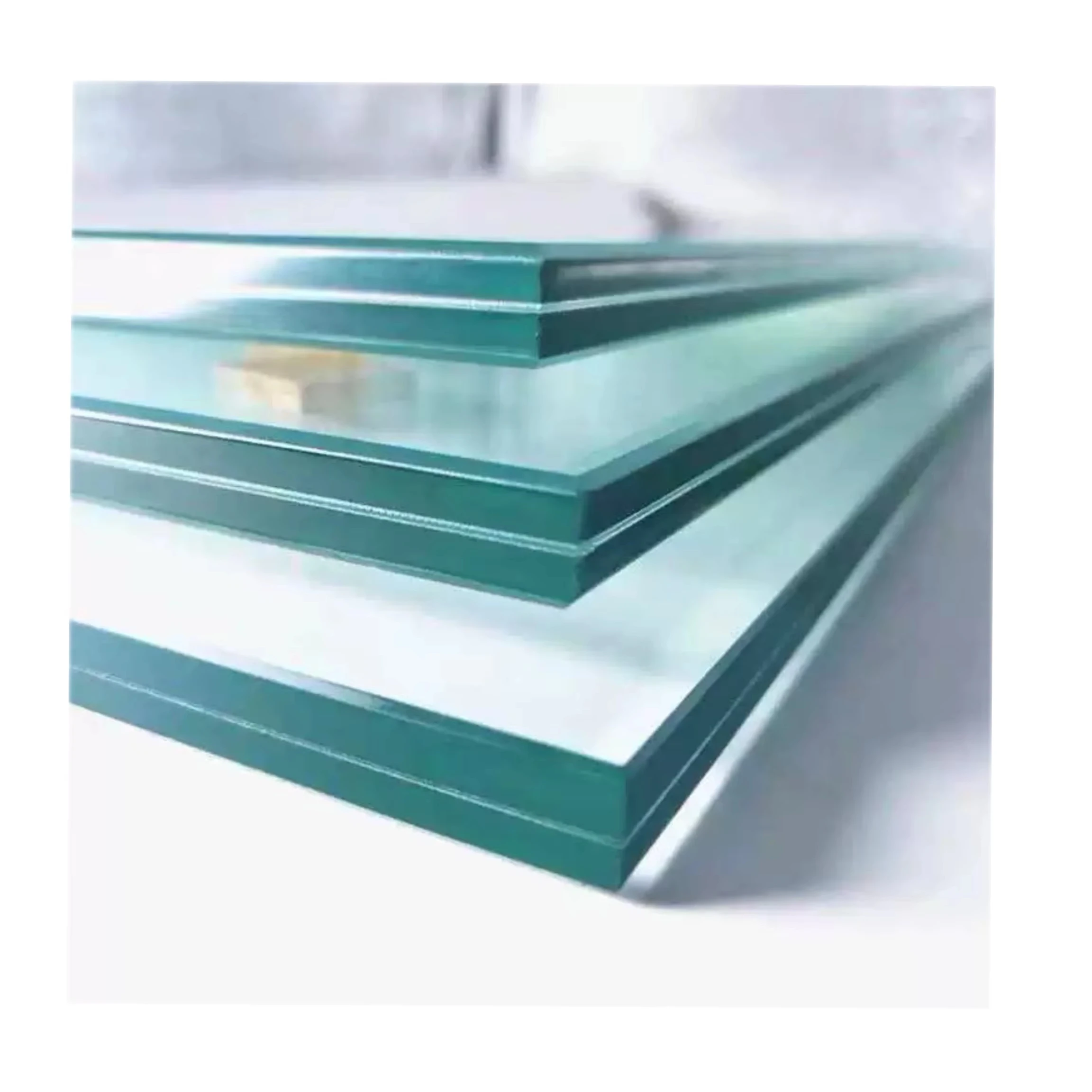
The Glass: Solutions for Modern Applications

Get a Free Quote

Our representative will contact you soon.
Email
Name
Company Name
Message
0/1000

the glass

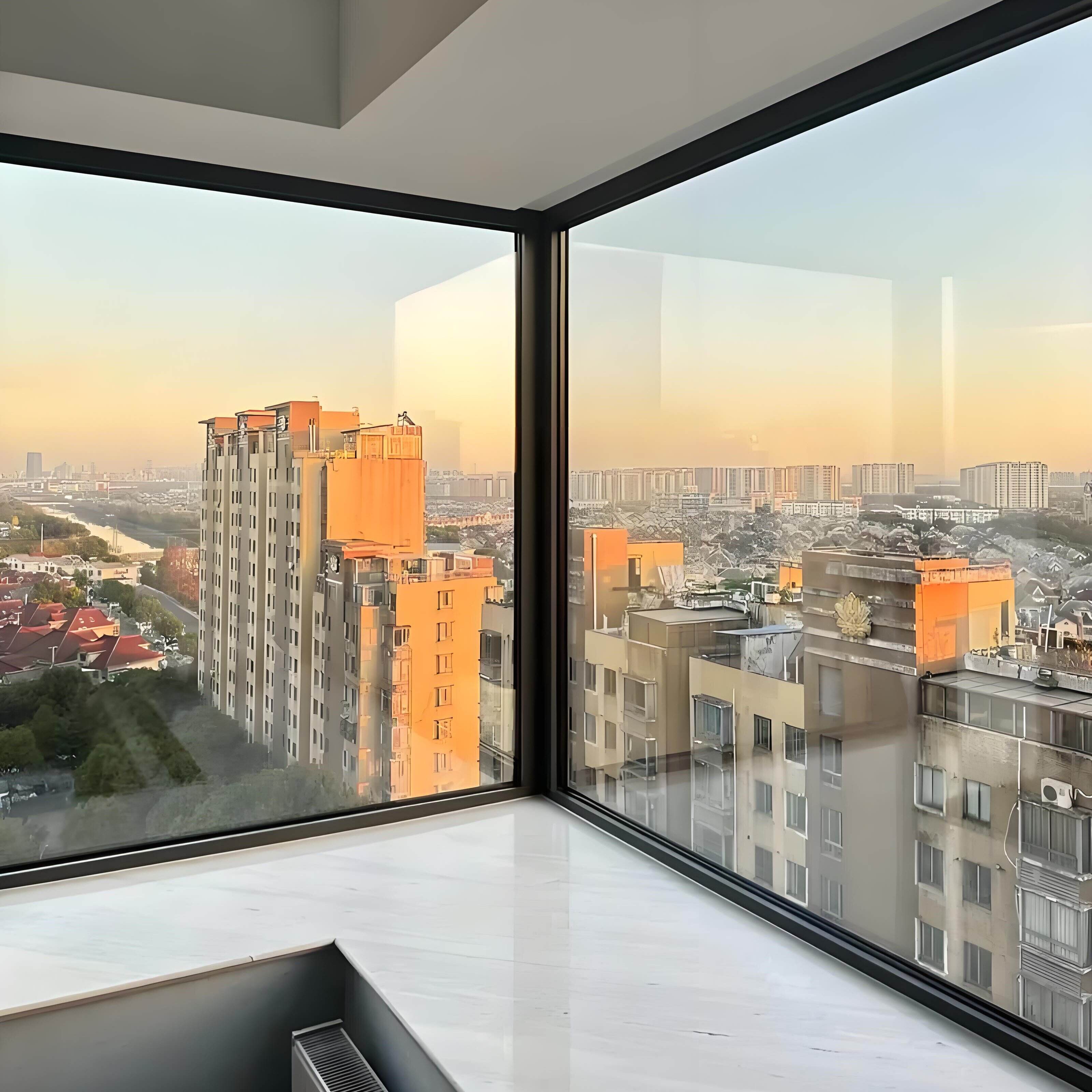
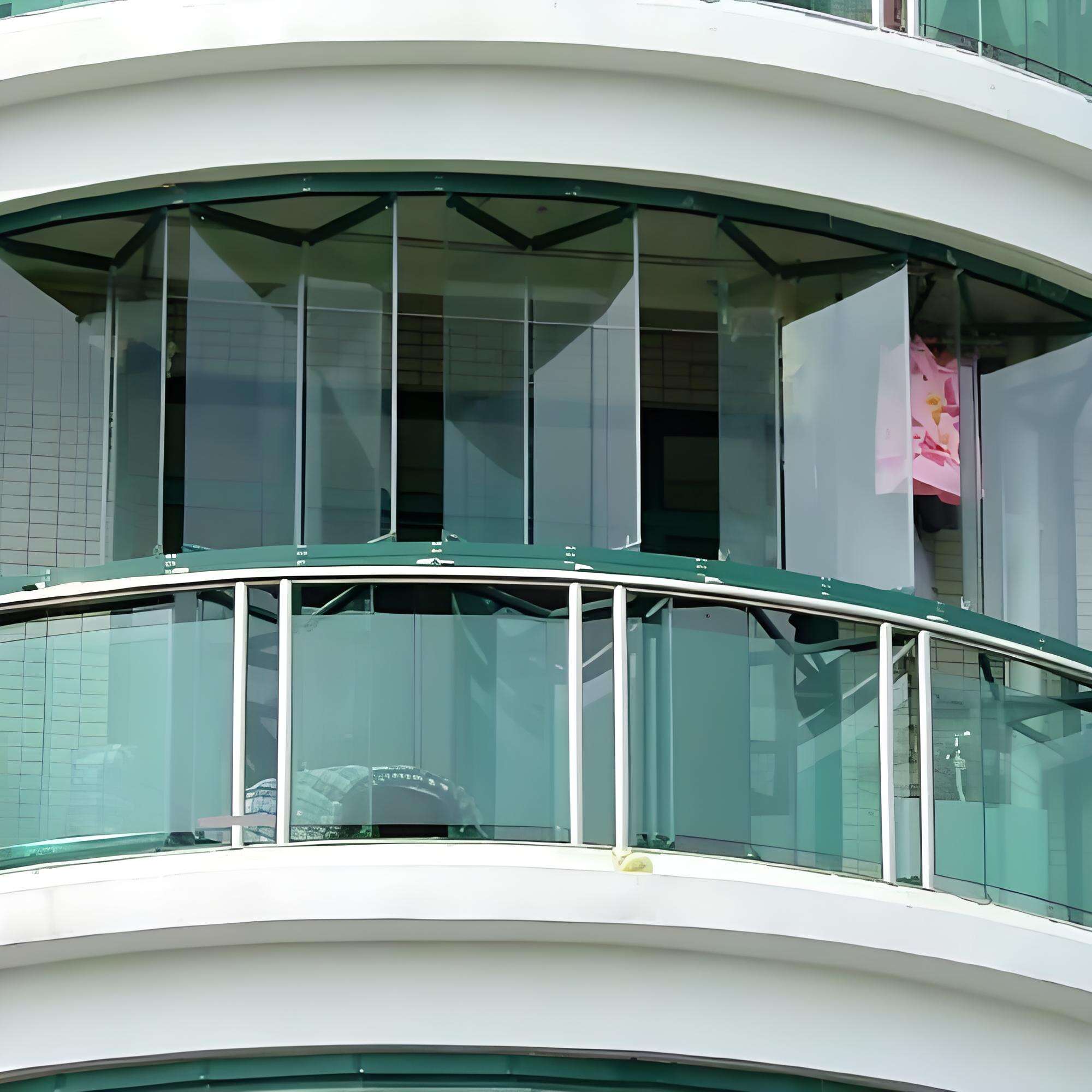
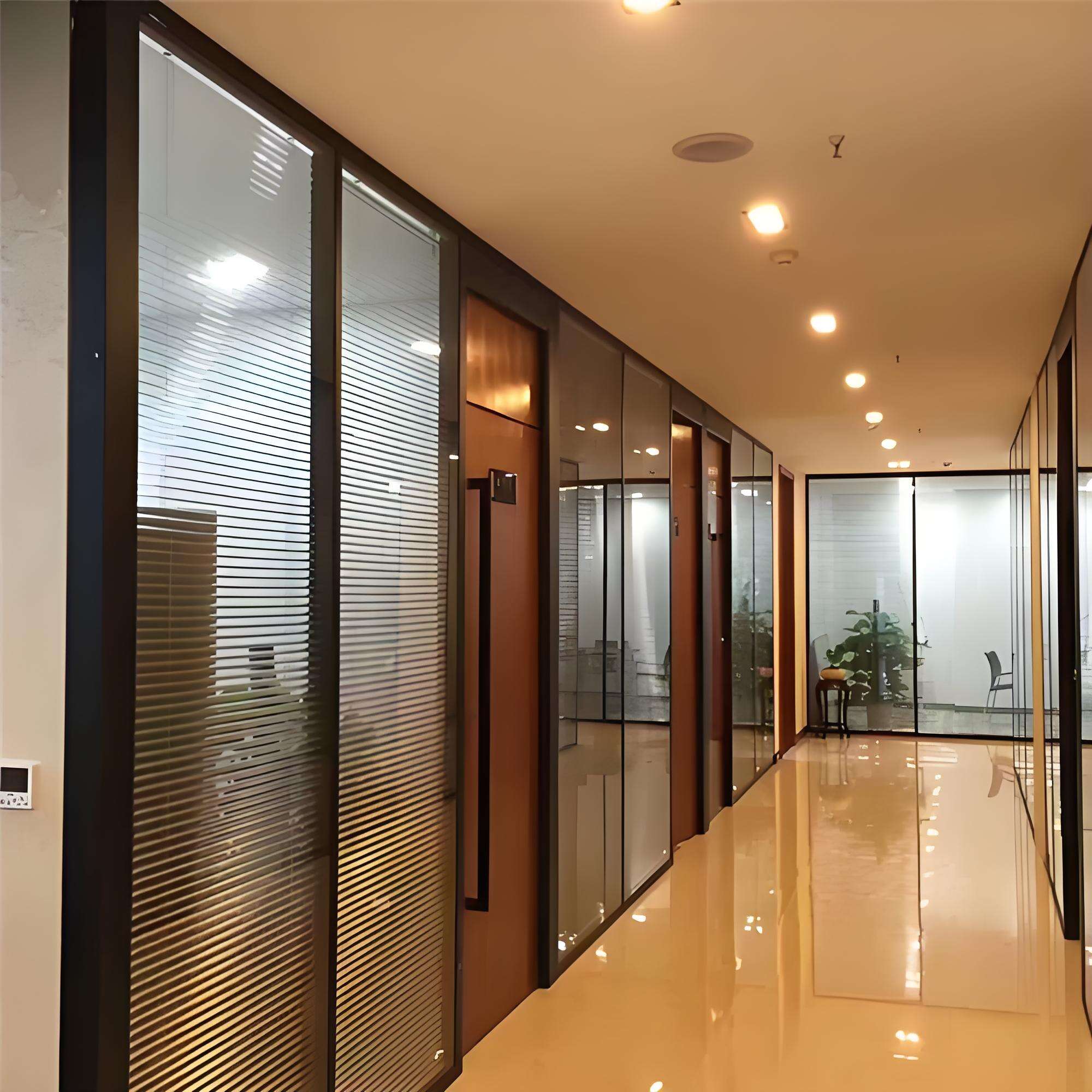
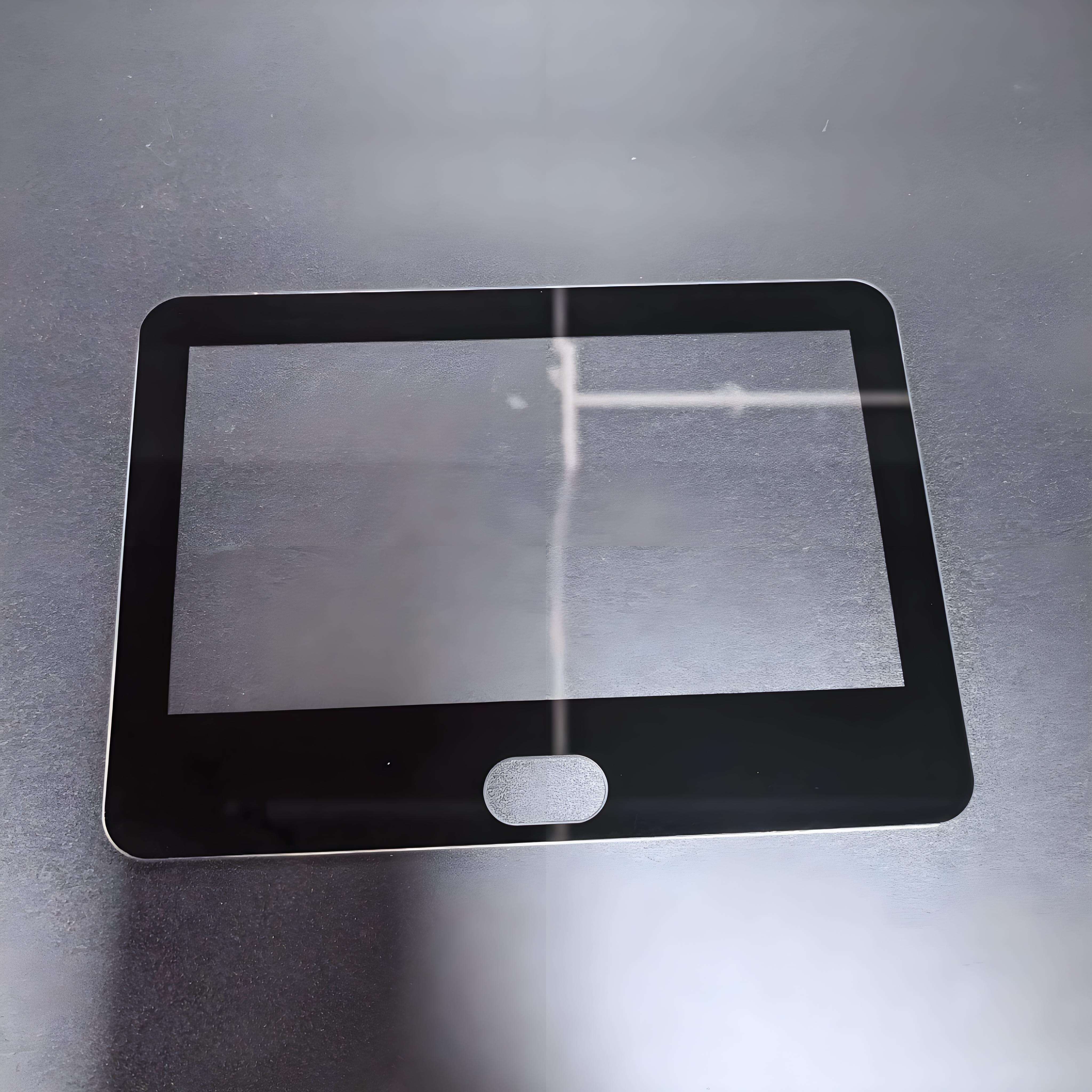
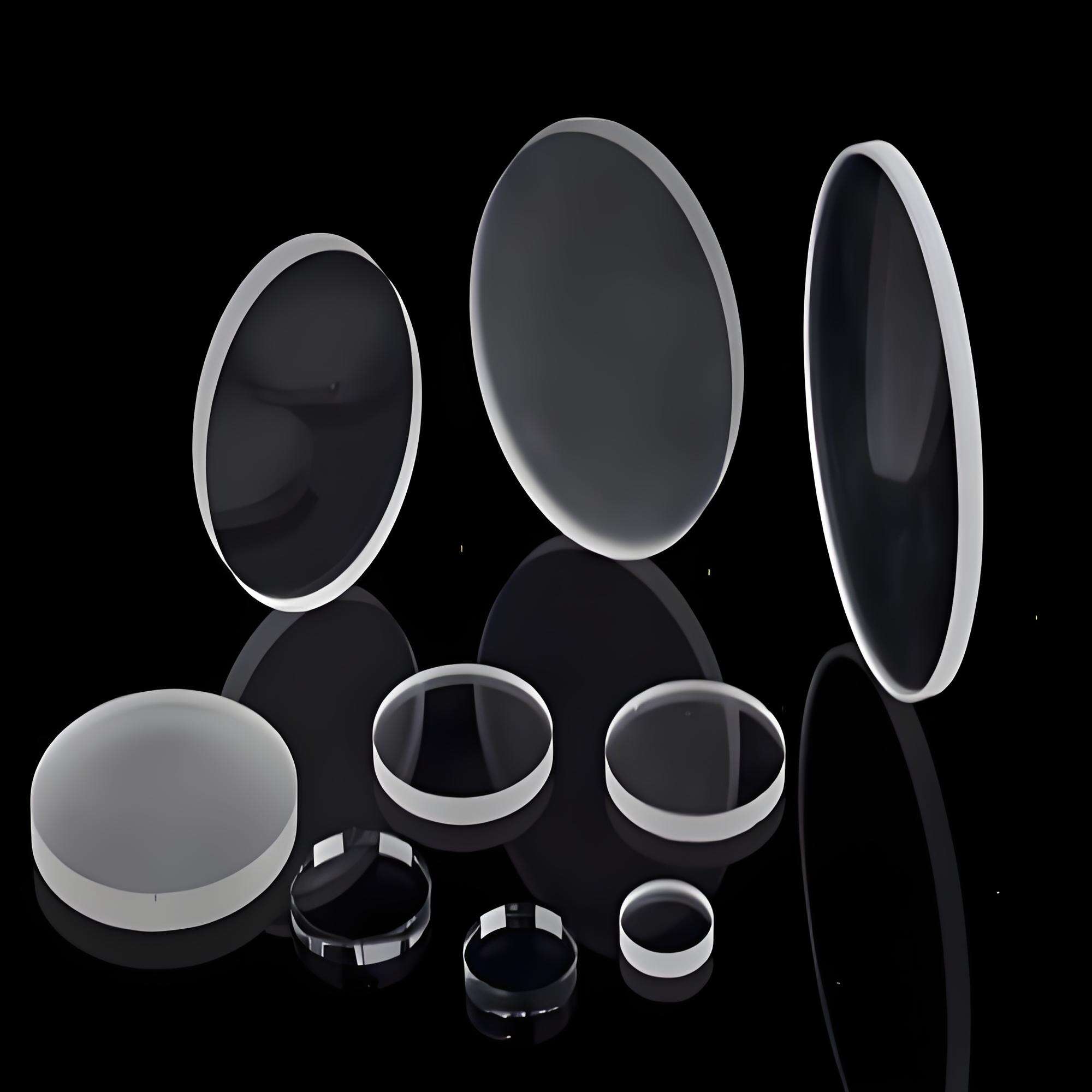
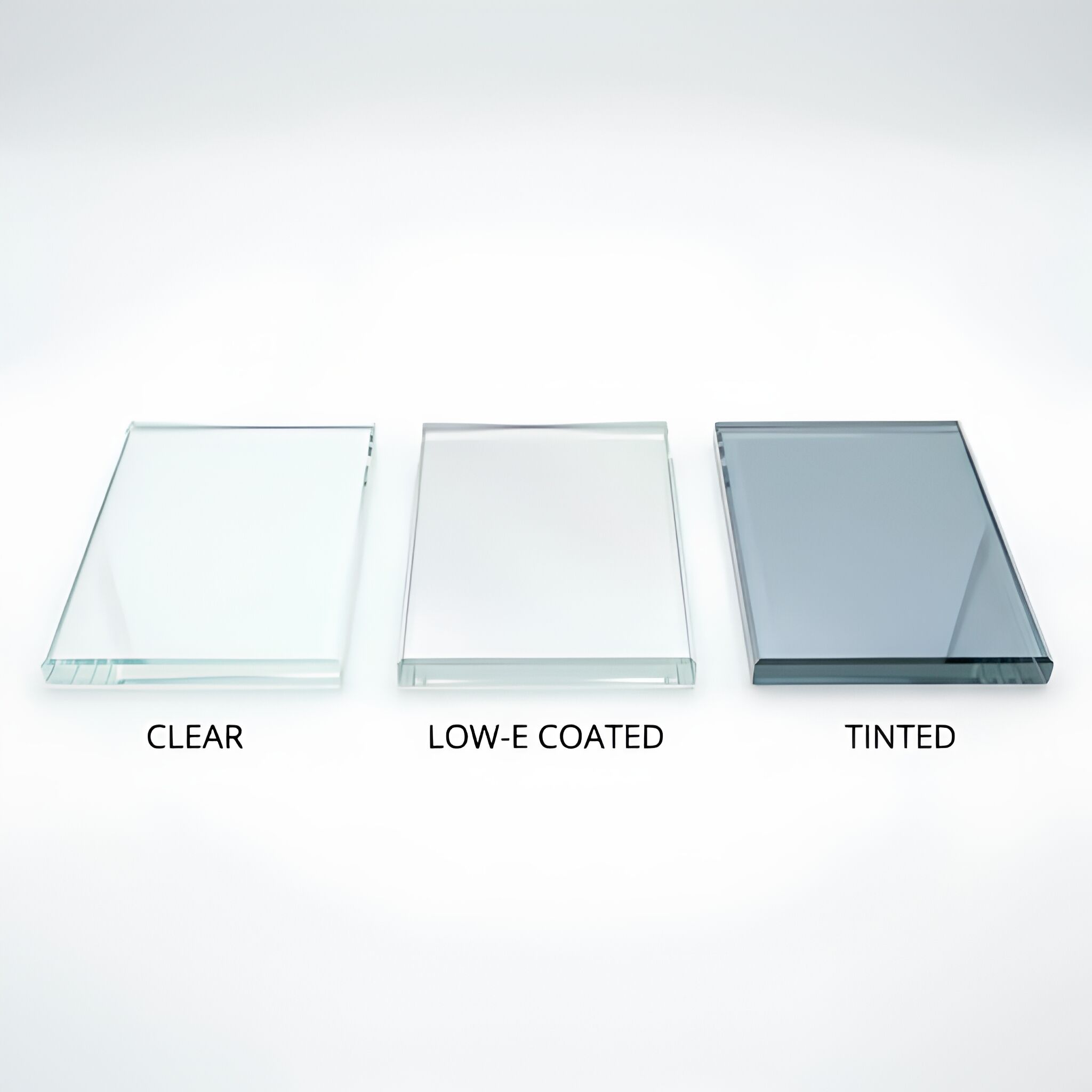
The glass is a versatile and essential material that has transformed modern construction, design, and everyday applications through its unique combination of transparency, durability, and aesthetic appeal. As a fundamental building component, the glass serves multiple functions ranging from structural elements in architecture to decorative features in interior design. Its technological features include advanced manufacturing processes that enhance strength, thermal insulation, and safety properties. Modern innovations have enabled the glass to incorporate energy-efficient coatings, laminated layers for impact resistance, and tempered treatments that increase structural integrity. The glass finds widespread applications across residential buildings, commercial complexes, automotive industries, and specialty sectors such as solar panels and optical devices. In architectural contexts, the glass allows natural light penetration while maintaining climate control and privacy when treated with specialized finishes. The material's recyclability makes it an environmentally responsible choice for sustainable construction projects. Whether used in windows, doors, partitions, facades, or decorative installations, the glass continues to evolve with technological advancements that improve performance characteristics. Its ability to be customized through tinting, frosting, patterning, and coating ensures that the glass meets diverse functional requirements while complementing various design aesthetics. Understanding the capabilities and applications of the glass helps stakeholders make informed decisions for their specific project needs.

New Products

Choosing the glass for your construction or design project delivers significant practical benefits that enhance both functionality and value. The transparency of the glass creates bright, welcoming spaces by maximizing natural light penetration, which reduces dependence on artificial lighting and lowers energy costs throughout the day. This material offers excellent durability when properly treated, withstanding environmental stresses including temperature fluctuations, moisture exposure, and UV radiation without degrading or losing clarity. The glass provides superior operational benefits through minimal maintenance requirements, as its smooth surface resists dirt accumulation and cleans easily with standard solutions. For buyers concerned about safety, modern versions of the glass incorporate laminated or tempered technologies that prevent dangerous shattering, instead breaking into small, less harmful pieces that protect occupants. The application suitability of the glass extends across numerous sectors, from residential homes seeking elegant window solutions to commercial buildings requiring curtain wall systems that combine aesthetics with structural performance. Decision-makers appreciate how the glass contributes to property value appreciation, as contemporary designs featuring extensive glazing attract buyers and tenants willing to pay premium prices. The material's thermal insulation properties, when enhanced with double or triple glazing configurations, significantly reduce heating and cooling expenses while maintaining comfortable interior environments. The glass supports acoustic control in urban settings where noise reduction is essential for occupant comfort and productivity. Its recyclability aligns with corporate sustainability goals and green building certifications, making the glass an environmentally responsible investment. Furthermore, the glass enables creative architectural expression through various finishes, colors, and treatments that transform functional elements into striking design statements that define brand identity and aesthetic vision.

Tips And Tricks

The Timeless Appeal of Glass Blocks in Architectural Design?

20

Jan

The Timeless Appeal of Glass Blocks in Architectural Design?

Glass blocks have emerged as one of the most versatile and enduring architectural elements in modern construction and design. These translucent building components offer architects and designers an exceptional combination of functionality and aesthet...
View More
How Does Laminated Glass with PVB Interlayer Hold Together When Broken?

11

Mar

How Does Laminated Glass with PVB Interlayer Hold Together When Broken?

When safety and security are paramount in architectural applications, laminated glass with PVB interlayer emerges as a critical solution that maintains structural integrity even under extreme stress. This innovative glass technology combines multiple...
View More
Which tempered glass offers superior thermal resistance for modern fireplace installations?

02

Apr

Which tempered glass offers superior thermal resistance for modern fireplace installations?

When selecting tempered glass for modern fireplace installations, thermal resistance becomes the critical factor that determines both safety and performance longevity. Modern fireplace designs demand glass solutions that can withstand extreme tempera...
View More
How to select laminated glass for overhead skylights requiring fall-through protection?

02

Apr

How to select laminated glass for overhead skylights requiring fall-through protection?

Selecting the right laminated glass for overhead skylights with fall-through protection requirements demands careful consideration of multiple safety, structural, and performance factors. Unlike standard glazing applications, overhead installations p...
View More

Get a Free Quote

Our representative will contact you soon.
Email
Name
Company Name
Message
0/1000

the glass

Superior Light Transmission and Energy Efficiency

Superior Light Transmission and Energy Efficiency

The glass excels in providing exceptional light transmission properties that fundamentally transform interior environments while delivering measurable energy savings. This characteristic allows up to 90 percent of natural daylight to penetrate interior spaces, creating bright, healthy environments that enhance occupant wellbeing and productivity. Research consistently demonstrates that exposure to natural light through the glass improves mood, regulates circadian rhythms, and reduces eye strain compared to artificial lighting alternatives. From an energy perspective, the glass with modern low-emissivity coatings reflects infrared heat while permitting visible light passage, maintaining comfortable temperatures without excessive HVAC system operation. This dual functionality translates into substantial utility cost reductions, with properly specified the glass installations achieving energy savings of 25 to 40 percent compared to traditional materials. The glass also supports passive solar design strategies where south-facing installations capture winter warmth while specialized tinting prevents summer overheating. For commercial applications, daylighting through the glass reduces artificial lighting loads during peak demand periods, lowering electricity expenses and supporting grid stability. The glass enables businesses to achieve LEED certification points and meet increasingly stringent building energy codes that mandate improved thermal performance and reduced carbon footprints.
Versatile Design Flexibility and Aesthetic Appeal

Versatile Design Flexibility and Aesthetic Appeal

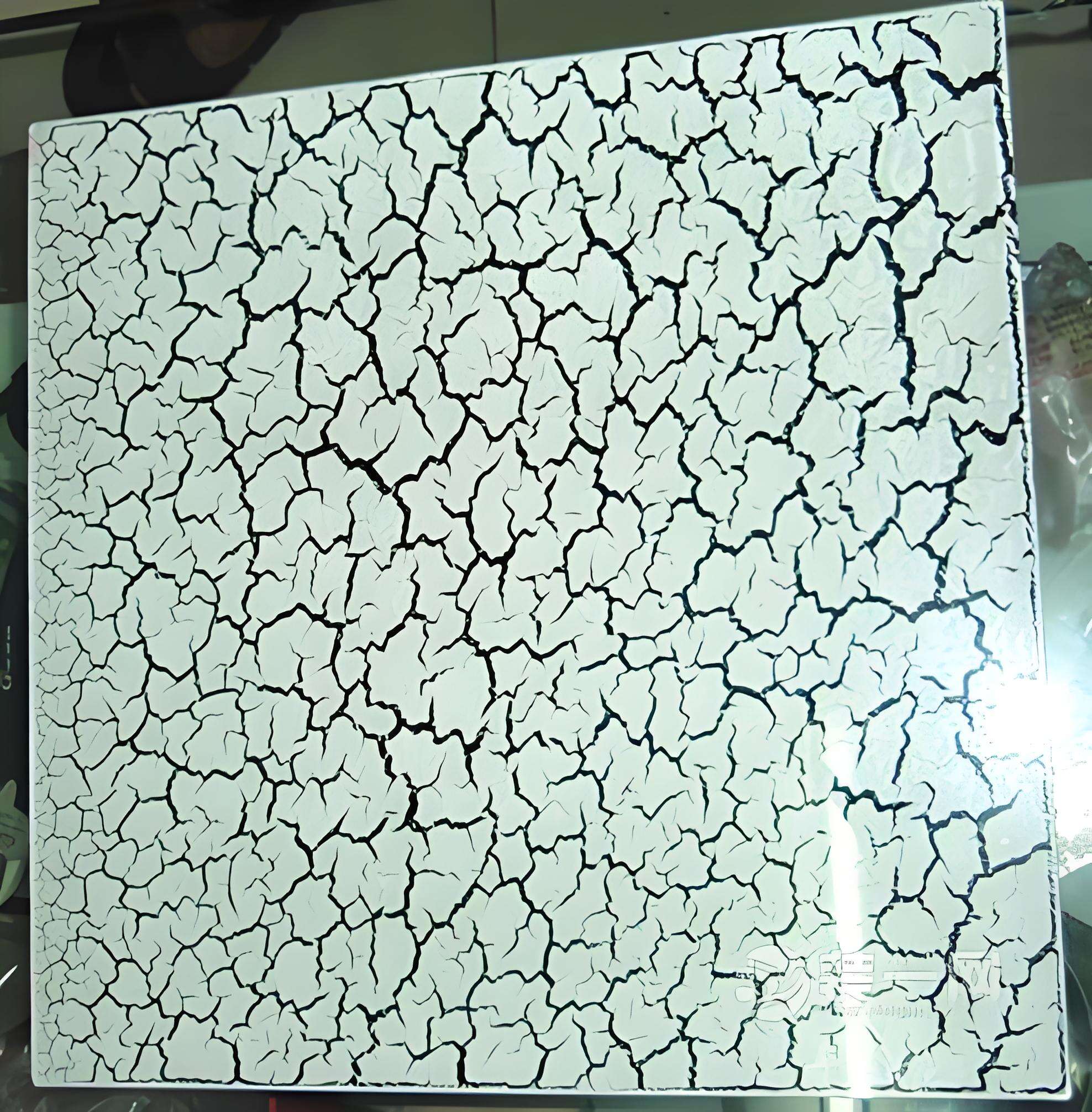
The glass offers unparalleled design flexibility that empowers architects and designers to realize ambitious creative visions while meeting functional requirements. This material can be fabricated in virtually unlimited sizes, shapes, and configurations, from expansive curtain walls spanning multiple stories to intricate curved surfaces that define contemporary architectural identity. The glass accepts numerous finishing treatments including acid etching, sandblasting, digital printing, and frit patterns that provide privacy, branding opportunities, and decorative effects without compromising structural integrity. Color customization through tinting or interlayer films allows the glass to complement any design palette while controlling solar heat gain and glare according to specific orientation and climate conditions. The transparency of the glass creates visual connections between interior and exterior spaces, making rooms appear larger and more open while maintaining weather protection and security. In retail and hospitality applications, the glass showcases products and creates inviting storefronts that attract customers while providing display protection. The material's compatibility with various framing systems, from minimal profiles to completely frameless installations, enables seamless integration with diverse architectural styles ranging from traditional to ultra-modern. The glass also serves as an ideal medium for artistic expression through stained glass, sculptural installations, and innovative smart glass technologies that change opacity on demand.
Enhanced Safety Features and Structural Performance

Enhanced Safety Features and Structural Performance

The glass incorporates advanced safety technologies that protect occupants while delivering reliable structural performance across demanding applications. Modern manufacturing processes transform the glass through tempering, which heats and rapidly cools the material to create surface compression that increases strength four to five times compared to standard annealed versions. When breakage occurs, tempered the glass fractures into small, relatively harmless granules rather than dangerous shards, significantly reducing injury risk in residential and commercial settings. Laminated the glass configurations bond multiple layers with interlayer films that hold fragments together even when broken, providing continued barrier protection against intrusion, falling, and impact events. This safety characteristic makes the glass essential for overhead applications, balustrades, and hurricane-resistant construction where occupant protection is paramount. The glass also delivers impressive structural capabilities, supporting substantial loads in floor systems, canopies, and point-supported facades that create dramatic architectural statements. Advanced engineering allows the glass to meet stringent building codes for wind resistance, seismic performance, and blast protection in high-security facilities. The material's inherent fire resistance, particularly in wired or ceramic variants of the glass, provides critical compartmentalization in fire-rated assemblies that contain smoke and flames while permitting visibility for emergency response. These safety and performance attributes ensure that the glass serves as both a protective barrier and an architectural feature that combines beauty with dependable functionality.
The Glass: Solutions for Modern Applications

Get a Free Quote

Our representative will contact you soon.
Email
Name
Company Name
Message
0/1000