EN
EN

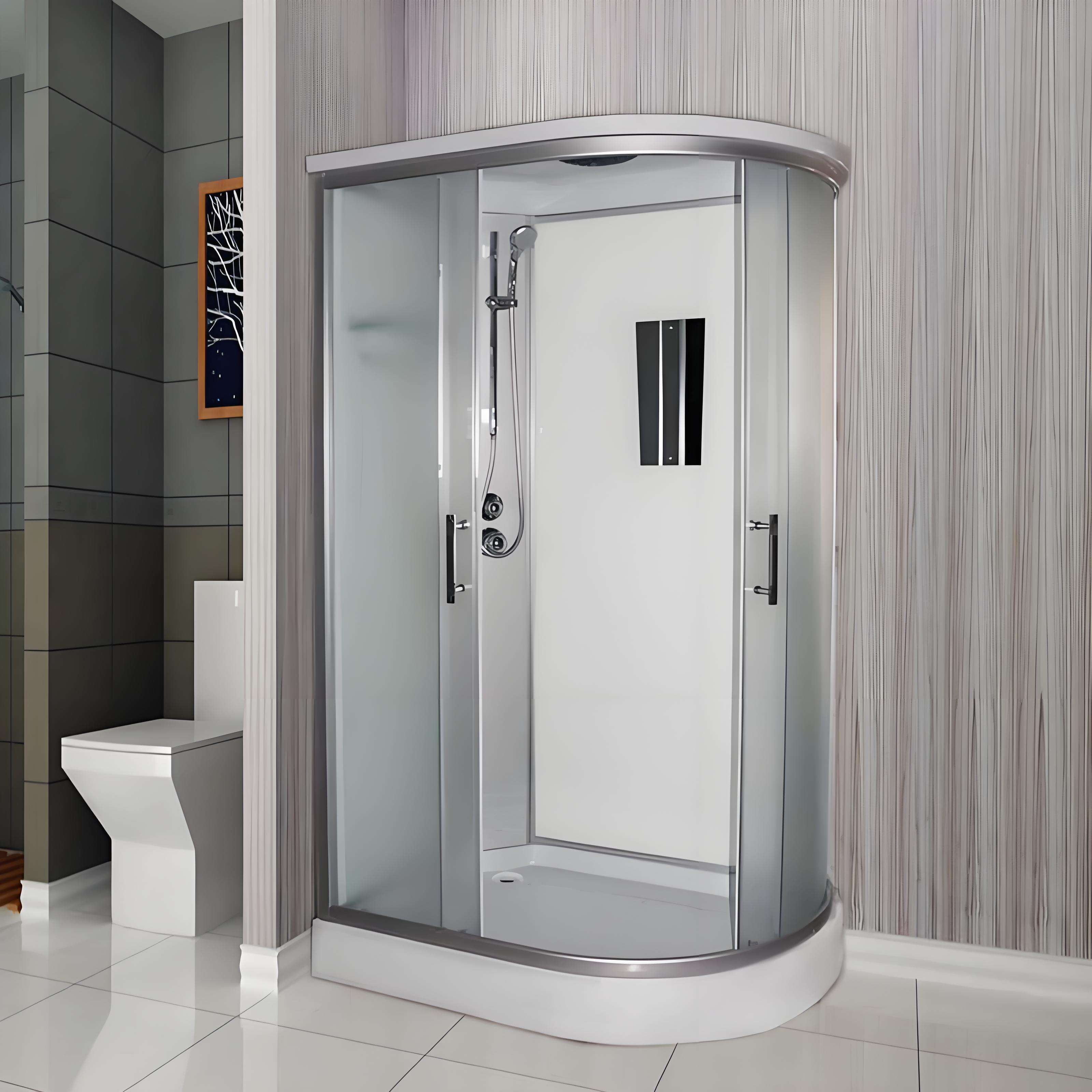
Maintaining pristine tempered glass surfaces requires specialized knowledge and careful attention to detail. Whether you're dealing with architectural installations, bathroom enclosures, or industrial applications, proper cleaning techniques ensure longevity and preserve the structural integrity of tempered glass panels. Understanding the unique properties of this heat-treated material is essential for preventing costly damage and maintaining optimal clarity throughout its service life.
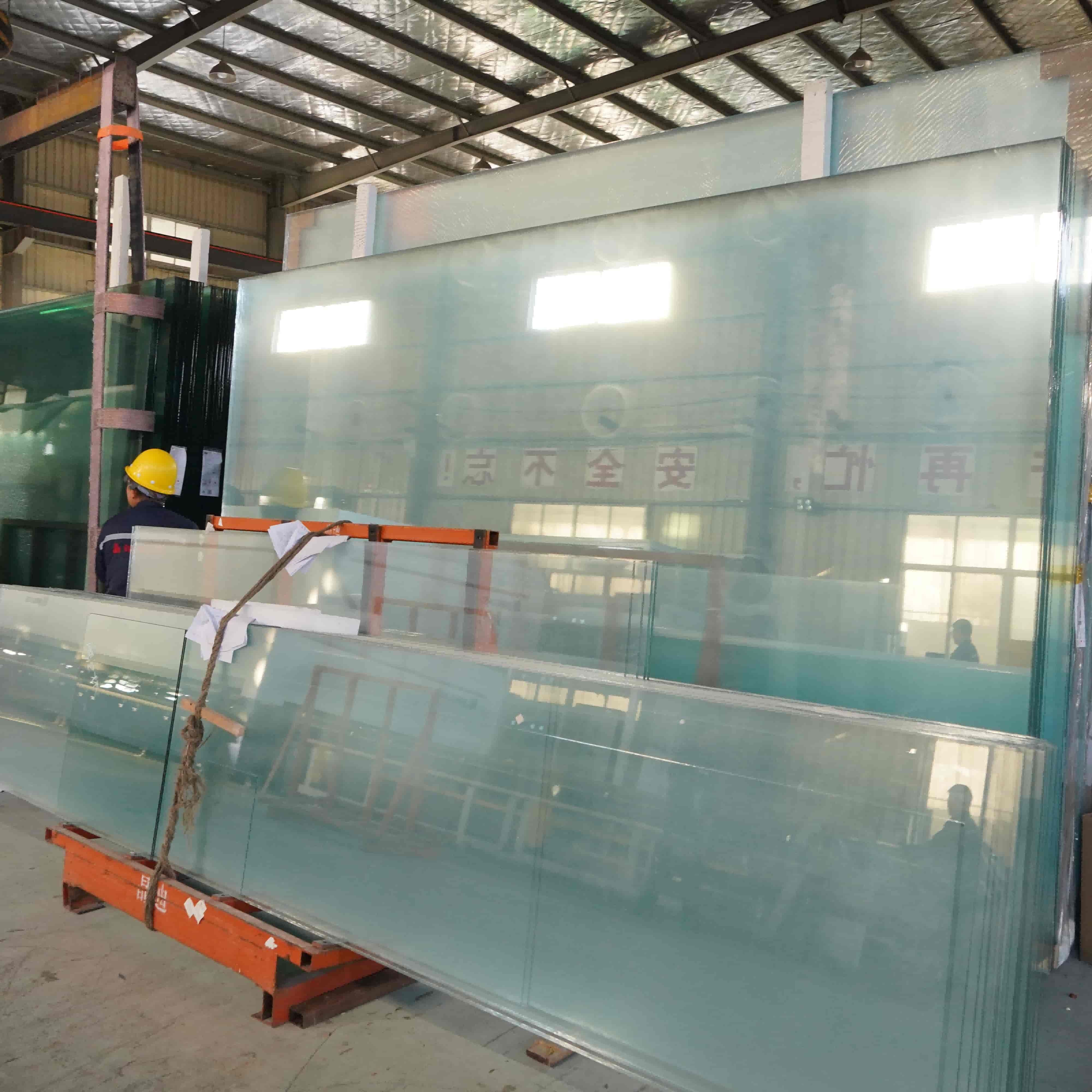
The manufacturing process of tempered glass creates a surface that is significantly harder than regular glass, yet it remains vulnerable to specific types of damage when improperly maintained. Professional facilities worldwide rely on systematic cleaning protocols to preserve their tempered glass investments. These protocols have been developed through extensive research and real-world applications across various industries including construction, automotive, and consumer electronics.
Modern tempered glass applications span from ultra-white architectural panels to specialized industrial components designed for extreme environmental conditions. Each application presents unique cleaning challenges that require tailored maintenance approaches. The chemical composition and surface treatments of contemporary tempered glass products have evolved considerably, necessitating updated cleaning methodologies that account for these technological advancements.
Understanding Tempered Glass Surface Characteristics
Structural Properties and Surface Hardness
The tempering process fundamentally alters the molecular structure of glass, creating compressive stress on the surface while maintaining tensile stress in the interior. This unique stress distribution gives tempered glass its characteristic strength, making it up to five times stronger than conventional annealed glass. However, this same process creates microscopic surface variations that can trap contaminants if not properly addressed during cleaning procedures.
Surface hardness measurements of quality tempered glass typically range between 5.5 and 6.5 on the Mohs scale, placing it in a category that requires specific cleaning tools and techniques. The compressive stress layer extends approximately 20% into the glass thickness, creating a zone where surface damage can propagate differently than in standard glass materials. Understanding these characteristics helps maintenance professionals select appropriate cleaning agents and tools.
Chemical Resistance and Compatibility
Tempered glass exhibits excellent chemical resistance to most common cleaning solutions, but certain acidic and alkaline compounds can cause etching or staining over time. The surface energy of tempered glass affects how various cleaning solutions interact with contaminants, influencing both cleaning effectiveness and potential for residue formation. Professional-grade tempered glass often incorporates surface coatings that require specialized maintenance protocols.
pH levels between 6.5 and 8.5 provide optimal cleaning conditions for most tempered glass applications. Solutions outside this range may cause microscopic surface changes that accumulate over time, eventually compromising optical clarity and structural integrity. Temperature considerations also play a crucial role, as thermal shock from extreme temperature differentials can stress the already-compressed surface layer.
Professional Cleaning Techniques and Best Practices
Pre-Cleaning Assessment and Preparation
Every tempered glass cleaning operation should begin with a thorough surface assessment to identify contamination types, surface coatings, and potential problem areas. Digital microscopy or magnification tools help identify embedded particles, scratches, or coating degradation that might require specialized treatment. Documentation of surface conditions before cleaning provides valuable baseline information for ongoing maintenance programs.
Environmental factors such as ambient temperature, humidity, and air circulation significantly impact cleaning effectiveness and drying characteristics. Optimal cleaning conditions typically occur when ambient temperatures range between 65-75°F with relative humidity below 60%. Wind and direct sunlight can cause cleaning solutions to evaporate too quickly, leaving residues that compromise surface quality.
Surface preparation involves removing loose debris using compressed air or soft-bristled brushes, followed by initial dust removal with microfiber cloths. This preliminary step prevents abrasive particles from being dragged across the tempered glass surface during subsequent wet cleaning operations. Proper preparation reduces cleaning time and minimizes the risk of introducing new scratches or surface damage.
Advanced Cleaning Solution Formulations
Commercial-grade cleaning solutions designed specifically for tempered glass applications incorporate surfactants, pH buffers, and anti-static agents to optimize cleaning performance while protecting surface integrity. These formulations typically contain less than 1% ammonia or alcohol to provide streak-free results without compromising any protective coatings that may be present on the tempered glass surface.
Deionized water serves as the foundation for professional cleaning solutions, eliminating mineral deposits that can accumulate on tempered glass surfaces over time. The absence of dissolved minerals prevents water spots and reduces the likelihood of chemical reactions between cleaning agents and surface contaminants. Many facilities maintain on-site deionization systems to ensure consistent water quality for their tempered glass maintenance programs.
Concentration ratios for cleaning solutions must be carefully controlled to achieve optimal results without over-concentrating active ingredients that might leave residues. Most professional formulations recommend dilution ratios between 1:10 and 1:50, depending on contamination levels and environmental conditions. Automated dispensing systems help maintain consistent concentrations while reducing waste and ensuring worker safety.
Tool Selection and Application Methods
Microfiber Technology and Fabric Specifications
High-quality microfiber cloths designed for tempered glass cleaning feature fiber densities exceeding 200,000 fibers per square inch, providing exceptional dirt-lifting capability without surface contact pressure that could cause scratching. The split-fiber construction creates microscopic hooks that capture and retain contaminants within the fabric structure rather than redistributing them across the glass surface.
Color-coding systems for microfiber cloths help prevent cross-contamination between different cleaning operations and chemical applications. Blue cloths typically handle general cleaning solutions, while white cloths are reserved for final polishing with deionized water. Red cloths often indicate use with specialized cleaning agents or particularly contaminated surfaces that require isolation from standard cleaning protocols.
Squeegee Systems and Water Management
Professional squeegee systems incorporate multiple blade materials and configurations to accommodate different tempered glass surface textures and contamination levels. Natural rubber blades provide superior conformability for textured surfaces, while synthetic materials offer longer service life and chemical resistance for aggressive cleaning applications. Blade replacement schedules typically recommend changes every 30-50 cleaning cycles to maintain optimal performance.
Water management during squeegee operations requires careful attention to overlap patterns, pressure distribution, and blade angle to prevent streaking or water spots on tempered glass surfaces. The optimal blade angle ranges between 45-75 degrees, depending on surface conditions and operator technique. Consistent pressure application ensures uniform water removal while minimizing the risk of blade chatter that can leave marks on the cleaned surface.
Preventive Maintenance Strategies
Environmental Protection Measures
Long-term preservation of tempered glass surfaces requires implementing environmental protection measures that minimize exposure to contaminating substances and physical damage. Protective films or coatings can provide temporary protection during construction activities or maintenance operations that might introduce abrasive particles or chemical contaminants to the glass surface.
Air filtration systems help reduce airborne contaminants that can accumulate on tempered glass surfaces over time. HEPA-grade filtration removes particles as small as 0.3 microns, significantly reducing the frequency of required cleaning cycles while maintaining optimal surface clarity. Regular filter replacement schedules ensure consistent air quality and protection for tempered glass installations.
Scheduled Maintenance Programs
Implementing systematic maintenance schedules based on environmental exposure and usage patterns helps optimize cleaning frequency while minimizing maintenance costs. High-traffic areas or outdoor installations typically require weekly cleaning cycles, while protected indoor applications may only need monthly attention. Environmental monitoring helps adjust cleaning schedules based on actual contamination rates rather than arbitrary time intervals.
Documentation systems for tempered glass maintenance programs should include surface condition assessments, cleaning solution usage, labor hours, and any observed changes in surface quality over time. This data helps refine maintenance protocols and identify potential problems before they result in permanent damage or replacement requirements. Digital photography provides visual documentation that supports warranty claims and quality assurance programs.
Troubleshooting Common Issues
Streak Formation and Residue Problems
Streaking on tempered glass surfaces typically results from improper cleaning solution concentrations, contaminated tools, or inadequate rinsing procedures. Systematic troubleshooting involves testing cleaning solutions on small areas, verifying tool cleanliness, and adjusting technique parameters to identify the root cause. Water quality analysis may reveal dissolved minerals or chemical contaminants that contribute to streak formation.
Residue accumulation often indicates compatibility issues between cleaning agents and surface coatings or previous cleaning products. Sequential solvent testing can help identify residue composition and appropriate removal methods. Some residues may require specialized removal procedures that temporarily compromise surface coatings, necessitating reapplication of protective treatments after cleaning.
Surface Damage Assessment and Mitigation
Microscopic scratches on tempered glass surfaces can often be minimized through careful polishing with ultra-fine abrasive compounds, but deep scratches may require professional restoration services. Surface profilometry measurements help quantify scratch depth and determine appropriate repair strategies. Preventive measures focus on identifying and eliminating sources of abrasive contamination in cleaning procedures.
Chemical etching appears as cloudy or hazy areas that cannot be removed through conventional cleaning methods. Etching typically results from prolonged exposure to acidic or highly alkaline solutions, or from reaction products between cleaning agents and surface contaminants. Once etching occurs, restoration requires professional glass refinishing services or panel replacement in severe cases.
Quality Assurance and Performance Monitoring
Optical Quality Standards
Professional tempered glass installations maintain optical quality standards that specify maximum allowable levels of haze, distortion, and surface defects. Regular quality assessments using calibrated measurement equipment help ensure cleaning procedures maintain specified performance levels throughout the service life of the installation. Photometric measurements provide objective data for comparing cleaning effectiveness across different time periods and maintenance crews.
Light transmission measurements help identify accumulating surface contamination or coating degradation that might not be visible through casual observation. Spectrophotometric analysis can detect changes in optical properties before they become apparent to building occupants or facility users. This proactive approach enables corrective action before surface quality deteriorates to unacceptable levels.
Long-term Performance Tracking
Comprehensive performance tracking systems monitor cleaning cycle efficiency, material consumption, labor requirements, and surface quality trends over extended periods. Statistical analysis of this data helps optimize maintenance schedules, identify training needs, and predict equipment replacement requirements. Correlation analysis between environmental conditions and cleaning frequency provides insights for improving preventive maintenance strategies.
Cost-benefit analysis of different cleaning methods, materials, and schedules helps facility managers optimize maintenance budgets while preserving tempered glass performance. Life-cycle cost models incorporate initial cleaning system investments, ongoing material costs, labor requirements, and potential replacement costs associated with inadequate maintenance. These analyses support informed decision-making regarding maintenance program investments and resource allocation.
FAQ
What cleaning solutions are safe for daily use on tempered glass surfaces
Daily cleaning of tempered glass surfaces should utilize pH-neutral solutions with deionized water as the base. Commercial glass cleaners specifically formulated for tempered applications typically contain less than 1% ammonia and include anti-static agents to reduce dust accumulation. Avoid acidic cleaners with pH below 6.0 or alkaline solutions above pH 9.0, as these can cause gradual surface etching over time. Always test new cleaning products on inconspicuous areas before full-scale application.
How often should professional cleaning be performed on outdoor tempered glass installations
Outdoor tempered glass installations typically require professional cleaning every 1-2 weeks in urban environments with high pollution levels, while suburban or rural locations may extend intervals to monthly cleaning cycles. Environmental factors such as proximity to highways, industrial facilities, or marine environments significantly impact contamination rates and cleaning frequency requirements. Regular visual inspections help determine optimal cleaning schedules based on actual surface conditions rather than predetermined time intervals.
What are the most common causes of permanent damage to tempered glass during cleaning
The most frequent causes of permanent tempered glass damage include using abrasive cleaning tools, applying excessive pressure during cleaning operations, and exposure to extreme temperature differentials during cleaning procedures. Contaminated cleaning tools that contain embedded particles can create microscopic scratches that accumulate over time. Chemical etching from improper cleaning solutions or inadequate rinsing procedures can cause irreversible cloudiness or haze formation on the glass surface.
How can facility managers verify the effectiveness of their tempered glass cleaning programs
Facility managers should implement regular optical quality assessments using calibrated measurement equipment to monitor light transmission, haze levels, and surface cleanliness. Digital photography taken from consistent angles and lighting conditions provides visual documentation of cleaning effectiveness over time. Water break tests, where clean water forms uniform sheets on properly cleaned surfaces, offer simple field verification of cleaning quality. Professional surface analysis every 6-12 months helps identify long-term trends and optimization opportunities for cleaning protocols.
Table of Contents
- Understanding Tempered Glass Surface Characteristics
- Professional Cleaning Techniques and Best Practices
- Tool Selection and Application Methods
- Preventive Maintenance Strategies
- Troubleshooting Common Issues
- Quality Assurance and Performance Monitoring
-
FAQ
- What cleaning solutions are safe for daily use on tempered glass surfaces
- How often should professional cleaning be performed on outdoor tempered glass installations
- What are the most common causes of permanent damage to tempered glass during cleaning
- How can facility managers verify the effectiveness of their tempered glass cleaning programs