EN
EN

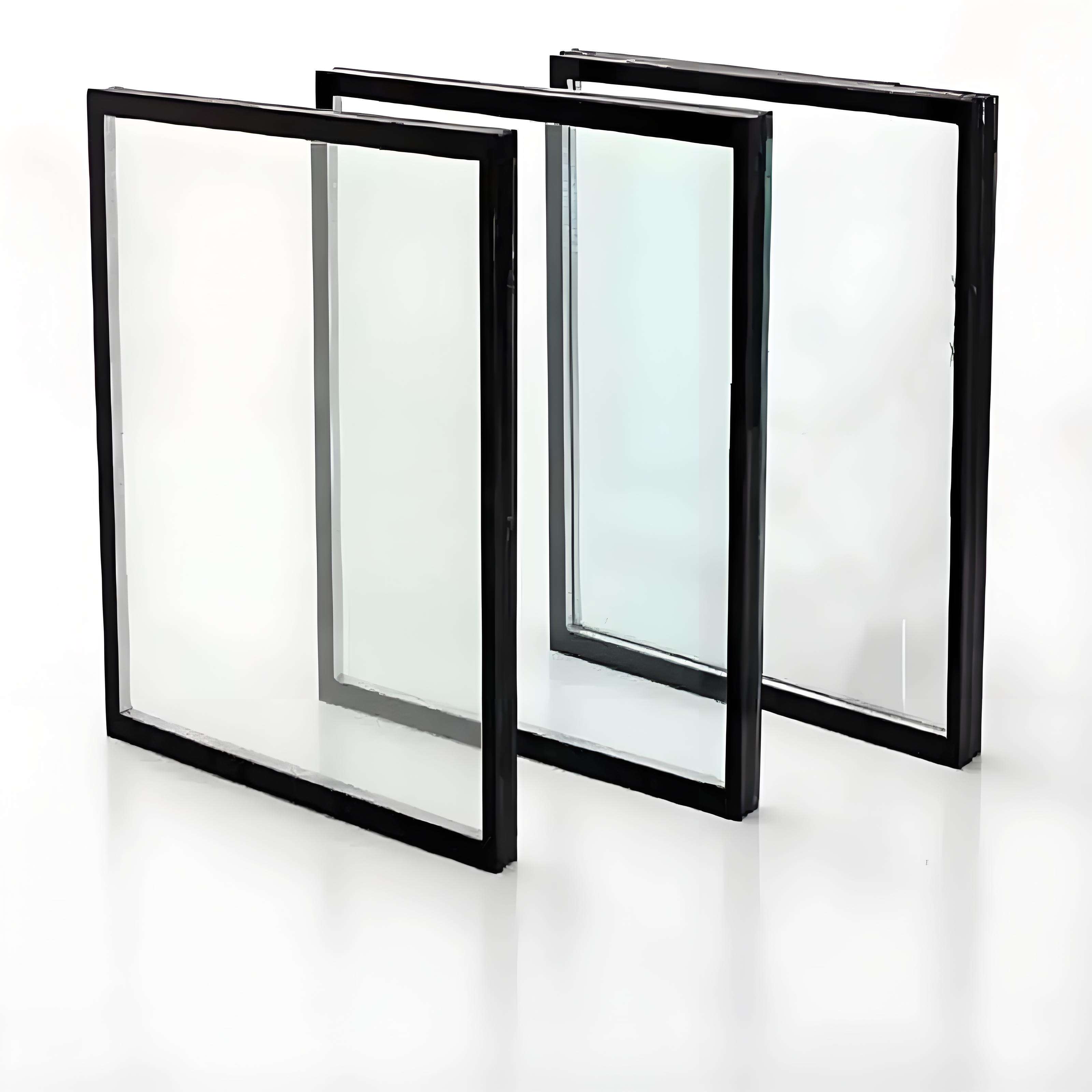
Energy-efficient architectural glass represents a revolutionary advancement in building design, offering property owners substantial opportunities to reduce operational costs while enhancing occupant comfort. Modern buildings face increasing pressure to minimize energy consumption, and energy-efficient architectural glass has emerged as one of the most effective solutions for addressing heating and cooling expenses. This specialized glazing technology incorporates advanced coatings, gas fills, and multi-pane configurations that dramatically improve thermal performance compared to traditional window systems.
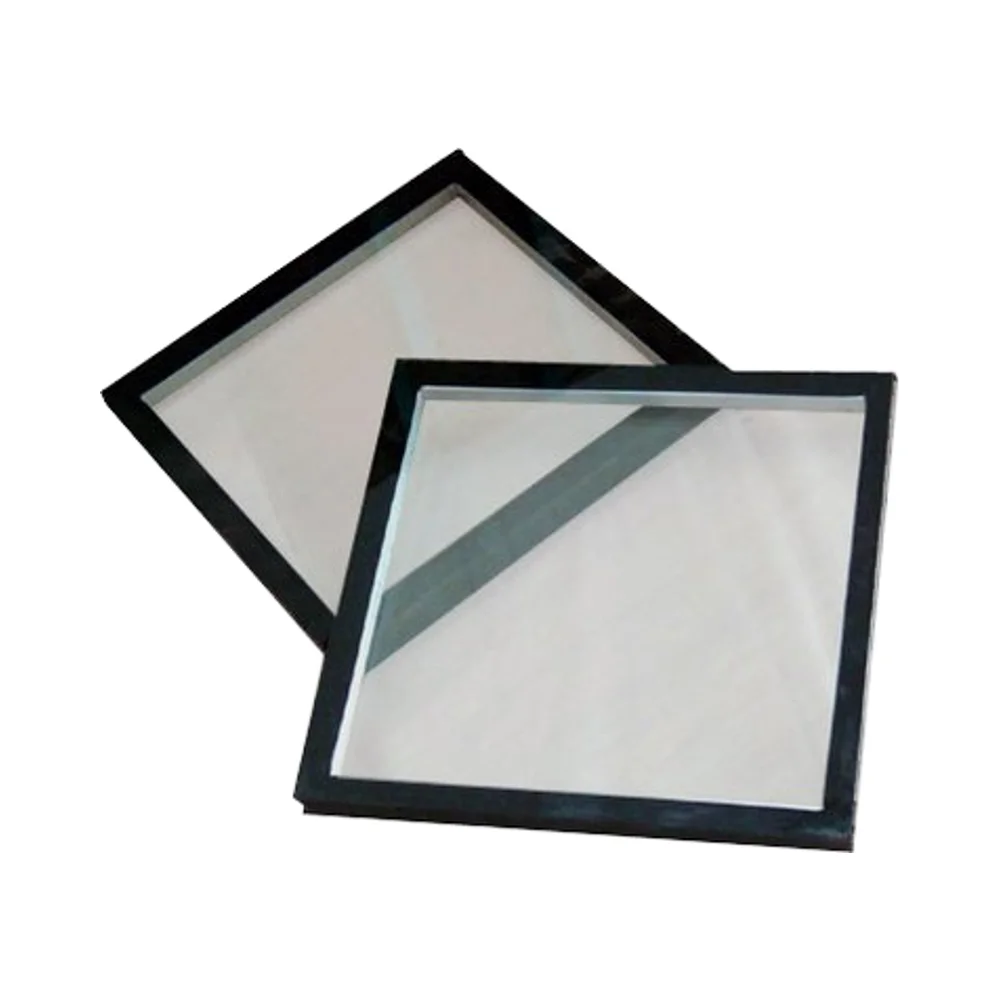
The financial impact of implementing energy-efficient architectural glass extends far beyond initial installation costs. Building owners consistently report significant reductions in monthly utility bills, with some properties achieving energy savings of up to forty percent annually. These savings accumulate over decades, creating substantial return on investment that makes energy-efficient architectural glass an economically sound choice for commercial and residential applications alike.
Understanding the Science Behind Energy-Efficient Architectural Glass
Low-E Coating Technology and Thermal Performance
Low-emissivity coatings represent the cornerstone of modern energy-efficient architectural glass technology. These microscopically thin metallic layers are applied to glass surfaces to control radiant heat transfer while maintaining visible light transmission. The coatings work by reflecting infrared radiation, preventing heat from escaping during winter months and blocking excessive solar heat gain during summer periods.
The effectiveness of energy-efficient architectural glass with low-E coatings depends on precise engineering and coating placement. Manufacturers typically apply these coatings to specific surfaces within multi-pane units to optimize thermal performance for different climate conditions. Northern climates benefit from coatings designed to maximize solar heat gain while minimizing heat loss, whereas southern regions require coatings that prioritize solar heat rejection.
Advanced low-E coating formulations can achieve U-values as low as 0.15 BTU/hr·ft²·°F, representing exceptional thermal efficiency. This performance level translates directly into reduced HVAC system workload and corresponding energy cost savings throughout the building's operational lifecycle.
Insulating Gas Fills and Spacer Systems
Energy-efficient architectural glass units utilize inert gas fills between panes to enhance thermal insulation properties. Argon gas, being denser than air, significantly reduces convective heat transfer within the glazing cavity. Some premium systems incorporate krypton gas, which offers superior insulating properties but comes at higher material costs.
The spacer system maintaining separation between glass panes plays a crucial role in overall thermal performance. Traditional aluminum spacers create thermal bridges that compromise energy efficiency, while advanced warm-edge spacers constructed from low-conductivity materials minimize heat transfer around glazing perimeters. These improvements contribute measurably to the overall effectiveness of energy-efficient architectural glass systems.
Proper gas retention becomes essential for long-term performance, as gas leakage diminishes insulating properties over time. Quality energy-efficient architectural glass manufacturers implement robust sealing systems and provide warranties guaranteeing gas retention rates for extended periods, ensuring sustained energy savings throughout the glazing lifecycle.
Impact on HVAC System Performance and Operating Costs
Reduced Heating Load Requirements
Energy-efficient architectural glass dramatically reduces heating system demands by minimizing heat loss through building envelopes. Traditional single-pane glazing can account for up to thirty percent of total building heat loss, while high-performance glazing systems reduce this figure to less than ten percent. This reduction allows HVAC systems to operate more efficiently and reduces fuel consumption significantly.
The improved thermal performance of energy-efficient architectural glass enables building owners to specify smaller, less expensive heating systems without compromising occupant comfort. Reduced equipment size translates into lower initial capital costs and decreased ongoing maintenance expenses. Additionally, smaller systems typically operate more efficiently at partial loads, further enhancing energy savings throughout heating seasons.
Buildings with comprehensive energy-efficient architectural glass installations often experience more stable indoor temperatures with reduced temperature fluctuations. This stability reduces heating system cycling frequency, extending equipment lifespan while maintaining consistent comfort conditions for building occupants.
Cooling System Efficiency Improvements
Solar heat gain through conventional glazing represents one of the largest contributors to cooling loads in modern buildings. Energy-efficient architectural glass with appropriate solar control characteristics can reduce cooling energy requirements by up to fifty percent compared to clear glass installations. This reduction occurs through selective transmission properties that admit natural light while rejecting infrared radiation.
The reduced cooling load enables more efficient HVAC system operation and allows for smaller equipment sizing in new construction projects. Existing buildings benefit from retrofit installations of energy-efficient architectural glass, which can significantly reduce peak demand charges and overall cooling costs. These improvements become particularly valuable in regions with high electricity rates or time-of-use pricing structures.
Enhanced glazing performance also reduces solar heat gain variability throughout the day, leading to more predictable cooling loads and improved system efficiency. HVAC systems can maintain optimal operating parameters more consistently, reducing energy waste associated with frequent system cycling and temperature overshoots.
Long-Term Economic Benefits and Return on Investment
Utility Cost Reduction Analysis
Comprehensive energy audits of buildings equipped with energy-efficient architectural glass consistently demonstrate substantial utility cost reductions. Commercial properties typically experience twenty to forty percent decreases in annual energy expenses, with actual savings varying based on climate conditions, building orientation, and existing glazing quality. These savings compound annually, creating significant economic value over glazing system lifespans.
Peak demand reduction represents an additional economic benefit often overlooked in initial cost assessments. Energy-efficient architectural glass reduces peak electrical loads during extreme weather conditions, potentially lowering demand charges that can represent substantial portions of commercial utility bills. These demand reductions become increasingly valuable as utilities implement more sophisticated rate structures.
Residential applications of energy-efficient architectural glass typically achieve payback periods of eight to twelve years through utility savings alone. Commercial installations often realize shorter payback periods due to higher energy costs per square foot and more sophisticated utility rate structures that reward peak demand reduction.
Property Value Enhancement
Buildings featuring energy-efficient architectural glass command premium market values due to reduced operating costs and enhanced occupant comfort. Real estate appraisers increasingly recognize the value contribution of high-performance glazing systems, particularly in markets where energy costs represent significant operational expenses. These value premiums often exceed the incremental costs of energy-efficient architectural glass installations.
Green building certification programs award substantial credits for energy-efficient architectural glass installations, facilitating LEED, BREEAM, and other sustainability certifications. These certifications enhance marketability and can command premium lease rates in commercial markets where environmental performance increasingly influences tenant decisions.
The durability and longevity of quality energy-efficient architectural glass systems contribute to sustained property values over extended periods. Unlike many building system components that require regular replacement, premium glazing systems can maintain performance for decades with minimal maintenance requirements, providing ongoing value throughout their operational lives.
Installation Considerations and Best Practices
Proper System Design and Specification
Successful energy-efficient architectural glass installations require careful consideration of climate conditions, building orientation, and occupancy patterns. Professional glazing consultants analyze these factors to recommend optimal glass specifications that balance energy performance with natural lighting requirements. Inappropriate specifications can compromise both energy savings and occupant satisfaction.
The integration of energy-efficient architectural glass with building envelope design becomes critical for achieving maximum performance benefits. Thermal bridging through glazing frames and mounting systems can significantly compromise overall system performance if not properly addressed during design phases. Advanced framing systems with thermal breaks and proper installation techniques ensure optimal energy-efficient architectural glass performance.
Quality control during manufacturing and installation phases directly impacts long-term performance of energy-efficient architectural glass systems. Reputable manufacturers implement rigorous testing protocols and provide comprehensive warranties covering both materials and installation quality. Professional installation teams trained in proper glazing techniques ensure systems achieve specified performance levels throughout their operational lives.
Maintenance Requirements and Longevity
Energy-efficient architectural glass systems require minimal maintenance compared to mechanical building systems, contributing to their long-term economic attractiveness. Regular cleaning maintains optical clarity and aesthetic appeal, while periodic inspection of sealing systems ensures continued gas retention and thermal performance. These maintenance requirements represent minimal ongoing costs compared to achieved energy savings.
The longevity of energy-efficient architectural glass installations depends on quality materials and proper installation techniques. Premium systems backed by comprehensive warranties can maintain performance specifications for twenty-five years or longer, providing sustained energy savings throughout their operational lives. This longevity makes energy-efficient architectural glass one of the most cost-effective building envelope improvements available.
Advances in glazing technology continue to improve the durability and performance of energy-efficient architectural glass systems. Modern edge sealing compounds and improved coating durability extend system lifespans while maintaining energy efficiency benefits. These technological improvements enhance the economic attractiveness of energy-efficient architectural glass investments.
FAQ
What is the typical payback period for energy-efficient architectural glass installations
The payback period for energy-efficient architectural glass varies depending on climate conditions, energy costs, and existing glazing quality. Residential applications typically achieve payback in eight to twelve years through utility savings, while commercial installations often realize shorter periods due to higher energy densities and more complex rate structures. Peak demand reduction benefits can significantly accelerate payback timelines in commercial applications.
How much can energy-efficient architectural glass reduce heating and cooling costs
Energy-efficient architectural glass can reduce heating and cooling costs by twenty to fifty percent compared to conventional glazing systems. The actual savings depend on climate conditions, building orientation, and the performance characteristics of existing windows. Buildings in extreme climates with high energy costs typically experience the greatest absolute savings from energy-efficient architectural glass installations.
Does energy-efficient architectural glass require special maintenance procedures
Energy-efficient architectural glass requires minimal maintenance beyond regular cleaning to maintain optical clarity. Periodic inspection of sealing systems ensures continued gas retention and thermal performance, but these inspections represent minimal ongoing costs. The durability of quality systems means they can maintain performance for decades with proper installation and basic maintenance protocols.
Can existing buildings benefit from retrofitting with energy-efficient architectural glass
Existing buildings can achieve substantial energy savings through retrofitting with energy-efficient architectural glass, particularly when replacing single-pane or older double-pane systems. Retrofit installations often provide faster payback periods than new construction applications due to the dramatic performance improvements over existing glazing. Professional assessment helps determine the most cost-effective retrofit approach for specific building conditions and energy savings goals.
Table of Contents
- Understanding the Science Behind Energy-Efficient Architectural Glass
- Impact on HVAC System Performance and Operating Costs
- Long-Term Economic Benefits and Return on Investment
- Installation Considerations and Best Practices
-
FAQ
- What is the typical payback period for energy-efficient architectural glass installations
- How much can energy-efficient architectural glass reduce heating and cooling costs
- Does energy-efficient architectural glass require special maintenance procedures
- Can existing buildings benefit from retrofitting with energy-efficient architectural glass