Laminated Glass and Toughened Glass Guide

Get a Free Quote

Our representative will contact you soon.
Email
Name
Company Name
Message
0/1000

laminated glass and toughened glass

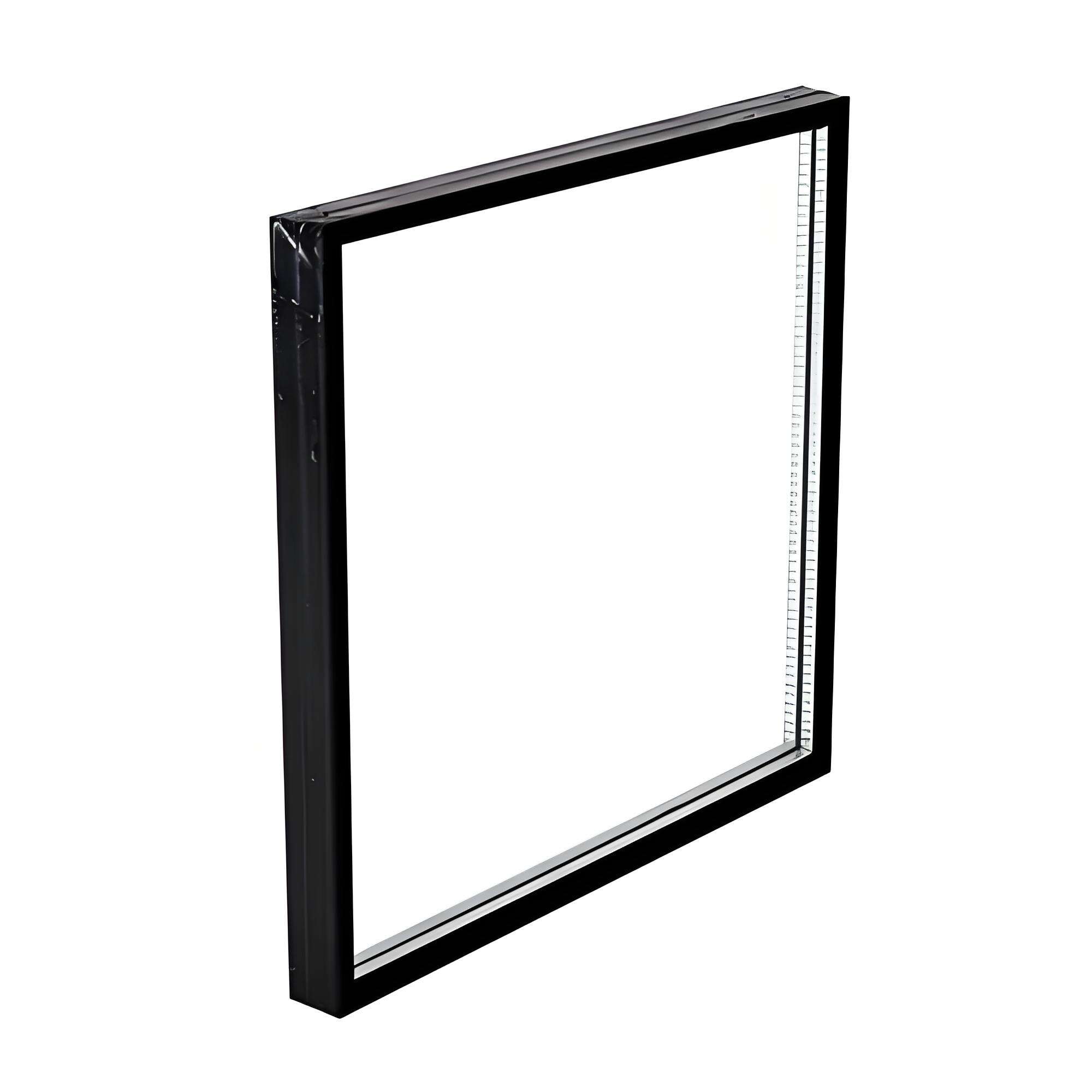
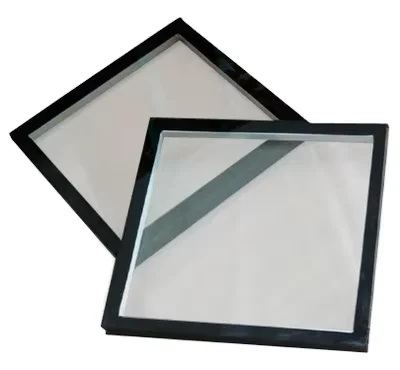
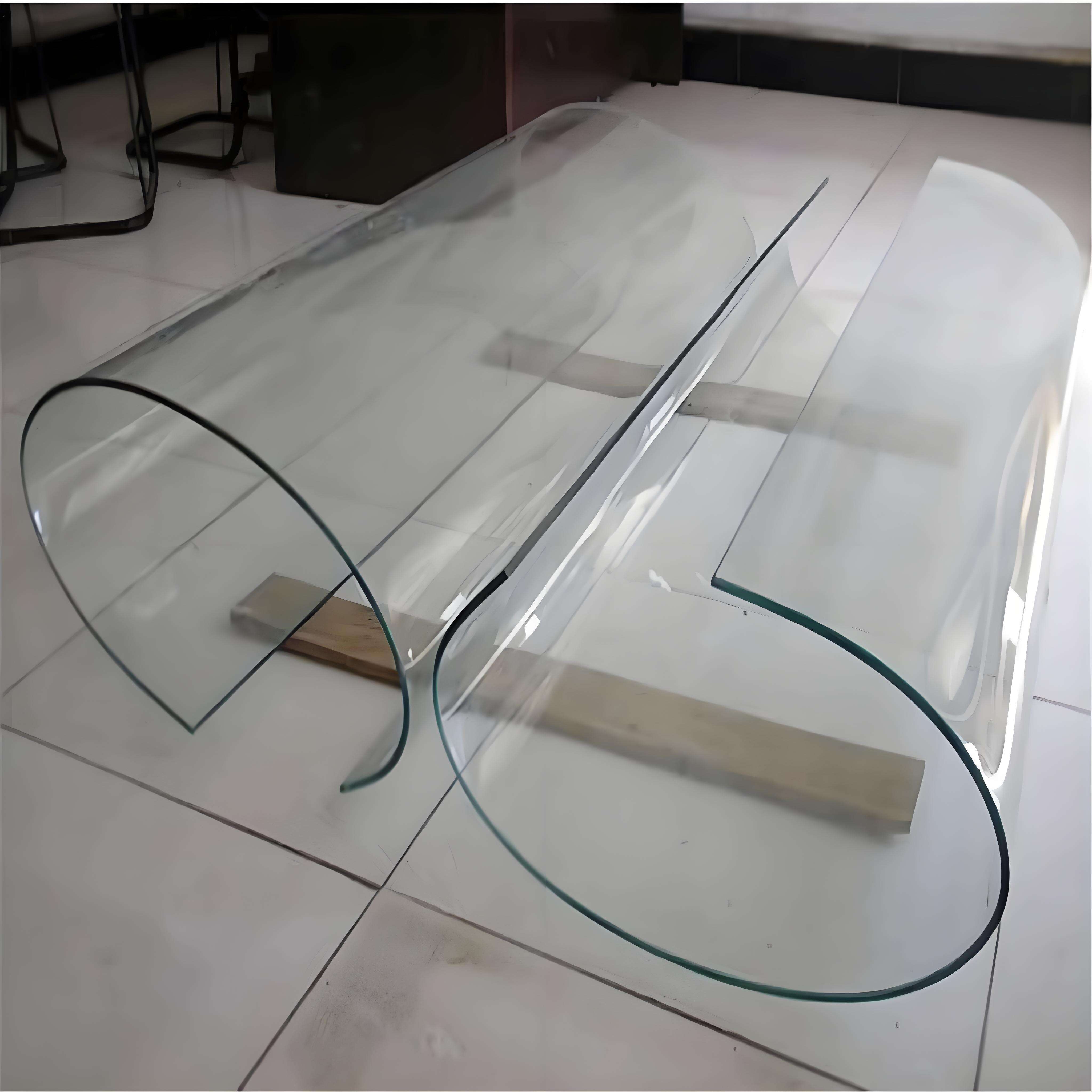
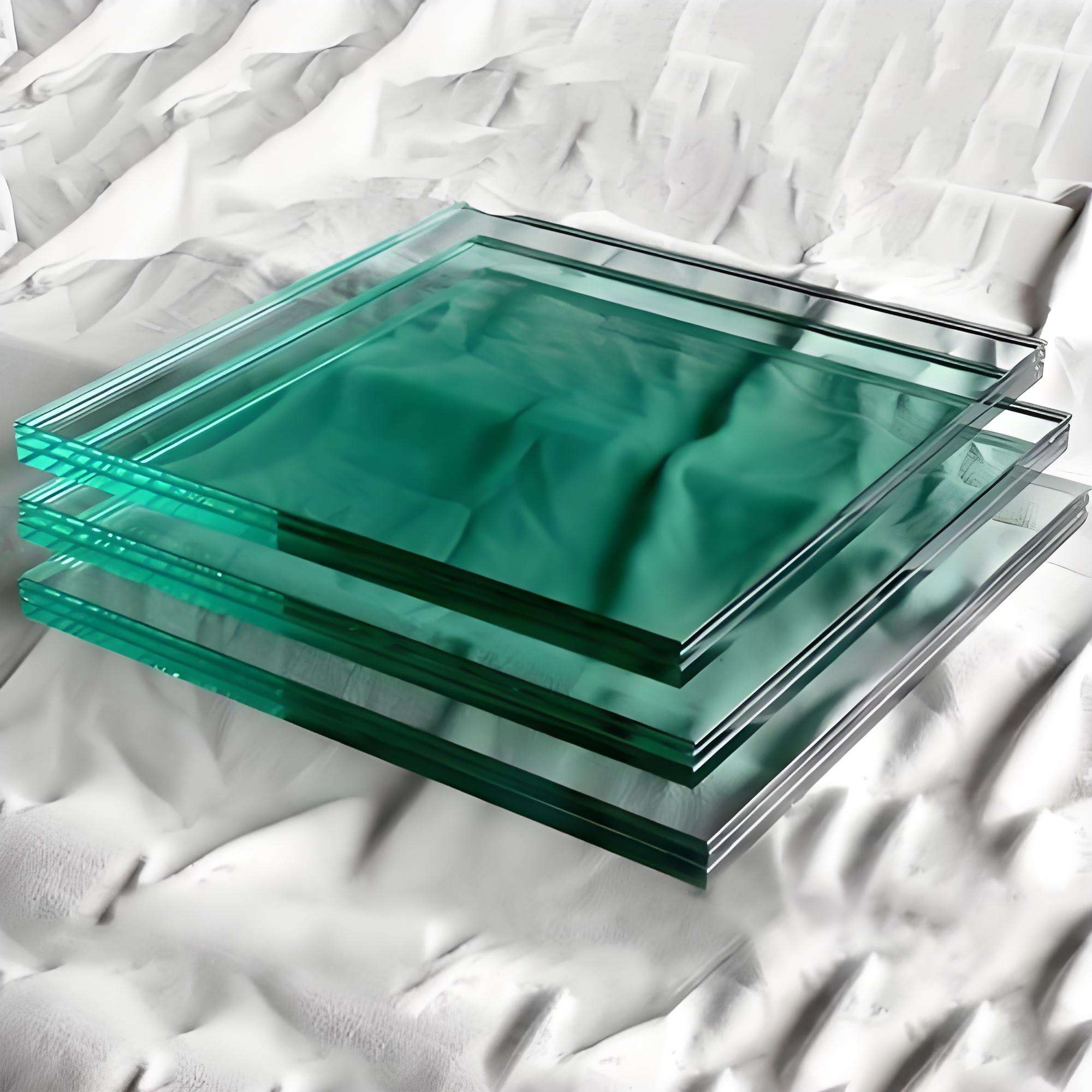
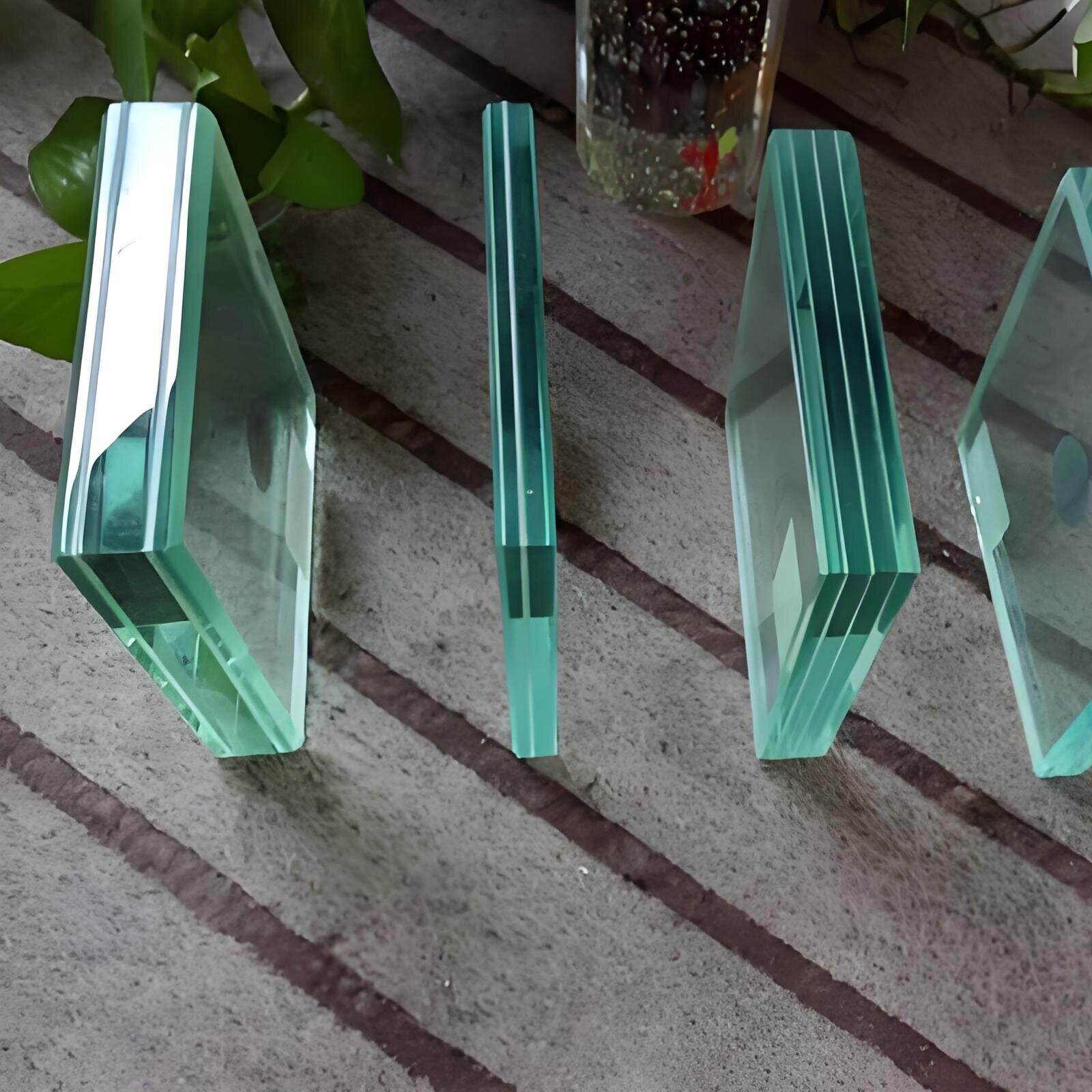
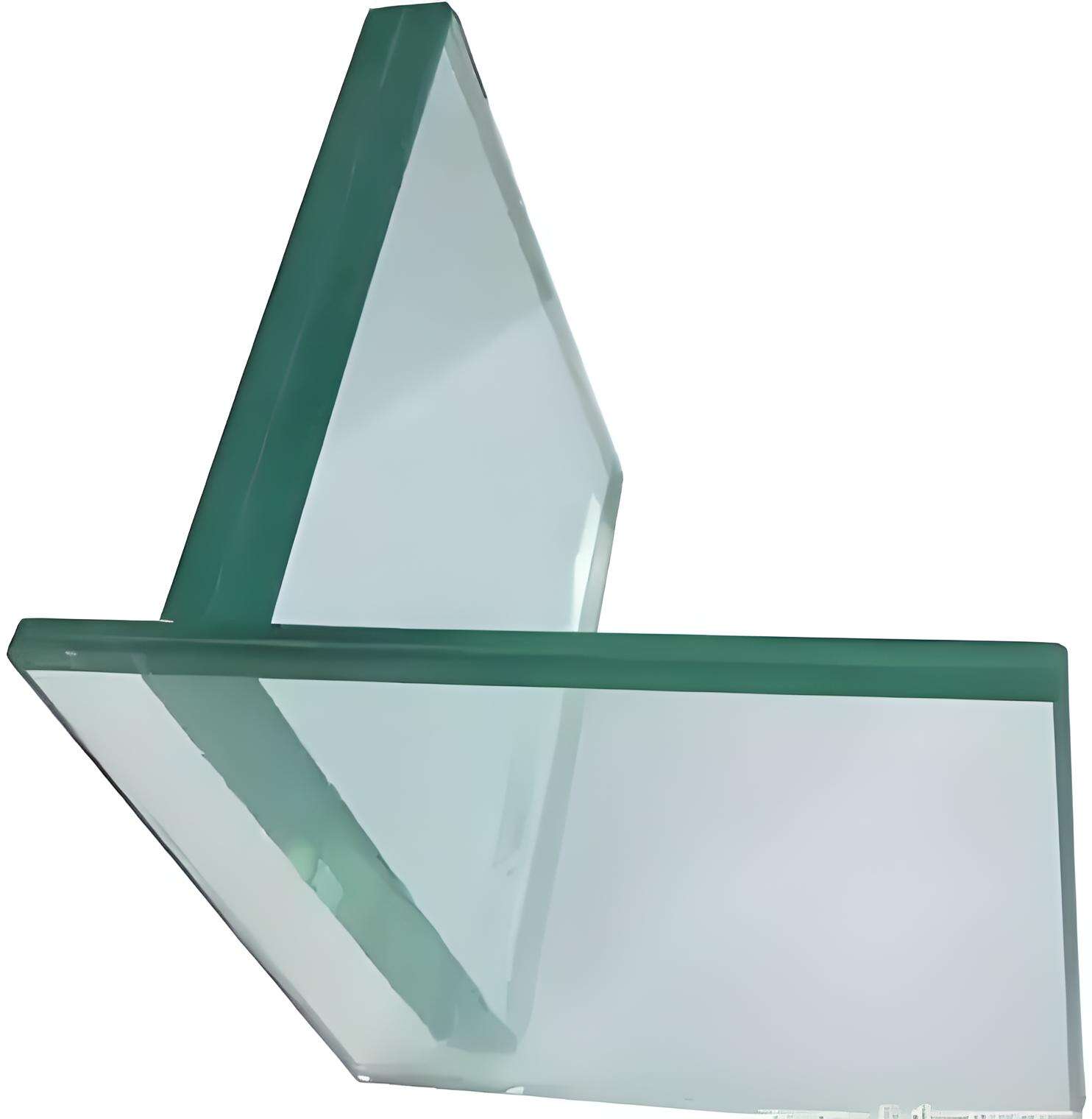
Laminated glass and toughened glass represent two essential safety glass solutions widely used in modern construction and automotive industries. Laminated glass consists of multiple glass layers bonded together with polyvinyl butyral (PVB) interlayers, creating a composite material that holds fragments together when shattered. This manufacturing process ensures that broken pieces adhere to the interlayer rather than scattering dangerously. Toughened glass, also known as tempered glass, undergoes controlled thermal treatment where heating to high temperatures followed by rapid cooling creates surface compression and internal tension. This thermal process increases mechanical strength significantly compared to standard glass. Both laminated glass and toughened glass serve critical safety functions but through different mechanisms. Laminated glass provides security retention and sound insulation while blocking harmful UV radiation effectively. Toughened glass offers superior impact resistance and thermal stability, breaking into small granular chunks rather than dangerous shards. Applications for laminated glass and toughened glass span architectural facades, automotive windshields, balustrades, skylights, shower enclosures, and protective barriers. The construction industry relies heavily on these materials for building codes compliance and occupant protection. Automotive manufacturers specify these glass types based on position-specific requirements, with laminated glass typically used for windshields and toughened glass for side windows. Understanding the distinct characteristics of laminated glass and toughened glass helps architects, builders, and consumers select appropriate solutions for specific environmental conditions and safety requirements.

New Product Releases

Choosing between laminated glass and toughened glass delivers substantial practical benefits that directly impact safety, longevity, and operational efficiency. Laminated glass and toughened glass both exceed standard glass performance but serve different buyer priorities. For property owners prioritizing security, laminated glass creates an effective barrier against forced entry because intruders cannot quickly penetrate the bonded layers even after breakage. This delay factor proves invaluable for residential and commercial security applications. The acoustic insulation properties of laminated glass reduce noise transmission significantly, making it ideal for buildings near airports, highways, or urban centers where sound pollution affects comfort and productivity. Meanwhile, toughened glass provides exceptional thermal shock resistance, withstanding temperature variations that would crack ordinary glass, which makes it perfect for applications involving heat exposure like oven doors and fireplace screens. The spontaneous breakage pattern of toughened glass into small, relatively harmless pieces minimizes injury risk during accidents, offering peace of mind for families and facility managers. Both laminated glass and toughened glass require minimal maintenance compared to alternative materials, reducing long-term operational costs. Their durability translates to extended replacement cycles, lowering lifecycle expenses substantially. For decision-makers evaluating laminated glass and toughened glass, understanding application suitability proves crucial. Laminated glass excels where post-breakage integrity matters most, such as overhead glazing, hurricane-prone regions, and high-security facilities. Toughened glass suits high-traffic areas, sports facilities, and locations requiring strength without thickness. Cost considerations favor toughened glass for straightforward strength requirements, while laminated glass justifies premium pricing through multifunctional benefits including UV protection that prevents interior furnishing fade and enhanced structural integrity during extreme weather events.

Tips And Tricks

Design Ideas: Using Decorative Glass to Elevate Entryways and Hallways

20

Jan

Design Ideas: Using Decorative Glass to Elevate Entryways and Hallways

Transform your entryways and hallways from ordinary passages into stunning architectural statements with the strategic use of decorative glass elements. Modern interior design increasingly emphasizes the importance of transitional spaces, recognizing...
View More
How Does Laminated Glass Provide Superior Sound Insulation and Security?

10

Feb

How Does Laminated Glass Provide Superior Sound Insulation and Security?

Modern architecture demands materials that deliver exceptional performance across multiple critical functions, and laminated glass stands out as one of the most versatile solutions available today. This innovative glazing technology combines multiple...
View More
How Can Tempered Glass Five Times Stronger Than Standard Glass Enhance Home Safety?

11

Mar

How Can Tempered Glass Five Times Stronger Than Standard Glass Enhance Home Safety?

Home safety has become a paramount concern for modern homeowners, especially when it comes to selecting building materials that can withstand extreme conditions while protecting families. Among the various safety enhancements available today, tempere...
View More
How to verify the acoustic performance ratings of laminated glass before installation?

02

Apr

How to verify the acoustic performance ratings of laminated glass before installation?

Verifying the acoustic performance ratings of laminated glass before installation is a critical step in ensuring that building projects meet their intended noise control objectives. Whether you're working on commercial developments, residential high-...
View More

Get a Free Quote

Our representative will contact you soon.
Email
Name
Company Name
Message
0/1000

laminated glass and toughened glass

Superior Safety Through Advanced Break Patterns

Superior Safety Through Advanced Break Patterns

The safety advantages of laminated glass and toughened glass stem from fundamentally different failure mechanisms that protect occupants during accidents. When laminated glass experiences impact, the PVB interlayer maintains structural cohesion by holding glass fragments in place, preventing dangerous projectiles and maintaining a protective barrier even after severe damage. This characteristic proves essential for automotive windshields where maintaining driver visibility during collisions can prevent secondary accidents. The interlayer flexibility also absorbs impact energy, reducing penetration risk from objects or human contact. Toughened glass safety comes from its unique fracture pattern, breaking into thousands of small granular pieces with dulled edges rather than large jagged shards that cause severe lacerations. This breakage characteristic significantly reduces injury severity in accidents involving shower doors, glass tables, and architectural applications. The manufacturing process creates balanced internal stresses that distribute impact forces efficiently, requiring substantially greater force to break compared to annealed glass. Both laminated glass and toughened glass meet stringent safety standards across jurisdictions, with specific applications mandated by building codes. Understanding these break pattern differences helps specifiers choose appropriate solutions based on whether post-breakage integrity or reduced injury severity takes priority for specific installations.
Versatile Applications Across Industries

Versatile Applications Across Industries

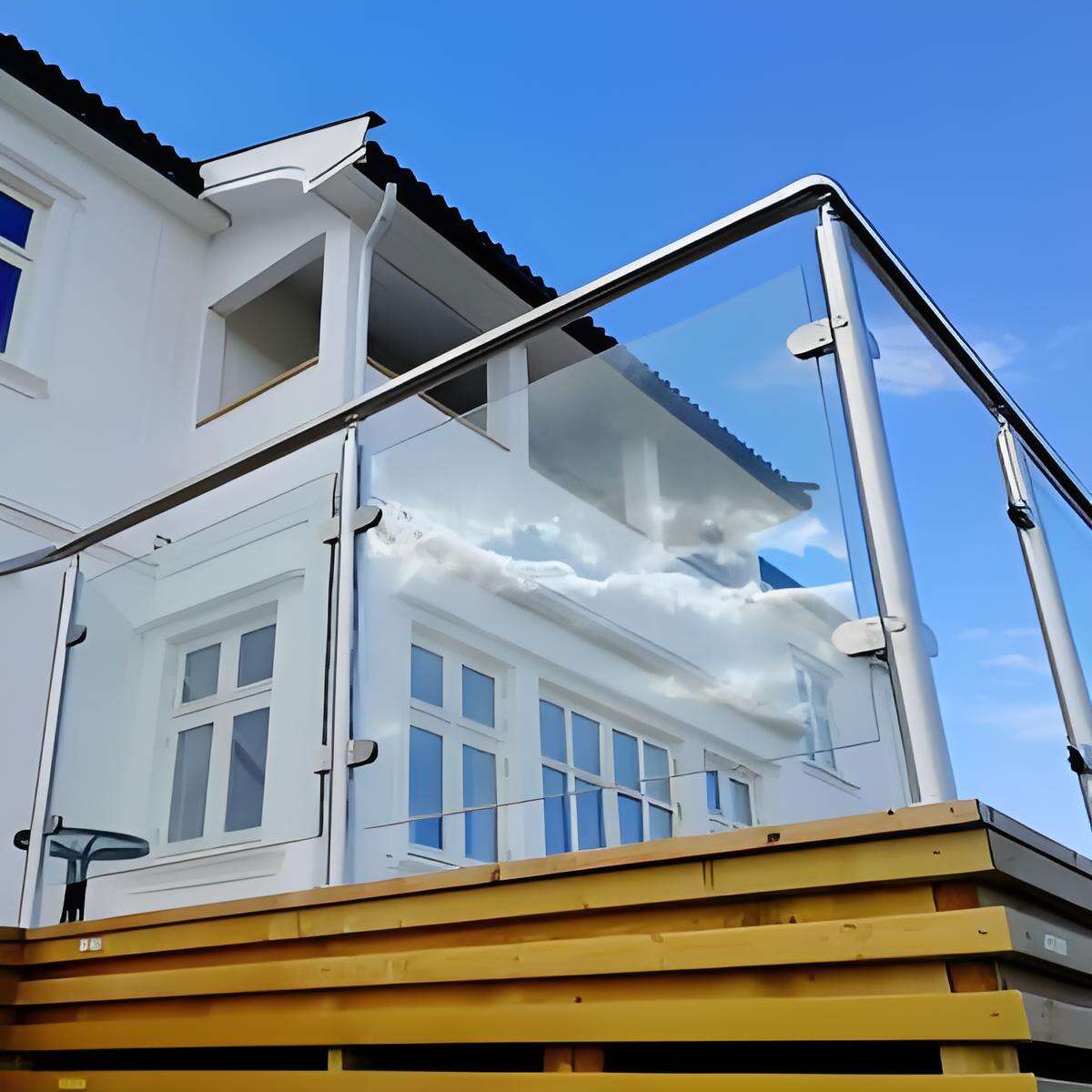
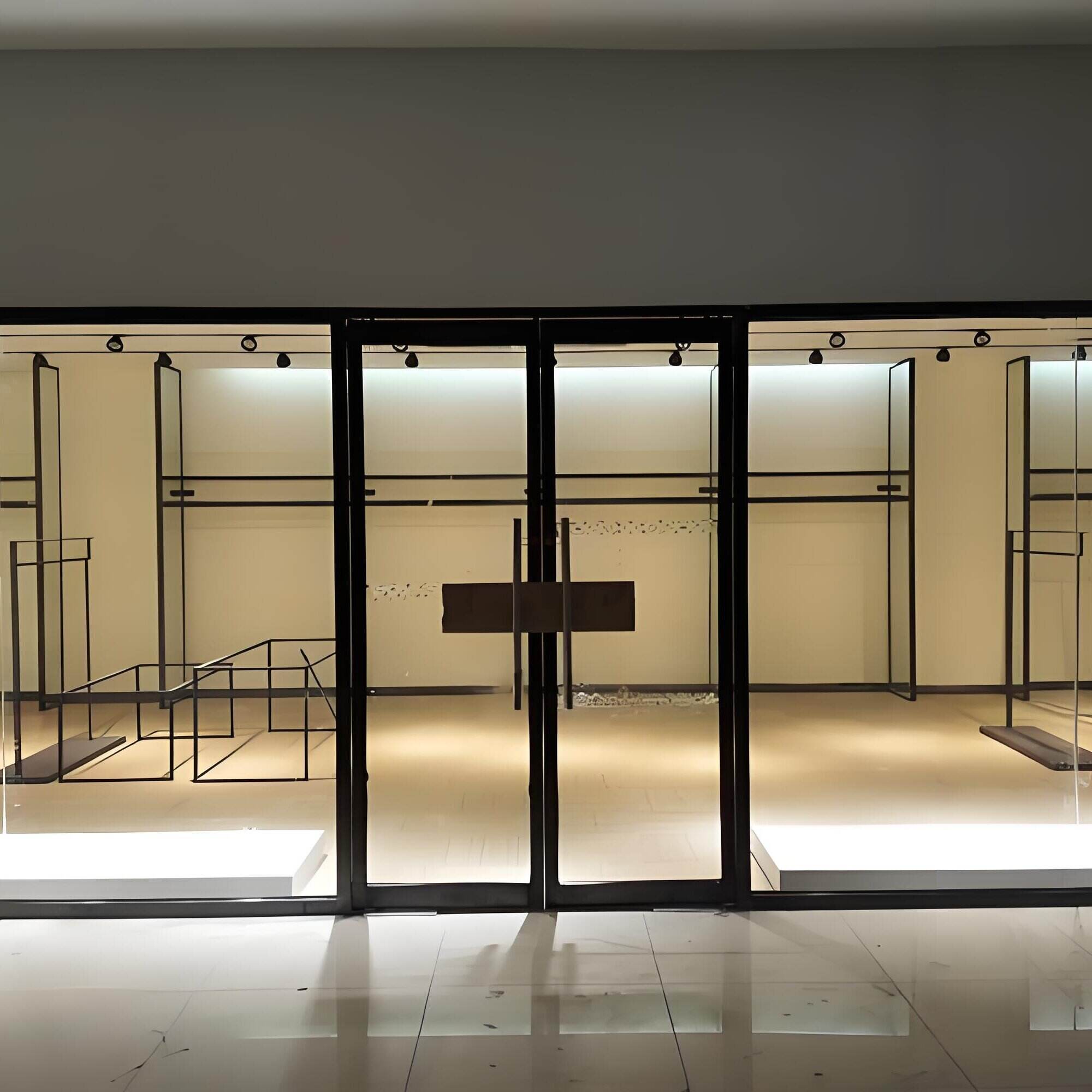
Laminated glass and toughened glass demonstrate remarkable versatility across diverse industry applications, each excelling in specific contexts. Architectural designers specify laminated glass for curtain walls, canopies, and floor systems where transparency combines with structural requirements. The material's ability to support loads even when cracked makes it invaluable for walkways and overhead installations where falling glass poses serious hazards. Museums and galleries prefer laminated glass for display cases because UV-filtering properties protect valuable artifacts from light degradation without compromising visibility. Security-conscious facilities including banks, embassies, and government buildings utilize multi-layer laminated glass configurations offering bullet resistance and blast protection. The automotive sector employs laminated glass and toughened glass strategically, with windshields using laminated construction for occupant retention during collisions while side and rear windows use toughened glass for emergency escape functionality. Residential applications increasingly feature both glass types, with laminated glass in entry doors and large windows for security enhancement, while toughened glass serves shower enclosures, balustrades, and tabletops where strength and safety matter most. Retail environments benefit from toughened glass shopfronts that withstand impacts while laminated glass provides vandal-resistant display solutions. The complementary characteristics of laminated glass and toughened glass enable architects and designers to optimize glazing specifications, matching performance characteristics precisely to functional requirements while maintaining aesthetic continuity across projects.
Long-Term Value and Performance Benefits

Long-Term Value and Performance Benefits

Investing in laminated glass and toughened glass delivers substantial long-term value through durability, energy efficiency, and reduced maintenance requirements. Both materials resist environmental degradation far better than standard glass, maintaining optical clarity and structural integrity throughout extended service lives spanning decades. Laminated glass prevents interior UV damage that degrades furnishings, flooring, and artwork, preserving asset value and eliminating costly premature replacement of interior elements. This protective characteristic particularly benefits retail displays, residential spaces, and commercial interiors with significant finish investments. The acoustic dampening properties of laminated glass contribute to occupant wellbeing by creating quieter interior environments that enhance productivity in offices and improve rest quality in residences near noise sources. Toughened glass thermal performance proves valuable in energy management, withstanding temperature differentials that enable effective passive solar design strategies without structural failure risks. Both laminated glass and toughened glass resist scratching and weathering better than many alternatives, maintaining appearance without frequent cleaning or refinishing. Warranty coverage typically extends longer for these engineered glass products, reflecting manufacturer confidence in performance longevity. The safety characteristics reduce liability exposure for property owners and managers, potentially lowering insurance premiums while protecting against litigation costs associated with glass-related injuries. When evaluating total cost of ownership, laminated glass and toughened glass frequently prove more economical than initially cheaper alternatives that require earlier replacement or generate higher maintenance expenses.
Laminated Glass and Toughened Glass Guide

Get a Free Quote

Our representative will contact you soon.
Email
Name
Company Name
Message
0/1000