Vitro Architectural Glass Solutions and Benefits

Get a Free Quote

Our representative will contact you soon.
Email
Name
Company Name
Message
0/1000

vitro architectural glass

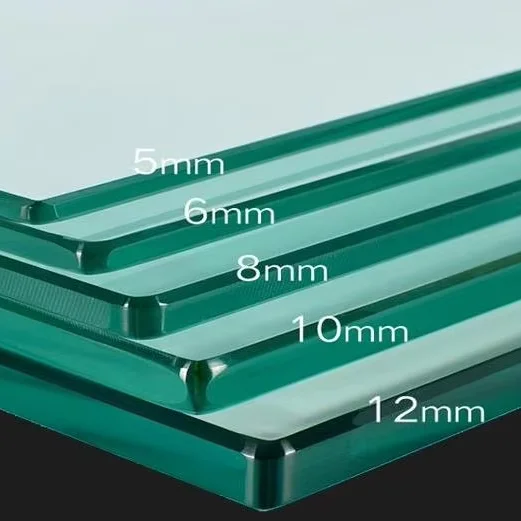
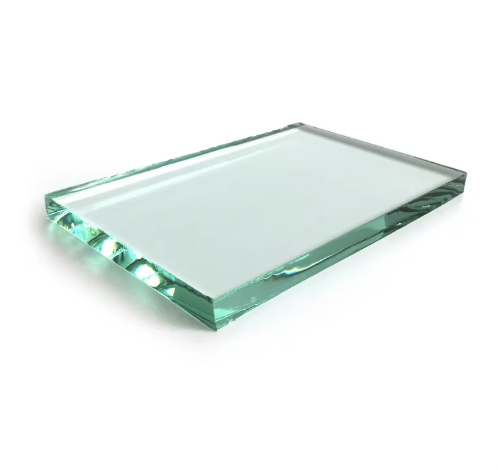
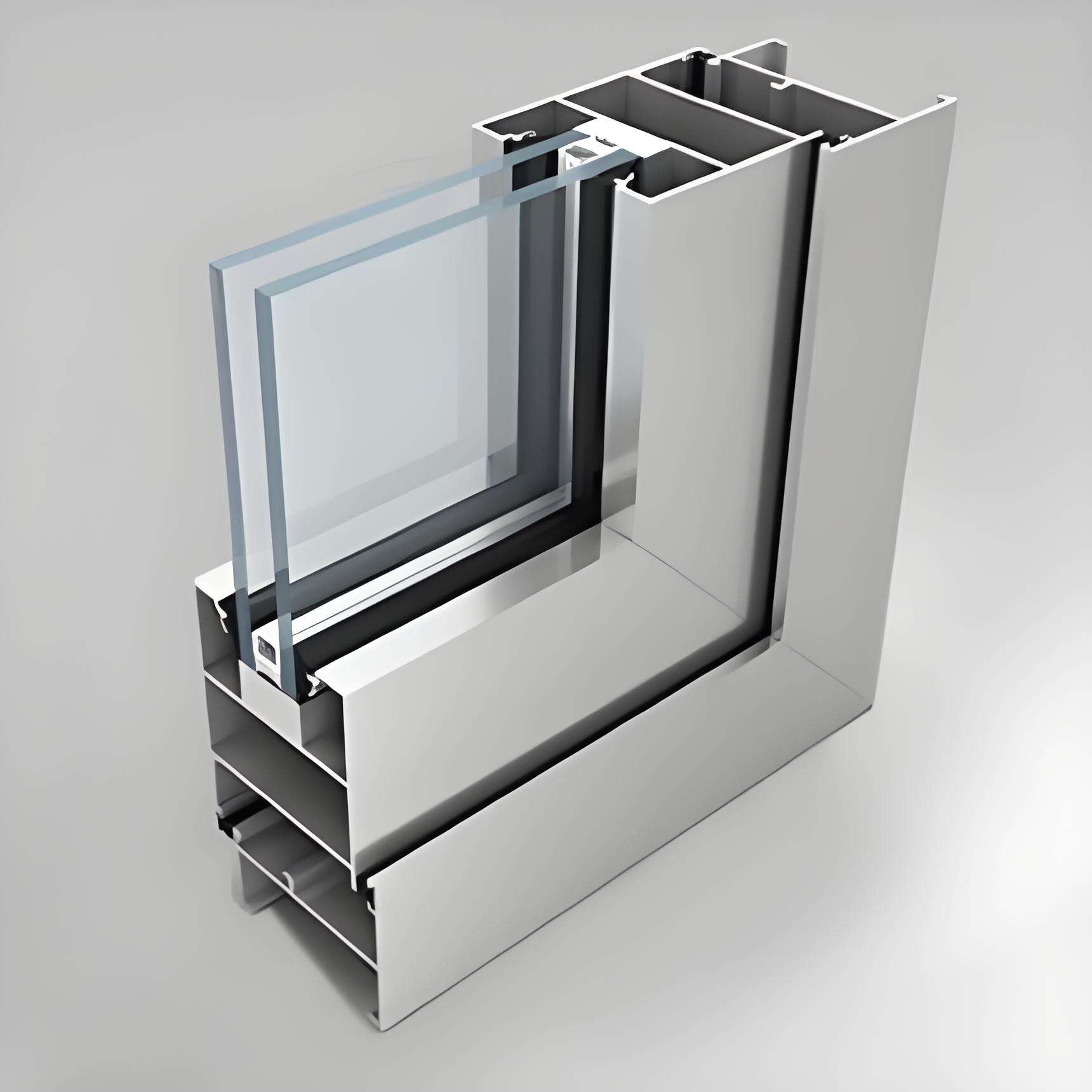
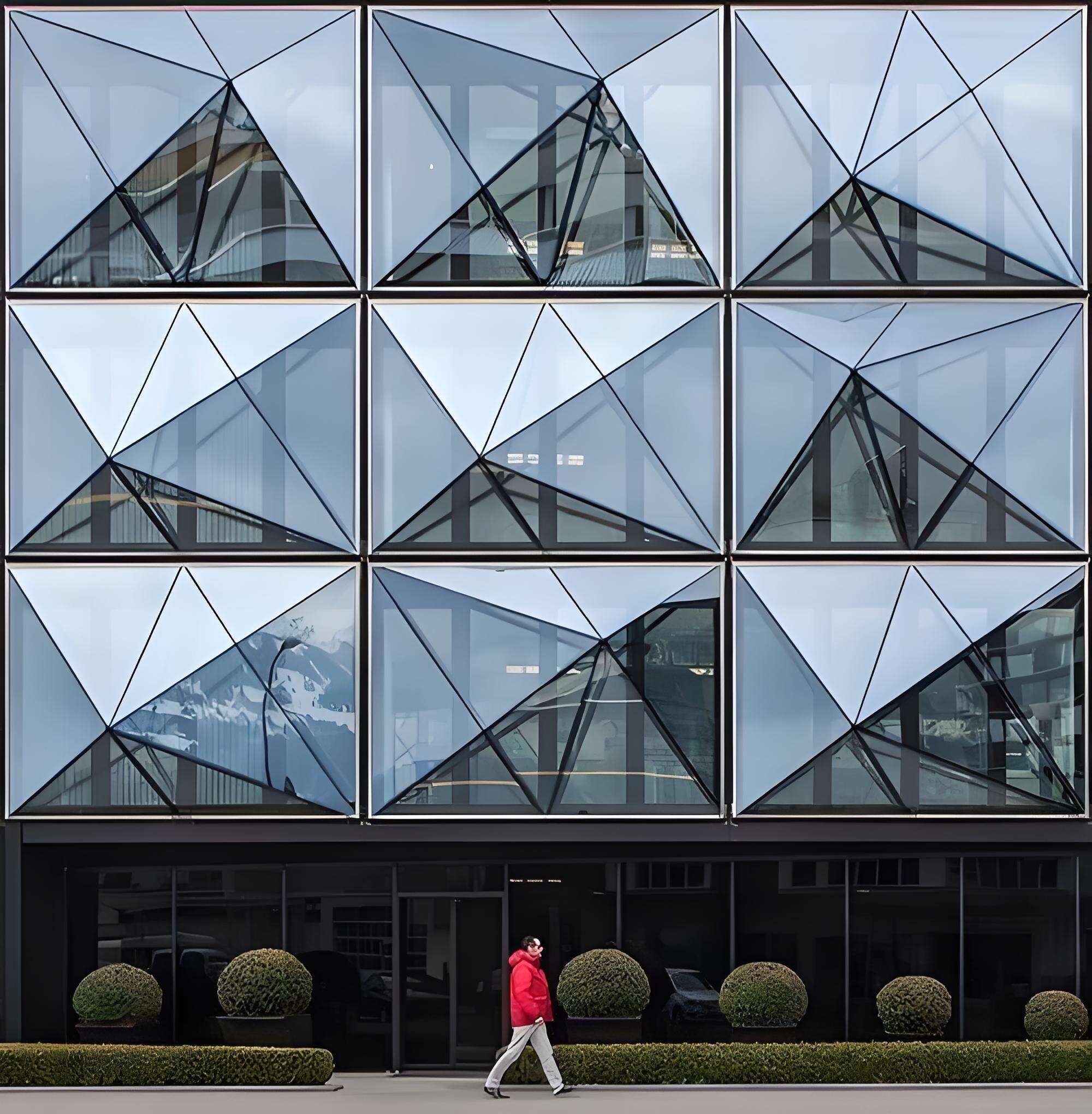
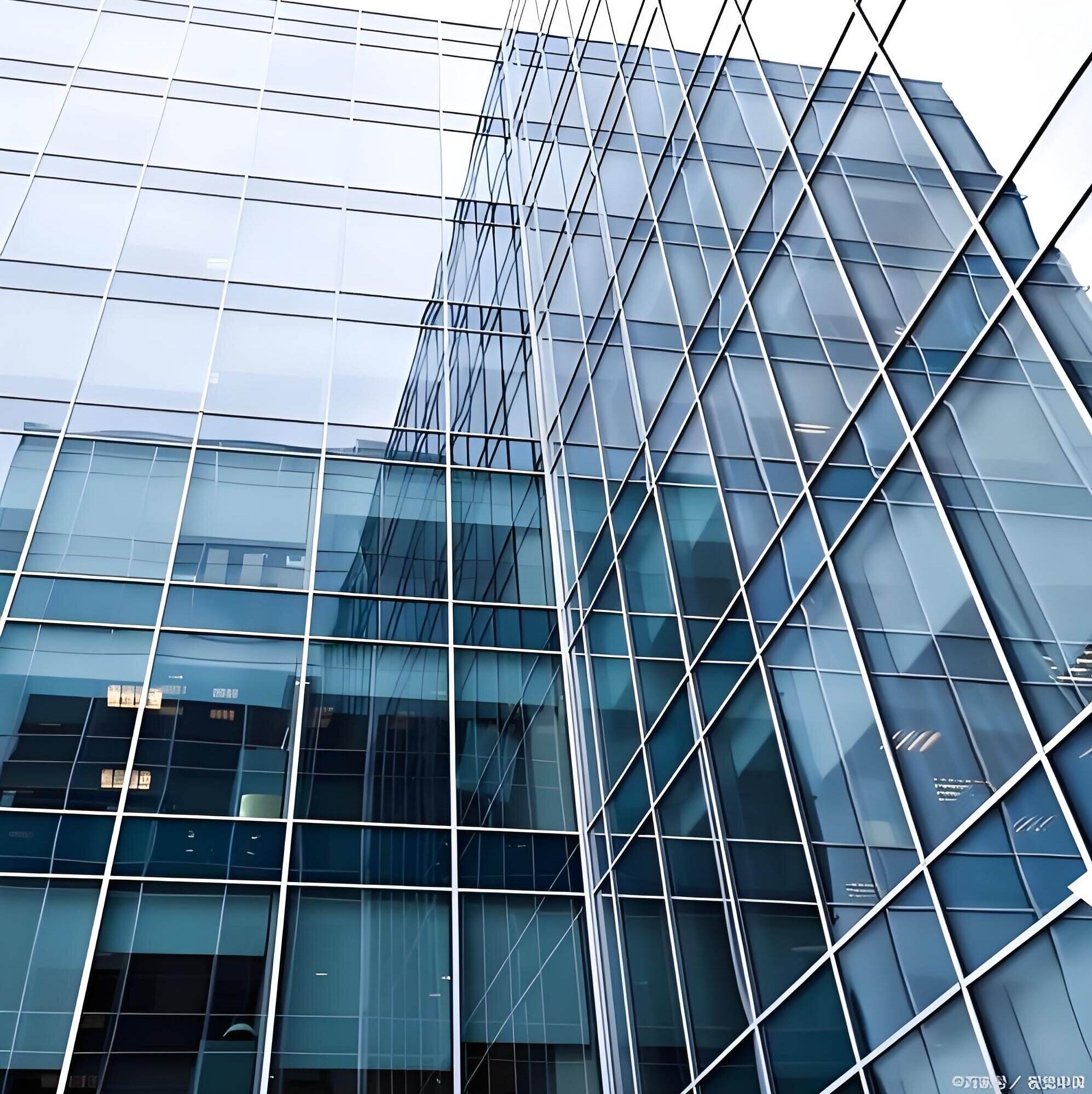
Vitro architectural glass represents a comprehensive range of high-performance glazing solutions designed specifically for modern construction projects. This advanced building material combines cutting-edge manufacturing technology with sophisticated engineering to deliver exceptional performance across residential, commercial, and institutional applications. Vitro architectural glass encompasses various product categories including energy-efficient low-emissivity coatings, solar control glass, acoustic insulation units, and specialized safety glazing systems. The main functions of vitro architectural glass center on controlling solar heat gain, maximizing natural daylight transmission, reducing energy consumption, and enhancing occupant comfort throughout building interiors. Technological features include advanced multi-layer coatings that selectively filter wavelengths, precision-engineered surface treatments for superior durability, and customizable tinting options to match specific aesthetic requirements. The glass manufacturing process utilizes state-of-the-art float glass technology combined with magnetron sputtering vacuum deposition systems to apply microscopic metallic layers. Applications for vitro architectural glass span curtain wall systems, window assemblies, skylight installations, interior partitions, and decorative facades. Architects and building designers select vitro architectural glass to achieve LEED certification requirements, meet stringent building codes, and create visually striking building envelopes. The versatility of vitro architectural glass allows integration with various framing systems including aluminum, steel, and timber profiles while maintaining structural integrity and weatherproofing performance across diverse climate conditions and geographical locations.

Popular Products

Choosing vitro architectural glass delivers substantial energy savings by reducing heating and cooling costs through advanced thermal insulation properties that minimize heat transfer between interior and exterior environments. Building owners experience lower operational expenses as the glass naturally regulates temperature fluctuations, decreasing reliance on mechanical HVAC systems throughout seasonal changes. The superior solar control characteristics of vitro architectural glass block harmful ultraviolet radiation while permitting beneficial visible light transmission, protecting interior furnishings from fading while maintaining bright, comfortable spaces for occupants. This dual functionality creates healthier indoor environments without sacrificing natural illumination that enhances productivity and wellbeing. Installation flexibility represents another practical advantage as vitro architectural glass adapts to various architectural styles from contemporary minimalist designs to traditional building renovations, offering customization options including different thicknesses, colors, and performance specifications. The durability of vitro architectural glass ensures long-term value with scratch-resistant surfaces and stable coating systems that maintain optical clarity and energy performance throughout decades of service life, eliminating frequent replacement costs. Maintenance requirements remain minimal as special coatings resist dirt accumulation and simplify cleaning procedures, reducing ongoing building management expenses. For commercial property developers, specifying vitro architectural glass increases market value and tenant appeal through enhanced aesthetics and documented energy efficiency credentials. The acoustic insulation capabilities of vitro architectural glass create quieter interior spaces by dampening external noise pollution, particularly valuable for urban locations near transportation corridors or busy commercial districts. Decision-makers benefit from comprehensive technical support and performance data that facilitate confident specification choices aligned with project budgets, sustainability goals, and functional requirements across diverse building typologies and usage scenarios.

Latest News

Exploring the Aesthetic Versatility of Decorative Glass Panels

20

Jan

Exploring the Aesthetic Versatility of Decorative Glass Panels

The modern architectural landscape has witnessed a remarkable transformation with the integration of decorative glass panels as essential design elements. These versatile components have revolutionized how designers and architects approach both inter...
View More
Is Laminated Glass the Key to UV Protection and Energy Efficiency?

10

Feb

Is Laminated Glass the Key to UV Protection and Energy Efficiency?

Modern construction demands materials that deliver superior performance across multiple criteria, and laminated glass has emerged as a standout solution for architects and builders seeking enhanced safety, energy efficiency, and UV protection. This i...
View More
How Does Laminated Glass with PVB Interlayer Hold Together When Broken?

11

Mar

How Does Laminated Glass with PVB Interlayer Hold Together When Broken?

When safety and security are paramount in architectural applications, laminated glass with PVB interlayer emerges as a critical solution that maintains structural integrity even under extreme stress. This innovative glass technology combines multiple...
View More
What makes tempered glass up to five times stronger than standard annealed glass?

02

Apr

What makes tempered glass up to five times stronger than standard annealed glass?

Understanding the remarkable strength difference between tempered glass and standard annealed glass begins with examining the fundamental manufacturing processes that create these distinct material properties. The five-fold strength increase that tem...
View More

Get a Free Quote

Our representative will contact you soon.
Email
Name
Company Name
Message
0/1000

vitro architectural glass

Advanced Energy Efficiency Technology

Advanced Energy Efficiency Technology

Vitro architectural glass incorporates sophisticated low-emissivity coating technology that fundamentally transforms building energy performance through precise control of infrared radiation transfer. These microscopically thin metallic layers, typically measuring only nanometers in thickness, reflect interior heat back into occupied spaces during cold weather while blocking external solar heat during warm seasons. This intelligent thermal management reduces annual energy consumption by up to forty percent compared to standard glazing products, translating directly into lower utility bills and reduced carbon footprint. The coating system maintains excellent visible light transmission exceeding seventy percent, ensuring naturally bright interiors without the dimming effect associated with older tinted glass products. Building certifications including LEED, BREEAM, and Energy Star recognition become readily achievable when specifying vitro architectural glass, supporting organizational sustainability commitments and regulatory compliance. The technology performs consistently across various climate zones, from arctic regions requiring maximum heat retention to tropical locations demanding superior solar rejection, making vitro architectural glass a universally applicable solution for energy-conscious construction projects seeking measurable performance improvements and long-term operational cost reductions.
Superior Optical Clarity and Aesthetics

Superior Optical Clarity and Aesthetics

The manufacturing excellence behind vitro architectural glass ensures exceptional optical quality that elevates architectural vision through distortion-free transparency and consistent color rendering across large glazed areas. Advanced production processes eliminate surface imperfections, waviness, and visual distortions that compromise inferior glass products, delivering pristine views and seamless integration with building design concepts. Architects appreciate the extensive customization possibilities including neutral, blue, green, and bronze tints that complement various facade materials and design palettes while maintaining the functional performance characteristics essential for building envelope systems. The glass surface treatments resist atmospheric contaminants and environmental degradation, preserving original appearance throughout extended service life without yellowing, hazing, or coating deterioration. This aesthetic durability protects architectural intent and maintains property value as buildings age. Interior applications benefit equally from the clarity of vitro architectural glass, creating elegant partitions and decorative features that define space while preserving visual connectivity and natural light flow. The combination of beauty and performance positions vitro architectural glass as the preferred specification for landmark projects, corporate headquarters, hospitality developments, and residential towers where appearance quality directly influences market positioning and competitive differentiation within demanding real estate markets.
Comprehensive Safety and Durability Standards

Comprehensive Safety and Durability Standards

Vitro architectural glass meets rigorous international safety standards through engineered strength characteristics and optional lamination or tempering processes that enhance impact resistance and protect building occupants. Tempered versions provide four to five times greater strength than standard annealed glass, shattering into small granular pieces rather than dangerous shards when breakage occurs, minimizing injury risk in high-traffic areas or locations vulnerable to accidental impact. Laminated configurations incorporate polymer interlayers that hold glass fragments together even after severe damage, maintaining barrier integrity essential for security applications, hurricane-resistant construction, and overhead glazing installations. The structural performance of vitro architectural glass withstands wind loads, thermal stress, and seismic movement through proper engineering and installation techniques supported by comprehensive technical documentation. Weather resistance ensures reliable performance across extreme temperature ranges, humidity variations, and exposure to precipitation without seal failure or moisture infiltration that compromises insulating properties. Quality assurance testing validates every production batch against stringent specifications for coating adhesion, optical properties, and dimensional accuracy, providing specifiers with confidence in consistent product performance. The proven track record of vitro architectural glass across thousands of completed projects worldwide demonstrates reliable long-term durability that protects construction investments and ensures ongoing satisfaction for building owners, facility managers, and end users.
Vitro Architectural Glass Solutions and Benefits

Get a Free Quote

Our representative will contact you soon.
Email
Name
Company Name
Message
0/1000