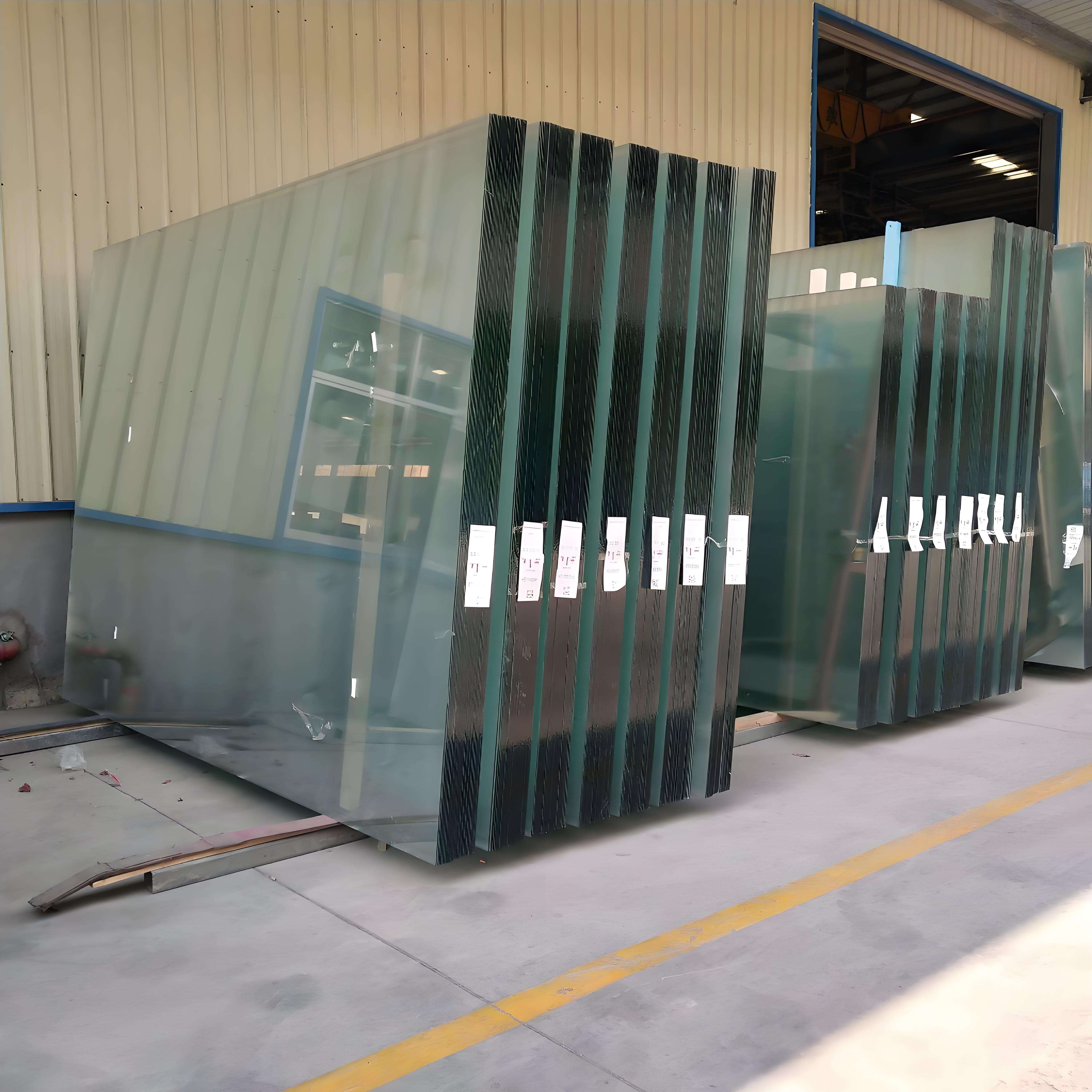
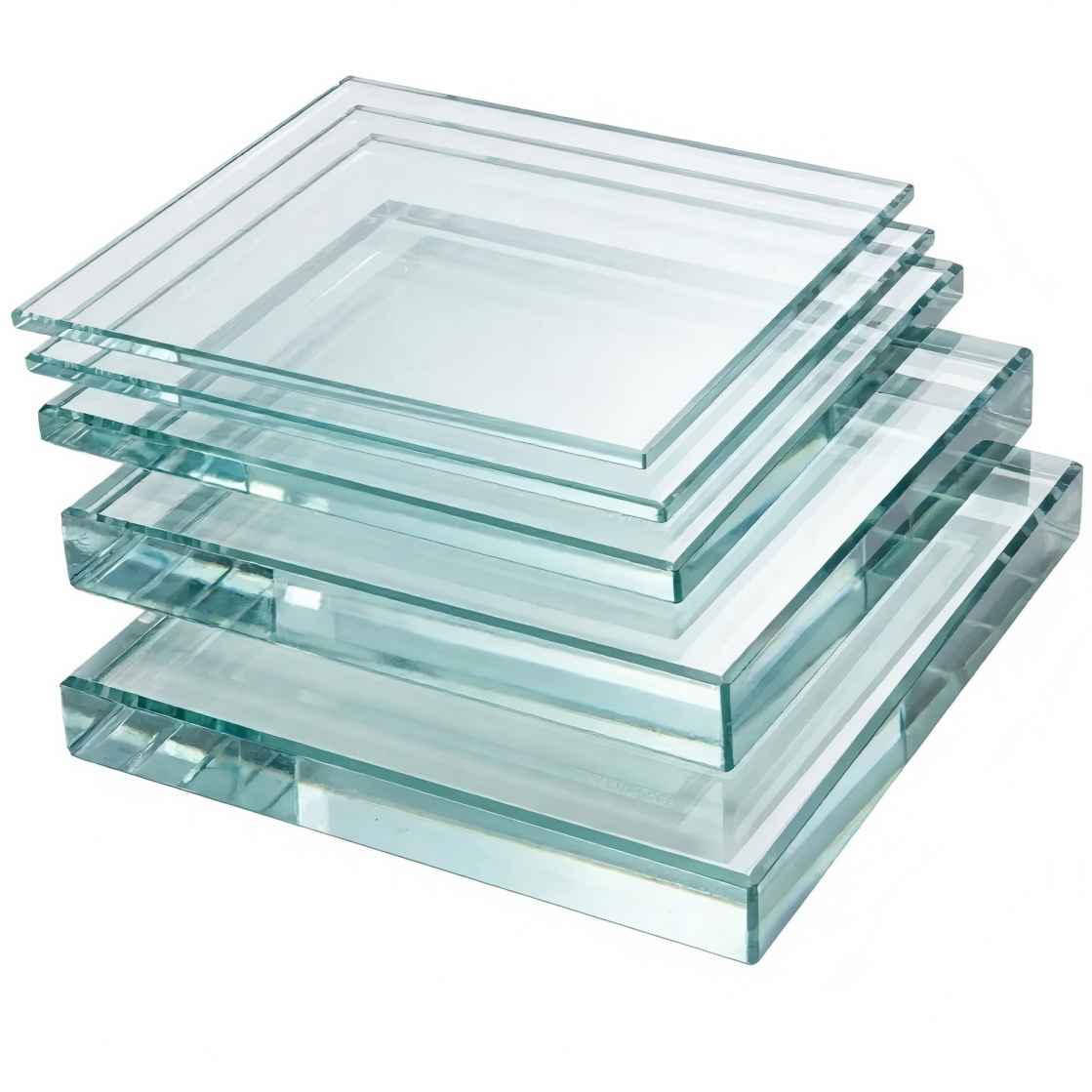
Tempered Windows: Safety, Strength & Durability

Get a Free Quote

Our representative will contact you soon.
Email
Name
Company Name
Message
0/1000

tempered windows

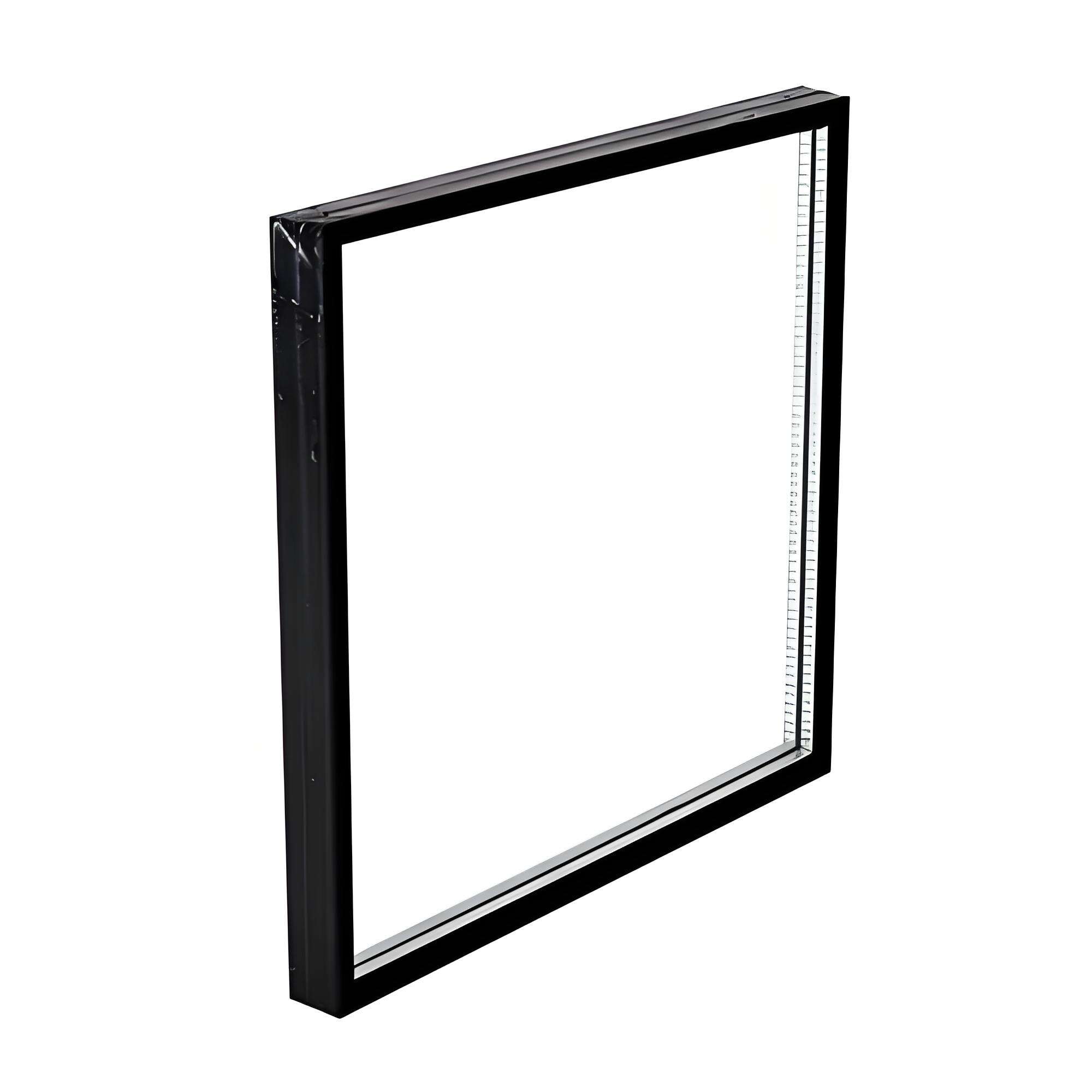
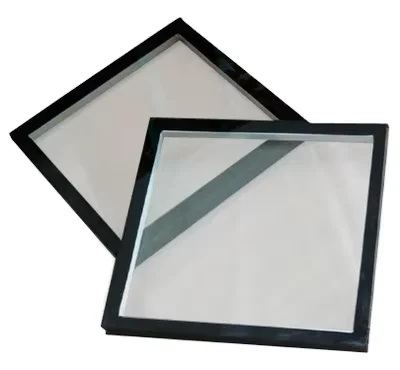
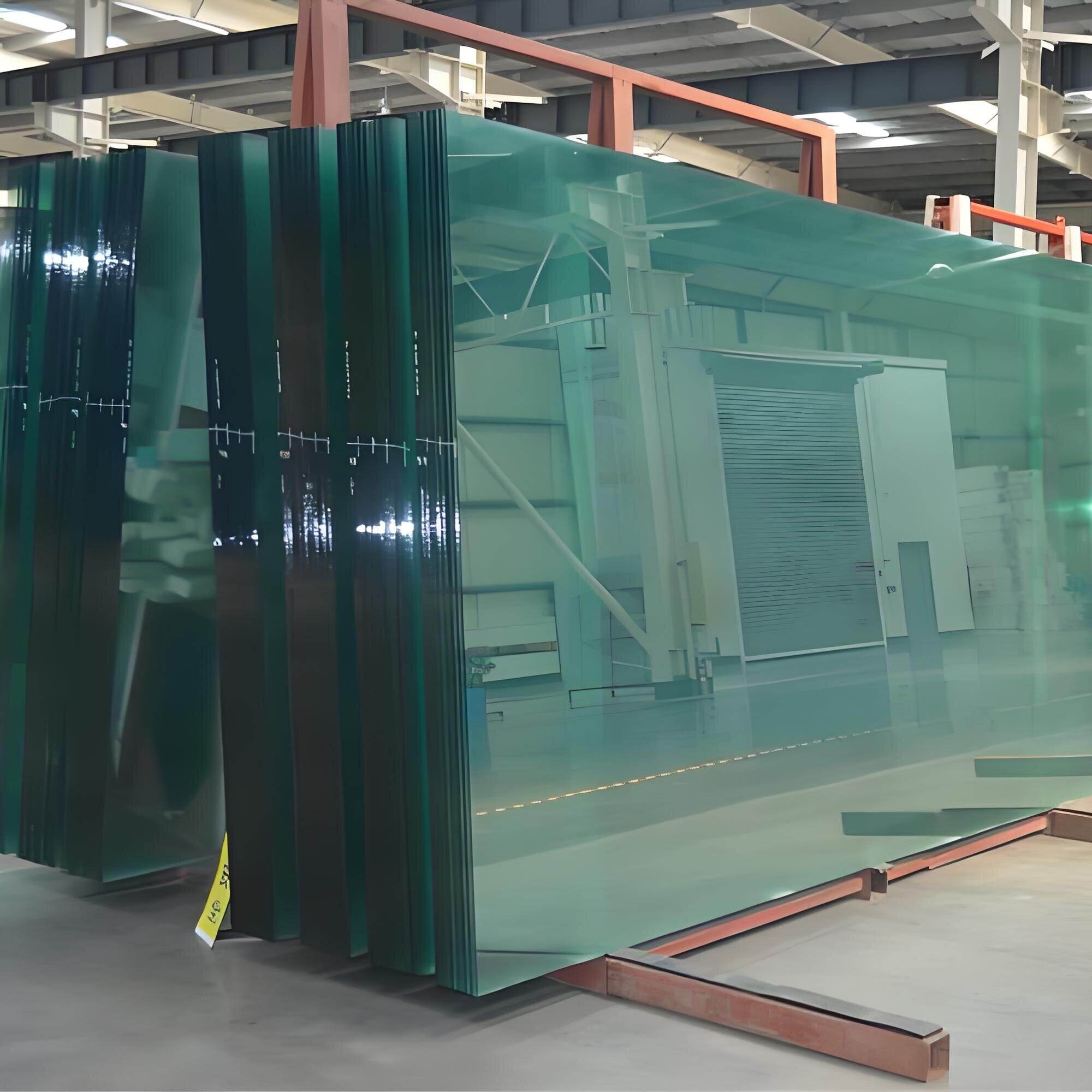
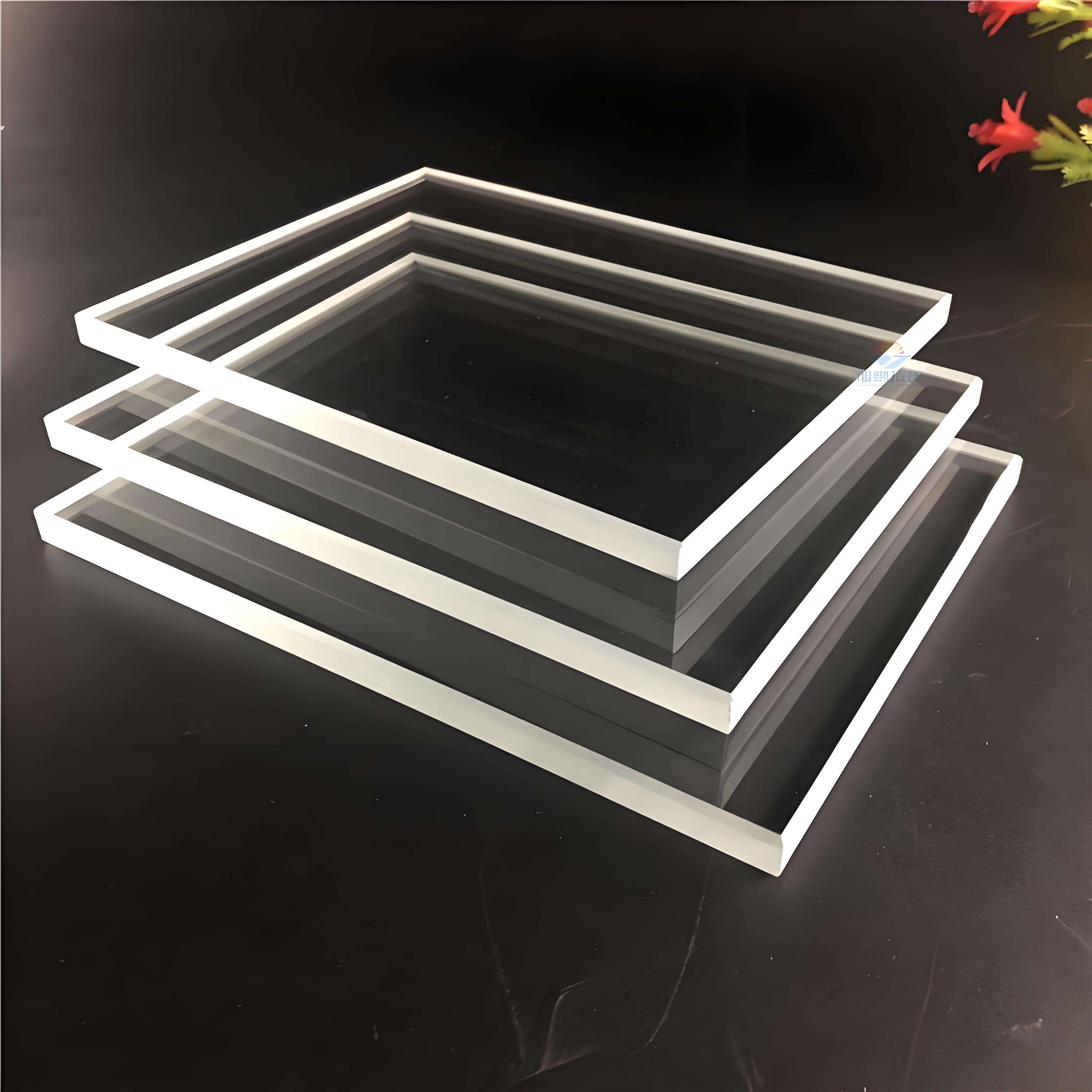
Tempered windows represent a superior glazing solution engineered through a specialized heat treatment process that transforms ordinary glass into a safety-enhanced building material. These windows undergo controlled thermal tempering where glass is heated to approximately 620 degrees Celsius and then rapidly cooled, creating surface compression and interior tension that makes the material up to five times stronger than standard annealed glass. The main function of tempered windows is to provide enhanced safety, as they shatter into small, relatively harmless granular pieces rather than dangerous sharp shards when broken. Technologically, tempered windows feature uniform strength distribution across the entire surface, exceptional resistance to thermal stress, and improved structural integrity that withstands impact and wind loads effectively. These windows find applications across residential properties, commercial buildings, automotive manufacturing, shower enclosures, glass doors, skylights, and high-rise constructions where safety codes mandate their use. The tempering process creates permanent characteristics that cannot be altered post-production, meaning tempered windows cannot be cut, drilled, or modified after treatment. This manufacturing requirement ensures quality control and consistent performance standards. Modern tempered windows can incorporate low-emissivity coatings, tinting options, and lamination for enhanced energy efficiency and security. Their widespread adoption in contemporary architecture reflects growing emphasis on occupant safety, building code compliance, and long-term durability in glazing applications across diverse environmental conditions and structural requirements.

New Products

Choosing tempered windows delivers substantial practical benefits that directly impact your property's safety, longevity, and value. The primary advantage lies in superior safety performance - when tempered windows break, they fragment into small, blunt pieces that significantly reduce injury risk compared to standard glass that creates dangerous jagged shards. This safety feature provides peace of mind for families with children and pets while reducing liability concerns for commercial property owners. Operationally, tempered windows offer exceptional durability, resisting impacts from debris, accidental collisions, and harsh weather conditions that would compromise ordinary glass. Their strength translates to fewer replacements, lower maintenance costs, and extended service life that justifies the initial investment. These windows demonstrate remarkable thermal stability, withstanding temperature fluctuations without cracking, making them ideal for areas exposed to direct sunlight or varying climate conditions. For homeowners and builders, tempered windows satisfy building codes and insurance requirements in designated safety glazing areas, streamlining approval processes and potentially reducing insurance premiums. Their application suitability extends across multiple scenarios - from bathroom enclosures where moisture and temperature changes occur, to storefront installations requiring security and visual appeal, to patio doors experiencing frequent use and exposure. The decision to install tempered windows represents smart risk management, combining regulatory compliance with practical protection. Property value increases with quality safety features, and tempered windows contribute to marketability during resale. Additionally, modern tempered windows integrate seamlessly with energy-efficient technologies, supporting sustainability goals without compromising safety standards. Their proven performance record across residential, commercial, and industrial applications demonstrates reliable functionality that meets diverse buyer needs and operational requirements effectively.

Tips And Tricks

Is Laminated Glass the Key to UV Protection and Energy Efficiency?

10

Feb

Is Laminated Glass the Key to UV Protection and Energy Efficiency?

Modern construction demands materials that deliver superior performance across multiple criteria, and laminated glass has emerged as a standout solution for architects and builders seeking enhanced safety, energy efficiency, and UV protection. This i...
View More
How Do You Select Between Clear and Tinted Laminated Glass for UV Protection?

11

Mar

How Do You Select Between Clear and Tinted Laminated Glass for UV Protection?

When architects and building designers face the challenge of selecting appropriate glazing solutions, the choice between clear and tinted laminated glass becomes critical for achieving optimal UV protection. Modern construction projects demand materi...
View More
How to select laminated glass for overhead skylights requiring fall-through protection?

02

Apr

How to select laminated glass for overhead skylights requiring fall-through protection?

Selecting the right laminated glass for overhead skylights with fall-through protection requirements demands careful consideration of multiple safety, structural, and performance factors. Unlike standard glazing applications, overhead installations p...
View More
How to verify the acoustic performance ratings of laminated glass before installation?

02

Apr

How to verify the acoustic performance ratings of laminated glass before installation?

Verifying the acoustic performance ratings of laminated glass before installation is a critical step in ensuring that building projects meet their intended noise control objectives. Whether you're working on commercial developments, residential high-...
View More

Get a Free Quote

Our representative will contact you soon.
Email
Name
Company Name
Message
0/1000

tempered windows

Uncompromising Safety Through Advanced Break Pattern Technology

Uncompromising Safety Through Advanced Break Pattern Technology

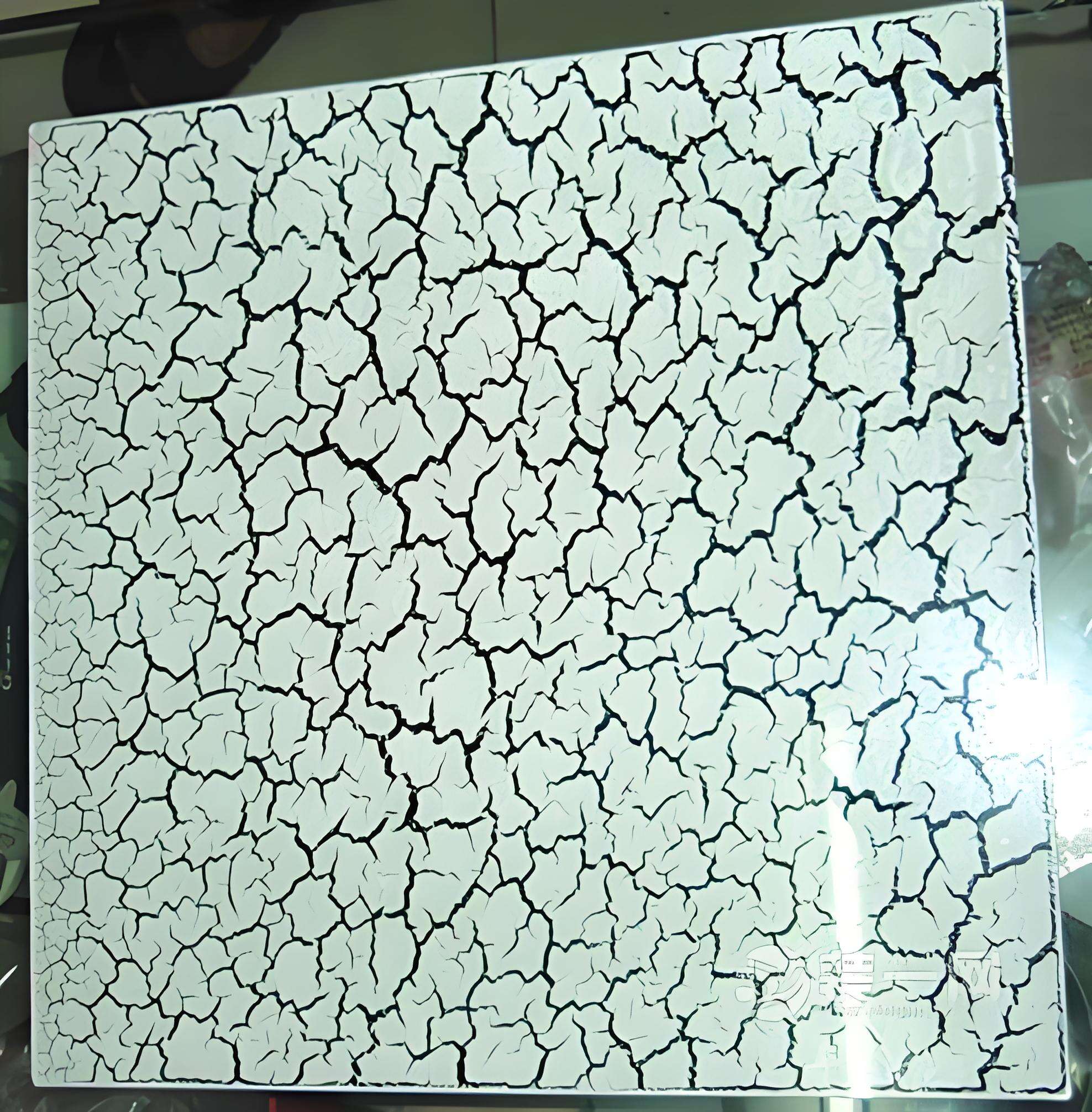
The defining characteristic of tempered windows is their revolutionary safety performance achieved through precise thermal engineering. Unlike conventional glass that creates life-threatening sharp fragments, tempered windows shatter into thousands of small, cube-like pieces with dulled edges that minimize laceration risks during accidental breakage. This protective break pattern results from the tempering process that creates balanced internal stress distribution throughout the glass structure. When impact occurs, the entire pane disintegrates simultaneously rather than producing pointed shards that cause severe injuries. This feature proves invaluable in high-traffic areas, children's rooms, and commercial spaces where human safety is paramount. Building codes across numerous jurisdictions mandate tempered windows in hazardous locations including doors, sidelights, low windows, and bathrooms specifically because of this safety advantage. For property owners, this translates to reduced liability exposure and compliance with legal requirements. Parents gain confidence knowing their children face minimal danger from accidental glass breakage. Business operators protect customers and employees while meeting occupational safety standards that prevent costly workplace injuries and associated legal complications.
Exceptional Strength and Thermal Resistance for Long-Term Performance

Exceptional Strength and Thermal Resistance for Long-Term Performance

Tempered windows deliver impressive structural strength that outperforms standard glass by a factor of five, providing robust protection against environmental stresses and physical impacts. This enhanced durability stems from the tempering process that creates surface compression balancing internal tension, resulting in glass that resists bending, impact forces, and pressure differentials more effectively than untreated alternatives. The practical benefit becomes evident during severe weather events when tempered windows withstand high winds, flying debris, and hail that would shatter ordinary glass. Equally important is their superior thermal resistance, allowing tempered windows to handle temperature variations exceeding 200 degrees Celsius without cracking or failing. This characteristic makes them ideal for installations receiving intense solar exposure, such as south-facing windows, skylights, and sunrooms where temperature fluctuations challenge conventional glazing. The combination of mechanical strength and thermal stability translates to extended service life with minimal maintenance requirements. Property owners experience fewer replacements, reduced repair costs, and consistent performance across years of operation. This durability makes tempered windows a cost-effective long-term investment that protects building envelopes while maintaining aesthetic appeal and functional integrity throughout varying seasonal conditions and environmental challenges.
Versatile Applications Meeting Diverse Architectural and Functional Needs

Versatile Applications Meeting Diverse Architectural and Functional Needs

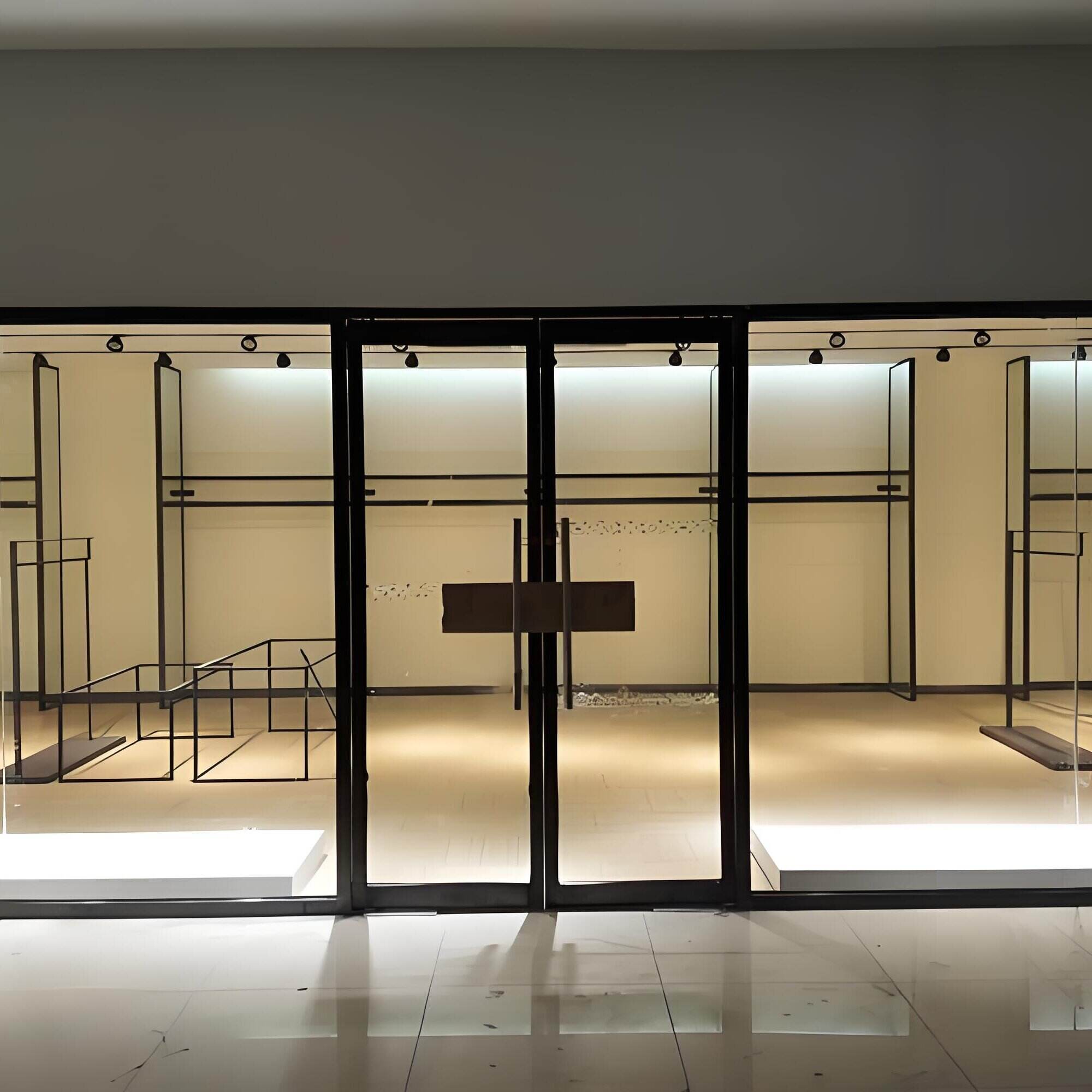
Tempered windows demonstrate remarkable versatility, adapting to numerous applications across residential, commercial, and specialized environments where safety, strength, and reliability are essential. In residential settings, tempered windows serve bathrooms, shower enclosures, patio doors, storm doors, and any location near walking surfaces where human contact is likely. Homeowners benefit from code-compliant installations that enhance property value while providing family protection. Commercial applications include storefront displays, office partitions, revolving doors, and curtain wall systems where both security and visual transparency matter. Retail establishments utilize tempered windows to create attractive displays while deterring break-ins and protecting merchandise. The automotive industry relies exclusively on tempered glass for side and rear windows, capitalizing on the safety break pattern that allows emergency egress while preventing injury during accidents. Architectural designers incorporate tempered windows in modern structures featuring floor-to-ceiling glazing, glass railings, and dramatic transparent elements that demand structural integrity without compromising aesthetics. Industrial facilities install tempered windows in equipment enclosures, control rooms, and protective barriers where impact resistance and temperature tolerance are operational requirements. This broad application range demonstrates how tempered windows address diverse functional needs across multiple industries, providing tailored solutions that balance safety regulations, performance demands, and design objectives effectively.

Tempered Windows: Safety, Strength & Durability

Get a Free Quote

Our representative will contact you soon.
Email
Name
Company Name
Message
0/1000