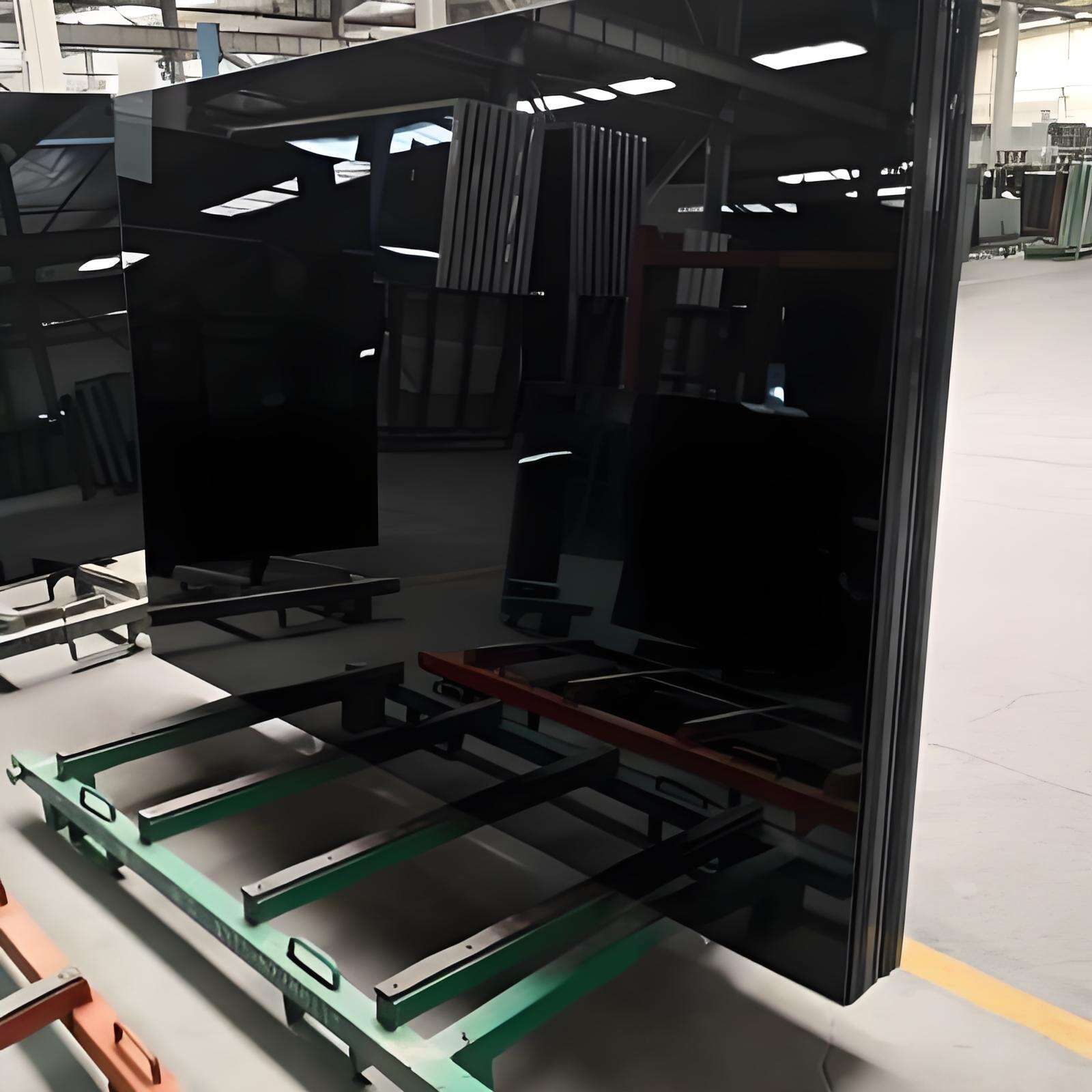
screen printed glass
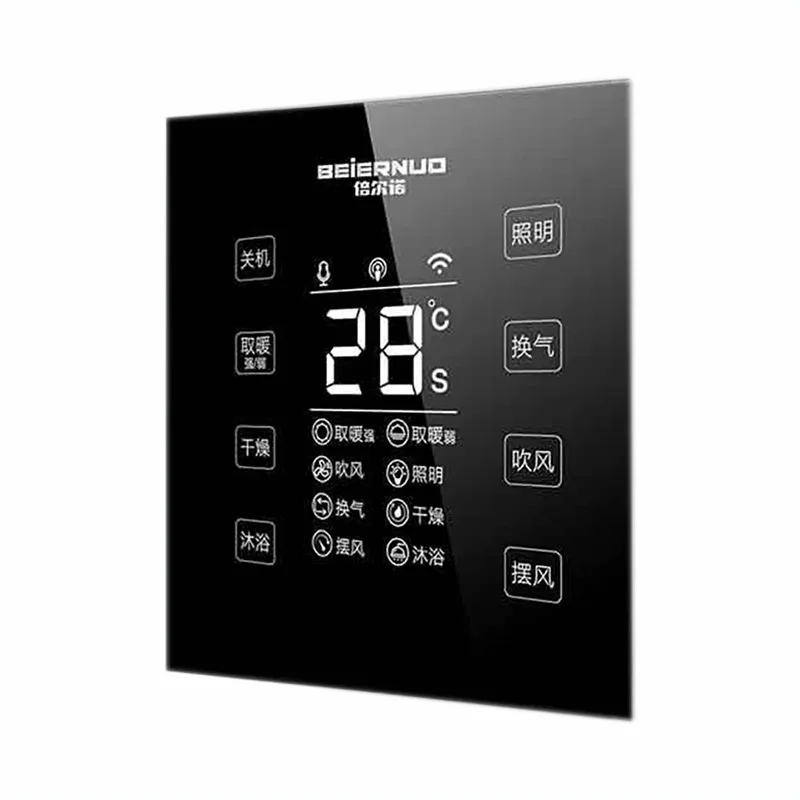
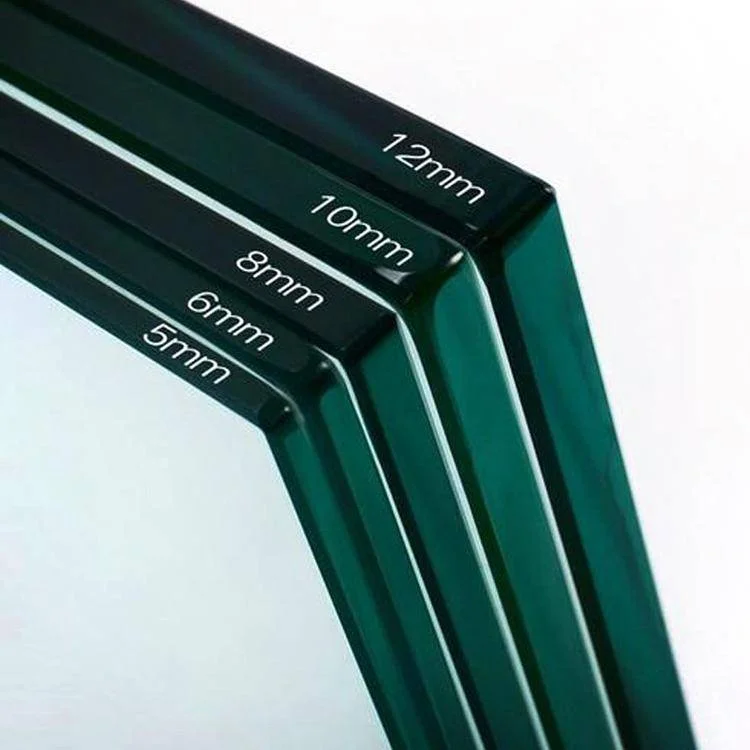
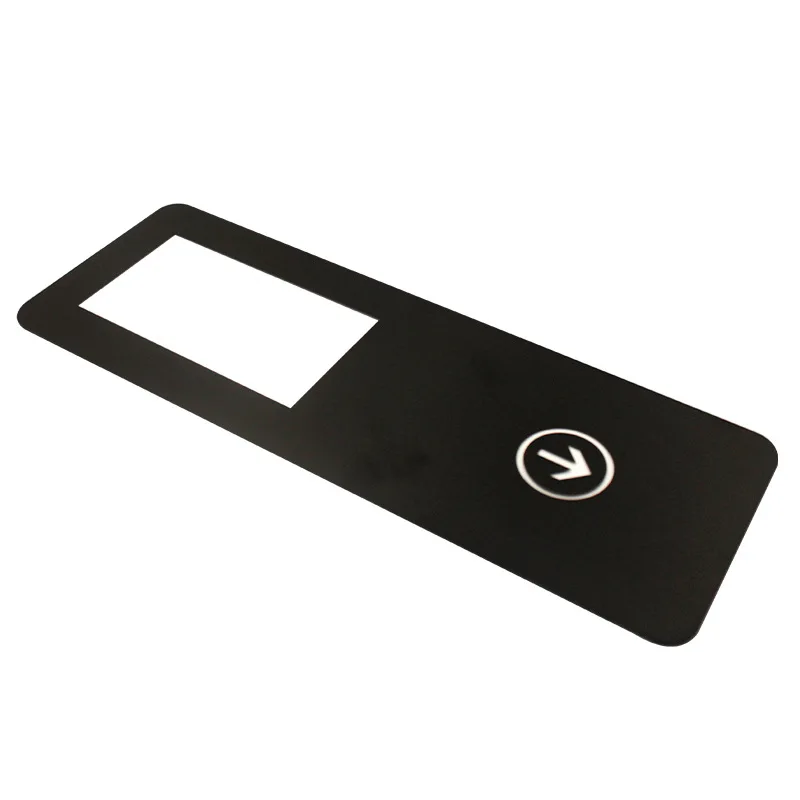
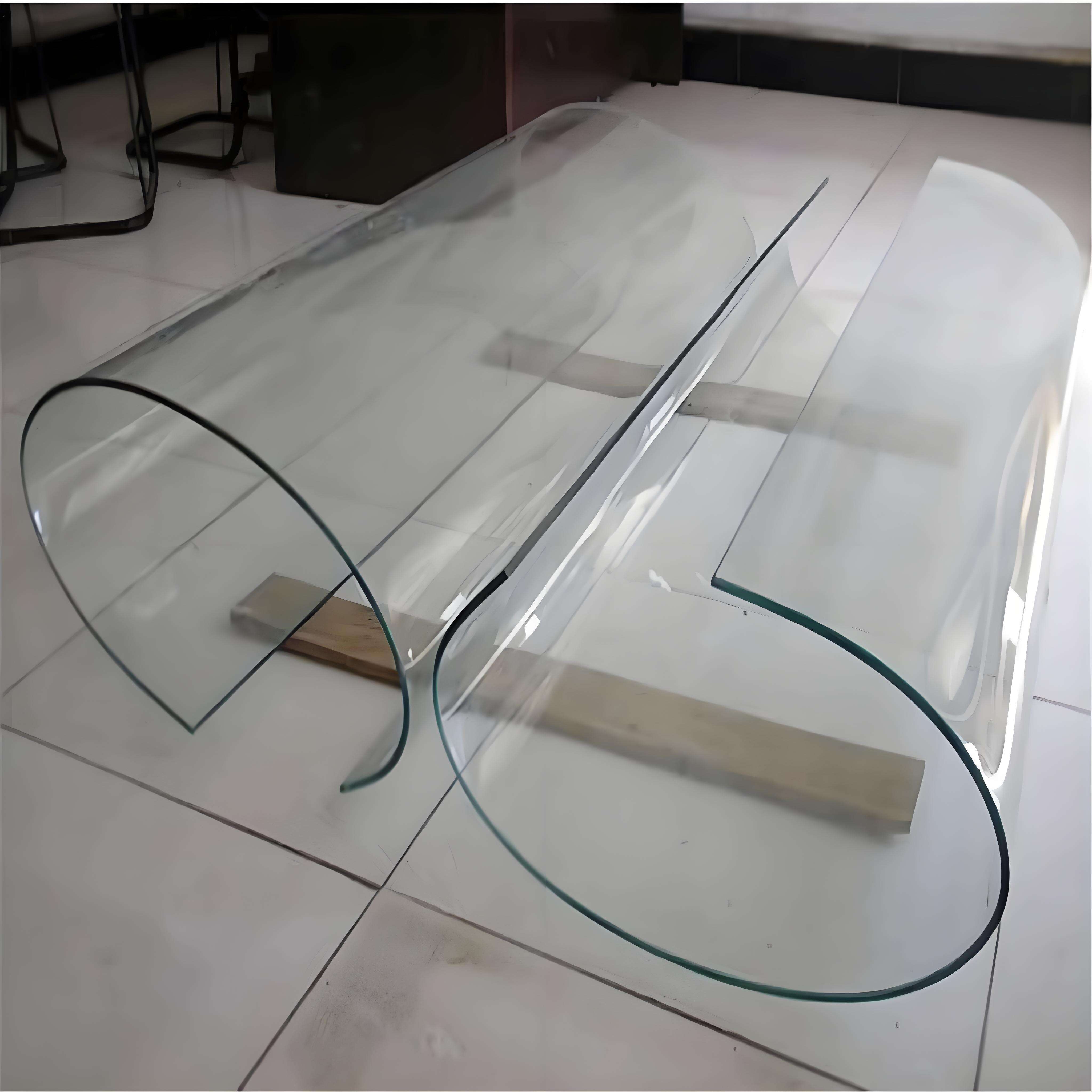
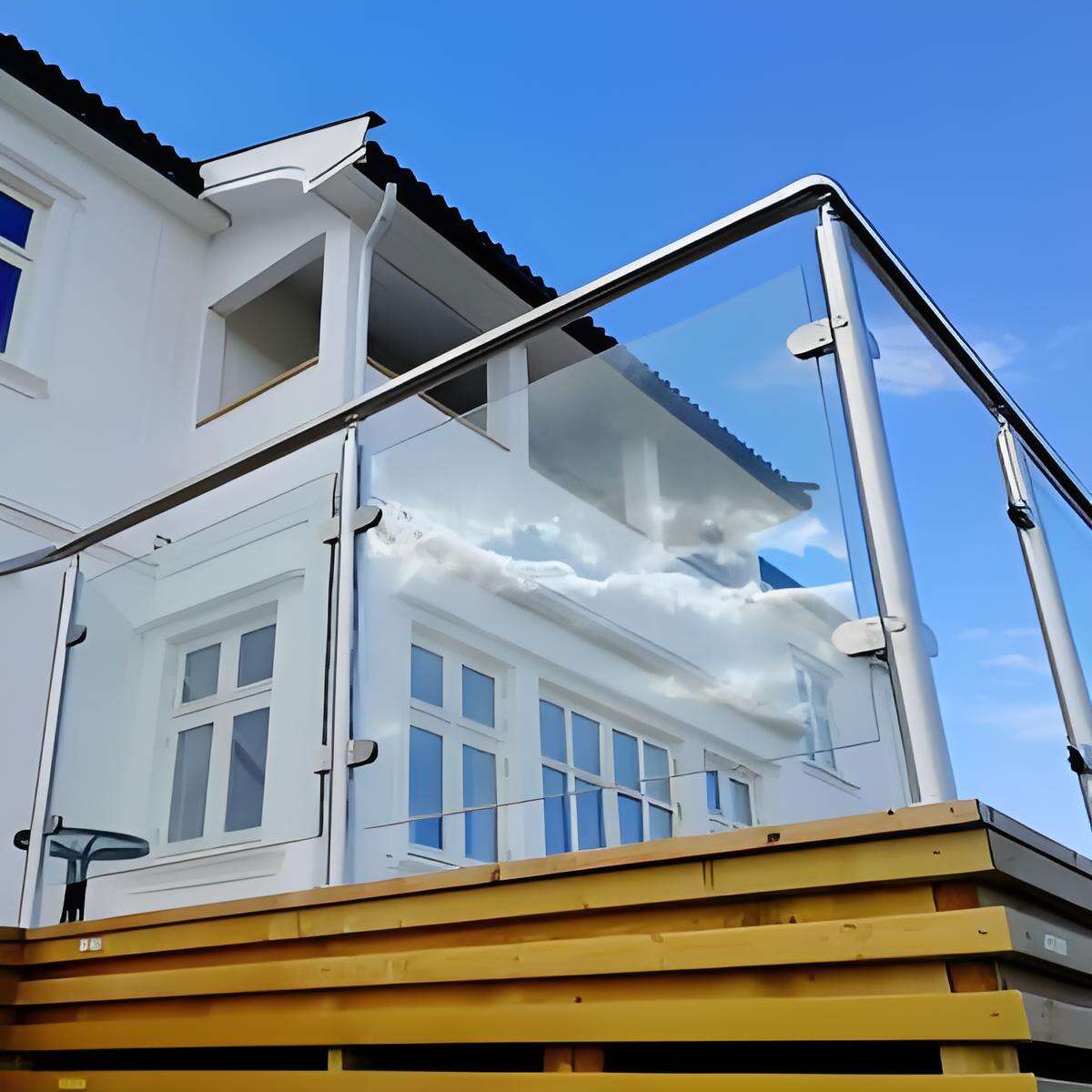
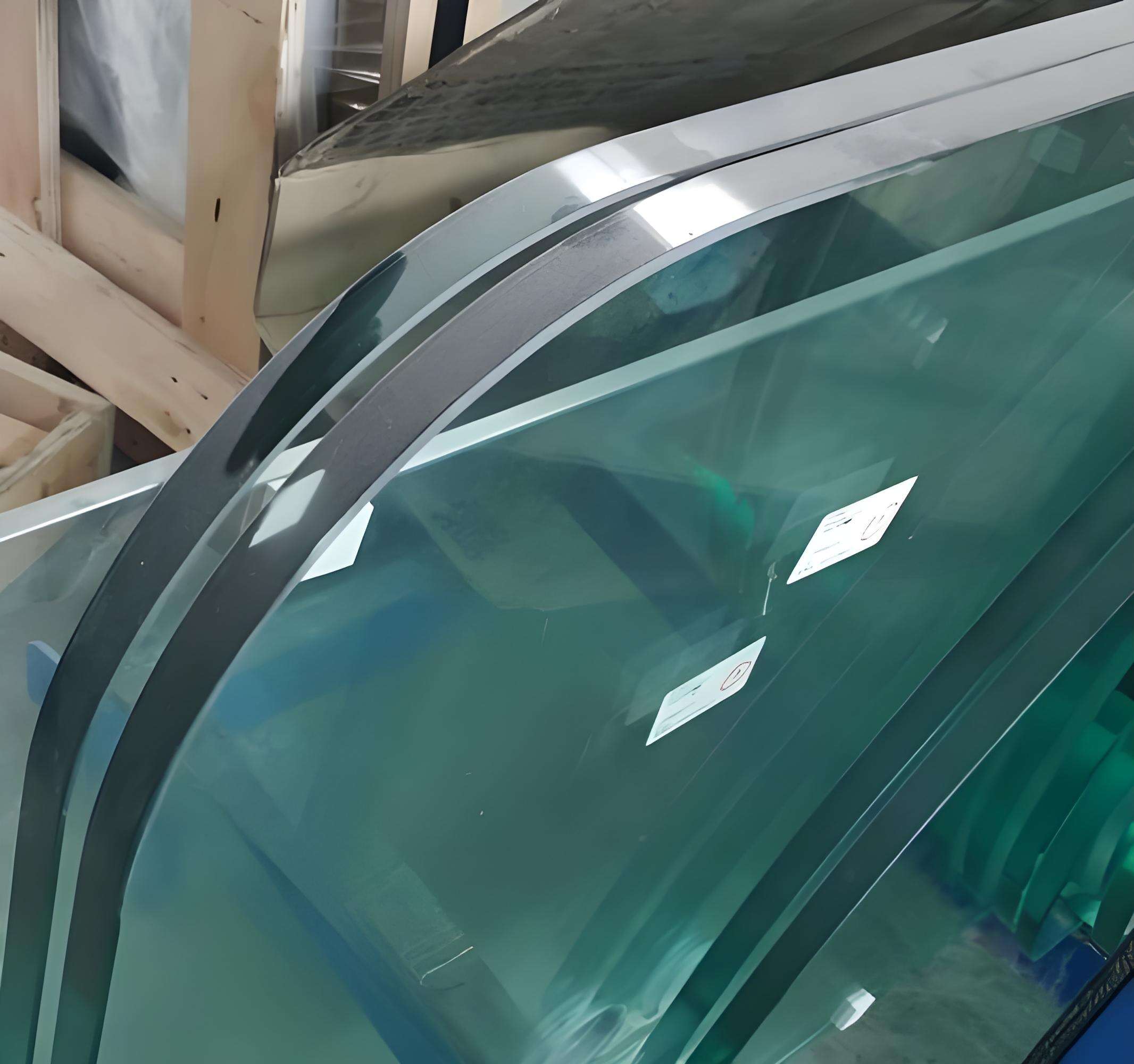
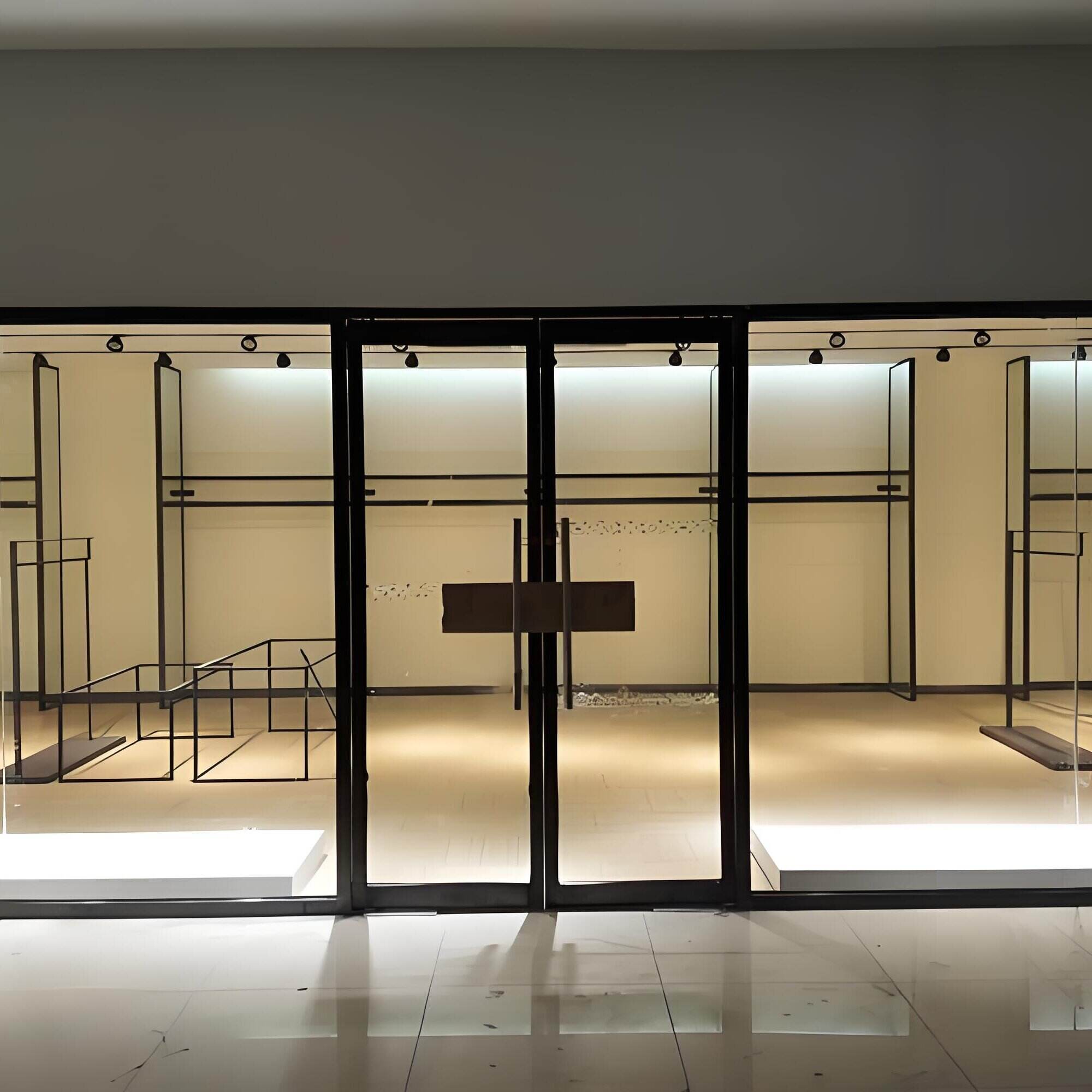
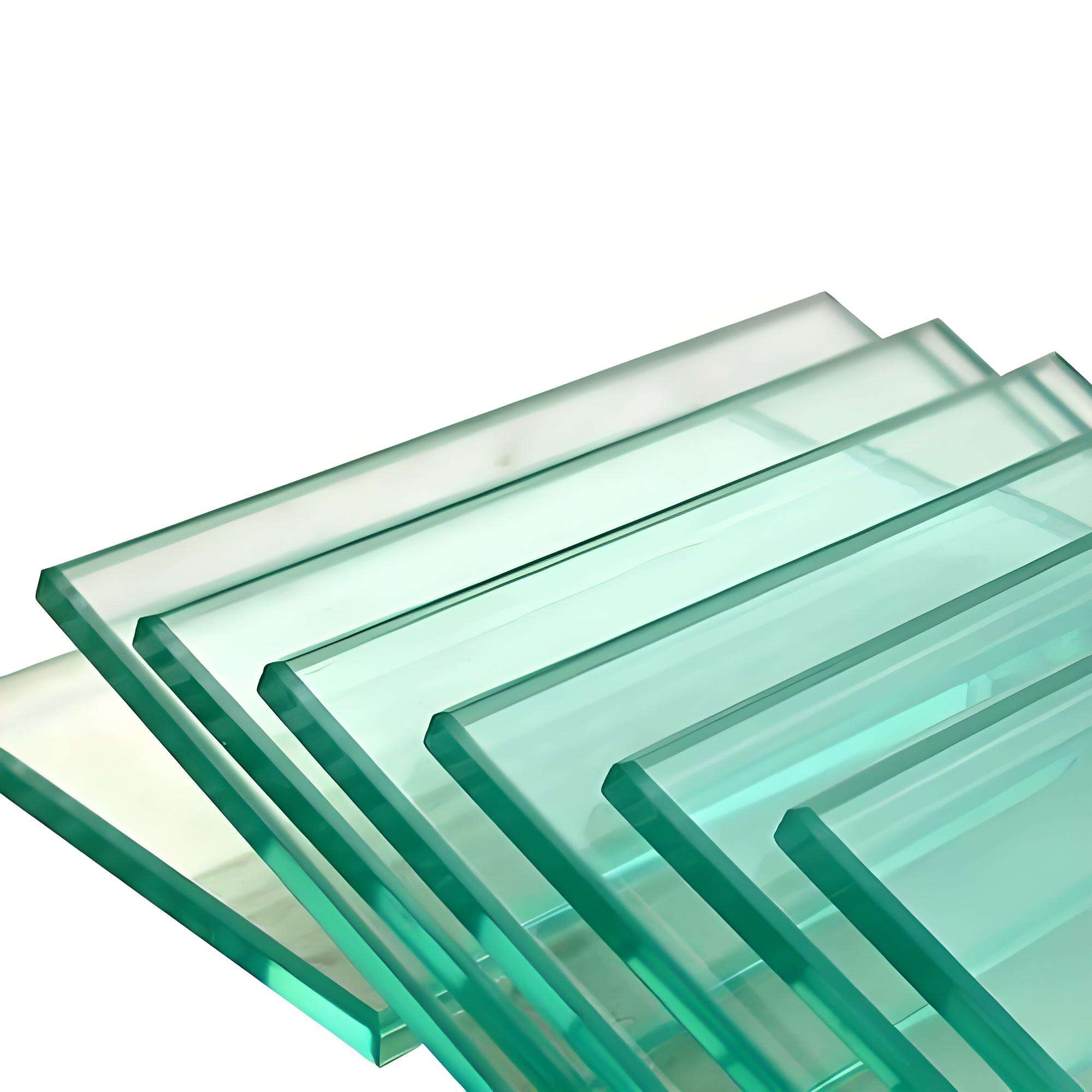
Screen printed glass is a specialized architectural glass product created through a ceramic ink application process that permanently bonds decorative patterns, colors, or designs onto the glass surface. This manufacturing technique involves applying ceramic frit paste through a fine mesh screen onto the glass substrate, which is then heated in a tempering furnace at temperatures exceeding 650 degrees Celsius. During this high-temperature treatment, the ceramic particles fuse with the glass surface, creating a durable and permanent bond that becomes an integral part of the material itself. Screen printed glass serves multiple essential functions in modern construction and design projects, including solar heat control, glare reduction, privacy enhancement, and aesthetic improvement. The technology allows manufacturers to produce custom patterns ranging from simple dots and lines to complex gradients and corporate logos, offering designers unprecedented creative flexibility. This versatile glass solution finds applications across commercial buildings, residential properties, automotive industries, and interior design projects where both functionality and visual appeal are paramount. The screen printing process can be applied to various glass types including annealed, tempered, or laminated glass, and can incorporate multiple colors within a single panel. The resulting product maintains excellent weather resistance, color stability, and mechanical strength while providing architects and designers with a cost-effective method to achieve sophisticated visual effects and performance characteristics that would be difficult or impossible to accomplish through other glass treatment methods.
 EN
EN