float glass making
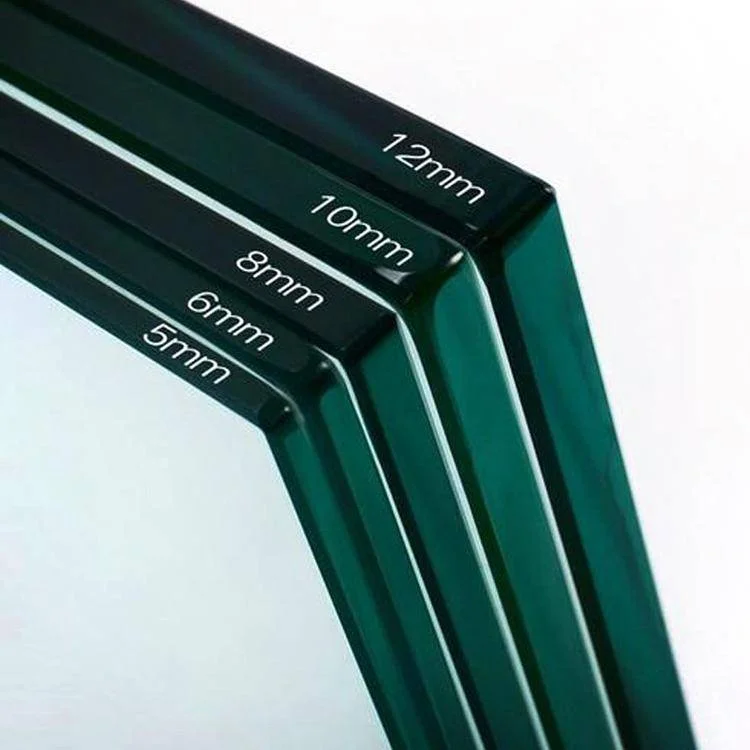
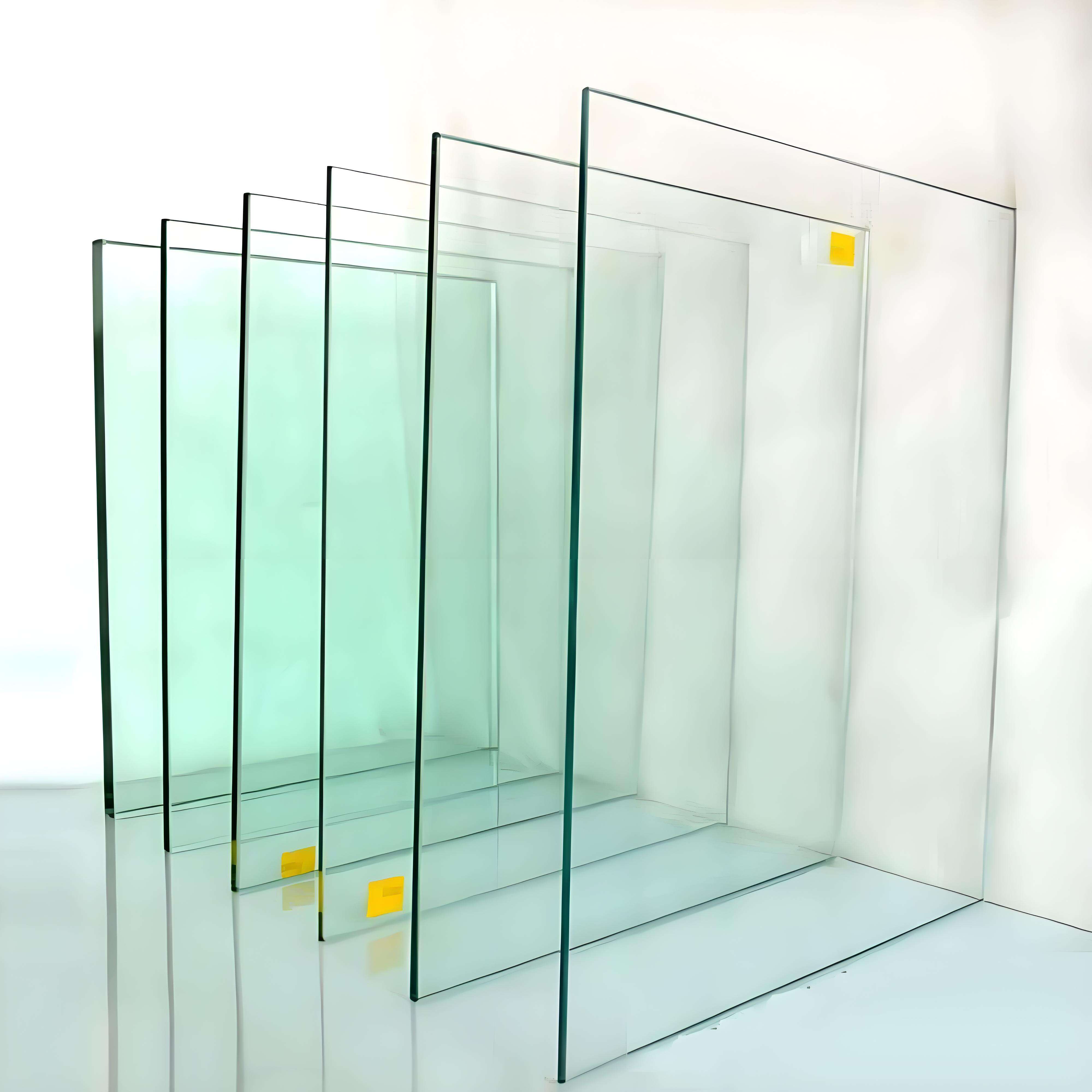
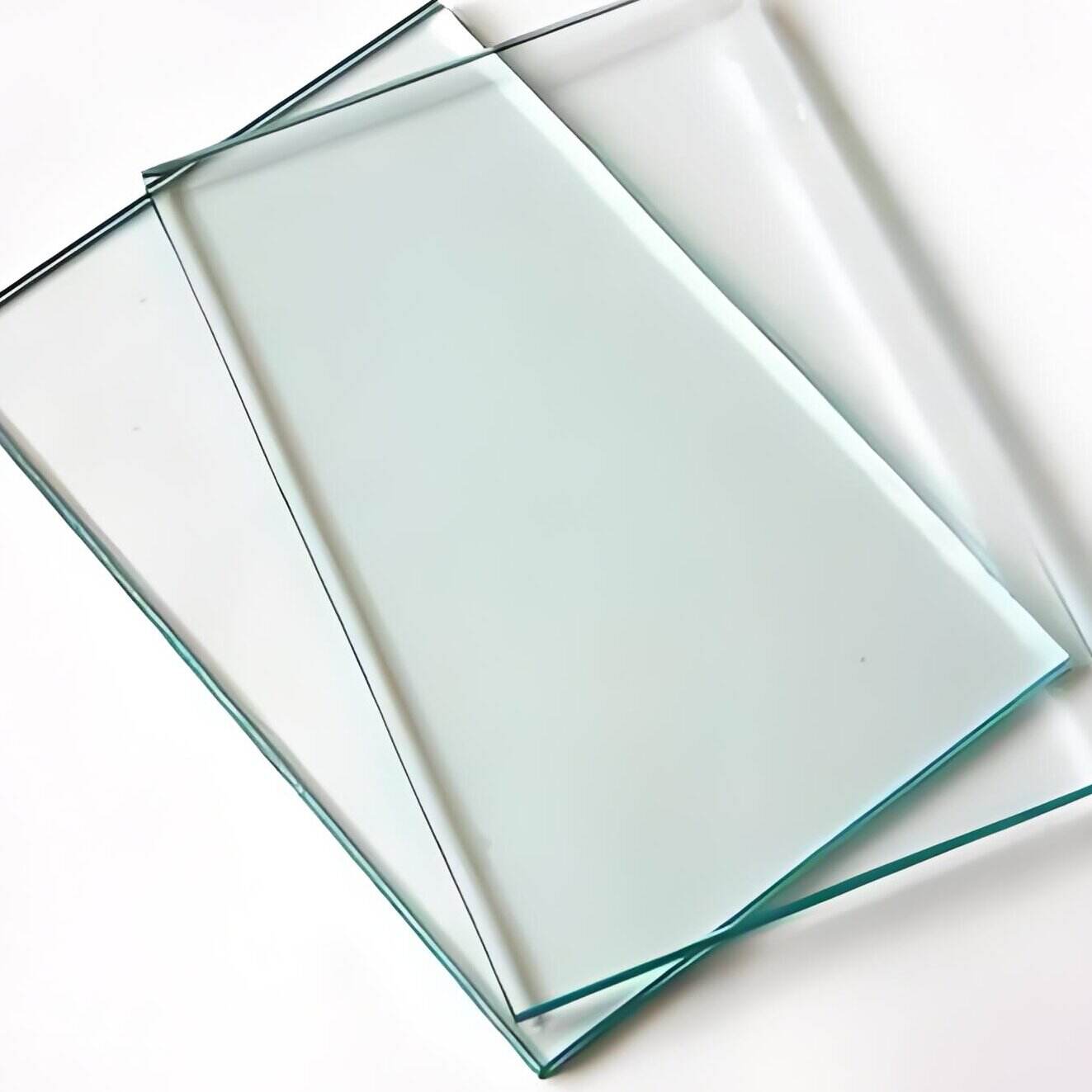
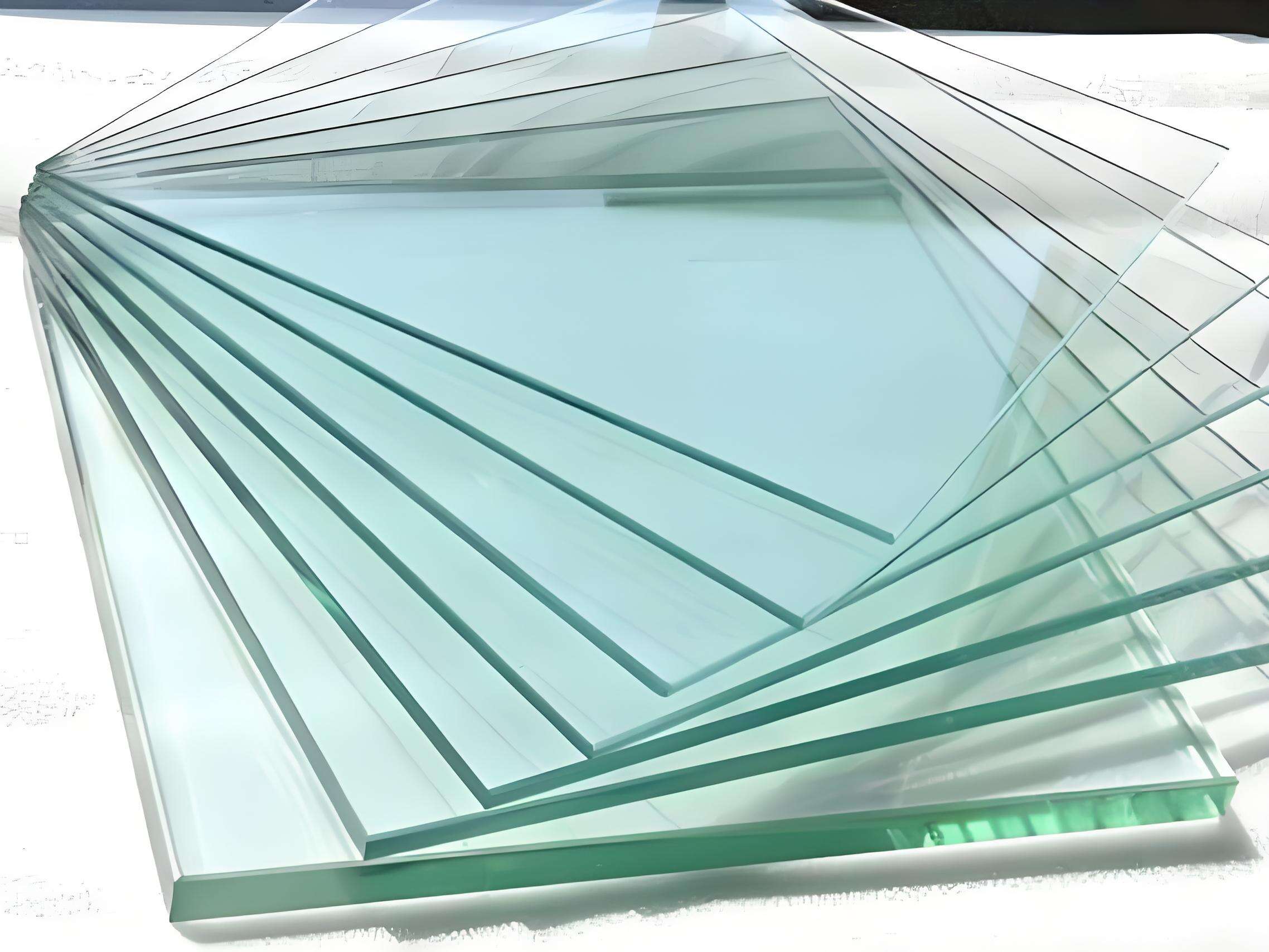
Float glass making is the revolutionary manufacturing process that produces most of the world's flat glass products today. This innovative method involves floating molten glass on a bed of molten tin, creating perfectly smooth and uniform glass sheets without the need for grinding or polishing. The float glass making process begins when raw materials including silica sand, limestone, soda ash, and other additives are melted in a furnace at temperatures exceeding 1500 degrees Celsius. The molten glass then flows continuously onto a bath of molten tin, where it spreads evenly and forms a ribbon with naturally smooth surfaces on both sides. As the glass ribbon moves along the tin bath, it gradually cools and solidifies while maintaining its flat, distortion-free form. The process concludes with controlled cooling in an annealing lehr, which relieves internal stresses and ensures dimensional stability. Float glass making technology enables the production of glass with exceptional optical clarity, consistent thickness ranging from 2mm to 25mm, and superior surface quality. This manufacturing method has become the industry standard for producing architectural glazing, automotive windshields, mirrors, solar panels, and display screens. The continuous nature of float glass making allows manufacturers to achieve high production volumes while maintaining strict quality control, making it both economically efficient and technically superior to older glass production methods.
 EN
EN