Clear Float Glass - Optical Clarity & Versatility

Get a Free Quote

Our representative will contact you soon.
Email
Name
Company Name
Message
0/1000

clear float glass

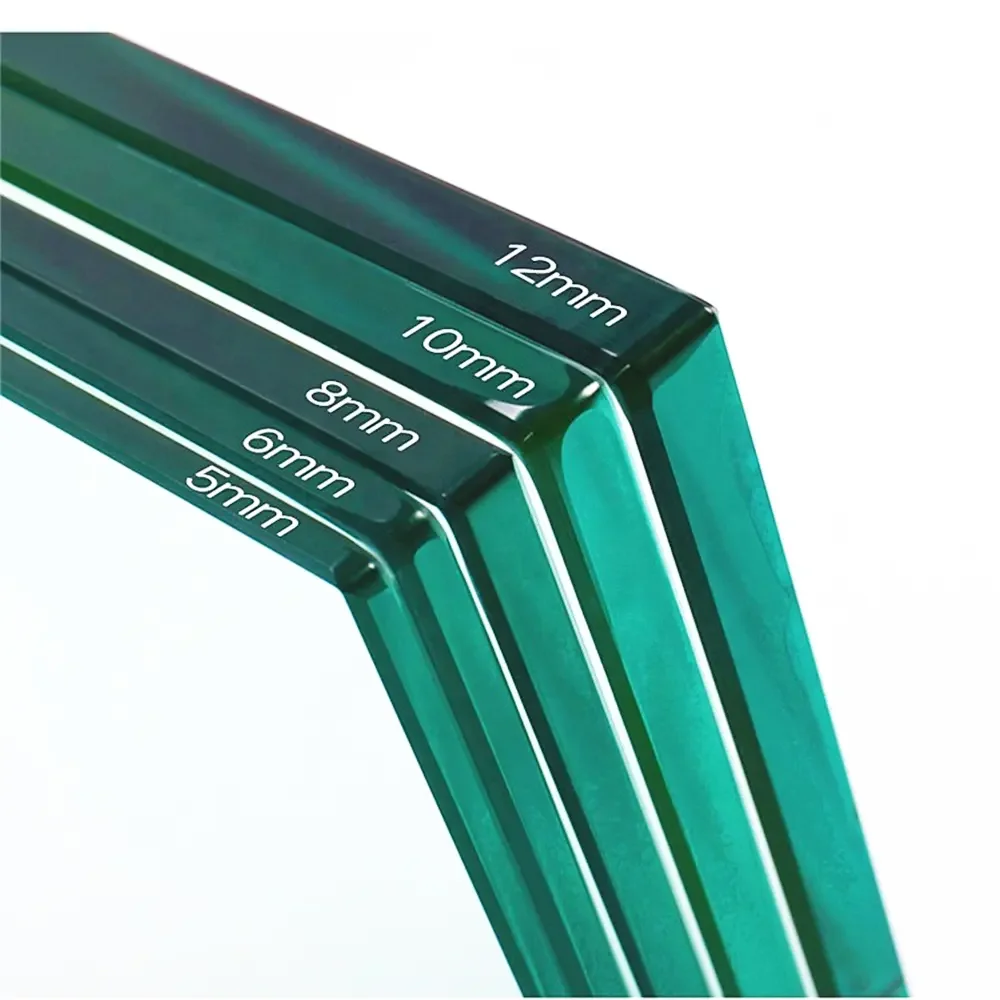
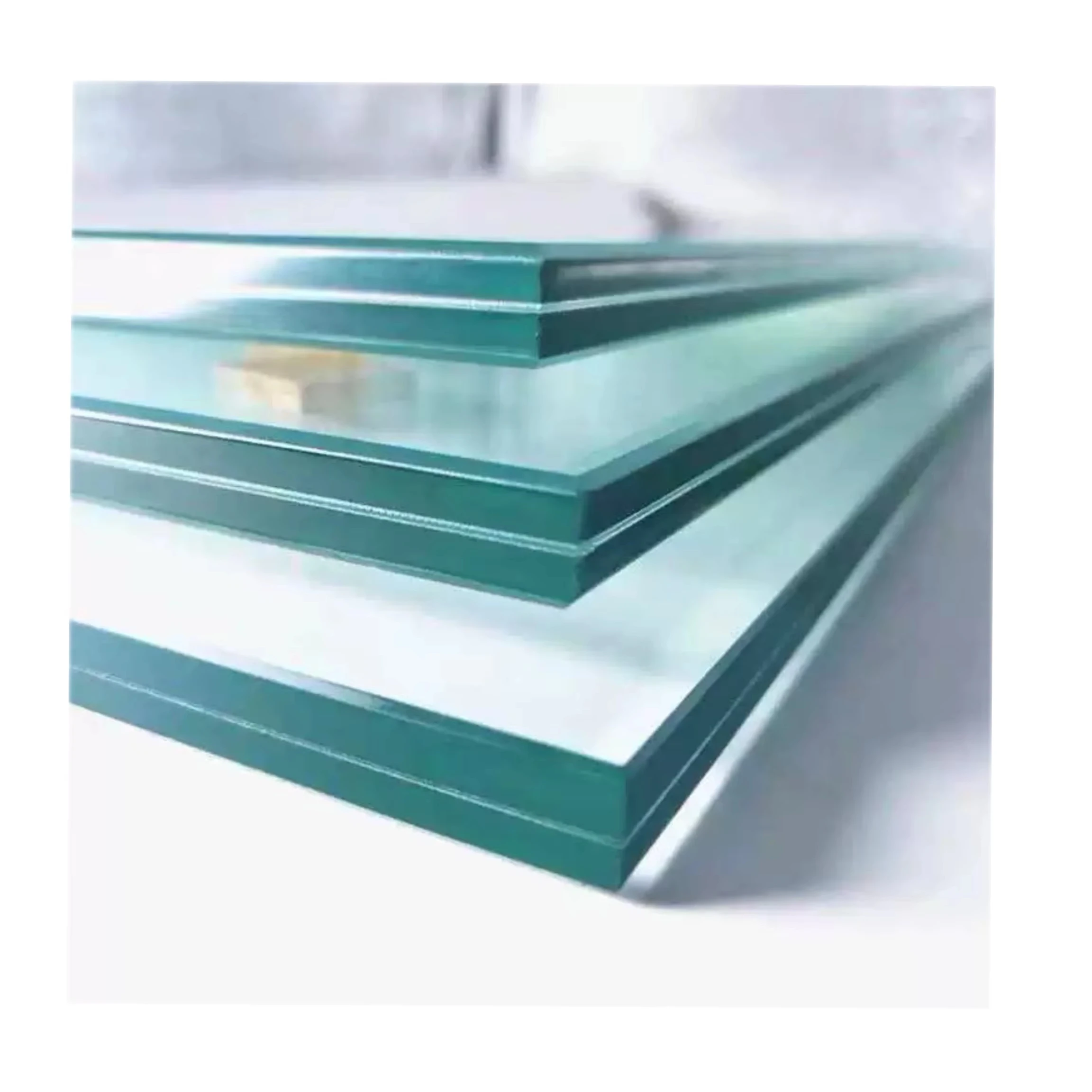
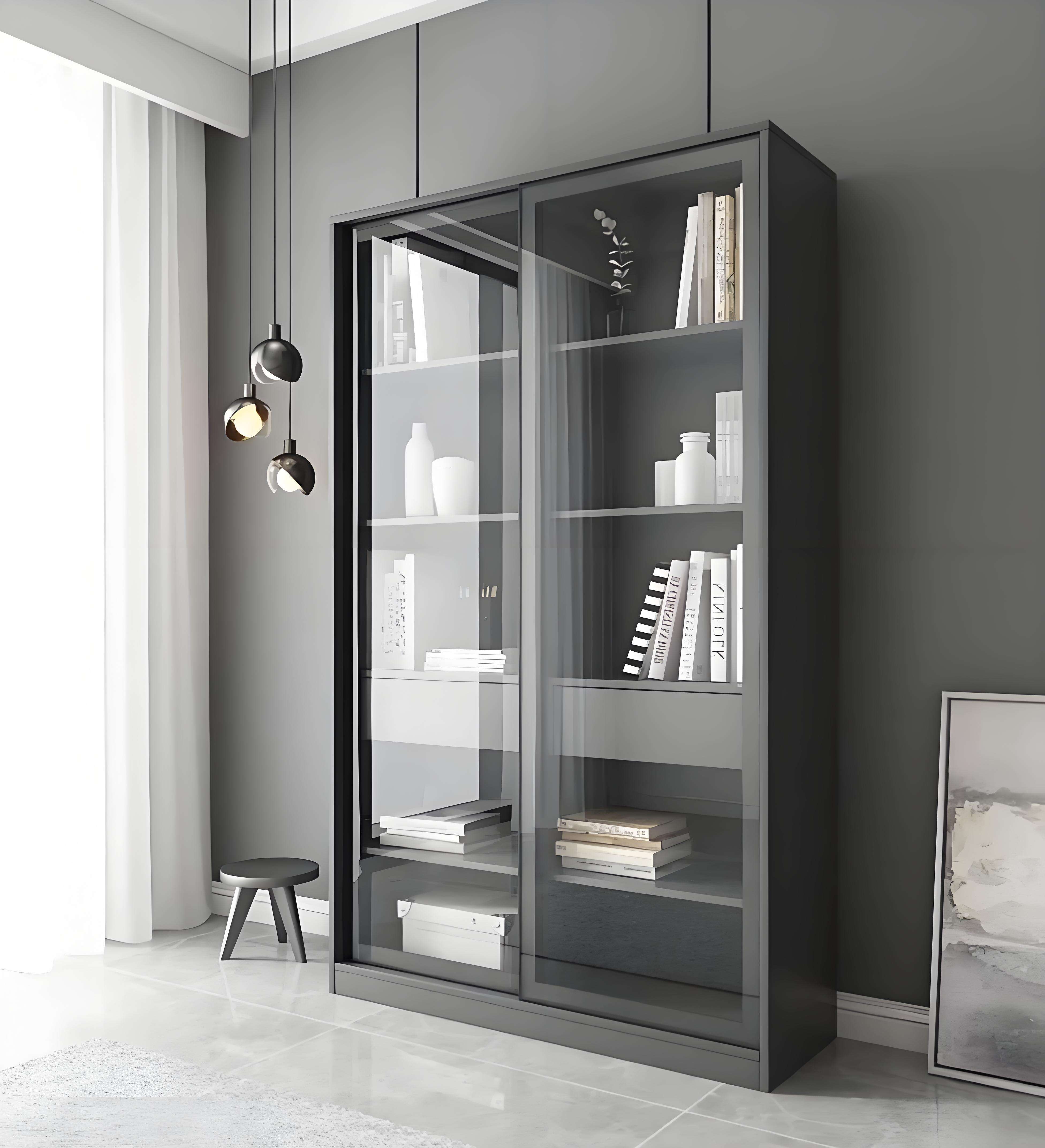
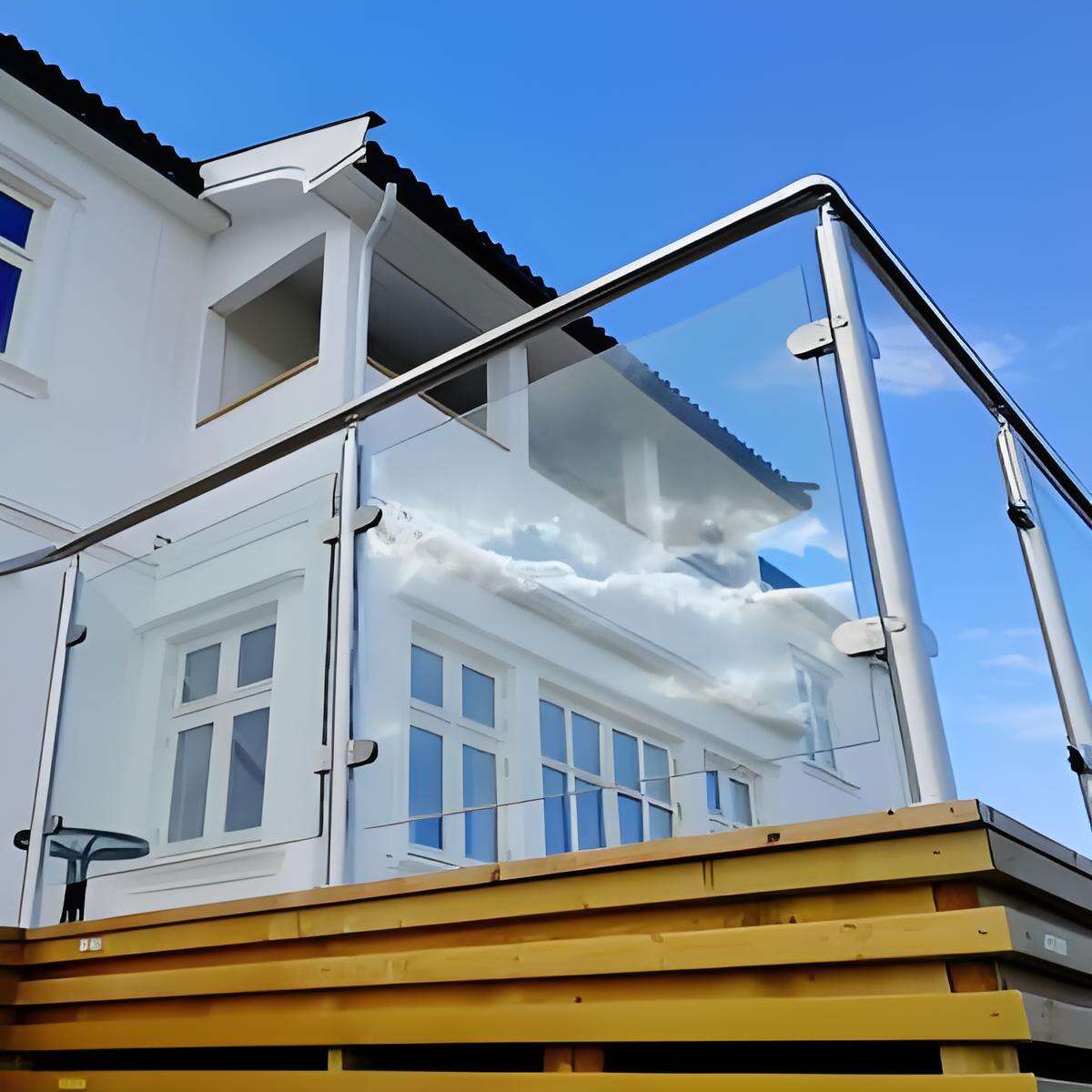
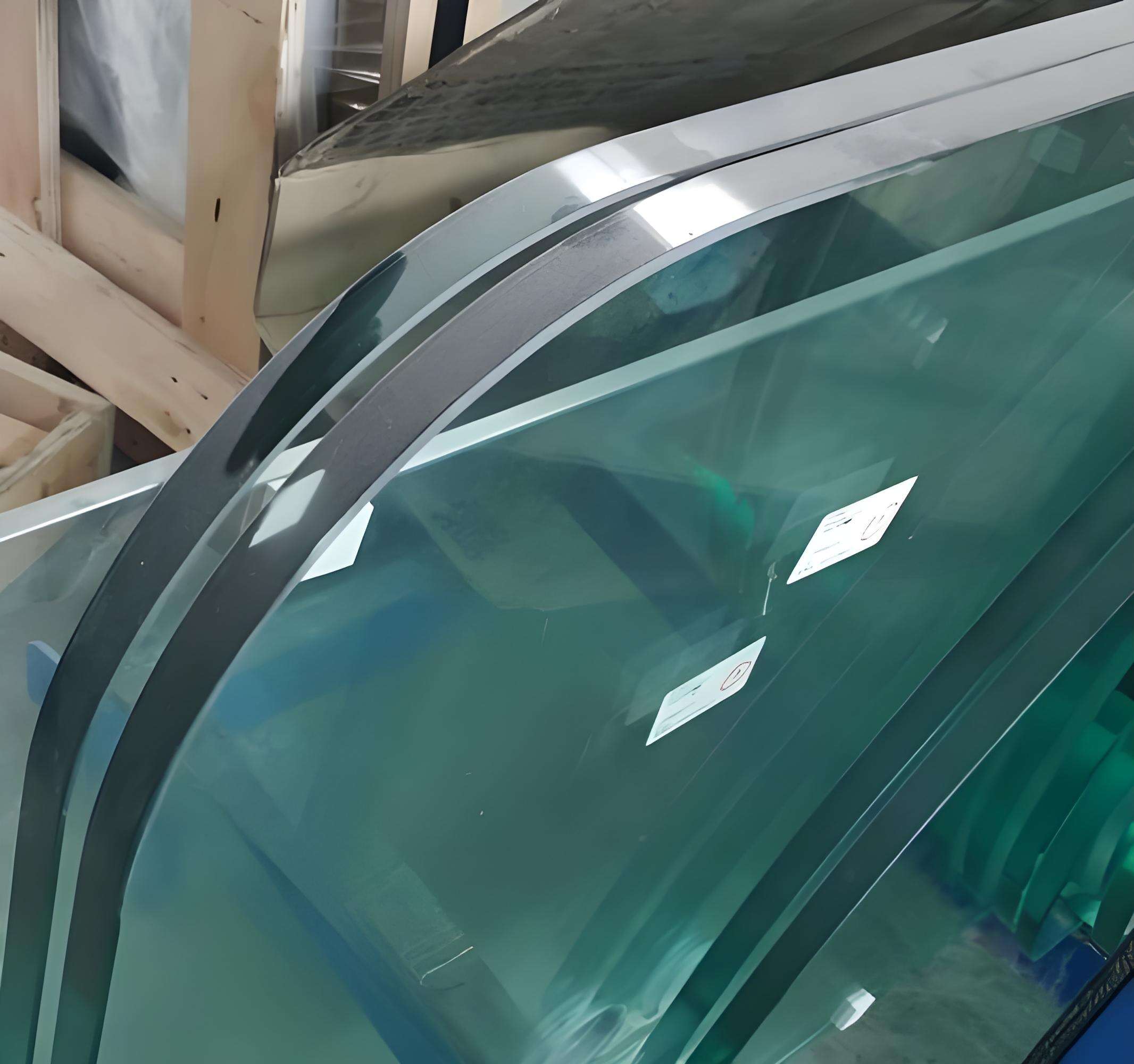
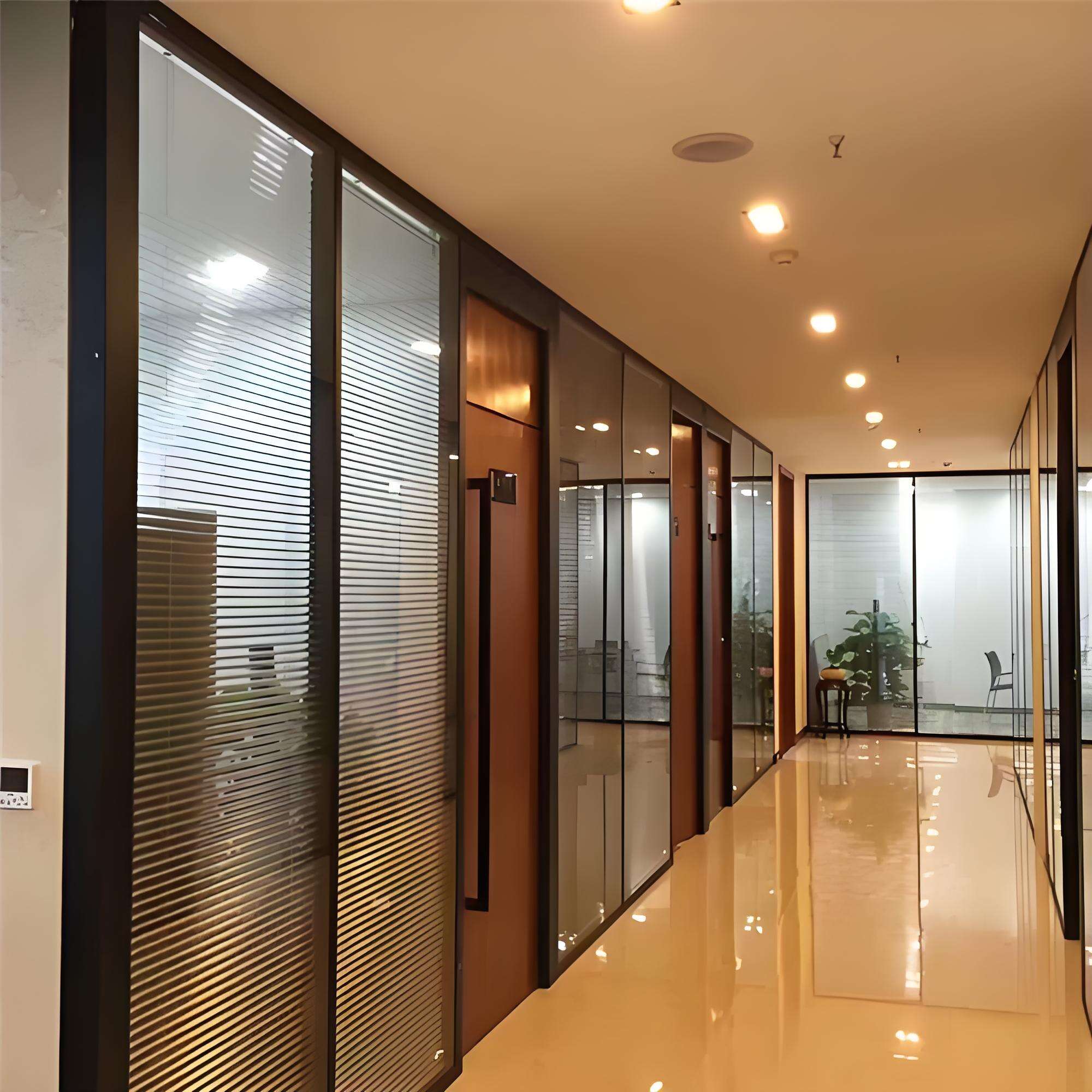
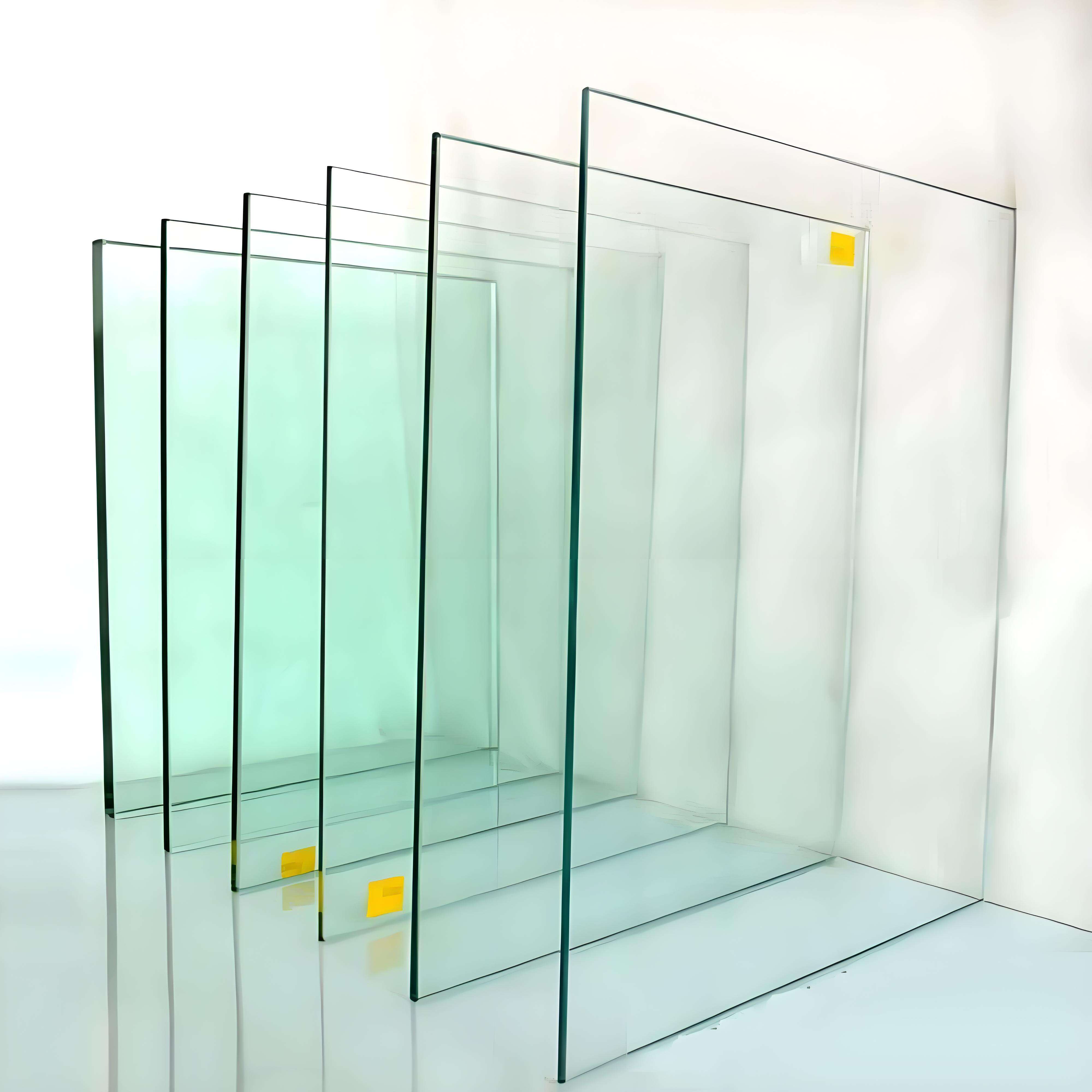
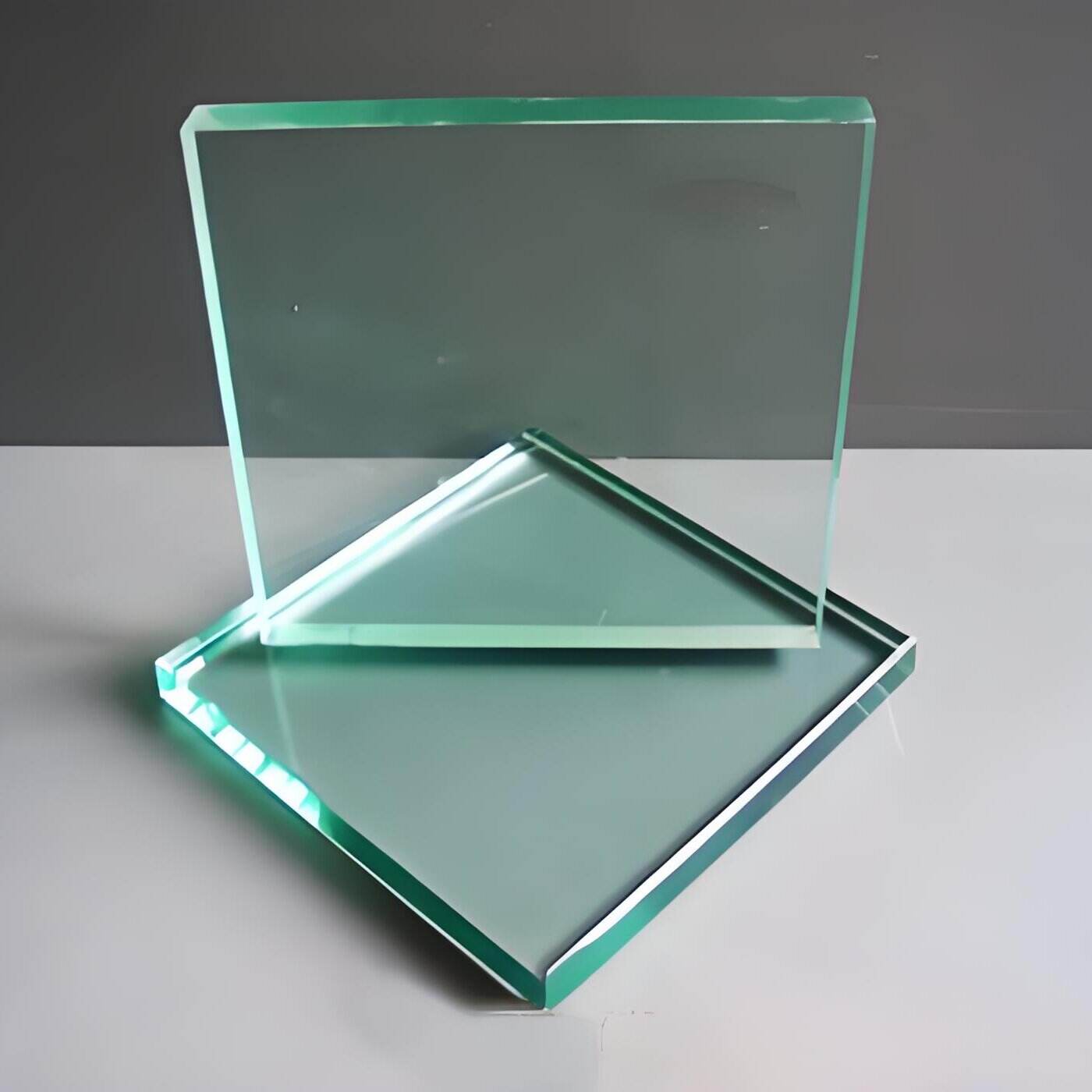
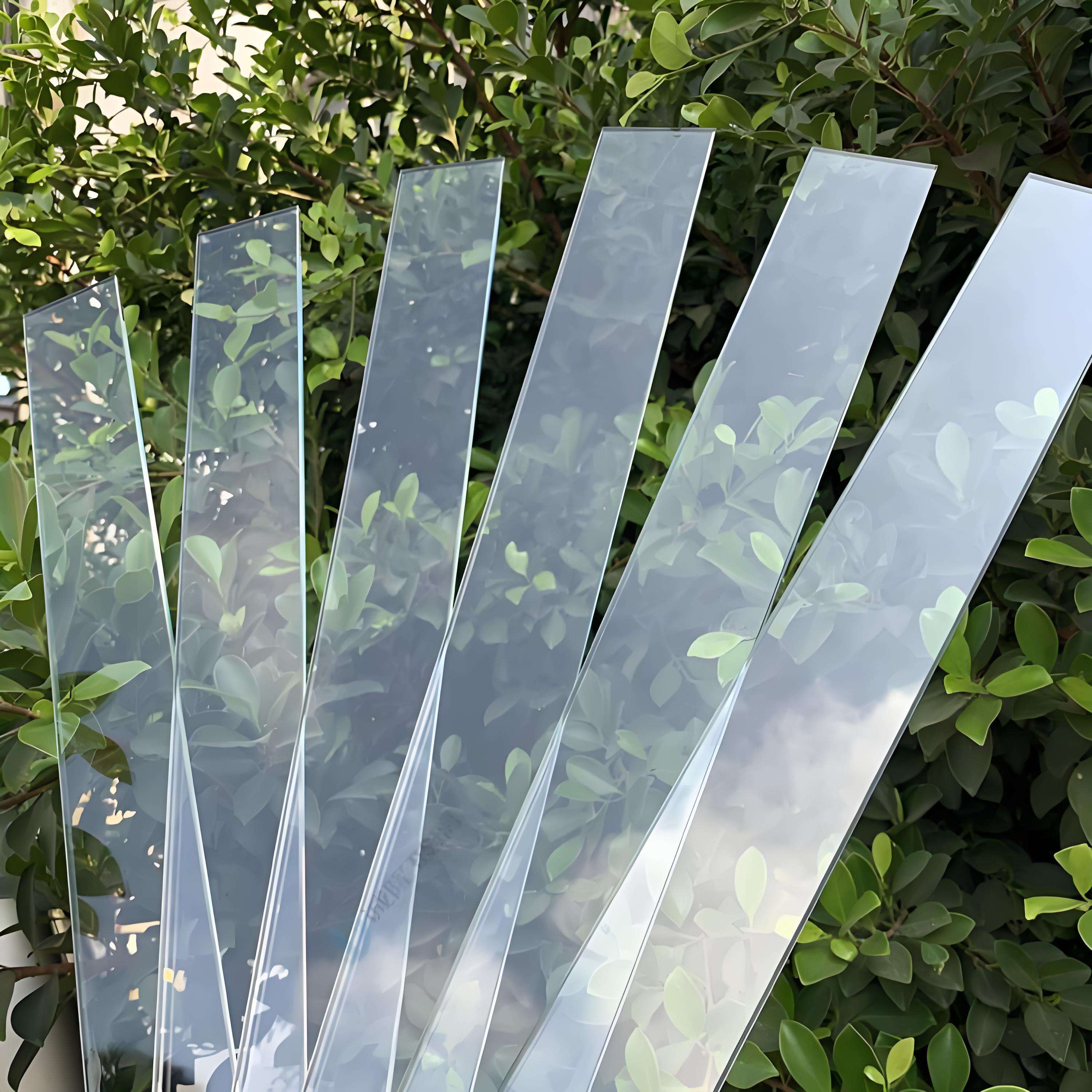
Clear float glass stands as the foundation of modern architectural and commercial glazing applications, manufactured through an advanced floating process that delivers exceptional optical clarity and uniform thickness. This versatile material is produced by floating molten glass on a bed of molten tin, creating a perfectly smooth surface with minimal distortion. Clear float glass offers outstanding transparency, allowing maximum natural light transmission while maintaining structural integrity and durability. The manufacturing process ensures consistent quality across large production runs, making it ideal for both residential and commercial projects. This glass type serves as the primary substrate for further processing, including tempering, laminating, and coating applications. With light transmission rates exceeding ninety percent, clear float glass provides unobstructed views and enhances interior brightness. Available in various thicknesses ranging from two millimeters to twenty-five millimeters, it accommodates diverse structural requirements and design specifications. The smooth, flat surfaces on both sides make clear float glass suitable for cutting, drilling, and edge finishing without compromising optical quality. Its neutral color profile ensures true color representation, making it preferred for display applications, mirrors, and premium architectural installations. The material exhibits excellent chemical resistance and maintains its clarity over extended periods, resisting yellowing and degradation. Clear float glass combines aesthetic appeal with functional performance, supporting energy-efficient building designs while meeting international safety and quality standards for construction and manufacturing industries.

Popular Products

Choosing clear float glass delivers significant cost advantages for construction projects and manufacturing applications, as its standardized production process ensures competitive pricing without sacrificing quality. The material's exceptional optical clarity provides superior light transmission, reducing artificial lighting requirements and lowering energy costs in commercial and residential buildings. Its smooth surface finish eliminates the need for extensive polishing, streamlining fabrication processes and reducing production time for manufacturers. Clear float glass demonstrates remarkable versatility, serving as an ideal substrate for value-added processing including tempering, laminating, silvering, and coating applications that enhance functionality. The uniform thickness achieved through float manufacturing ensures consistent performance across installations, minimizing waste during cutting and fitting operations. Builders and architects appreciate how clear float glass integrates seamlessly with modern design aesthetics, supporting minimalist frameworks and maximizing visual connectivity between interior and exterior spaces. The material's neutral composition maintains color accuracy, making it essential for retail displays, museums, and showrooms where product presentation demands true color rendering. Installation teams benefit from the glass's predictable handling characteristics, with standard sizes and thicknesses simplifying logistics and reducing installation complexity. Long-term maintenance costs remain minimal, as clear float glass resists scratching, maintains clarity without special treatments, and cleans easily with standard methods. Property owners gain value through improved natural lighting that enhances occupant well-being and productivity while reducing reliance on artificial illumination. The glass supports sustainable building practices by maximizing daylight harvesting and serving as a foundation for energy-efficient glazing systems. Its widespread availability ensures quick procurement and replacement, minimizing project delays and supporting tight construction schedules across diverse markets and applications.

Practical Tips

What Are the Best Practices for Cleaning Tempered Glass Surfaces?

10

Feb

What Are the Best Practices for Cleaning Tempered Glass Surfaces?

Maintaining the pristine appearance of tempered glass surfaces requires specific cleaning techniques and materials to preserve both clarity and structural integrity. This specialized glass undergoes thermal tempering processes that create unique char...
View More
How Does Laminated Glass Provide Superior Sound Insulation and Security?

10

Feb

How Does Laminated Glass Provide Superior Sound Insulation and Security?

Modern architecture demands materials that deliver exceptional performance across multiple critical functions, and laminated glass stands out as one of the most versatile solutions available today. This innovative glazing technology combines multiple...
View More
Why Does Tempered Glass Shatter into Small Granules Instead of Sharp Shards?

11

Mar

Why Does Tempered Glass Shatter into Small Granules Instead of Sharp Shards?

When tempered glass breaks, it creates a distinctive pattern of small, cube-like fragments rather than the dangerous jagged shards associated with regular glass. This unique breaking characteristic makes tempered glass one of the most important safet...
View More
Which tempered glass offers superior thermal resistance for modern fireplace installations?

02

Apr

Which tempered glass offers superior thermal resistance for modern fireplace installations?

When selecting tempered glass for modern fireplace installations, thermal resistance becomes the critical factor that determines both safety and performance longevity. Modern fireplace designs demand glass solutions that can withstand extreme tempera...
View More

Get a Free Quote

Our representative will contact you soon.
Email
Name
Company Name
Message
0/1000

clear float glass

Superior Optical Performance and Light Transmission

Superior Optical Performance and Light Transmission

Clear float glass delivers unmatched optical performance with light transmission rates exceeding ninety percent, ensuring maximum natural illumination penetrates interior spaces without color distortion or haziness. The precision floating manufacturing process creates perfectly parallel surfaces that eliminate visual distortion, providing undistorted views that enhance architectural designs and user experiences. This exceptional clarity results from carefully controlled production conditions where molten glass spreads evenly across molten tin, creating a naturally smooth finish on both surfaces without requiring additional polishing. The material's neutral composition ensures true color representation, making it indispensable for applications where accurate color perception matters, including art galleries, retail environments, and residential spaces. Unlike lower-grade glass products, clear float glass maintains consistent optical properties across its entire surface area, eliminating variations that could compromise aesthetic quality. The high light transmission reduces dependency on artificial lighting during daylight hours, contributing to energy savings and supporting sustainable building certifications. Architects and designers leverage this optical excellence to create light-filled environments that improve occupant comfort, enhance productivity, and establish visual connections with outdoor surroundings, all while maintaining the structural performance required for modern glazing systems.
Versatile Processing Capabilities for Custom Applications

Versatile Processing Capabilities for Custom Applications

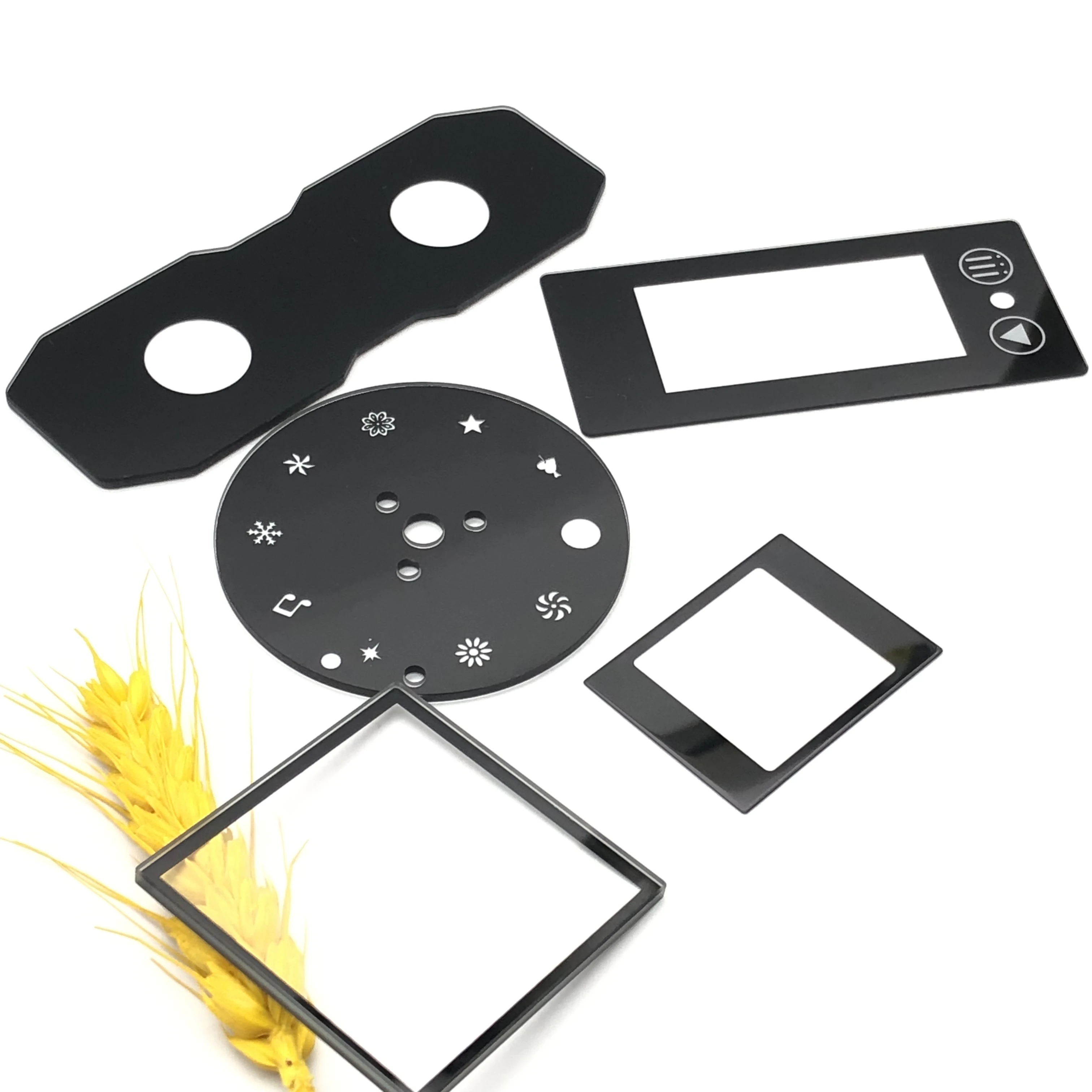
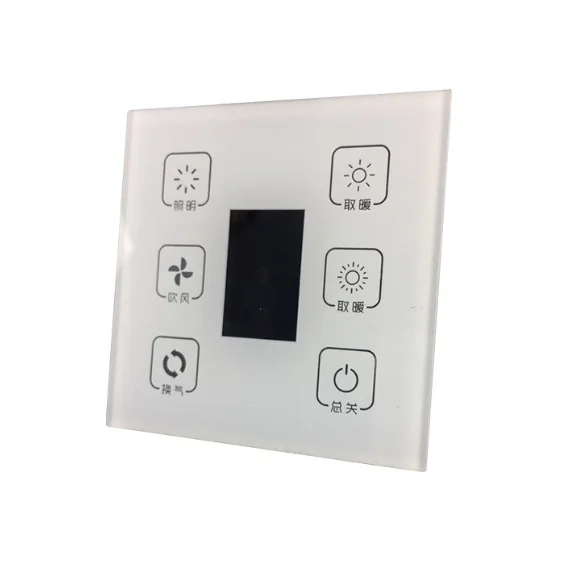
Clear float glass serves as the ideal foundation material for numerous specialized processing techniques, offering manufacturers and fabricators exceptional flexibility to create customized products for specific applications. The uniform thickness and consistent quality enable precise cutting, drilling, and edge finishing without compromising structural integrity or optical properties. This glass readily accepts tempering processes that increase strength four to five times beyond annealed glass, making it suitable for safety-critical applications in doors, partitions, and facades. Laminating processes bond multiple clear float glass layers with interlayers, creating security glazing and acoustic barriers while maintaining transparency. The smooth surfaces accept various coating technologies including low-emissivity films, solar control layers, and self-cleaning treatments that enhance energy efficiency and reduce maintenance requirements. Mirror manufacturers prefer clear float glass as a substrate due to its distortion-free surfaces that ensure accurate reflections after silvering. Screen printing and digital ceramic printing adhere exceptionally well to the glass surface, enabling decorative applications and custom patterns for architectural features. This processing versatility allows clear float glass to adapt to evolving market demands and specialized project requirements, providing solutions ranging from basic glazing to sophisticated multi-functional systems that address thermal, acoustic, and safety performance criteria simultaneously.
Durable Construction with Long-Term Value

Durable Construction with Long-Term Value

Clear float glass delivers exceptional durability that ensures long-term performance across diverse environmental conditions and application demands, providing building owners and end-users with reliable glazing solutions that maintain quality over decades. The chemical composition and manufacturing process create a stable material that resists degradation from ultraviolet exposure, temperature fluctuations, and atmospheric conditions that compromise lesser glass products. Unlike plastics or acrylics, clear float glass does not yellow, become brittle, or lose transparency over time, preserving aesthetic appeal and functional performance throughout its service life. The non-porous surface resists staining and does not harbor bacteria or mold, supporting hygienic environments in healthcare, food service, and residential applications with minimal maintenance intervention. Cleaning requires only standard methods without specialized chemicals, reducing ongoing operational costs and environmental impact. The material's inherent rigidity maintains dimensional stability, preventing warping or sagging that could compromise seals and weatherproofing in window assemblies. When properly installed within appropriate framing systems, clear float glass withstands wind loads, thermal stress, and mechanical impacts according to building code requirements. This reliability translates to reduced replacement frequency and lower lifecycle costs, making clear float glass an economically sound investment for construction projects prioritizing longevity and sustained performance.
Clear Float Glass - Optical Clarity & Versatility

Get a Free Quote

Our representative will contact you soon.
Email
Name
Company Name
Message
0/1000