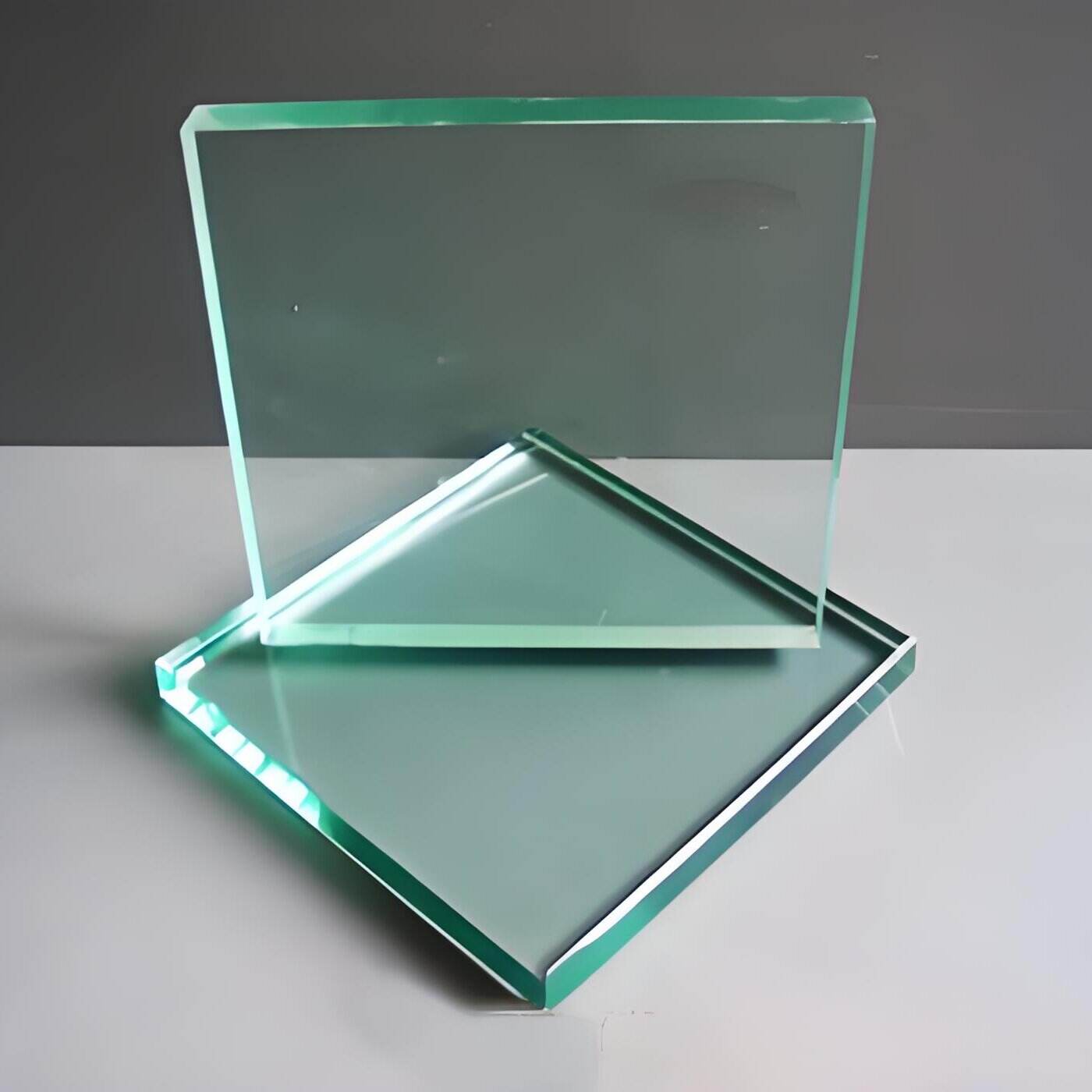
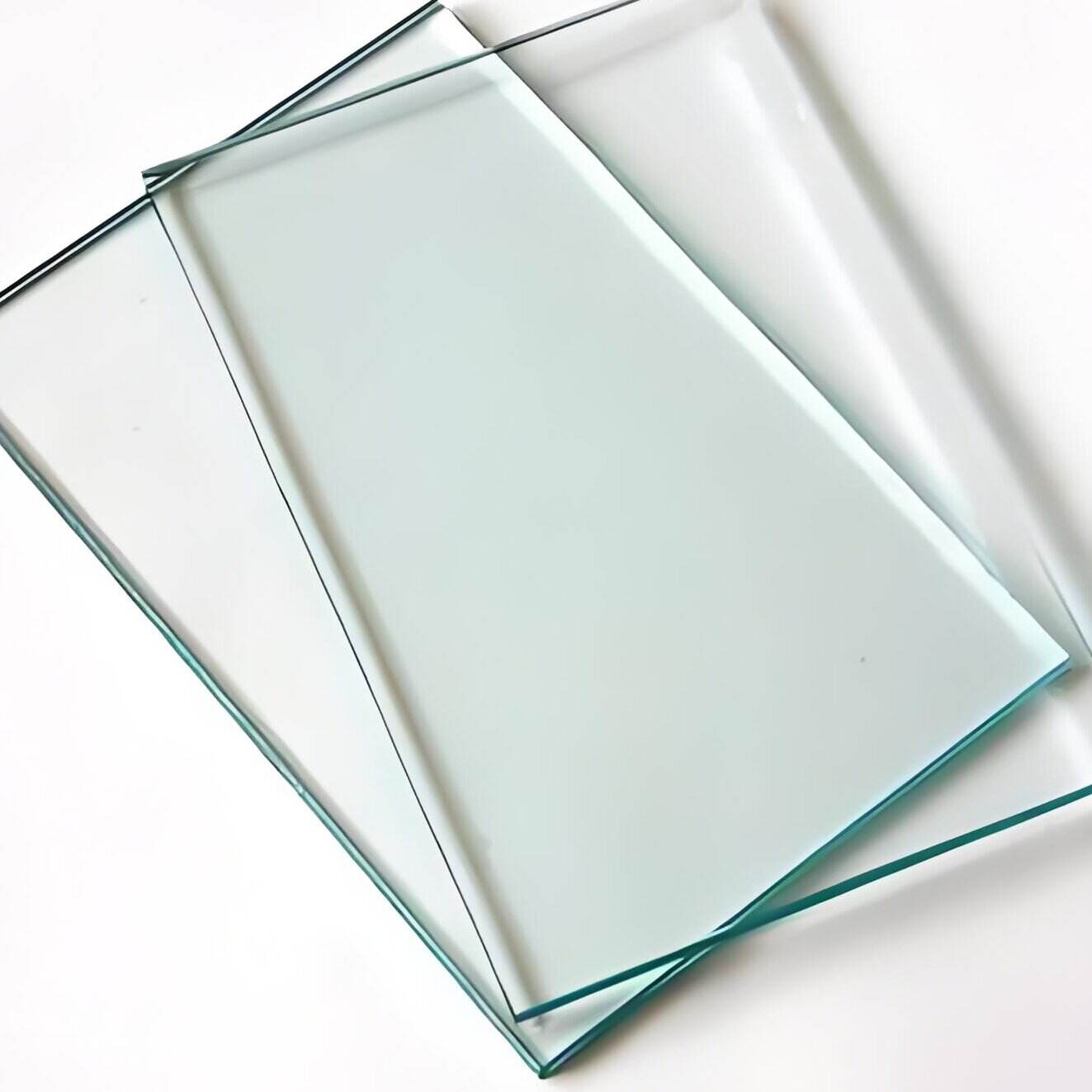
transparent glass
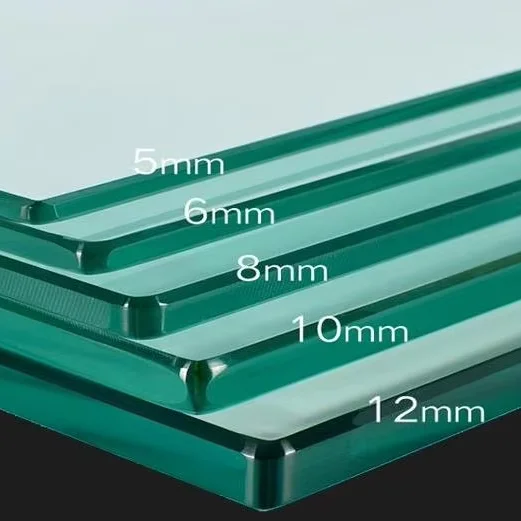
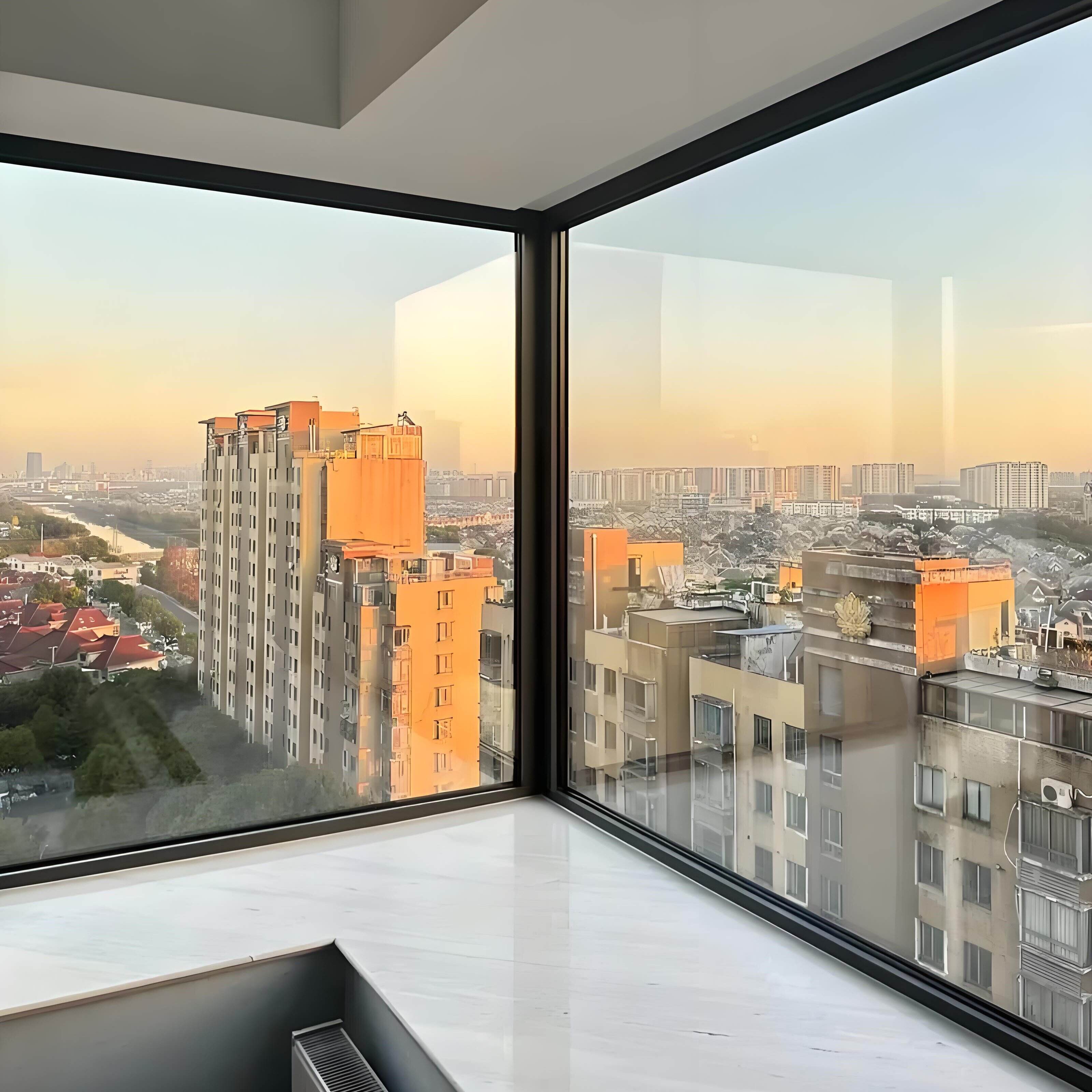
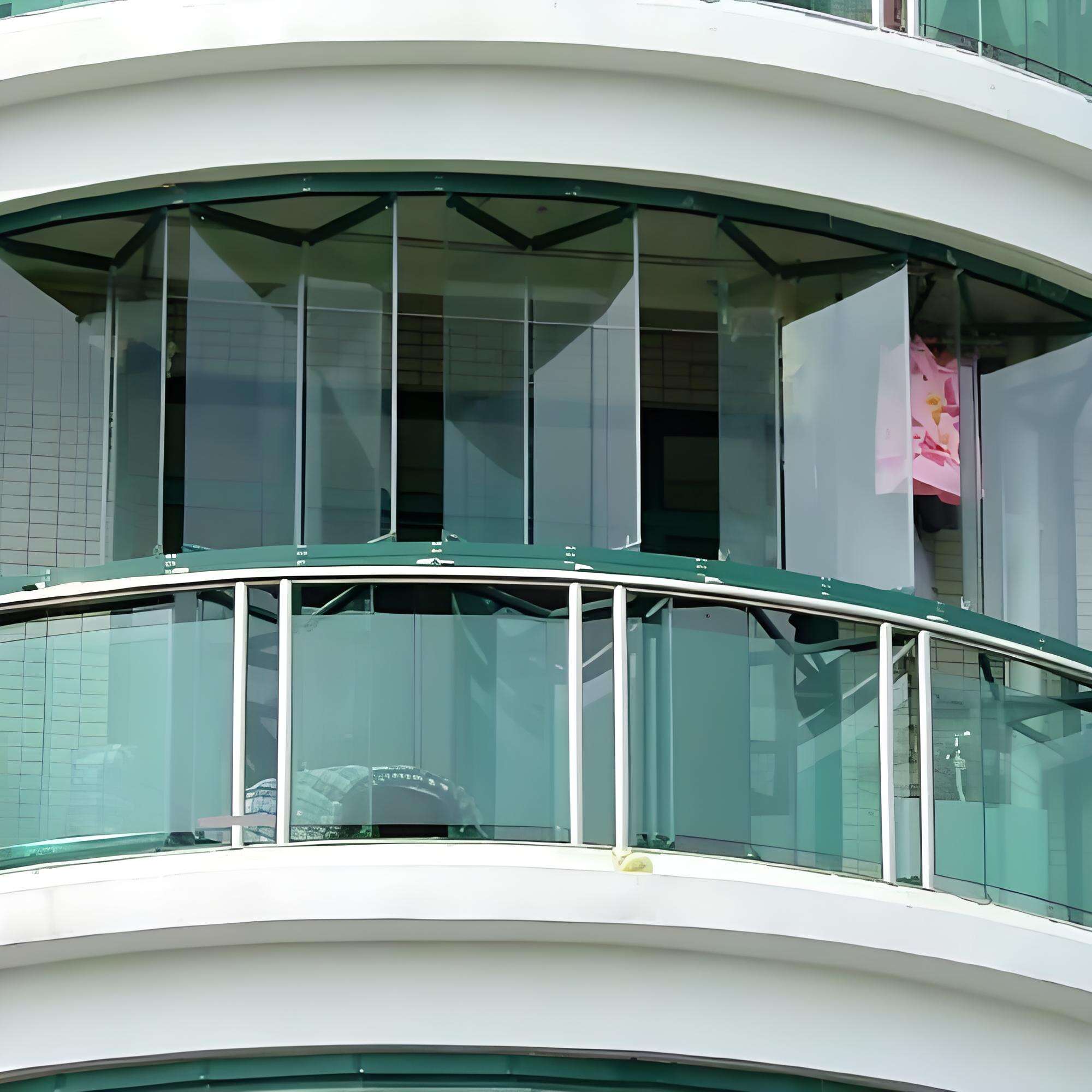
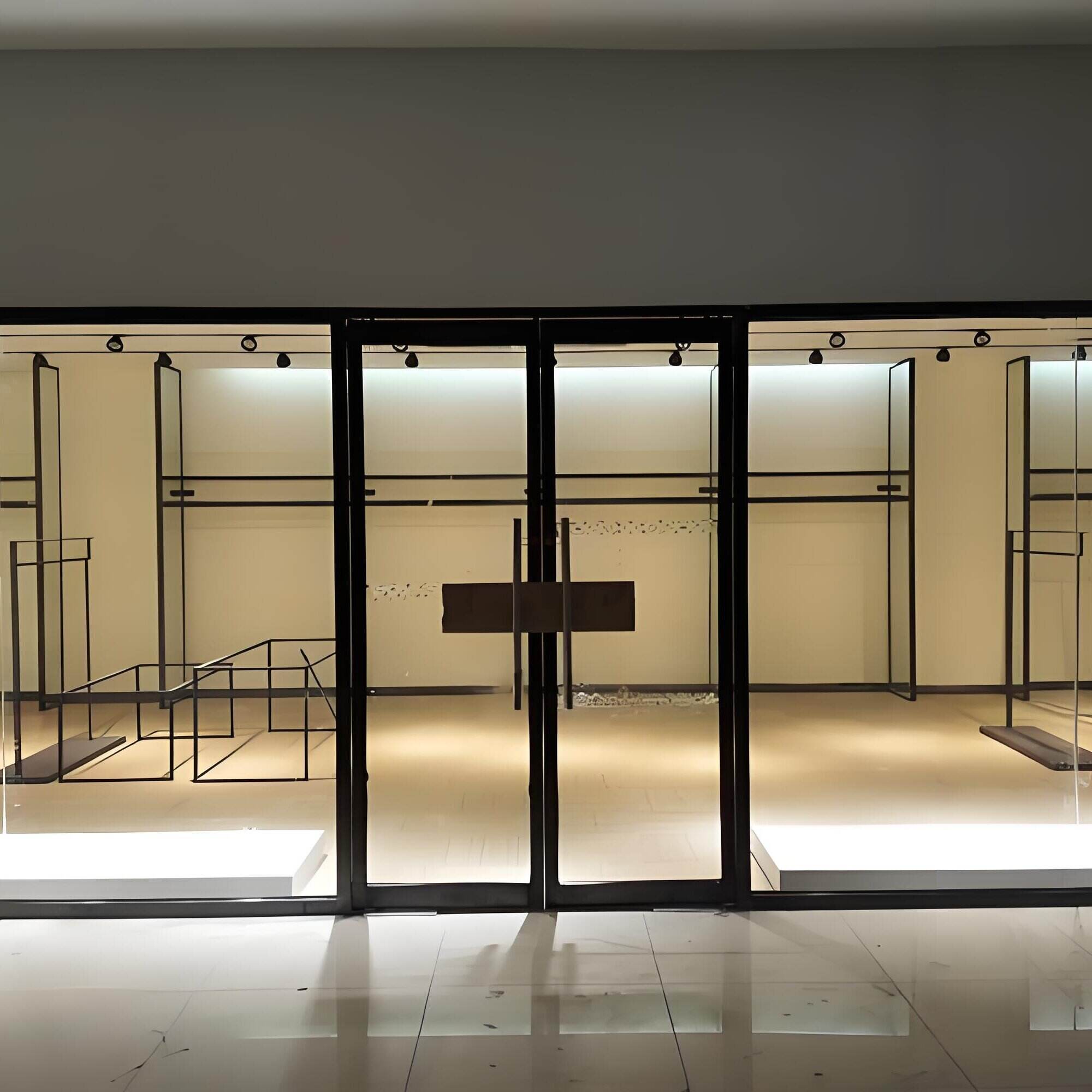
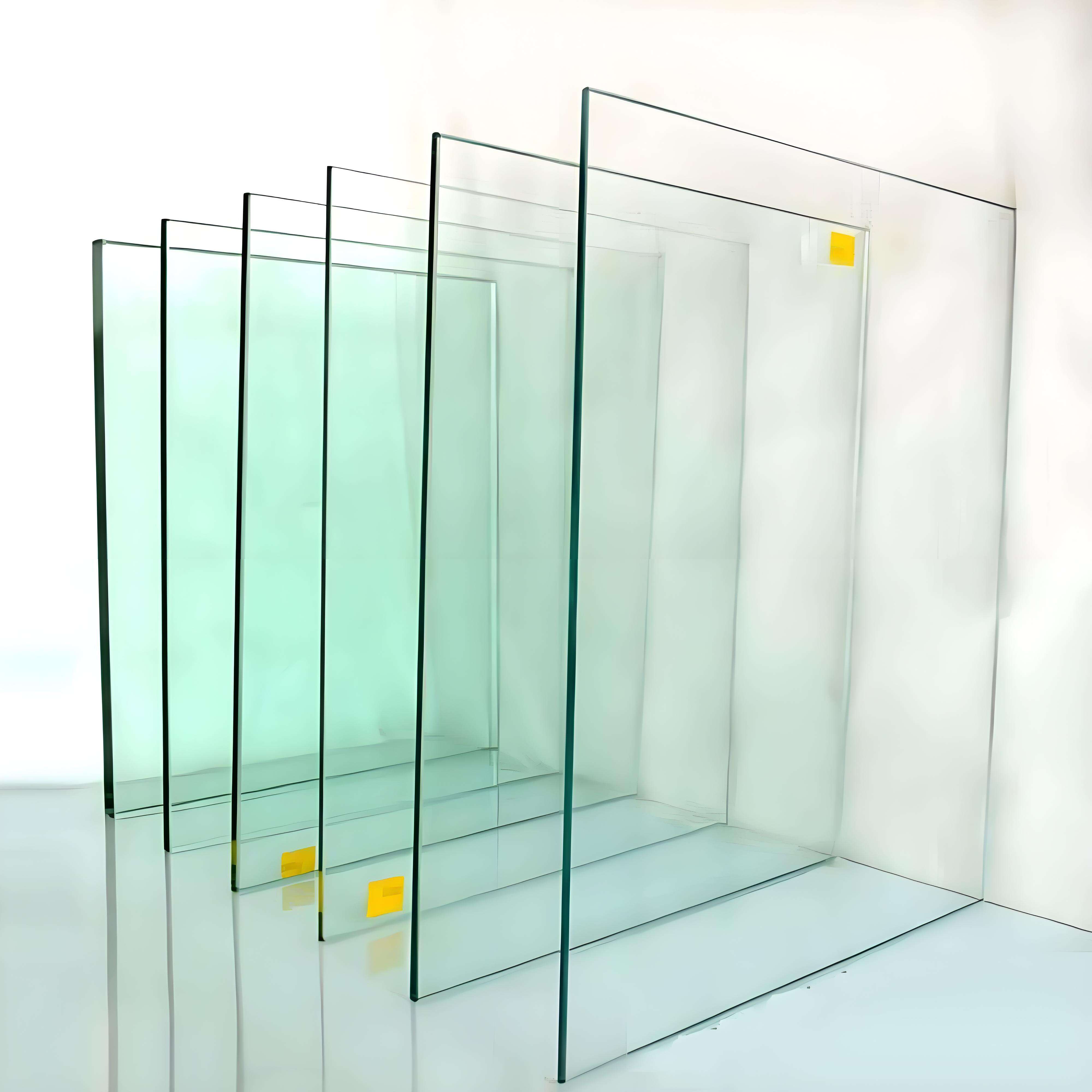
Transparent glass is a fundamental building material that has revolutionized architecture, design, and everyday functionality across countless industries. This versatile material allows light transmission while providing physical barriers, making it indispensable in modern construction and manufacturing. Transparent glass serves multiple essential functions including enabling natural illumination, creating visual openness, protecting against weather elements, and enhancing aesthetic appeal. The technological features of transparent glass have evolved significantly, with modern production methods ensuring superior clarity, strength, and durability. Advanced manufacturing techniques including float glass processes create exceptionally smooth surfaces with minimal distortions, delivering optical excellence. The material can be engineered with various thicknesses, treatments, and coatings to meet specific performance requirements. Applications of transparent glass span residential and commercial buildings, automotive windshields, retail storefronts, greenhouse structures, laboratory equipment, display cases, and decorative installations. In architectural contexts, transparent glass creates seamless connections between interior and exterior spaces while maintaining climate control and security. The construction industry relies heavily on transparent glass for windows, doors, skylights, and curtain wall systems. Manufacturing sectors utilize transparent glass in packaging, electronics, and specialized industrial applications. The versatility of transparent glass extends to artistic expressions, scientific instruments, and consumer products, demonstrating its universal importance in contemporary society and technological advancement.
 EN
EN