Architectural Glazing Solutions and Benefits

Get a Free Quote

Our representative will contact you soon.
Email
Name
Company Name
Message
0/1000

architectural glazing

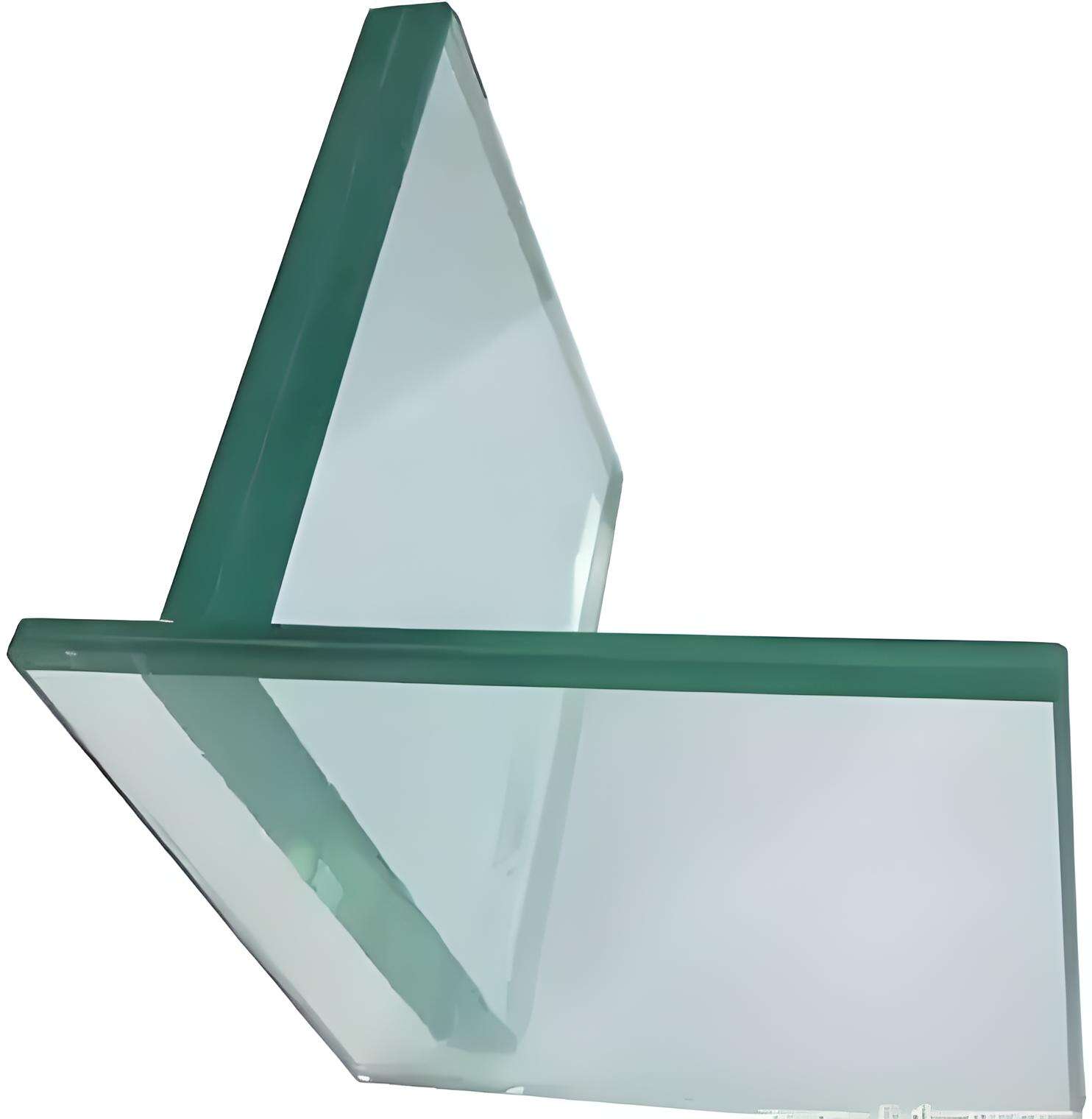
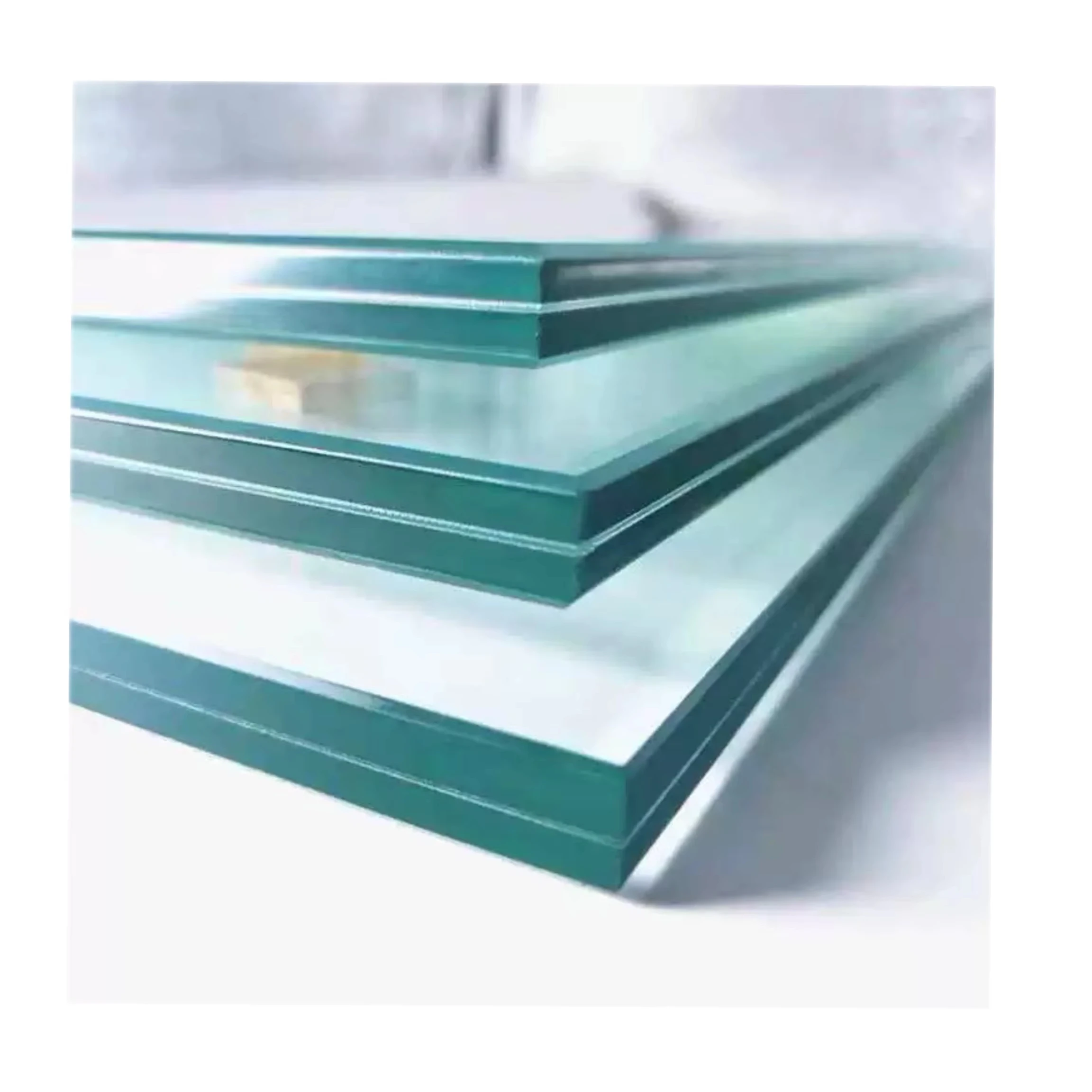
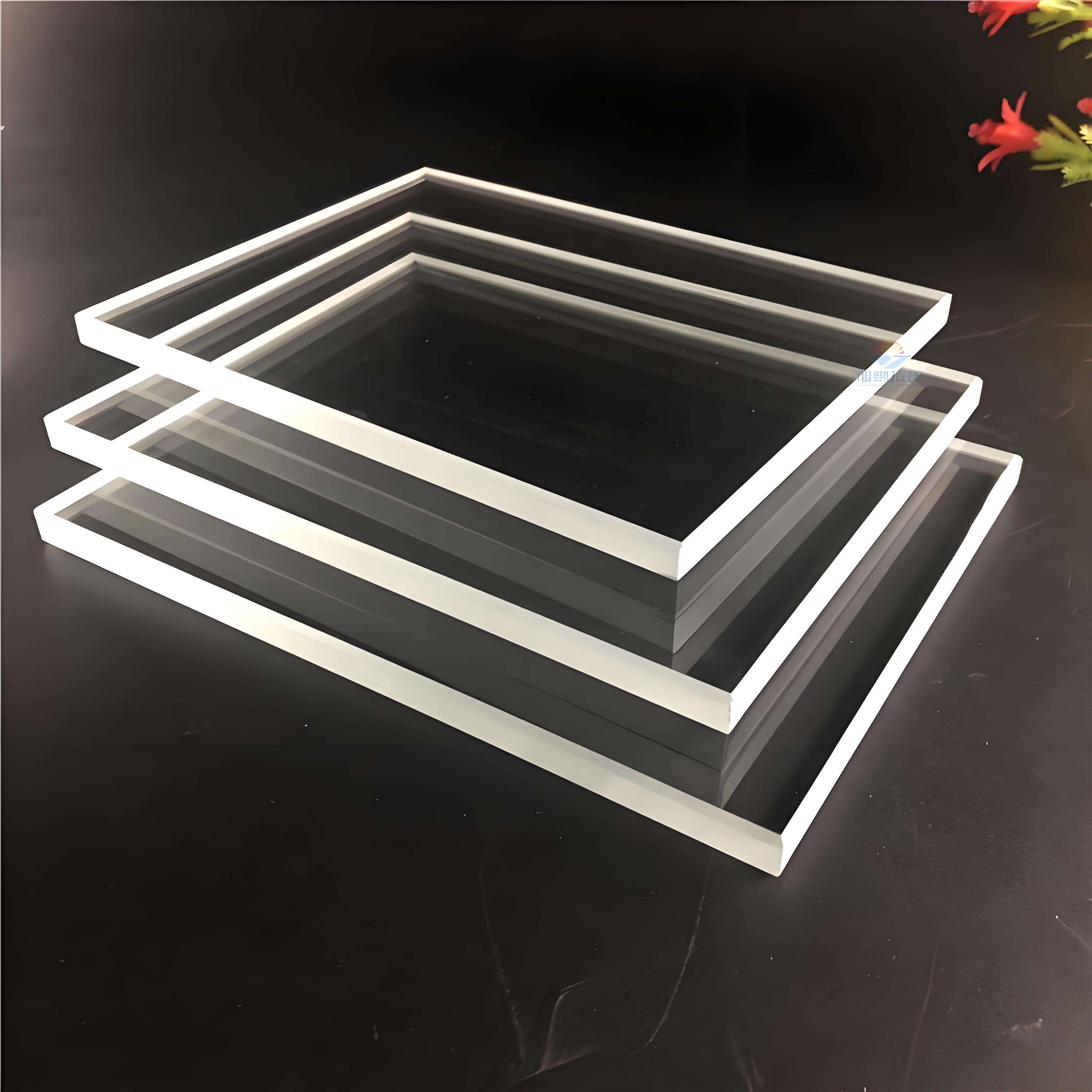
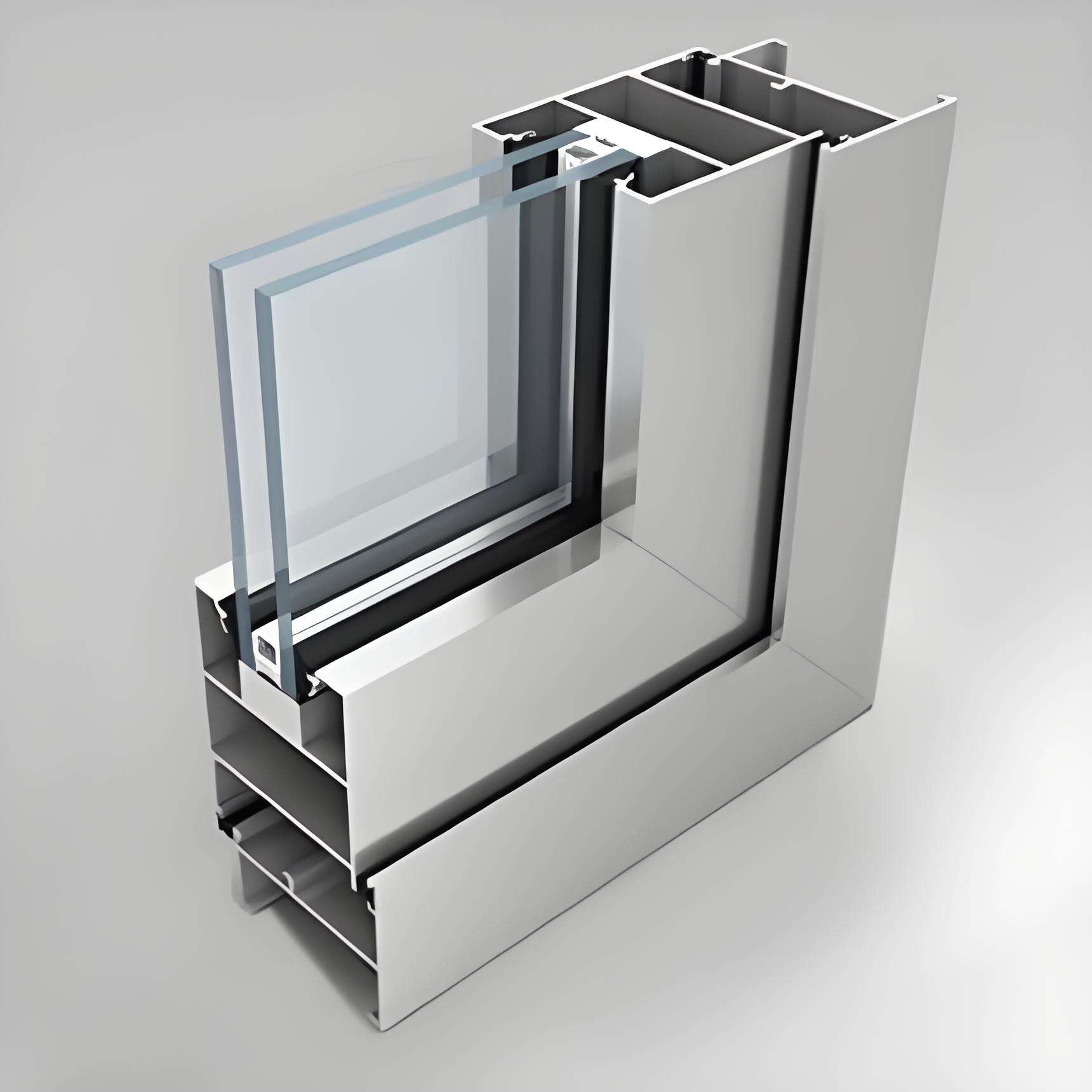
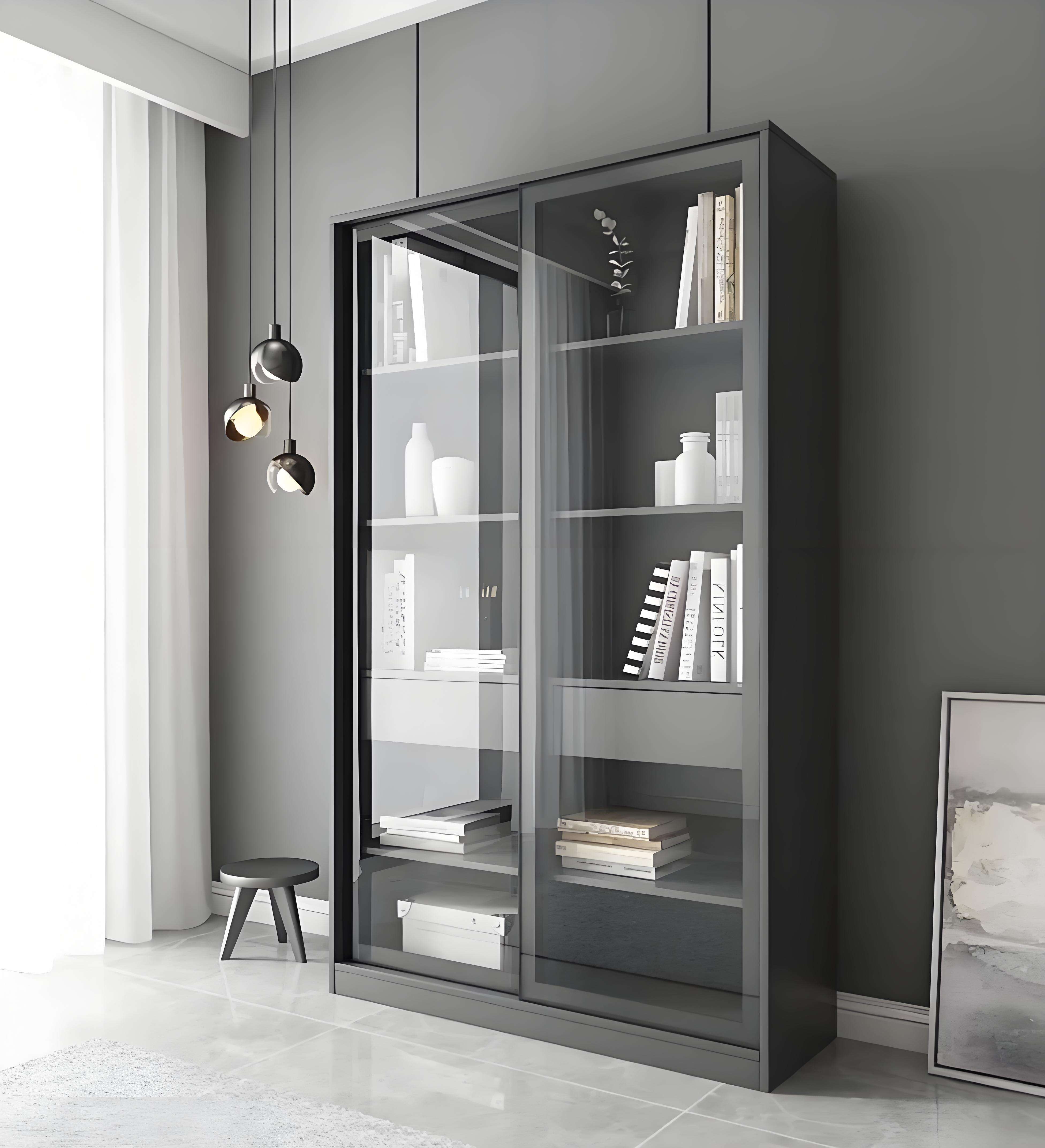
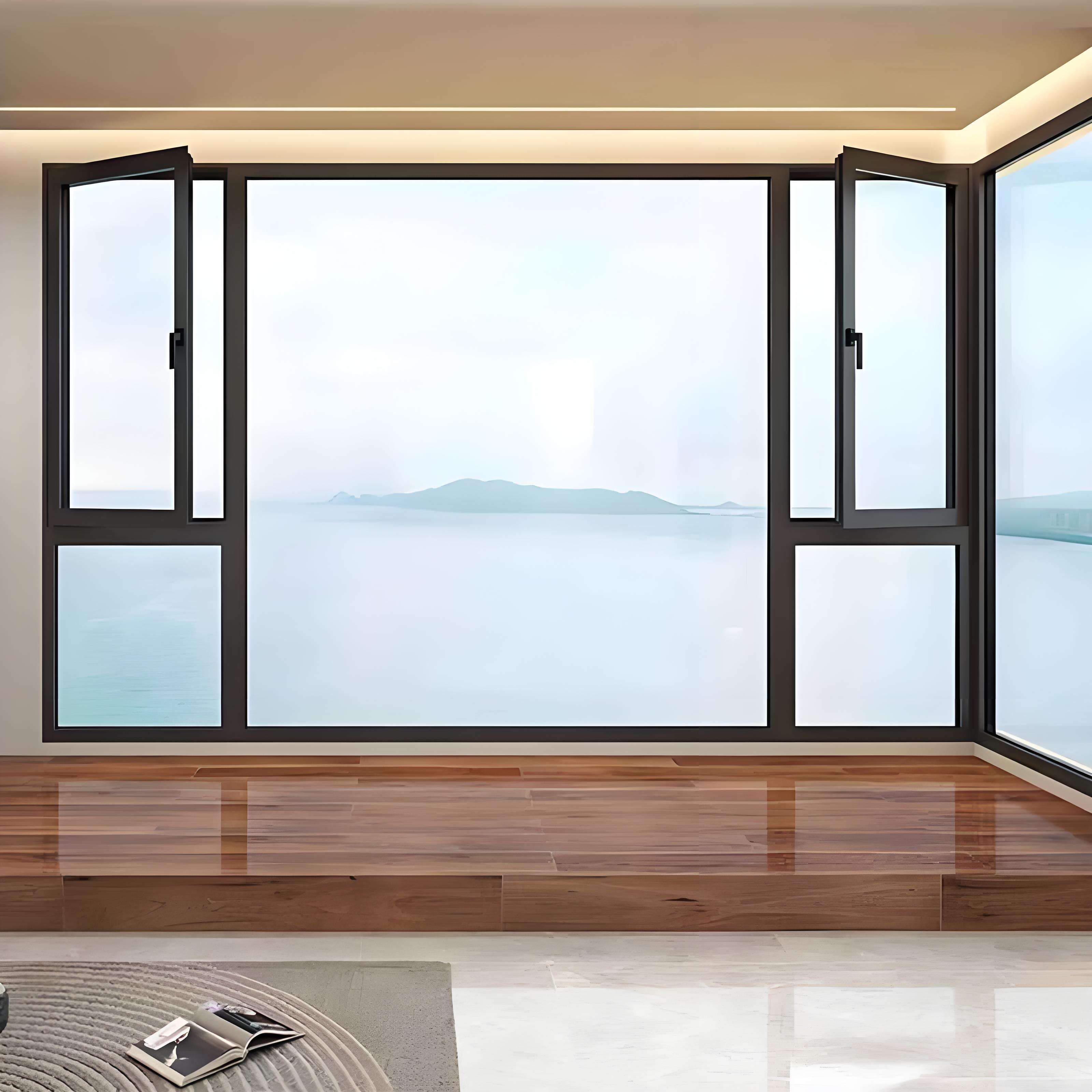
Architectural glazing refers to the specialized use of glass and glazing systems in building design and construction, serving both functional and aesthetic purposes in modern architecture. This essential building component encompasses windows, curtain walls, skylights, glass facades, and structural glazing systems that define the visual character of contemporary structures. Architectural glazing combines advanced materials with precision engineering to create transparent or translucent building envelopes that regulate light transmission, thermal performance, and environmental interaction. The technology integrates multiple glass layers, specialized coatings, and framing systems to achieve specific performance criteria including energy efficiency, sound insulation, safety, and weather resistance. Modern architectural glazing solutions employ low-emissivity coatings, laminated glass, tempered glass, and insulated glazing units that respond to diverse climatic conditions and architectural requirements. These systems play a crucial role in sustainable building design by maximizing natural daylight penetration while minimizing heat gain and loss, thereby reducing energy consumption for artificial lighting and climate control. Applications range from residential windows and commercial storefronts to expansive glass atriums and iconic skyscraper facades. The versatility of architectural glazing allows architects and designers to create visually striking buildings that blur boundaries between interior and exterior spaces while maintaining structural integrity and occupant comfort. As building codes evolve and environmental consciousness grows, architectural glazing continues to advance through innovations in material science, manufacturing processes, and installation techniques that deliver superior performance across aesthetic, functional, and sustainability dimensions.

Popular Products

Choosing architectural glazing for your building project delivers substantial practical benefits that directly impact operational costs, occupant comfort, and property value. The primary advantage lies in energy efficiency, as modern architectural glazing systems significantly reduce heating and cooling expenses through advanced thermal insulation properties, potentially lowering energy bills by 30-40 percent compared to conventional glazing. Natural light optimization represents another compelling benefit, allowing architectural glazing to flood interior spaces with daylight that enhances occupant wellbeing, productivity, and mood while reducing dependence on artificial lighting during daytime hours. The acoustic performance of specialized architectural glazing systems effectively dampens external noise pollution, creating quieter indoor environments particularly valuable in urban locations or near transportation corridors. Safety and security features built into architectural glazing include impact resistance, forced-entry deterrence, and controlled breakage patterns that protect occupants and assets from accidents and intrusions. Durability and low maintenance requirements mean architectural glazing systems retain their appearance and performance for decades with minimal upkeep, representing excellent long-term value compared to alternative building envelope solutions. Design flexibility allows architectural glazing to accommodate virtually any architectural vision, from traditional window configurations to dramatic floor-to-ceiling installations that create signature building identities. Weather resistance ensures architectural glazing performs reliably across extreme temperatures, high winds, heavy precipitation, and intense sunlight without degradation. Property value enhancement occurs naturally as buildings featuring quality architectural glazing command premium market positions due to their aesthetic appeal, operational efficiency, and modern amenities. The UV protection inherent in many architectural glazing products prevents interior furnishings, artwork, and flooring from fading while still permitting visible light transmission. Sustainability credentials make architectural glazing an environmentally responsible choice, contributing to green building certifications through recyclable materials, reduced energy consumption, and improved indoor environmental quality.

Latest News

Exploring the Aesthetic Versatility of Decorative Glass Panels

20

Jan

Exploring the Aesthetic Versatility of Decorative Glass Panels

The modern architectural landscape has witnessed a remarkable transformation with the integration of decorative glass panels as essential design elements. These versatile components have revolutionized how designers and architects approach both inter...
View More
What Makes Glass Blocks a Durable and Decorative Choice?

20

Jan

What Makes Glass Blocks a Durable and Decorative Choice?

Glass blocks have emerged as one of the most versatile building materials in modern architecture, combining exceptional durability with striking aesthetic appeal. These translucent structural elements offer architects and designers unprecedented flex...
View More
How Do You Select Between Clear and Tinted Laminated Glass for UV Protection?

11

Mar

How Do You Select Between Clear and Tinted Laminated Glass for UV Protection?

When architects and building designers face the challenge of selecting appropriate glazing solutions, the choice between clear and tinted laminated glass becomes critical for achieving optimal UV protection. Modern construction projects demand materi...
View More
How to select laminated glass for overhead skylights requiring fall-through protection?

02

Apr

How to select laminated glass for overhead skylights requiring fall-through protection?

Selecting the right laminated glass for overhead skylights with fall-through protection requirements demands careful consideration of multiple safety, structural, and performance factors. Unlike standard glazing applications, overhead installations p...
View More

Get a Free Quote

Our representative will contact you soon.
Email
Name
Company Name
Message
0/1000

architectural glazing

Advanced Thermal Performance and Energy Savings

Advanced Thermal Performance and Energy Savings

The thermal performance capabilities of architectural glazing represent a transformative advantage for building owners seeking to control operational expenses and environmental impact. Modern architectural glazing systems incorporate multiple technologies including low-emissivity coatings, argon or krypton gas fills, and multi-chamber designs that work synergistically to minimize heat transfer between interior and exterior environments. These innovations create effective thermal barriers that keep conditioned air inside during temperature extremes, dramatically reducing the workload on heating and cooling systems throughout the year. The energy savings generated by high-performance architectural glazing compound over time, often recovering the initial investment within several years through reduced utility costs. Beyond direct cost savings, improved thermal performance enhances occupant comfort by eliminating cold spots near windows, reducing drafts, and maintaining more consistent interior temperatures. Building owners also benefit from reduced carbon footprints and improved sustainability ratings that align with corporate responsibility goals and increasingly stringent environmental regulations. The thermal properties of architectural glazing can be customized to suit specific climatic zones, ensuring optimal performance whether the building faces extreme cold, intense heat, or moderate conditions.
Superior Natural Light Control and Visual Comfort

Superior Natural Light Control and Visual Comfort

Architectural glazing excels at managing natural light in ways that enhance both visual comfort and building functionality while maintaining essential connections to the outdoor environment. The sophisticated light transmission properties of architectural glazing allow designers to balance daylight harvesting with glare control, creating interior spaces that feel bright and open without causing eye strain or uncomfortable brightness levels. Specialized tints, coatings, and fritting patterns available in architectural glazing systems enable precise control over light transmission percentages, allowing customization based on building orientation, intended use, and occupant preferences. This natural light optimization reduces dependence on artificial lighting during daylight hours, lowering electricity consumption and creating more pleasant environments that support circadian rhythms and occupant wellbeing. Studies consistently demonstrate that access to natural light through quality architectural glazing improves productivity, concentration, and satisfaction among building occupants, whether in office, educational, healthcare, or residential settings. The transparency and views provided by architectural glazing also create psychological benefits, reducing feelings of confinement and maintaining visual connections to nature and surrounding contexts. Advanced architectural glazing options include electrochromic and thermochromic technologies that automatically adjust tint levels in response to sunlight intensity, delivering dynamic light control without manual intervention or window coverings.
Versatile Design Applications and Aesthetic Impact

Versatile Design Applications and Aesthetic Impact

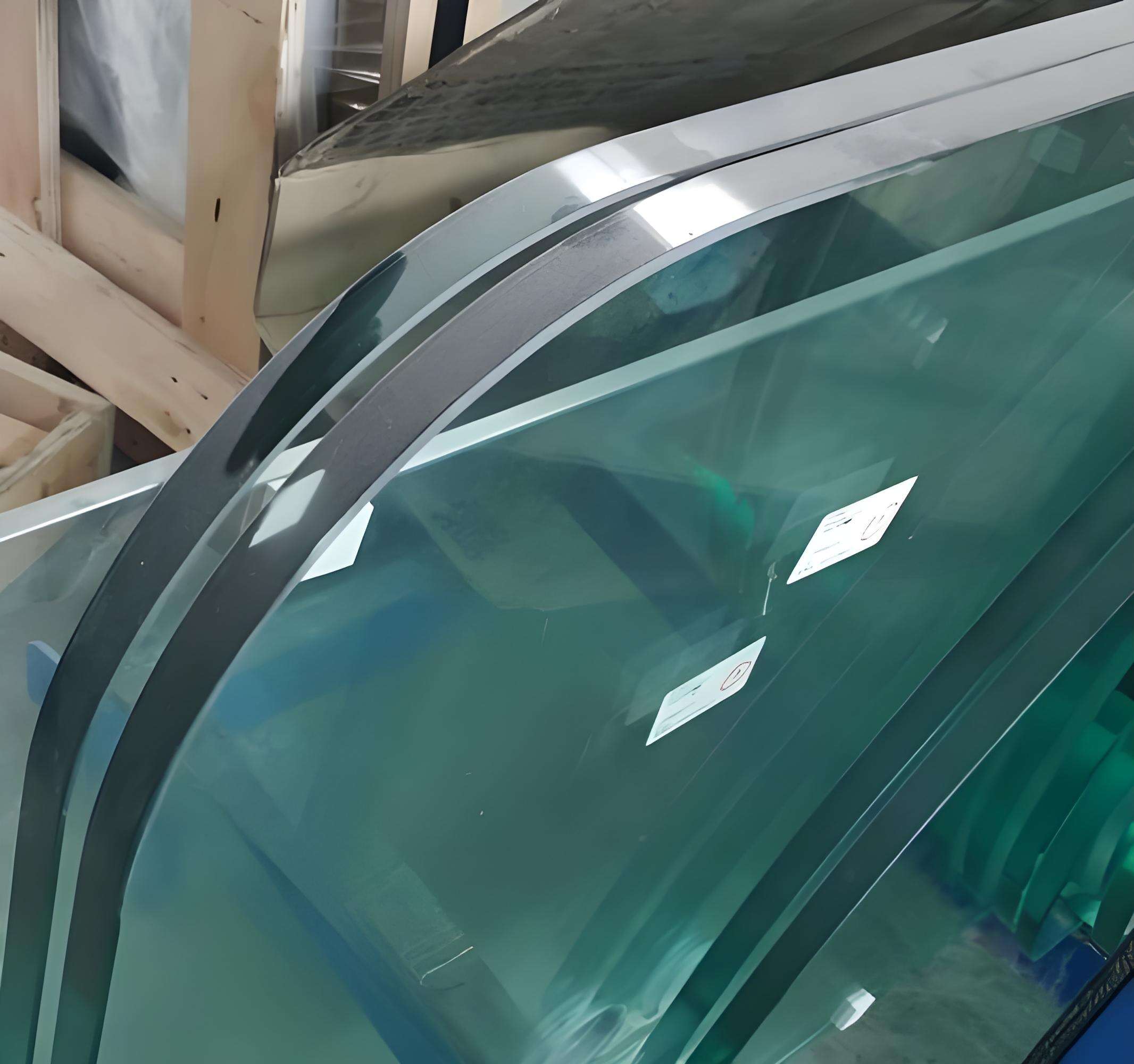
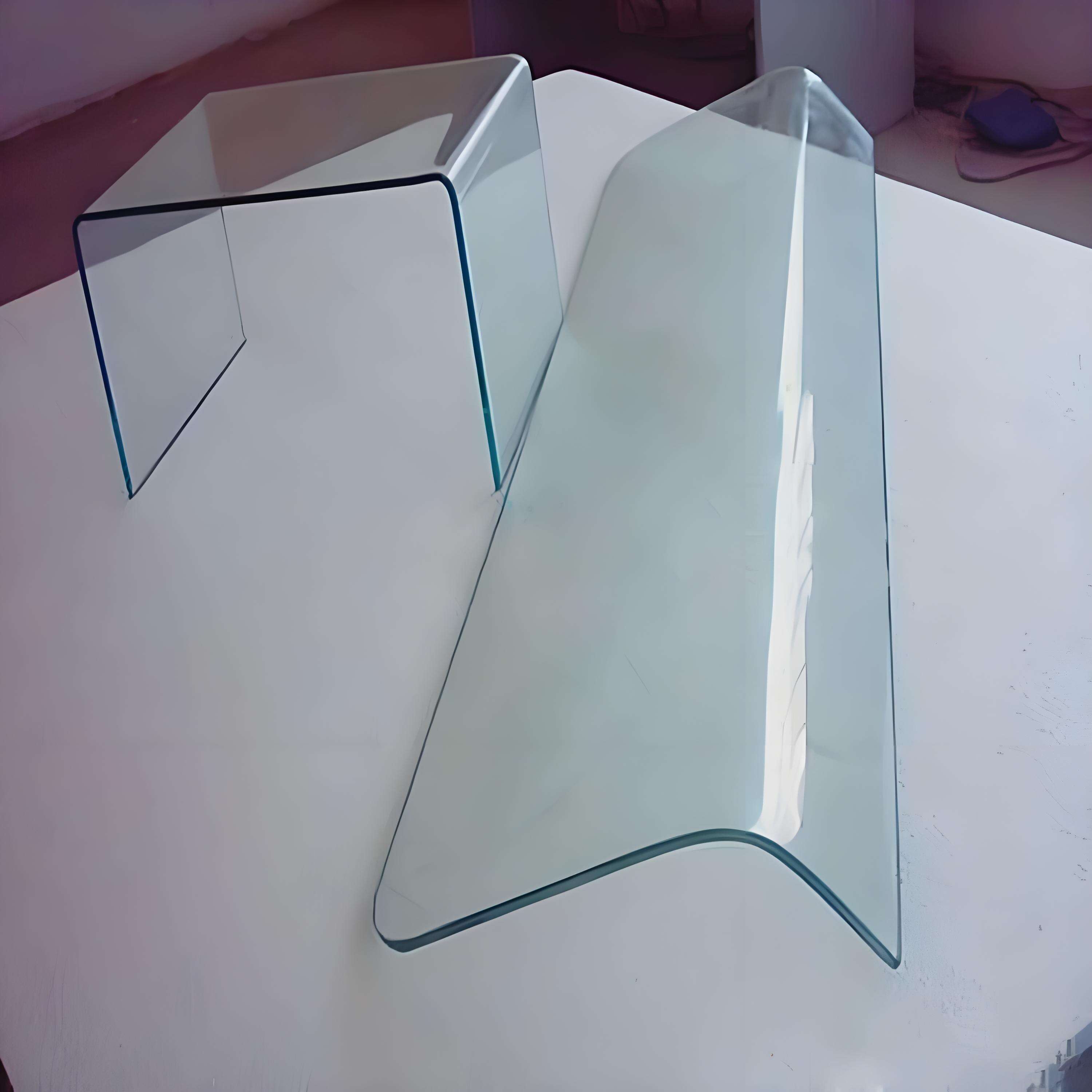
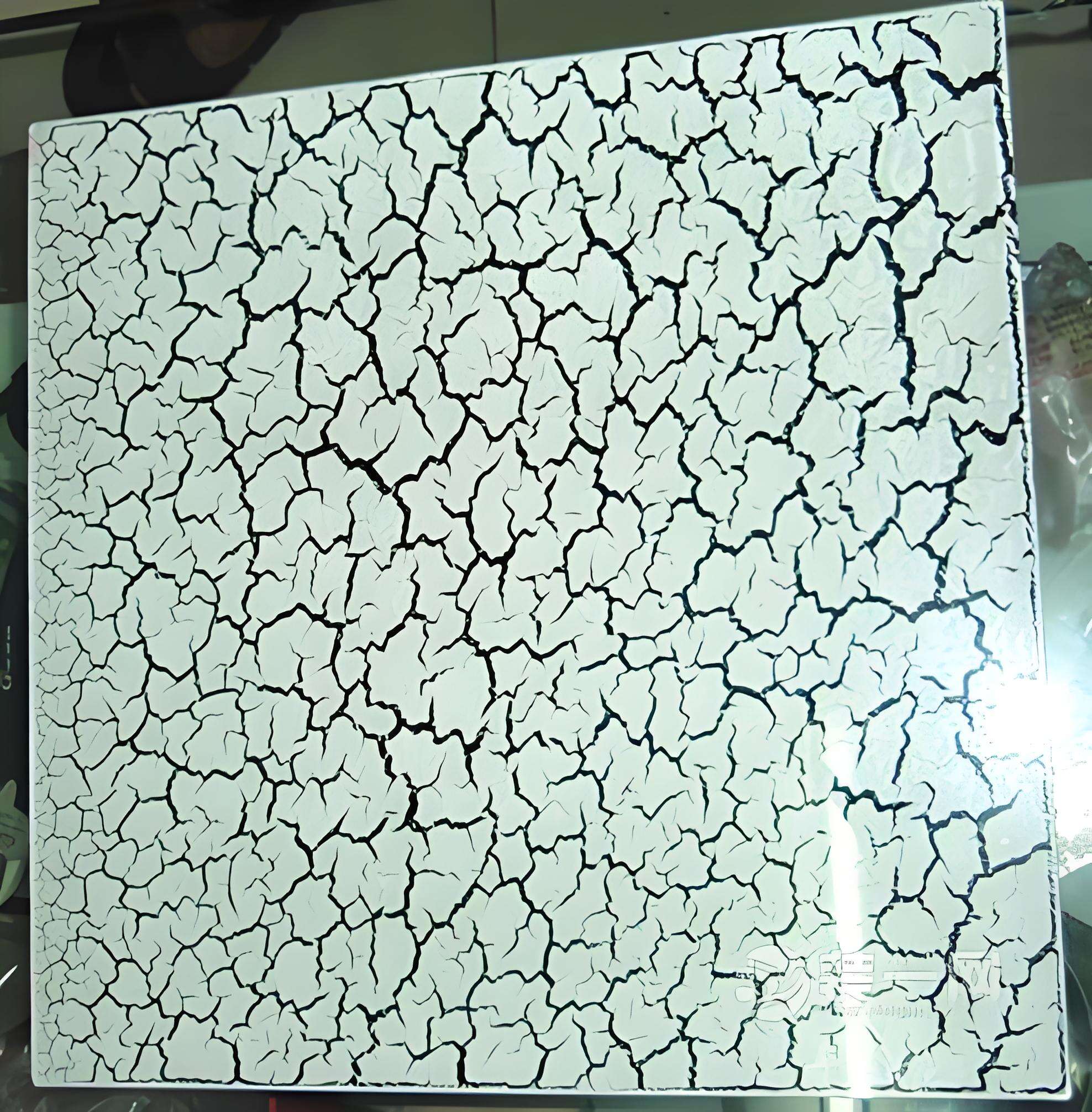
The remarkable versatility of architectural glazing empowers architects and designers to realize virtually limitless creative visions while meeting rigorous performance standards across diverse building types and styles. Architectural glazing adapts seamlessly to applications ranging from conventional punched windows in traditional buildings to expansive curtain wall systems that define contemporary architectural expressions. This flexibility extends to curved glass installations, structural glazing without visible framing, colored and patterned glass options, and integrated photovoltaic glazing that generates electricity while maintaining transparency. The aesthetic impact of well-executed architectural glazing cannot be overstated, as glass facades and window systems fundamentally shape building identity and visual character in ways that influence public perception and market positioning. Architectural glazing creates opportunities for distinctive design statements that differentiate buildings within competitive real estate markets while maintaining functional requirements for weather protection, thermal performance, and occupant comfort. The material properties of architectural glazing, including transparency, reflectivity, and surface quality, interact dynamically with changing light conditions throughout the day and across seasons, ensuring buildings remain visually engaging over time. Modern manufacturing capabilities allow architectural glazing to incorporate custom dimensions, shapes, and performance specifications that accommodate unique project requirements without compromising structural or thermal integrity.
Architectural Glazing Solutions and Benefits

Get a Free Quote

Our representative will contact you soon.
Email
Name
Company Name
Message
0/1000