EN

Sourcing bulk orders of clear glass for major construction projects requires a strategic approach that balances cost efficiency, quality assurance, and supply chain reliability. Whether you're managing a commercial building, industrial facility, or large-scale renovation, finding the right supplier and understanding the procurement process is essential to project success. The complexity of sourcing clear glass in large quantities extends beyond simply placing an order—it involves evaluating supplier capabilities, verifying material specifications, ensuring consistent product stability, and managing logistics for timely delivery. This guide walks you through the critical factors that influence clear glass procurement for big projects and how to navigate the sourcing landscape effectively.
When planning a major project that requires clear glass, the sourcing decision directly impacts budget, timeline, and structural performance. Bulk orders of clear glass demand deeper due diligence than off-the-shelf purchases because even small variations in thickness, optical clarity, or thermal properties can compound across hundreds or thousands of units. Large projects typically need clear glass specifications that meet building codes, architectural standards, and functional requirements—whether for façades, windows, partitions, or specialized applications. Understanding how to evaluate suppliers, negotiate terms, and validate that your clear glass meets stability and performance benchmarks is fundamental to protecting your project investment.
Understanding Clear Glass Specifications and Quality Standards
Core Specifications for Bulk Clear Glass Orders
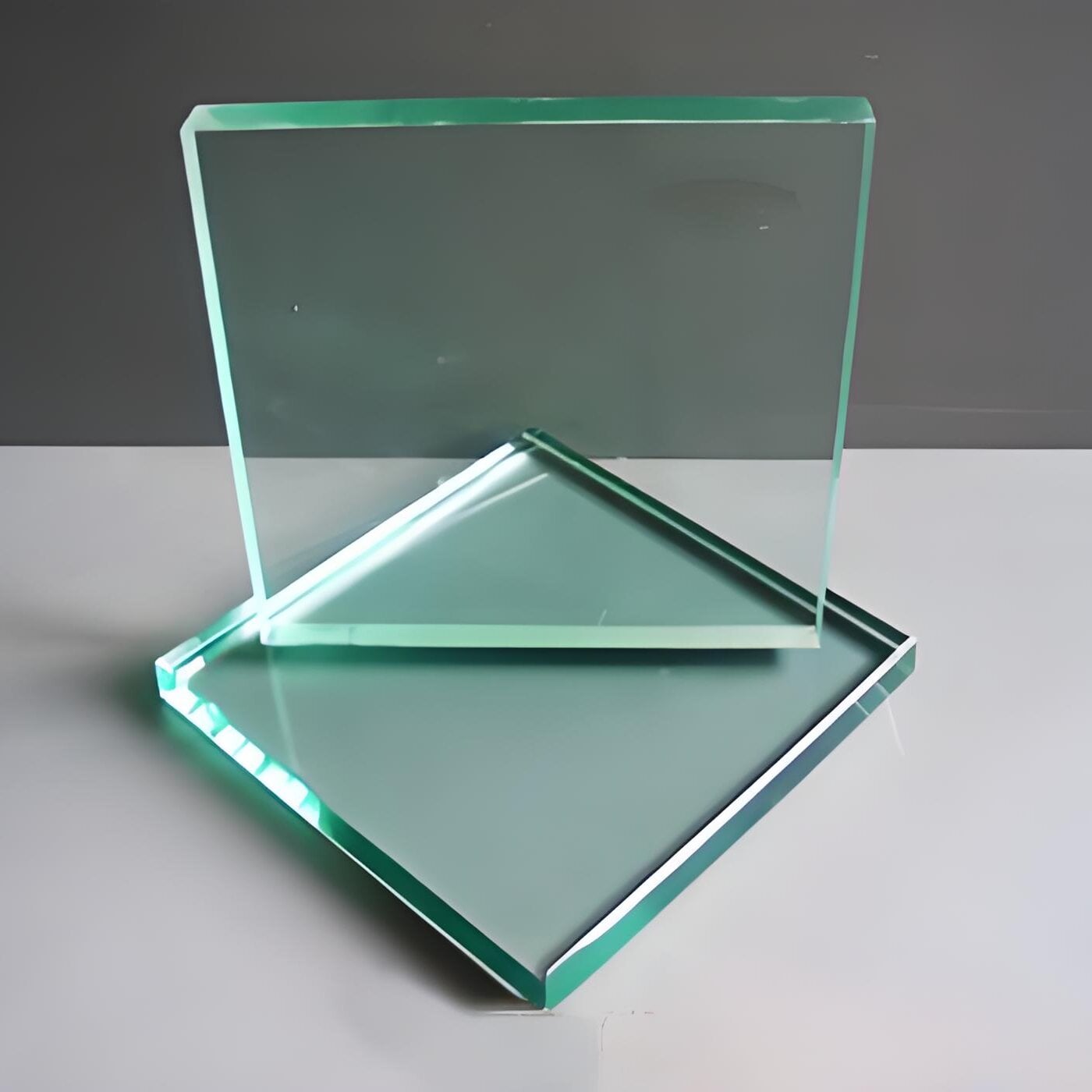
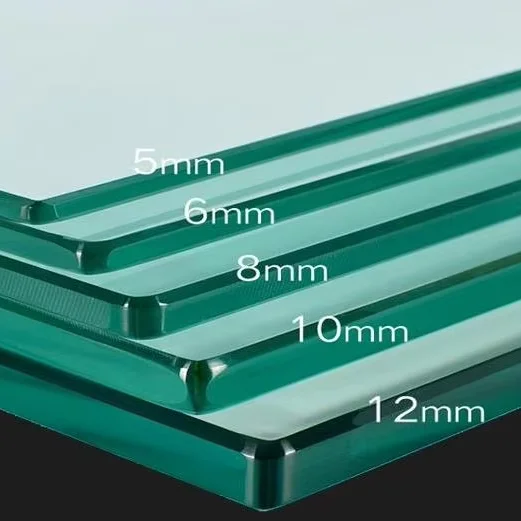
Bulk orders of clear glass must be ordered with precise specifications to ensure compatibility across your entire project. Clear glass thickness typically ranges from 2mm to 19mm depending on application, and each thickness rating carries different load-bearing capabilities and safety certifications. For architectural applications, specifying the exact thickness of your clear glass is non-negotiable because building codes often mandate specific glass weights for structural integrity. Your project requirements should define whether you need annealed clear glass, tempered clear glass, or laminated variants, as each type serves different functional roles. Additionally, optical quality matters significantly—high-quality clear glass maintains consistent transparency across the entire sheet without bubbles, inclusions, or distortions that could affect aesthetic or functional performance.
Stability and Performance Metrics
Stability in clear glass production refers to consistency in dimensional accuracy, thermal properties, and structural performance across all units in your bulk order. When sourcing clear glass for major projects, you need assurance that every sheet meets the same exacting standards—variance between early and late shipments can create compliance issues or require costly rework. Highly stable clear glass maintains uniform refractive index, which is critical for applications where visual clarity and light transmission matter, such as storefronts or skylights. For exterior applications, thermal stability becomes essential; your clear glass must withstand temperature fluctuations without developing stress fractures or optical aberrations. Requesting stability certifications and quality control documentation from suppliers ensures that bulk clear glass orders remain performant regardless of weather exposure or operational demands.
Evaluating and Selecting Reliable Clear Glass Suppliers
Supplier Capacity and Production Standards
Not all suppliers can reliably fulfill bulk clear glass orders, particularly for projects requiring large quantities or specialized formats. When evaluating suppliers, assess their production volume capacity, facility certifications, and quality control infrastructure—these factors directly influence whether your clear glass will be delivered on schedule and to specification. Suppliers capable of handling bulk clear glass orders should possess ISO certifications, comply with relevant building standards, and maintain documented quality assurance processes. Request production samples of the exact clear glass type and thickness you need, then verify optical clarity, dimensional accuracy, and edge finish under real-world inspection. Suppliers with established track records fulfilling large clear glass orders for commercial or industrial projects typically demonstrate better process stability and problem-resolution capability.
Cost Negotiation and Volume Discounting
Volume discounts on clear glass become available when you commit to bulk orders, but pricing negotiations require understanding the cost drivers in your supplier's operation. Request itemized quotes that separate material costs, processing fees (for cutting, tempering, or edge polishing), and delivery logistics for your clear glass specification. Bulk clear glass pricing typically decreases as order quantity increases, but the relationship isn't always linear—suppliers may have threshold volumes where pricing drops significantly. Negotiate payment terms, lead times, and defect allowances into your contract, ensuring that pricing reflects the quality and stability guarantees you need for clear glass performance. Avoid selecting suppliers based solely on lowest price; mid-range suppliers often deliver better value because they balance cost efficiency with quality oversight that lower-cost competitors may skip.
Logistics, Quality Verification, and Project Integration
Supply Chain Management and Delivery
Logistics planning for bulk clear glass orders is complex because glass is fragile, heavy, and requires specialized handling throughout transport and storage. Coordinate with your supplier on packaging standards—quality clear glass suppliers ship bulk orders in protective crating with edge padding and climate-controlled conditions to prevent thermal shock or moisture damage. Establish clear delivery schedules that align with your project phase; receiving all clear glass at once may strain storage capacity, while staggered deliveries reduce inventory costs but complicate scheduling. Inspect shipments of clear glass immediately upon arrival, documenting any visible damage or dimension variance before accepting delivery. Most suppliers warrant clear glass for transport damage only within a narrow window after delivery, so rapid inspection protects your claim rights.
Quality Control and Performance Testing
After receiving bulk clear glass shipments, implement a verification protocol that confirms specifications before installation begins. Measure sample sheets from your clear glass order to verify thickness and dimensions fall within tolerance; also inspect sheets under polarized light to detect stress or internal flaws that weaken the glass. For tempered clear glass, edge quality inspection becomes critical because chips or scratches can initiate failure under thermal or mechanical stress. Testing transparency and refractive uniformity ensures that your clear glass maintains intended light transmission and optical clarity across the project footprint. Document all inspection results and maintain photos or test reports; if issues emerge during installation, this evidence supports warranty claims against your clear glass supplier and protects your project timeline.
FAQ
What thickness of clear glass should I specify for exterior applications?
Exterior clear glass thickness depends on building codes, wind load requirements, and architectural design. Most commercial buildings specify 6mm to 10mm tempered clear glass for windows and façades, while frameless exterior installations may require 12mm or thicker clear glass for structural stability. Consult your structural engineer and local building authority to determine the appropriate clear glass thickness that balances safety, cost, and performance for your specific project conditions.
How do I ensure bulk clear glass shipments arrive without defects?
Establish clear quality standards with your supplier before ordering and include defect allowance limits in your contract. Request that clear glass be packaged in climate-controlled shipping with protective crating, and arrange for inspection immediately upon arrival. Document the condition of each clear glass shipment with photos and written notes; most suppliers honor claims for transport damage only within 48 to 72 hours of delivery, so rapid response is essential to protect your investment in clear glass.
Can I negotiate delivery schedules for bulk clear glass orders?
Yes, most suppliers accommodate staggered delivery schedules for bulk clear glass orders. Coordinate with your supplier early in the procurement process to align delivery timing with your project phases, installation labor availability, and storage capacity. Phased deliveries of clear glass can reduce holding costs and mitigate risk by spreading inventory across the project timeline rather than concentrating risk in a single large shipment.