EN

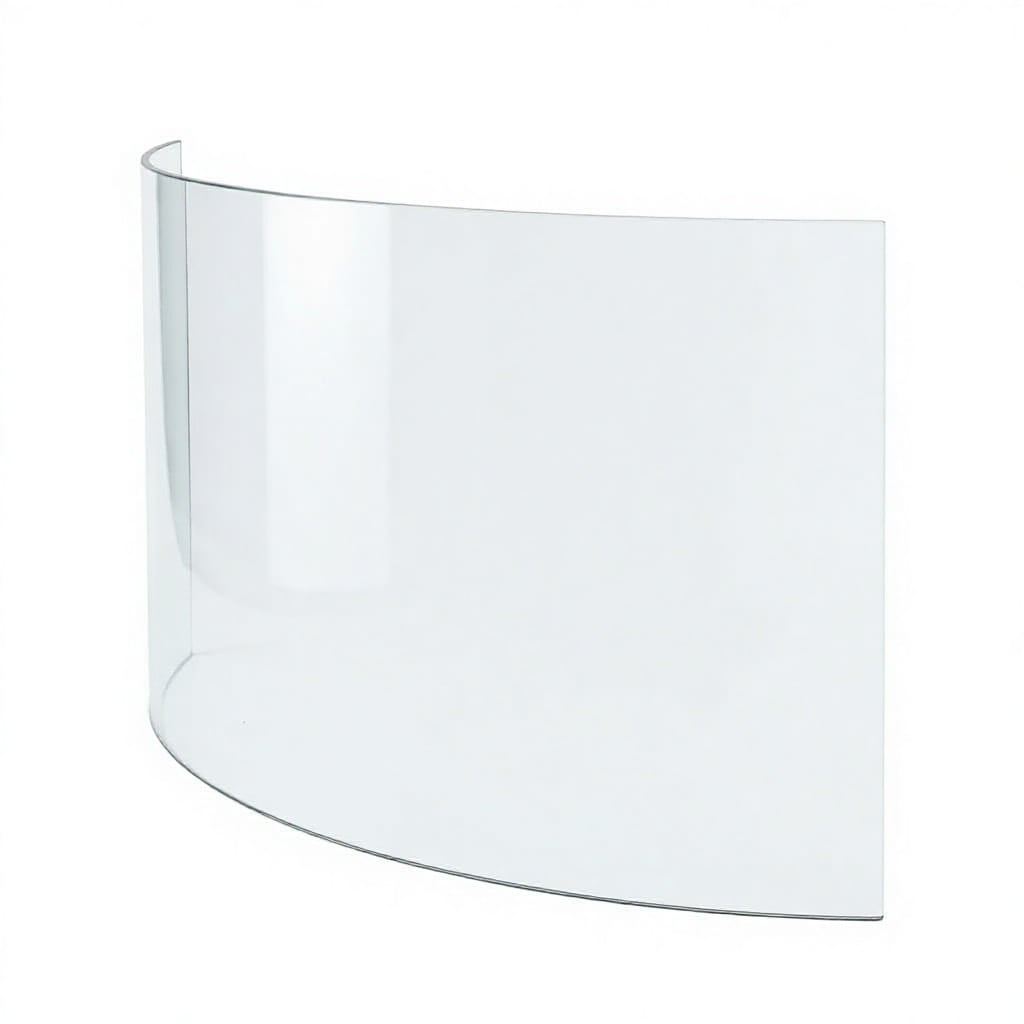
Elevator safety depends on multiple systems working in harmony, yet one often overlooked component plays a critical role in passenger protection and operational reliability: the glazing material. When you invest in custom tempered glass for elevator installations, you are making a decision that directly impacts both immediate safety and long-term performance. Standard glass cannot withstand the mechanical stress, thermal fluctuations, and impact forces that elevators experience daily. Custom tempered glass, engineered to your specific elevator specifications, transforms how cabins respond to extreme conditions and provides the structural integrity that building codes and passenger expectations demand.
The engineering behind custom tempered glass begins with understanding why ordinary glass fails in elevator environments. Elevators experience constant vibration, sudden acceleration and deceleration, temperature changes between floors, and occasional collisions or stress points. When you choose custom tempered glass specifically designed for elevator cabins, you gain material that has been heat-treated to withstand these conditions far better than untreated alternatives. This article explores the concrete reasons why custom tempered glass has become essential for modern elevator safety, how it performs under real-world stress, and what makes it the preferred choice for architects, building managers, and safety-conscious facility operators.
Understanding the Strength and Fracture Resistance of Custom Tempered Glass
How Tempering Process Enhances Glass Durability
Custom tempered glass undergoes a specialized thermal treatment that fundamentally changes its mechanical properties. The tempering process heats custom tempered glass to approximately 620 degrees Celsius, then rapidly cools it using pressurized air jets. This controlled cooling creates compressive stress on the outer surfaces while leaving tensile stress in the core, a state that makes custom tempered glass significantly stronger than annealed glass. For elevator applications, this structural transformation means the material can absorb impact forces without initiating catastrophic failure. When custom tempered glass does break, it fractures into small, relatively harmless granules rather than sharp shards, dramatically reducing injury risk in confined elevator spaces where passengers cannot escape quickly.
Impact Resistance and Load-Bearing Capacity
Elevators face unpredictable impacts from passenger movement, equipment stress, and occasional accidents. Custom tempered glass for elevator installations must resist forces that would easily shatter ordinary glass. The residual compressive stress in custom tempered glass creates a buffer zone that absorbs impact energy before the material fails. This resistance matters tremendously in high-traffic commercial elevators where daily collisions from luggage, wheelchairs, and moving equipment occur routinely. Additionally, custom tempered glass maintains its structural integrity even when subjected to concentrated loads at edges or corners where standard glass would develop critical cracks. Building managers who specify custom tempered glass for elevator cabins gain the assurance that the glazing will not become a liability during heavy use or emergency situations.
Thermal Stability and Environmental Performance
Temperature Fluctuation Management
Elevators travel between floors with vastly different environmental conditions, creating thermal stress that annealed glass cannot handle reliably. Custom tempered glass exhibits superior thermal stability because the tempering process creates a balanced stress distribution throughout the material. When an elevator shaft experiences 20-degree temperature variations between ground level and a high floor, custom tempered glass absorbs these changes without developing internal stress fractures. The material's thermal conductivity and expansion characteristics are optimized during manufacturing to match the specific elevator design specifications. This thermal performance becomes especially critical in buildings where elevators serve both exterior and interior zones, or where ventilation systems create uneven temperature distribution. Custom tempered glass for these environments prevents thermal shock failures that could compromise cabin integrity or create sharp hazards.
Humidity and Moisture Resistance
Elevator environments often contain moisture from weather exposure, especially in areas with high humidity or where building systems interact with condensation zones. Standard glass can develop internal stress points when moisture penetrates micro-fractures or edge imperfections. Custom tempered glass manufactured with precision edge finishing eliminates weak points where moisture could initiate failure. The tempering treatment itself seals the glass surface more effectively than standard annealing, reducing moisture absorption rates significantly. For elevator installations in coastal areas, industrial zones, or buildings with inadequate environmental controls, this moisture resistance becomes a primary safety advantage. Facility managers benefit from reduced maintenance cycles and fewer emergency repairs caused by glass degradation, making custom tempered glass an economically rational choice alongside its safety benefits.
Safety Compliance and Regulatory Advantages
Meeting Building Codes and Elevator Standards
Building codes, elevator safety standards, and accessibility regulations increasingly mandate tempered glass in elevator cabins. When you specify custom tempered glass for new installations or modernizations, you align with current safety requirements and position your building for future regulatory updates. Custom tempered glass meets or exceeds standards set by organizations including ASME, ANSI, and international elevator safety boards. The certification and testing documentation for custom tempered glass provides legal protection and demonstrates due diligence in elevator safety. Architects and building managers who choose custom tempered glass avoid costly retrofits or compliance violations that could result from using substandard materials. Additionally, insurance companies often recognize custom tempered glass installations as a risk reduction measure, potentially lowering premium rates and reflecting the genuine safety improvement.
Liability Reduction and Professional Accountability
Installing custom tempered glass in elevators creates a documented safety enhancement that protects building owners, facility managers, and tenants. If an incident occurs involving elevator glazing, evidence that custom tempered glass was specified demonstrates that professionals made informed, safety-conscious decisions. The granular fracture behavior of custom tempered glass minimizes injury severity compared to standard glass, a distinction that becomes legally significant. Insurance documentation, maintenance records, and material certifications for custom tempered glass become valuable liability protection. Building owners who proactively upgrade to custom tempered glass strengthen their risk management posture and signal commitment to occupant safety. This documented decision-making process reflects professional judgment and reduces potential exposure in litigation or regulatory investigations.
Performance in Emergency Scenarios and Long-Term Reliability
Behavior During Emergency Stops and Evacuation
Emergency situations test elevator systems in extreme ways that normal operations never approach. Custom tempered glass maintains integrity during emergency stops, sudden deceleration, and the mechanical stress of emergency braking systems. If passengers must exit through emergency hatches or if rescue operations require personnel to interact with elevator cabins, the reliability of custom tempered glass becomes critical. The material performs consistently under the physical and psychological stress of emergencies, preventing additional hazards from developing as situations unfold. Rescue personnel value the predictable fracture behavior of custom tempered glass because it allows controlled access without unpredictable sharp fragments creating new hazards. Testing data demonstrates that custom tempered glass maintains structural performance even after repeated stress cycles, meaning emergency systems remain reliable throughout an elevator's operational lifetime.
Maintenance Requirements and Total Cost of Ownership
Custom tempered glass reduces long-term maintenance demands compared to standard glazing materials. The material resists scratching, discoloration, and stress-related degradation better than alternatives, meaning facility managers spend less on cleaning cycles and surface treatments. The durability of custom tempered glass extends replacement intervals significantly, reducing operational disruption and labor costs. Building managers report that elevator cabins with custom tempered glass maintain aesthetic quality longer and require fewer emergency repairs. When calculating the total cost of ownership over a 20-year building lifecycle, custom tempered glass typically proves more economical than cheaper alternatives that require frequent replacement or exhibit visible degradation. This financial reality reinforces the safety argument: investing in quality custom tempered glass delivers both immediate safety benefits and long-term economic advantages that justify the initial material cost.
FAQ
How does custom tempered glass differ from regular glass in elevators?
Custom tempered glass undergoes a thermal treatment process that creates compressive stress on its outer layers and tensile stress in its core, making it approximately four to five times stronger than annealed glass. When custom tempered glass breaks, it fractures into small, relatively harmless granules rather than sharp shards. This controlled fracture behavior and superior strength make custom tempered glass ideal for elevator applications where safety and durability are paramount. Regular glass lacks this treatment and fails catastrophically under the thermal and impact stresses that elevators experience daily.
Is custom tempered glass required by building codes for elevators?
Most modern building codes, elevator safety standards, and accessibility regulations require or strongly recommend tempered glass in elevator cabins. Standards set by ASME, ANSI, and international elevator safety boards typically mandate custom tempered glass for commercial and residential elevators. When you plan new elevator installations or significant modernizations, specifying custom tempered glass ensures compliance with current regulations and protects against future code changes. Building owners and facility managers should verify specific code requirements in their jurisdiction, as some older buildings may have grandfathered glazing systems, but new installations should always incorporate custom tempered glass.
What temperature ranges can custom tempered glass handle safely?
Custom tempered glass exhibits stable performance across typical building environmental ranges, generally from minus 10 degrees Celsius to plus 60 degrees Celsius without performance degradation. The tempering process creates balanced stress distribution that allows the material to absorb thermal expansion and contraction safely. Most commercial elevator environments remain well within these ranges due to building HVAC systems. However, exterior elevators or installations in extreme climates require custom tempered glass engineered specifically for those conditions. Consulting with manufacturers about your specific building environment ensures custom tempered glass is optimized for the temperature variations your elevator will actually experience.