EN

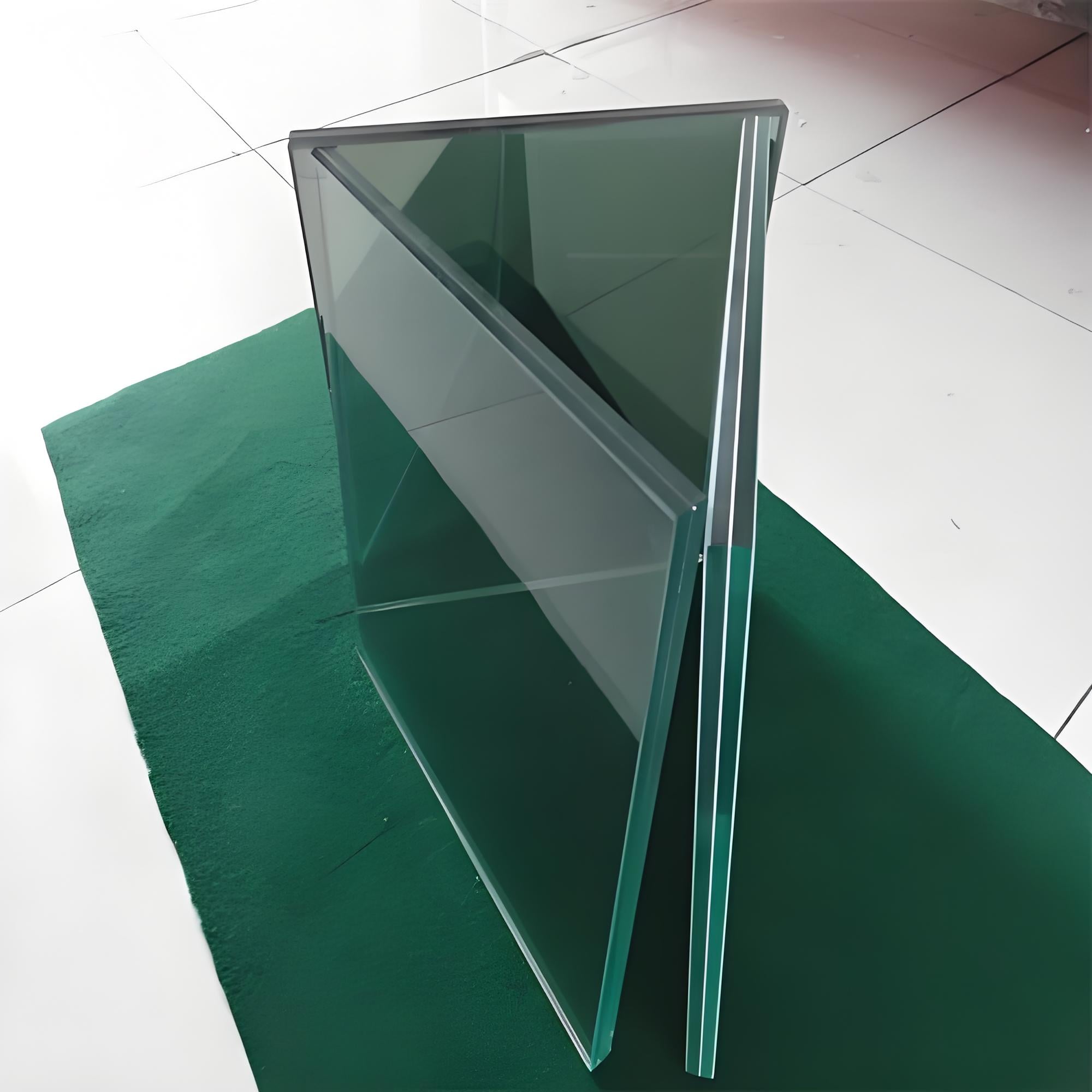
Modern high-rise buildings and transit systems face unique structural and safety challenges that demand specialized materials. Laminated glass has become the preferred choice for architects and engineers designing these complex structures. The widespread adoption of laminated glass reflects a fundamental shift in how the construction industry addresses safety, transparency, and performance in demanding environments.
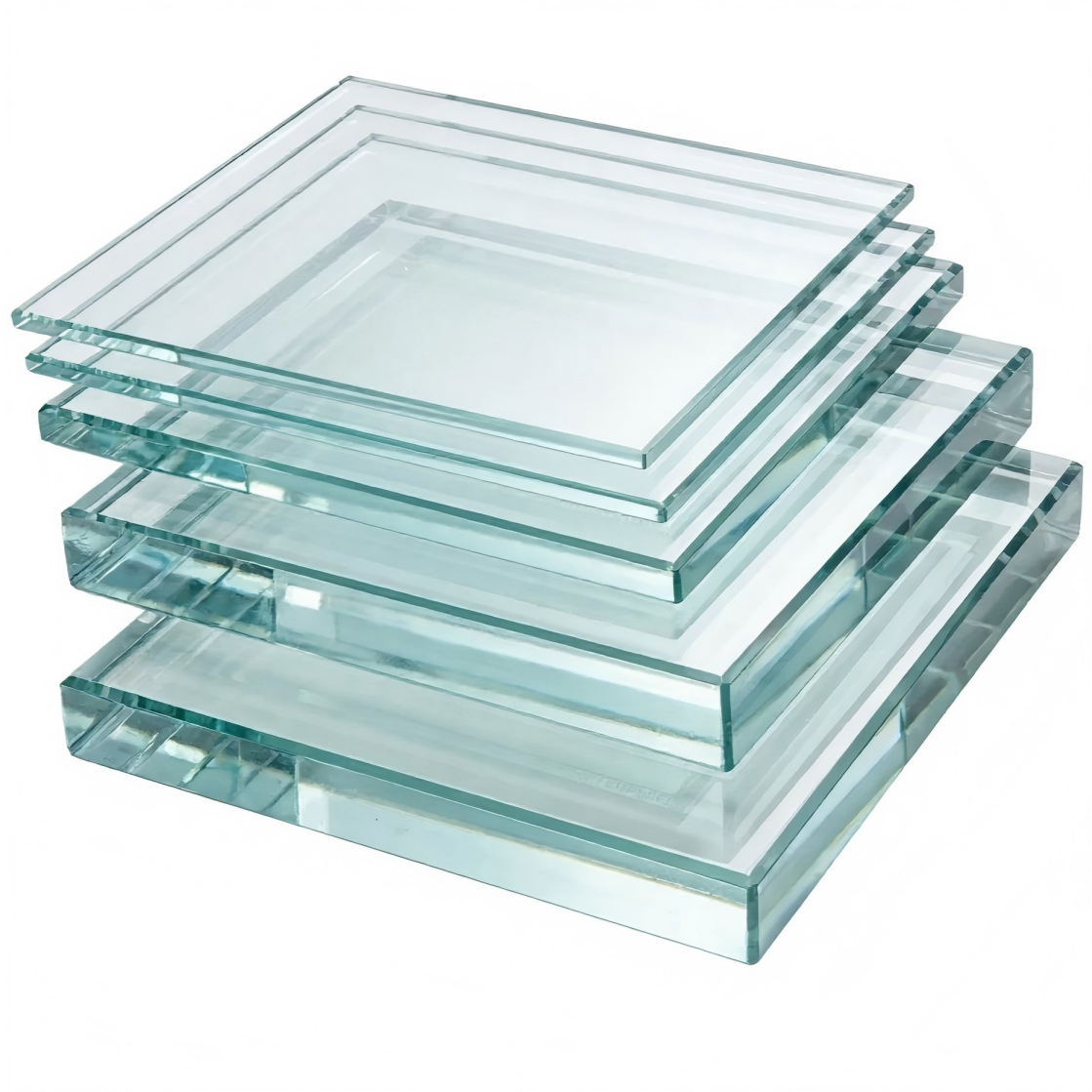
Laminated glass differs fundamentally from standard tempered glass or monolithic glazing in its composition and behavior under stress. The material consists of multiple glass layers bonded together with a polyvinyl butyral (PVB) interlayer that holds fragments together when breakage occurs. This cohesive structure provides laminated glass with exceptional performance characteristics that directly address the operational requirements of high-rise buildings and public transportation networks.
Safety Performance and Impact Resistance
Fragment Control in Laminated Glass Applications
The primary advantage of laminated glass in high-rise environments centers on its ability to contain broken glass. When laminated glass fractures due to impact, bomb blast, or extreme wind pressure, the PVB interlayer prevents fragments from scattering into occupied spaces. This containment property fundamentally reduces injury risk in high-rise buildings where falling glass represents a critical public safety concern. Transit systems benefit equally, as laminated glass prevents passenger injuries during accidents or emergency situations.
Building codes in major metropolitan areas now mandate laminated glass for specific applications in high-rise structures. Laminated glass specifications typically require multiple layers with industrial-grade PVB thickness to meet safety ratings. The performance standards for laminated glass in high-rise applications exceed those of single-pane or basic tempered solutions. Engineers designing high-rise buildings consistently specify laminated glass because it demonstrably reduces liability exposure and meets evolving safety regulations.
Structural Continuity and Blast Resistance
Laminated glass provides structural advantages beyond simple impact protection. In high-rise buildings subjected to wind loads, laminated glass distributes stress across the bonded layers more effectively than monolithic glass. The interlayer in laminated glass acts as a mechanical damper, reducing vibration transmission and improving overall facade stability. Transit systems experience similar benefits, particularly in train carriages and station structures exposed to acoustic and mechanical stress.
Security considerations also favor laminated glass specifications. High-rise buildings containing sensitive facilities, corporate offices, or public gathering spaces increasingly incorporate laminated glass to resist forced entry and deliberate impact. The same laminated glass that protects against accidental breakage also provides enhanced security characteristics that architects specify during initial design phases.
Acoustic Performance and Environmental Control
Sound Insulation in Dense Urban Environments
High-rise buildings located in urban centers face persistent external noise from traffic, construction, and public activity. Laminated glass significantly outperforms standard glazing in sound transmission class (STC) ratings because the PVB layer dampens acoustic vibrations. Transit systems operating in metropolitan corridors require laminated glass to protect passengers and crew from sustained noise exposure. The acoustic benefits of laminated glass extend the lifespan of HVAC systems and reduce energy consumption associated with environmental control.
Specifying laminated glass for high-rise facades creates measurable acoustic improvements measured in decibel reduction. Unlike standard tempered glass that transmits sound frequencies directly, laminated glass absorbs and disperses acoustic energy through its bonded layer structure. Transit vehicles equipped with laminated glass windows demonstrate noise reduction of 8-12 decibels compared to conventional glazing, a substantial improvement in passenger comfort levels.
UV Protection and Thermal Performance
Laminated glass provides inherent ultraviolet (UV) filtering properties because the PVB interlayer blocks approximately 99 percent of harmful UV radiation. High-rise buildings benefit from reduced solar fading of interior furnishings, artwork, and structural materials. The UV protection characteristics of laminated glass reduce maintenance costs and preserve property value over multi-decade occupancy cycles. Transit systems utilizing laminated glass experience reduced degradation of interior components and passenger seating materials.
Thermal performance considerations also favor laminated glass selection in high-rise applications. The laminated glass interlayer provides modest insulation value that improves overall window assembly performance. When combined with low-emissivity coatings or double-glazing configurations, laminated glass contributes to energy efficiency goals in modern high-rise buildings. Transit authorities specify laminated glass partly because it supports climate control efficiency and reduces operational energy expenses.
Regulatory Compliance and Long-Term Durability
Building Code Mandates for High-Rise Glazing
International building codes increasingly mandate laminated glass for specific glazing applications in structures exceeding certain height thresholds. Laminated glass requirements typically apply to areas where fallout creates public hazard, including skylights, overhead glazing, and facade elements adjacent to pedestrian zones. High-rise buildings designed for certification under LEED, WELL, or similar sustainability standards often specify laminated glass to meet safety and performance criteria. Transit systems must comply with transit authority standards that explicitly require laminated glass in passenger compartments and station environments.
Architects and project engineers select laminated glass because it simplifies compliance with evolving regulatory frameworks. Specifying laminated glass reduces design review cycles and accelerates permitting processes in jurisdictions with stringent safety requirements. The widespread acceptance of laminated glass across regulatory bodies makes it a reliable choice for high-rise buildings targeting approval in multiple markets.
Extended Service Life and Maintenance Efficiency
Laminated glass demonstrates superior durability compared to standard glazing materials over extended exposure cycles. The PVB interlayer resists delamination when properly manufactured and installed, maintaining structural integrity through thermal cycling and weather exposure. High-rise buildings benefit from extended intervals between facade refurbishment because laminated glass maintains optical clarity and mechanical properties throughout multi-decade service periods. Transit systems reduce maintenance costs because laminated glass resists degradation from vibration, humidity, and temperature fluctuations inherent in transportation environments.
When damage occurs, laminated glass can be repaired or replaced using standardized procedures that minimize disruption to building operations. Transit authorities appreciate the maintainability of laminated glass systems because replacement doesn't require complete facade or window assembly reconstruction. The economic benefits of laminated glass durability extend beyond initial installation, creating favorable lifecycle cost profiles that justify higher upfront material expenses. High-rise building owners consistently experience net cost savings when comparing laminated glass to alternatives that require more frequent replacement or restoration.
Insurance and Liability Considerations
Insurance providers recognize the risk mitigation properties of laminated glass and often adjust premiums favorably for buildings incorporating this material. High-rise building owners and transit authorities benefit from reduced liability exposure when laminated glass prevents injury from glazing failure. The documented safety performance of laminated glass simplifies insurance underwriting and can provide competitive advantages in lease negotiations and property valuations.
Architects designing high-rise buildings document laminated glass specifications as evidence of responsible safety planning. This documentation supports favorable liability positions during claims investigations and regulatory inquiries following any facade-related incidents. Transit systems maintain similar documentation demonstrating proactive safety measures through laminated glass adoption. The combination of actual safety performance and documented risk management through laminated glass creates compelling business justification for continued material specification.
FAQ
What exactly is the PVB interlayer in laminated glass?
The PVB (polyvinyl butyral) interlayer is a plastic layer bonded between two or more glass panes that holds glass fragments together when breakage occurs. This material undergoes specialized curing and lamination processes to create strong adhesion between glass and plastic. The thickness and composition of the PVB interlayer determines the laminated glass performance characteristics, including acoustic dampening, UV protection, and impact resistance. Manufacturers produce laminated glass with varying interlayer thicknesses (typically 0.38mm to 1.52mm) to meet specific application requirements in high-rise buildings and transit systems.
How does laminated glass improve safety in high-rise buildings specifically?
Laminated glass prevents glass fragments from falling into occupied spaces or public areas below high-rise buildings when breakage occurs. The interlayer maintains glass cohesion even after complete fracturing, eliminating the hazard of sharp projectiles or cascading debris. This fragment containment directly reduces injury risk to building occupants and pedestrians in surrounding areas. High-rise buildings also benefit because laminated glass reduces potential litigation and insurance claims arising from glazing failures.
Can laminated glass be used in all high-rise building applications?
Laminated glass works in most high-rise applications including facades, skylights, internal partitions, and security barriers. However, specific applications may require specialized laminated glass configurations, such as fire-rated laminates for emergency egress routes or enhanced-security laminates for sensitive facilities. Transit systems use laminated glass extensively but may require custom specifications for extreme environments such as high-speed rail or elevated structures. Building codes determine mandatory laminated glass applications, and architects select optional applications based on safety priorities and budget considerations.