EN

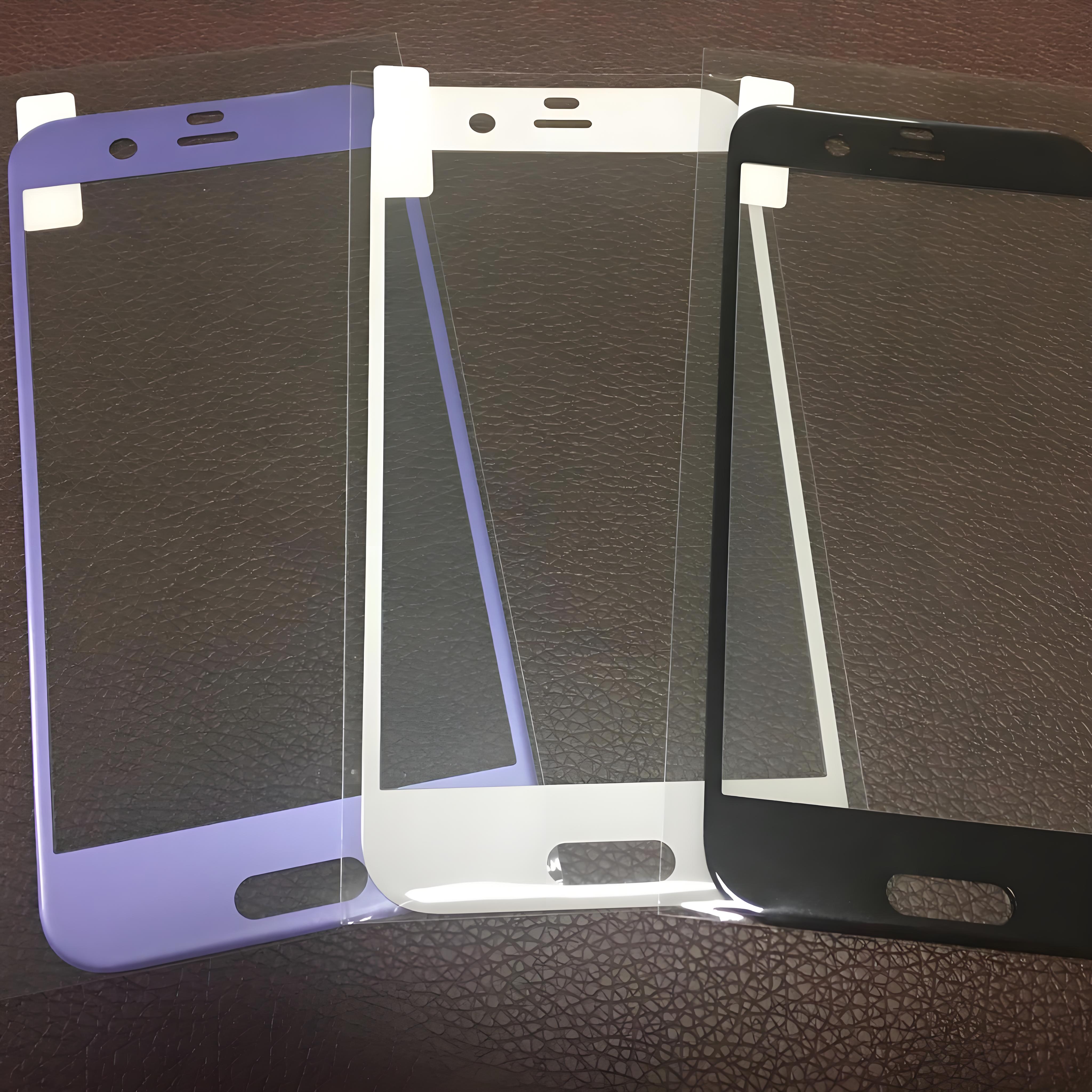
Modern offices are fundamentally transforming their work environments, and smart glass stands at the forefront of this revolution. Organizations worldwide are rushing to install smart glass solutions because this technology addresses critical workplace challenges that traditional building materials simply cannot solve. Smart glass represents more than an aesthetic upgrade—it is a strategic investment that impacts employee productivity, energy efficiency, operational costs, and overall workplace satisfaction. Understanding why this adoption is accelerating helps facility managers, architects, and corporate decision-makers recognize the genuine value that smart glass delivers to modern commercial spaces.
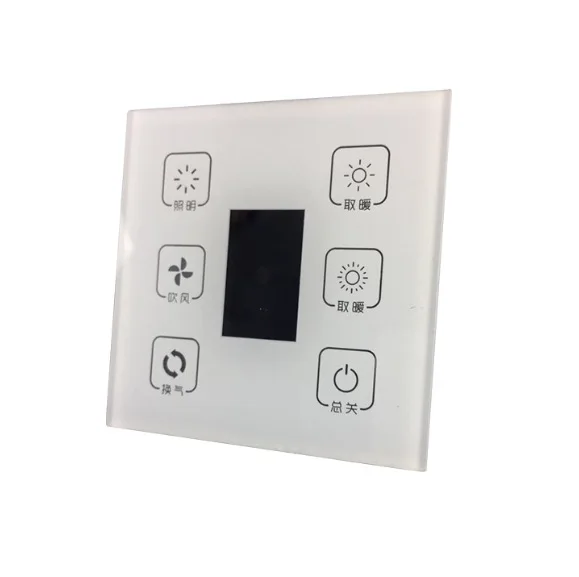
The demand for smart glass installations continues to accelerate as offices recognize the tangible benefits this technology provides. Unlike conventional glazing, smart glass dynamically adjusts its light transmission properties in response to environmental conditions or user commands. This adaptive capability makes smart glass ideal for the demands of contemporary workspaces, where flexibility, employee wellness, and resource efficiency have become non-negotiable priorities. Companies investing in smart glass are positioning themselves as forward-thinking organizations committed to creating superior workplace experiences.
Energy Efficiency and Cost Reduction Benefits
Thermal Performance and Climate Control
Smart glass dramatically improves building energy performance by regulating heat transfer through windows and glass partitions. Traditional windows allow unrestricted solar radiation to enter office spaces, forcing HVAC systems to work harder during summer months to cool interior areas. Smart glass technology automatically darkens when exposed to intense sunlight, reducing solar heat gain by up to 80 percent in many installations. This reduction in unwanted heat means air conditioning systems operate more efficiently, consuming less electricity and lowering operational expenses significantly. During winter, smart glass can be adjusted to maintain transparency, allowing passive solar heating to reduce heating costs naturally.
Long-Term Financial Impact
Organizations that install smart glass consistently report substantial decreases in their monthly energy bills. Studies of commercial properties using smart glass document energy savings ranging from 20 to 30 percent annually compared to standard glazing. Beyond immediate utility cost reductions, smart glass installations qualify for tax incentives and green building certifications in many jurisdictions, providing additional financial advantages. When calculated over the typical 20 to 30 year lifespan of building materials, the cumulative savings from smart glass investments often exceed the initial installation costs by several times, making this technology a sound long-term financial decision.
Employee Productivity and Wellness Transformation
Glare Reduction and Visual Comfort
Excessive glare from direct sunlight represents one of the most common complaints in office environments, directly impacting employee comfort and work output. Employees working near windows with uncontrolled sunlight exposure experience eye strain, headaches, and reduced concentration throughout the workday. Smart glass eliminates this problem by automatically reducing glare when sunlight becomes too intense, maintaining optimal visual conditions without requiring manual blind adjustments. This automatic glare management means employees can maintain their focus on work tasks without interruption, while screen-based work becomes noticeably easier and less fatiguing. The elimination of glare-related discomfort translates directly into improved productivity and reduced workplace-related health complaints.
Natural Light and Circadian Rhythm Support
Natural light exposure plays a crucial role in regulating human circadian rhythms, which influence sleep quality, mood, and cognitive performance. However, achieving the right balance between sufficient natural light and glare control has been challenging with conventional window treatments. Smart glass solves this dilemma by maintaining beneficial natural light exposure while automatically controlling excessive brightness. Research indicates that employees working in spaces with properly managed natural light—exactly what smart glass provides—experience improved mood, better sleep patterns, and enhanced cognitive function. This wellness benefit explains why companies installing smart glass report higher employee satisfaction scores and reduced absenteeism in their facilities.
Privacy, Aesthetics, and Modern Design Integration
On-Demand Privacy Without Visual Obstruction
Conference rooms and executive offices require privacy for sensitive discussions, but traditional solutions like permanent window coverings obstruct natural light and create a closed, cramped atmosphere. Smart glass revolutionizes this dynamic by instantly transitioning from transparent to opaque with a simple button press or automated schedule. During private meetings, smart glass provides complete visual privacy while maintaining an open, modern aesthetic when transparency is appropriate. This switchable capability means organizations no longer need to choose between privacy and the psychological benefits of open, naturally lit spaces. The flexibility offered by smart glass accommodates diverse meeting requirements throughout the day, enhancing workspace functionality without compromising design integrity.
Contemporary Architectural Expression
Modern office design increasingly emphasizes transparency, openness, and technological sophistication as core brand values. Smart glass installations communicate these values powerfully, signaling that an organization embraces innovation and invests in employee-centric workplace design. The sleek, minimalist appearance of smart glass surfaces elevates the overall aesthetic quality of office environments, creating spaces that feel intentional and professionally curated. Beyond visual appeal, smart glass technology serves as a tangible demonstration of corporate commitment to sustainability and forward-thinking workplace management. Companies installing smart glass find that this investment strengthens their employer brand, enhancing recruitment success and employee retention in competitive talent markets.
FAQ
How does smart glass technology actually function in office environments?
Smart glass uses electrochromic or polymer-dispersed liquid crystal technology to change its opacity electronically. When electric current passes through the glass, microscopic particles align to either block or transmit light. Office managers can control smart glass through wall switches, mobile apps, or automated scheduling systems that respond to time of day, occupancy sensors, or solar radiation levels. This automatic or manual control allows smart glass to adapt instantly to changing workplace needs without requiring physical intervention.
What is the typical installation timeline for smart glass in commercial buildings?
Installation complexity depends on whether smart glass replaces existing windows or integrates into new construction projects. In new buildings, smart glass installation follows standard glazing procedures and requires no special building modifications. For retrofitting existing windows with smart glass, installation typically takes one to three weeks depending on project scope, building size, and the number of smart glass panels being installed. Professional installation teams minimize workplace disruption by completing smart glass work during off-hours or in phases that maintain normal office operations throughout the process.
Does smart glass require specialized maintenance or ongoing technical support?
Smart glass requires minimal maintenance beyond standard window cleaning procedures since no moving parts or complex mechanisms are involved. Electrical connections should be professionally inspected annually to ensure optimal performance of smart glass control systems. Most smart glass manufacturers provide remote monitoring systems that alert facility managers to any operational issues before they affect workplace comfort. Compared to traditional motorized blinds or elaborate window treatment systems, smart glass actually reduces maintenance demands while delivering superior functionality and reliability.