EN
EN

The Revolutionary Impact of Insulating Glass on Modern Home Design
Modern homeowners face an ongoing challenge: maintaining comfortable indoor temperatures while keeping energy costs under control. Enter insulating glass, a transformative building material that's revolutionizing how we think about home energy efficiency. This innovative solution combines multiple panes of glass with specialized spacers and insulating gas to create a thermal barrier that significantly reduces heat transfer through windows and doors.
As energy costs continue to rise and environmental consciousness grows, insulating glass has emerged as a cornerstone of sustainable home design. Its ability to maintain consistent indoor temperatures while reducing HVAC system workload makes it an invaluable investment for both new construction and home renovation projects.
Understanding the Technology Behind Insulating Glass
Core Components and Construction
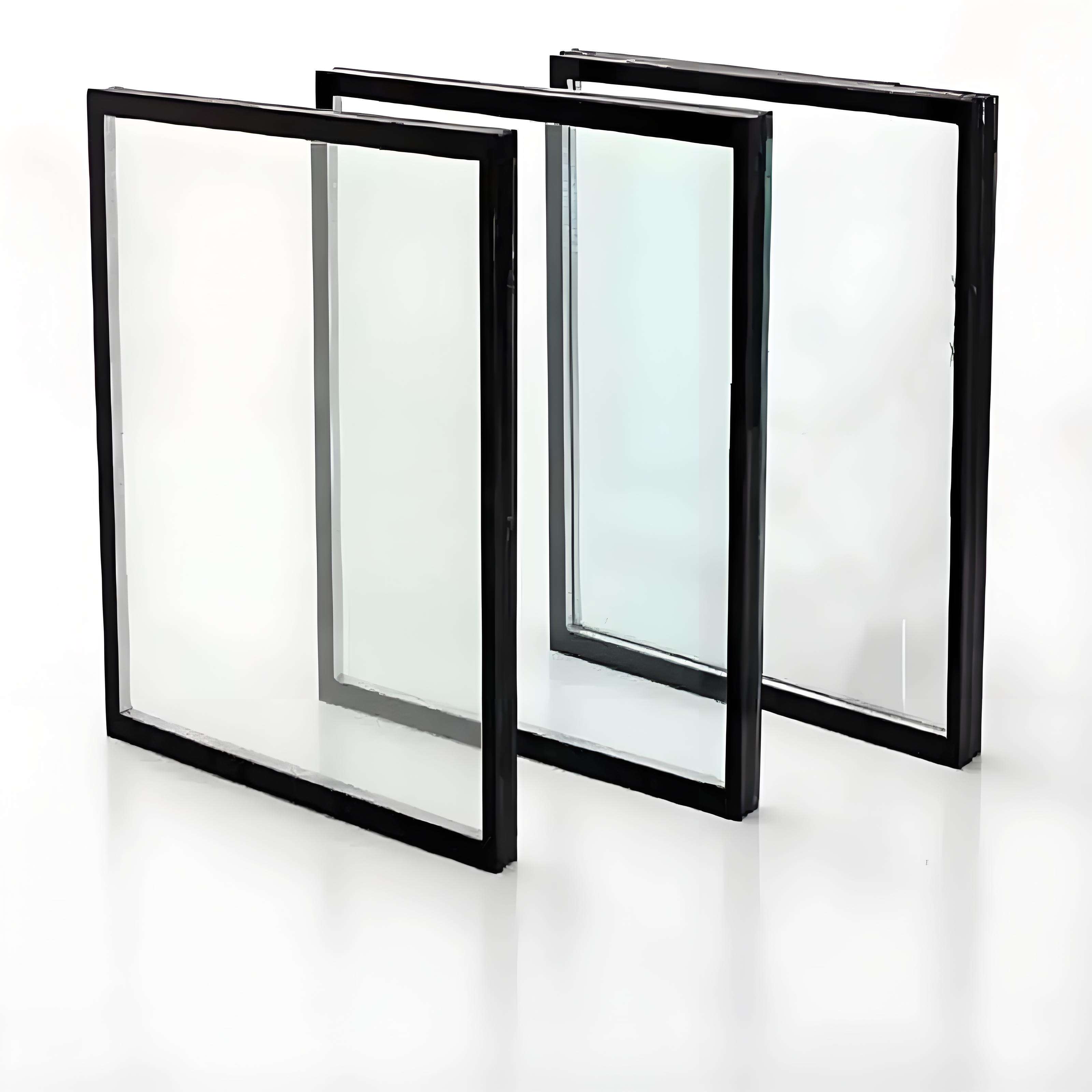
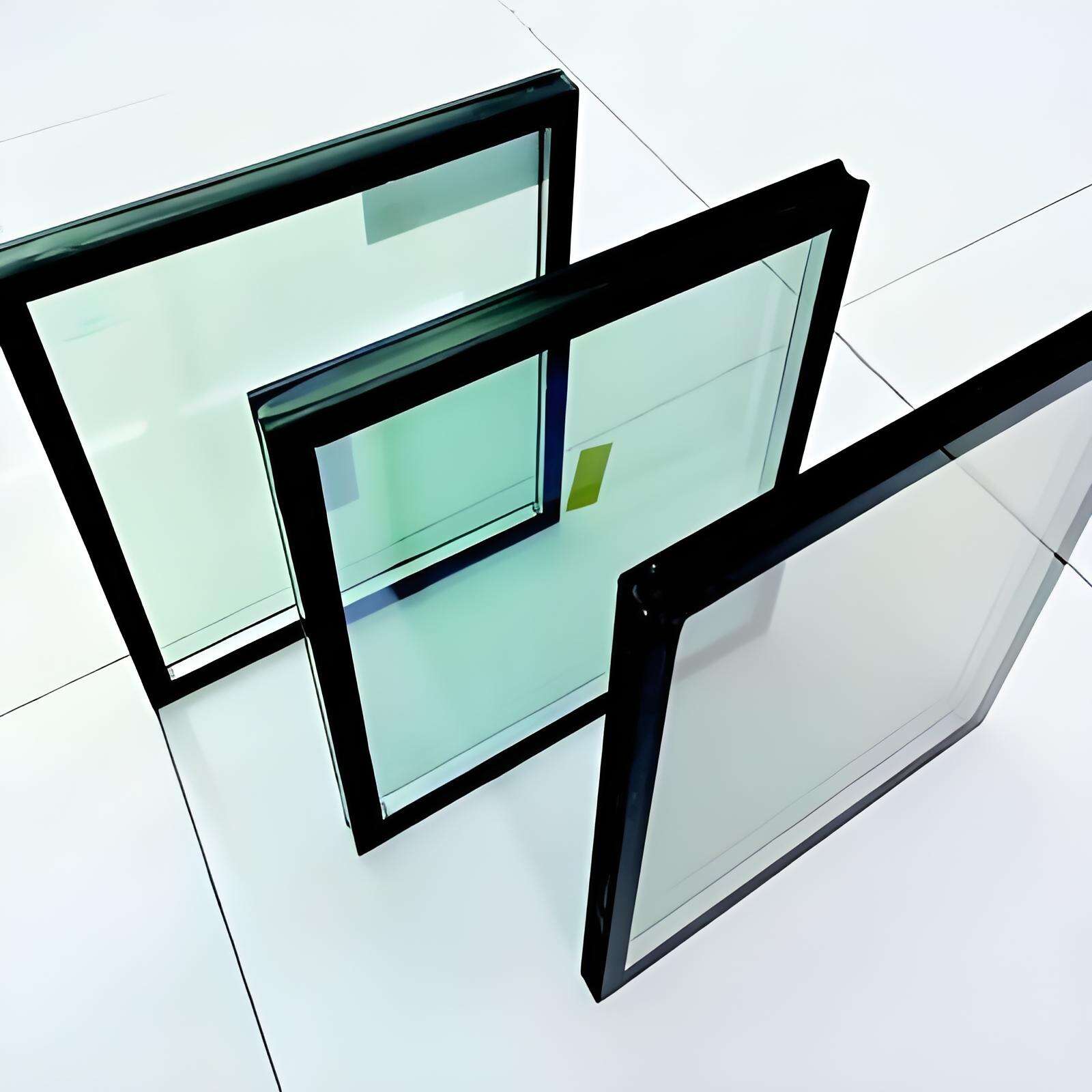
At its heart, insulating glass consists of two or more panes of glass separated by a spacer system. The space between these panes is typically filled with inert gases like argon or krypton, which provide superior insulation compared to regular air. The edges are sealed with specialized materials to prevent moisture infiltration and maintain the integrity of the insulating properties.
The thickness of each glass pane and the width of the air space are carefully calculated to optimize thermal performance. Modern insulating glass units often incorporate low-emissivity (low-E) coatings, which further enhance their ability to reflect heat while allowing natural light to pass through.
Advanced Features and Innovations
Today's insulating glass technology goes beyond basic double-pane construction. Triple-pane systems offer even greater thermal resistance, while specialized coatings can provide additional benefits such as UV protection and glare reduction. Some manufacturers are now incorporating phase-change materials and smart glass technology, allowing windows to actively respond to changing environmental conditions.
Recent innovations include warm-edge spacer technology, which reduces edge conductivity and helps prevent condensation formation. These advances continue to push the boundaries of what's possible in window energy efficiency.
Energy Performance Benefits of Insulating Glass
Temperature Control and Comfort
One of the primary advantages of insulating glass is its ability to maintain consistent indoor temperatures throughout the year. During winter months, it prevents warm air from escaping while blocking cold air infiltration. In summer, it helps keep air-conditioned spaces cool by reflecting solar heat. This consistent temperature control creates a more comfortable living environment and reduces the strain on heating and cooling systems.
The insulating properties also help eliminate cold spots near windows, making rooms more comfortable and usable, especially during extreme weather conditions. This improved comfort level is particularly noticeable in rooms with large window areas.
Energy Cost Savings
The financial benefits of installing insulating glass are substantial and long-lasting. Homeowners typically see a significant reduction in their energy bills, with savings varying based on climate, window size, and previous window efficiency. Studies have shown that replacing single-pane windows with insulating glass can reduce energy costs by up to 30% annually.
While the initial investment may be higher than traditional windows, the return on investment through energy savings makes insulating glass a financially sound choice. Many homeowners recover their investment within 5-10 years through reduced utility costs.
Environmental Impact and Sustainability
Carbon Footprint Reduction
By reducing energy consumption for heating and cooling, insulating glass plays a crucial role in lowering a home's carbon footprint. The reduced energy demand means fewer greenhouse gas emissions from power plants and heating systems. This environmental benefit extends beyond individual homes to contribute to broader climate change mitigation efforts.
The manufacturing process of insulating glass has also become more environmentally conscious, with many manufacturers implementing sustainable practices and using recyclable materials whenever possible.
Long-term Durability and Waste Reduction
Quality insulating glass units are designed to last for decades, reducing the need for frequent replacements and minimizing construction waste. Modern manufacturing techniques and materials have significantly improved the longevity of these units, with many carrying warranties of 20 years or more.
The extended lifespan of insulating glass also means fewer resources are needed for replacement and maintenance over time, further contributing to its environmental benefits.
Installation and Maintenance Considerations
Professional Installation Requirements
Proper installation is crucial for achieving optimal performance from insulating glass units. Professional installers ensure correct sizing, sealing, and integration with the building envelope. They also verify that the installation meets local building codes and energy efficiency standards.
The installation process requires precise measurements and careful handling to maintain the integrity of the sealed units. Proper installation also includes ensuring adequate drainage and ventilation to prevent moisture-related issues.
Maintenance and Care Guidelines
While insulating glass requires minimal maintenance, proper care can significantly extend its lifespan. Regular cleaning with appropriate materials helps maintain clarity and prevent damage to special coatings. It's important to inspect seals periodically and address any signs of failure promptly to maintain optimal performance.
Homeowners should also be aware of warning signs that might indicate problems, such as condensation between panes or seal failure. Early detection and intervention can prevent more serious issues and maintain energy efficiency.
Frequently Asked Questions
How long does insulating glass typically last?
Quality insulating glass units, when properly installed and maintained, can last 20-25 years or more. The actual lifespan depends on various factors including climate conditions, installation quality, and maintenance practices.
What are the signs that insulating glass needs replacement?
Key indicators include condensation between panes, visible damage to seals, increased energy bills, and noticeable drafts around windows. If you observe any of these signs, it's advisable to consult a professional for assessment.
Can insulating glass be repaired if damaged?
While minor issues with frames might be repairable, damage to the sealed unit itself typically requires complete replacement. Attempting to repair a broken seal or damaged pane can compromise the unit's insulating properties and overall performance.
Is insulating glass worth the investment for older homes?
Yes, installing insulating glass in older homes often provides significant benefits in terms of energy savings, comfort improvement, and property value increase. The return on investment through reduced energy costs typically justifies the initial expense.