EN
EN

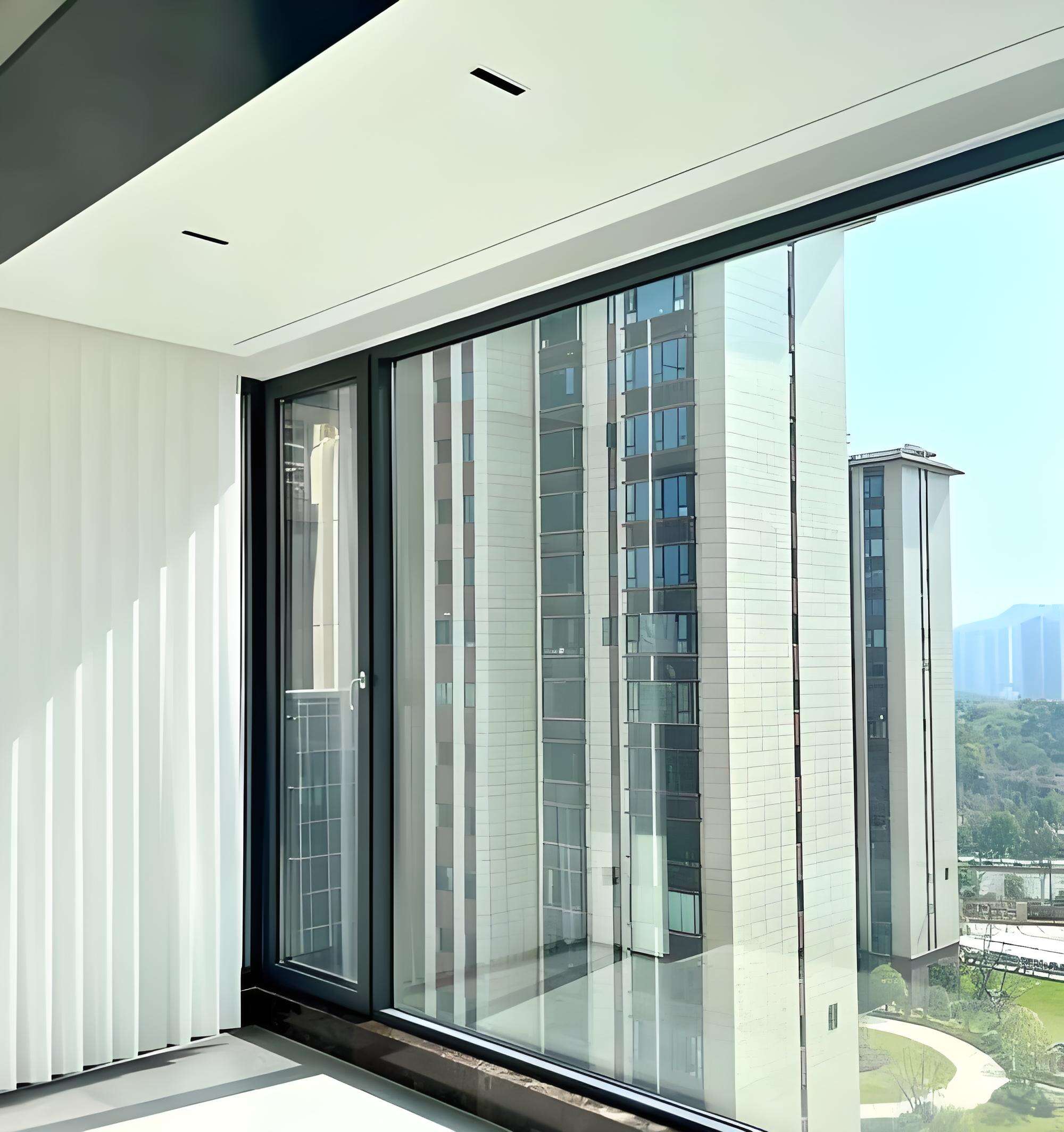
The Evolution of Modern Urban Architecture Through Transparent Design
In contemporary cityscapes across the globe, large glass windows have become more than just architectural elements - they represent a fundamental shift in how we approach urban design and human interaction with built environments. From sleek corporate towers to innovative residential developments, these transparent barriers have revolutionized our visual connection to the outside world while transforming the very essence of modern architecture.
The integration of large glass windows into urban buildings reflects our society's growing desire for openness, natural light, and seamless indoor-outdoor connections. This architectural trend has deep roots in both aesthetic preferences and practical considerations, making it a cornerstone of contemporary design philosophy.
The Architectural Impact of Glass in Modern Cities
Visual Enhancement and Spatial Perception
Large glass windows fundamentally alter how we perceive and experience urban spaces. These transparent surfaces create an illusion of expanded space, making interior environments feel more expansive and connected to their surroundings. In dense urban settings, where physical space is often limited, large glass windows offer a psychological remedy to spatial constraints by bringing the outside world in.
The strategic placement of large glass windows can transform even modest-sized rooms into seemingly boundless spaces. This visual expansion has become particularly valuable in urban environments where maximizing the perception of space is crucial for both commercial and residential properties.
Environmental Integration and Sustainability
Modern glass technology has evolved to address environmental concerns while maintaining aesthetic appeal. Today's large glass windows incorporate advanced features such as low-emissivity coatings, double or triple glazing, and smart tinting capabilities. These innovations help regulate indoor temperatures, reduce energy consumption, and minimize the urban heat island effect.
The environmental benefits extend beyond energy efficiency. By maximizing natural light penetration, buildings with large glass windows reduce the need for artificial lighting during daylight hours. This not only decreases energy consumption but also creates healthier indoor environments for occupants.
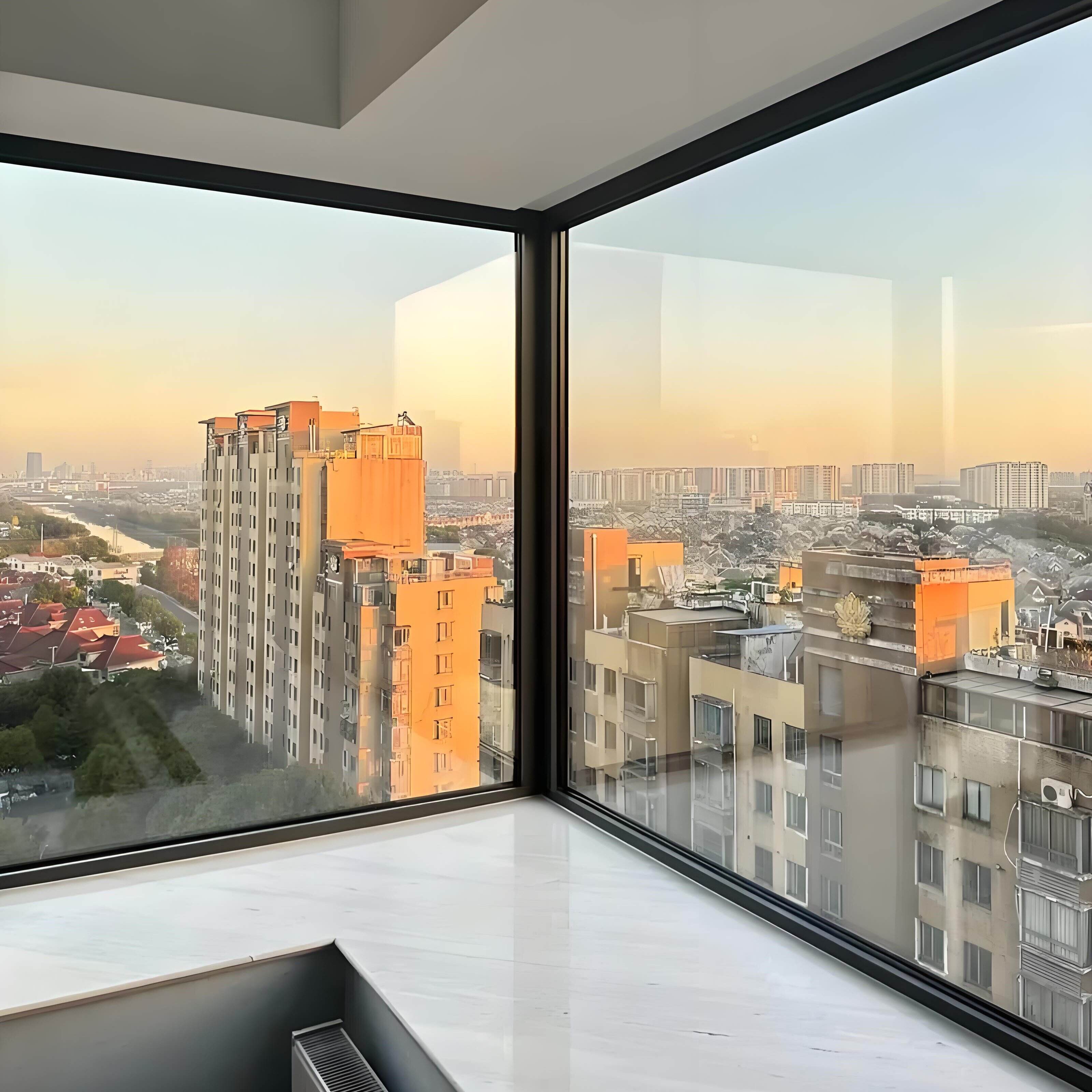
Psychological Benefits and Human-Centric Design
Natural Light and Well-being
The abundance of natural light through large glass windows has profound effects on human psychology and physiology. Research consistently shows that exposure to natural light improves mood, increases productivity, and helps regulate circadian rhythms. In urban environments where outdoor space is limited, these windows become crucial connectors to the natural world.
Workers in offices with large glass windows report higher job satisfaction and better concentration levels. Residents in homes with generous glazing experience improved sleep patterns and overall well-being. This human-centric approach to design has become increasingly important as urban populations spend more time indoors.
Connection to Urban Environment
Large glass windows create a dynamic relationship between interior spaces and the urban landscape. This visual connection helps occupants feel more engaged with their surroundings and less isolated in dense city environments. The transparency offered by these windows can foster a sense of community and connection, even in high-rise buildings.
The psychological impact of being able to observe city life, weather changes, and seasonal transitions through large glass windows shouldn't be underestimated. This visual access to the outside world helps maintain our connection to nature and the broader urban community.
Technical Innovations and Safety Considerations
Advanced Glass Technologies
Modern large glass windows incorporate sophisticated technologies that address various challenges. Smart glass can transition from transparent to opaque at the touch of a button, offering privacy when needed. Impact-resistant laminated glass provides security without compromising visibility. These technological advances have made large glass windows more practical and versatile than ever before.
Thermal performance has also seen significant improvements. Double-glazed and triple-glazed units with inert gas fills and specialized coatings can achieve impressive insulation values, making large glass windows viable even in extreme climates.
Safety and Structural Integration
Contemporary building codes and engineering practices have evolved to ensure the safe implementation of large glass windows in urban structures. Advanced framing systems, specialized mounting techniques, and improved glass manufacturing processes work together to create installations that can withstand severe weather conditions and seismic events.
The development of tempered and laminated glass has addressed safety concerns related to breakage. These materials are designed to break into small, rounded pieces or remain intact when damaged, significantly reducing the risk of injury.
Frequently Asked Questions
How do large glass windows affect energy efficiency in buildings?
Modern large glass windows can actually enhance energy efficiency through advanced technologies like low-E coatings, double or triple glazing, and smart tinting features. While older glass installations might have created heating and cooling challenges, today's solutions often contribute to reduced energy consumption by maximizing natural light and providing better insulation.
What maintenance is required for large glass windows in urban buildings?
Regular maintenance includes routine cleaning, inspection of seals and frames, and occasional resealing of joints. Professional cleaning services are often required for high-rise installations, while ground-level windows may need more frequent cleaning due to urban pollution. Modern glass treatments can help reduce cleaning frequency by repelling dirt and water.
Are large glass windows practical in all climate conditions?
Thanks to technological advances in glass manufacturing and coating processes, large glass windows can be adapted for virtually any climate. Specialized treatments and multiple glazing options can provide excellent insulation in cold climates, while solar control coatings can manage heat gain in warmer regions. The key is selecting the appropriate glass specification for specific environmental conditions.