EN
EN

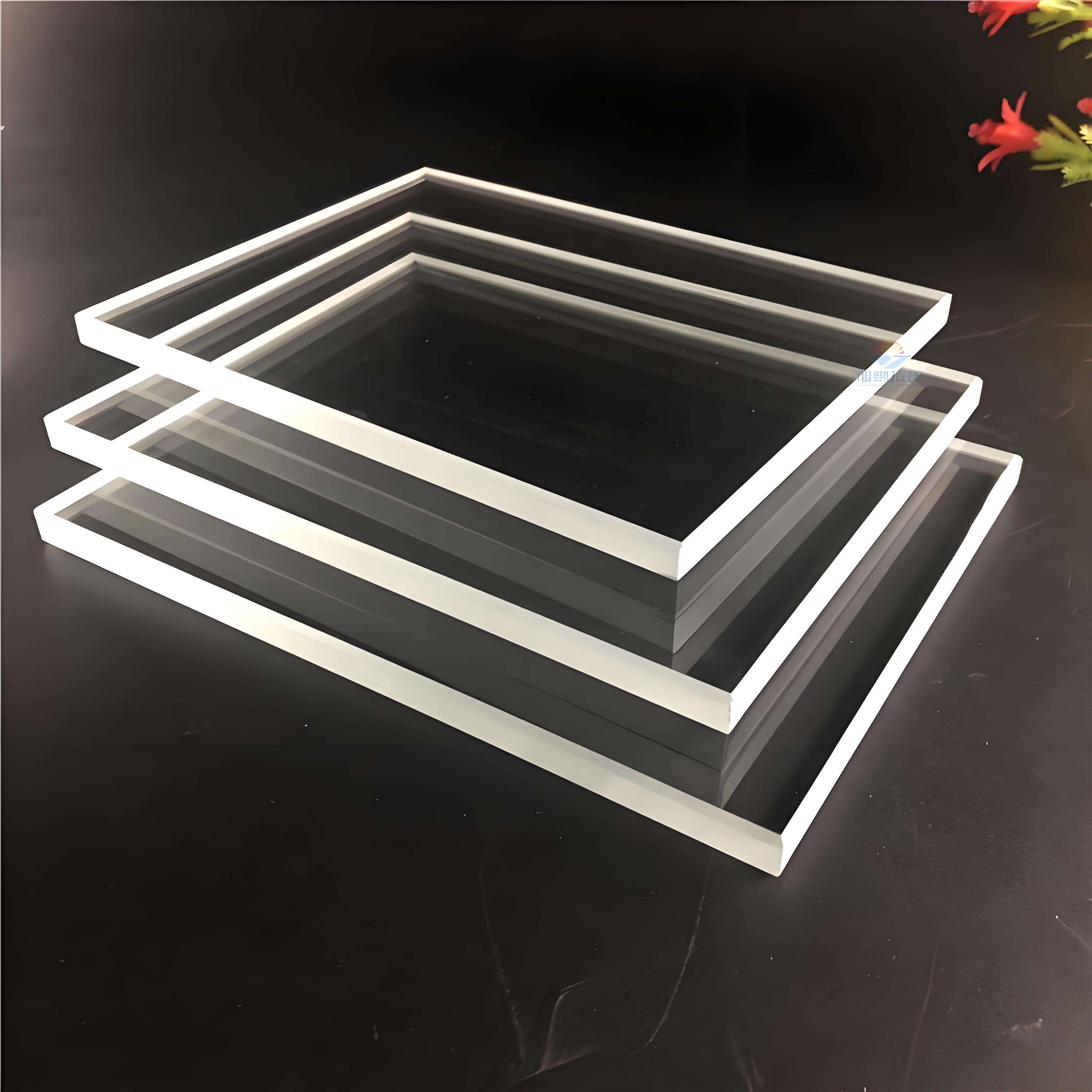
The Evolution of Building Efficiency Through Advanced Glazing
Modern architecture has undergone a remarkable transformation in recent decades, with insulating glass emerging as a cornerstone of sustainable and efficient building design. This innovative glazing solution has revolutionized how we approach energy conservation, comfort, and aesthetic appeal in contemporary structures. As cities grow taller and environmental concerns become more pressing, the role of insulating glass in shaping our architectural landscape has never been more crucial.
From soaring skyscrapers to residential homes, insulating glass has become the standard bearer for combining functionality with sophisticated design. Its ability to maintain optimal indoor temperatures while allowing natural light to flood interior spaces has made it an indispensable component of modern construction. The technology behind these specialized glass units continues to evolve, offering increasingly impressive performance metrics that address both environmental and economic concerns.
Understanding the Technology Behind Insulating Glass
Core Components and Construction
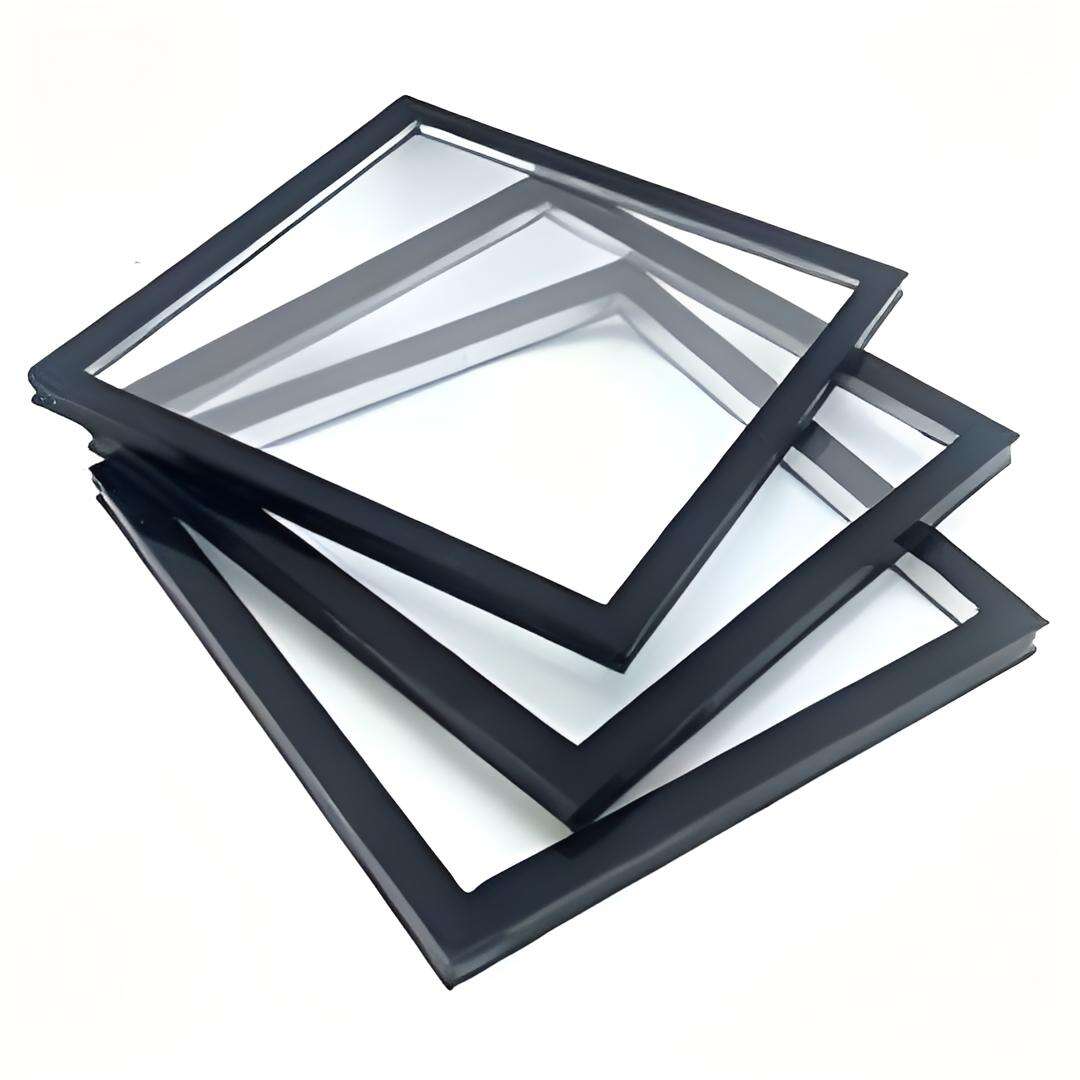
At its most basic level, insulating glass consists of two or more panes of glass separated by a spacer and sealed to create an insulating barrier. The space between the panes is typically filled with inert gases like argon or krypton, which provide superior insulation compared to regular air. The spacer system, usually made from materials with low conductivity, maintains the precise distance between glass panes while containing desiccant materials that prevent moisture accumulation within the unit.
Advanced insulating glass units may incorporate additional features such as low-emissivity coatings, which reflect infrared radiation while allowing visible light to pass through. This sophisticated combination of materials and engineering creates a highly effective barrier against heat transfer, making buildings more energy-efficient and comfortable year-round.
Performance Characteristics
The effectiveness of insulating glass is measured through several key performance indicators. U-value represents the rate of heat transfer through the glass assembly, with lower values indicating better insulation. Solar heat gain coefficient (SHGC) measures how much solar radiation passes through the glass, while visible light transmission (VLT) indicates the amount of natural light that penetrates the glazing system.
Modern insulating glass units can achieve remarkably low U-values while maintaining high VLT, creating an optimal balance between thermal performance and daylighting. This balance is crucial for reducing artificial lighting needs while maintaining comfortable indoor temperatures.
Environmental Benefits and Energy Efficiency
Reducing Carbon Footprint
The implementation of insulating glass in buildings plays a significant role in reducing overall energy consumption and associated carbon emissions. By minimizing heat transfer between indoor and outdoor environments, these advanced glazing systems reduce the load on heating, ventilation, and air conditioning (HVAC) systems. Studies have shown that buildings equipped with high-performance insulating glass can achieve energy savings of up to 30% compared to those with traditional single-pane windows.
Beyond direct energy savings, the production and installation of insulating glass units contribute to sustainable building practices. Manufacturers increasingly focus on using recyclable materials and implementing environmentally conscious production processes, further enhancing the green credentials of these products.
Long-term Cost Benefits
While the initial investment in insulating glass may be higher than traditional glazing options, the long-term financial benefits are substantial. Reduced energy consumption leads to lower utility bills, and the durability of modern insulating glass units means fewer replacements over the building's lifetime. Property owners often see a return on investment within a few years through reduced operating costs and increased property value.
The enhanced thermal performance of insulating glass also helps buildings meet or exceed increasingly stringent energy codes and building standards, potentially qualifying for various green building certifications and associated financial incentives.
Comfort and Functionality in Modern Spaces
Acoustic Performance
One often overlooked advantage of insulating glass is its superior acoustic performance. The multiple layers and air spaces effectively reduce sound transmission, creating quieter indoor environments. This feature is particularly valuable in urban settings where external noise pollution can significantly impact occupant comfort and productivity.
Advanced insulating glass configurations can reduce sound transmission by up to 50% compared to single-pane windows, making them ideal for applications in residential buildings, offices, schools, and healthcare facilities where noise control is crucial.
Enhanced Occupant Wellbeing
The impact of insulating glass on occupant comfort extends beyond temperature regulation. By eliminating cold spots near windows and reducing glare while maintaining natural light levels, these systems create more comfortable and productive indoor environments. The consistent temperature distribution helps prevent condensation issues that can lead to mold growth and deterioration of building materials.
Research has shown that access to natural light and views through high-performance glazing can improve occupant mood, productivity, and overall wellbeing. The advanced properties of insulating glass make it possible to maximize these benefits without compromising thermal comfort or energy efficiency.
Future Trends and Innovations
Smart Glass Integration
The future of insulating glass is increasingly intertwined with smart building technology. Emerging innovations include electrochromic glass that can change its tint in response to environmental conditions or user preferences. These dynamic glazing solutions can automatically adjust their properties to optimize energy performance and occupant comfort throughout the day.
Integration with building management systems allows insulating glass units to become active participants in overall building performance optimization. Sensors and controls can adjust HVAC operations based on glass performance data, creating more efficient and responsive building environments.
Advanced Materials and Manufacturing
Ongoing research in materials science continues to push the boundaries of what's possible with insulating glass. New spacer materials, improved sealants, and novel gas fills are being developed to enhance performance and longevity. Vacuum insulating glass, which eliminates the need for gas fills by creating a vacuum between panes, represents another promising direction for future development.
Manufacturing processes are also evolving, with increased automation and precision leading to higher quality products with improved performance and reliability. These advances are making high-performance insulating glass more accessible and cost-effective for a wider range of applications.
Frequently Asked Questions
How long does insulating glass typically last?
Quality insulating glass units, when properly installed and maintained, typically have a lifespan of 15-25 years. However, many modern units can last even longer with advanced sealing technologies and proper care. The actual longevity depends on various factors including installation quality, environmental conditions, and maintenance practices.
Can existing windows be upgraded to insulating glass?
Most existing window frames can be retrofitted with insulating glass units, provided the frames are in good condition and can support the additional weight. However, for optimal performance and longevity, it's often recommended to replace the entire window system with modern frames designed specifically for insulating glass.
What maintenance does insulating glass require?
Insulating glass requires minimal maintenance beyond regular cleaning and inspection of seals and frames. It's important to clean the glass surfaces using appropriate non-abrasive cleaners and to promptly repair any damaged seals or frames to maintain optimal performance and prevent moisture infiltration between panes.
How does climate affect the choice of insulating glass specifications?
Climate considerations significantly influence the optimal specifications for insulating glass units. Buildings in cold climates may benefit from higher insulation values and lower U-factors, while those in warm climates might prioritize solar heat gain control. Local building codes and energy requirements also play a role in determining appropriate specifications.