EN
EN

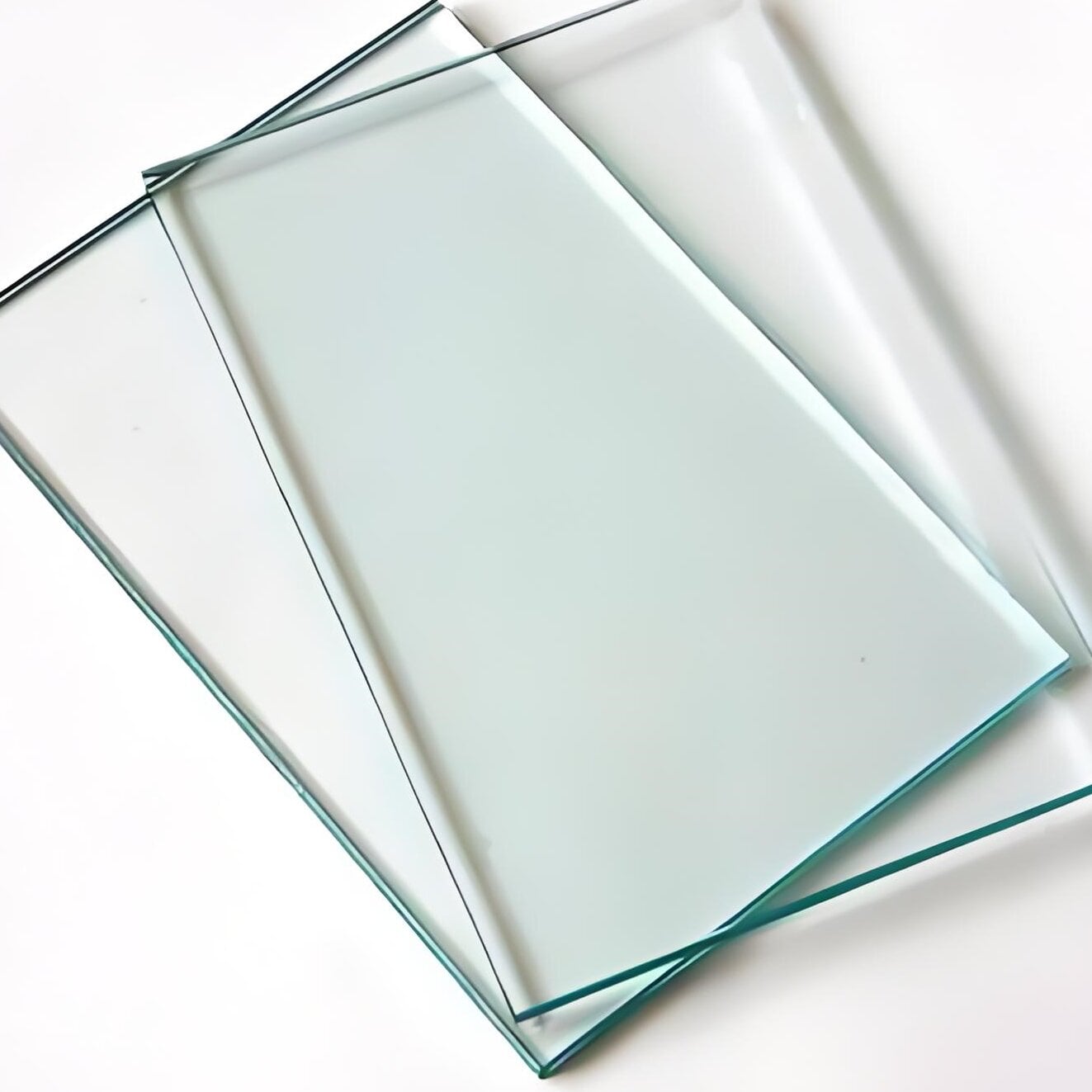
Screen printing on glass surfaces represents one of the most demanding applications in the industrial decoration and manufacturing sector. The success of screen printing operations depends on numerous interconnected factors, but one element stands above the rest: the fundamental quality of the substrate itself. Clear glass purity plays a critical role in determining whether screen printing results meet industry standards or fall short of expectations. When glass contains impurities, contaminants, or structural inconsistencies, the entire printing process becomes compromised from the moment ink makes contact with the surface.
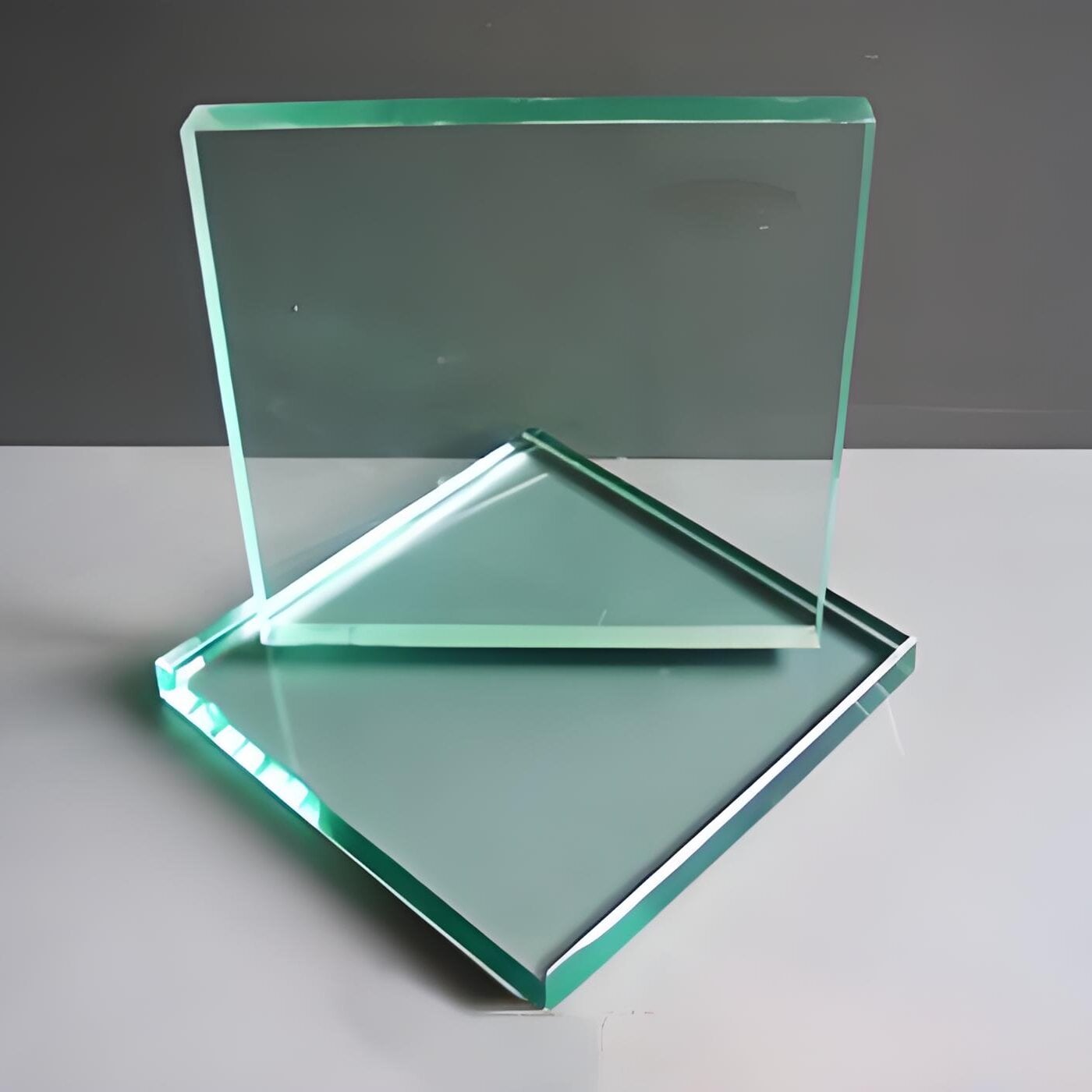
The relationship between clear glass purity and successful screen printing extends far beyond aesthetic appeal. Industrial manufacturers, particularly those producing instrument panels, bathroom fixtures, and architectural glass components, understand that clear glass purity directly influences ink adhesion, color consistency, durability, and final product longevity. Poor glass quality creates a cascading series of problems that manifest in defective prints, wasted materials, production delays, and ultimately, compromised customer satisfaction.
The Direct Impact of Clear Glass Purity on Ink Adhesion
How Contaminants Interfere with Surface Bonding
When clear glass purity is compromised by microscopic impurities, the molecular surface structure becomes irregular and unpredictable. Dust particles, mineral deposits, and chemical residues embedded within or on the glass surface create barriers that prevent ink molecules from establishing proper molecular bonds. Screen printing ink must achieve intimate contact with the glass substrate at the molecular level. If clear glass purity is low, these critical bonding points fail to develop, resulting in ink that sits loosely on the surface rather than integrating permanently with the glass.
The consequences of poor adhesion become apparent almost immediately during production testing. Ink that lacks proper adhesion flakes off during handling, moisture exposure, or thermal cycling. This is precisely why maintaining exceptional clear glass purity is non-negotiable in manufacturing environments where durability matters. High-quality clear glass purity ensures that the surface presents a chemically receptive, microscopically smooth foundation that welcomes ink molecules and allows them to cure properly.
Surface Preparation and Clear Glass Purity Synergy
Even the most rigorous surface preparation protocols cannot overcome the limitations of inherently poor clear glass purity. Pre-treatment processes like chemical cleaning and plasma treatment work effectively only when the underlying substrate already possesses fundamental quality. Clear glass purity determines the baseline upon which all preparation steps build. When glass already contains internal stress, micro-fractures, or chemical impurities, no amount of external preparation can fully compensate. The investment in surface preparation yields dramatically better results when applied to glass that already demonstrates high clear glass purity standards.
Color Consistency and Visual Quality Depend on Clear Glass Purity
Optical Clarity and Color Perception
Screen printing applications often require vibrant, consistent color reproduction across entire production batches. Clear glass purity directly affects how light passes through and reflects from the printed surface. When glass contains suspended particles, discoloration, or internal impurities, light scatters unpredictably, causing printed colors to appear muted, inconsistent, or differently tinted depending on viewing angle and lighting conditions. Manufacturers producing instrument panels or decorative glass components cannot tolerate such visual variations. Clear glass purity ensures that the substrate provides a neutral, transparent canvas where screen-printed colors display with intended brilliance and uniformity.
The relationship between clear glass purity and perceived print quality extends to color matching and customer approval processes. Products manufactured from low-purity glass often trigger color complaints even when the screen printing process itself performed correctly. This disconnect between actual print quality and customer perception creates unnecessary friction in business relationships. By prioritizing clear glass purity at the material sourcing stage, manufacturers eliminate one major source of quality variance and significantly improve color consistency across production runs.
Batch-to-Batch Consistency Requirements
Industrial customers expect consistent results across multiple production batches spanning weeks, months, or years. This consistency becomes achievable only when every glass sheet begins with comparable clear glass purity levels. If some batches use glass with higher purity while others contain more impurities, the resulting printed products will inevitably differ in appearance, durability, and performance. Clear glass purity standardization across all incoming material creates the foundation for reliable, repeatable manufacturing. This is particularly critical in automotive applications, architectural glazing, and appliance manufacturing where aesthetic consistency directly influences brand perception and customer satisfaction.
Thermal Durability and Long-Term Performance
Thermal Cycling and Stress Distribution
Many screen-printed glass applications undergo thermal cycling during both manufacturing and end-use. Tempered glass used in bathroom fixtures, appliance panels, and industrial instruments experiences repeated heating and cooling cycles. These thermal changes create stress within the material. Clear glass purity determines how evenly stress distributes throughout the substrate. Glass with high clear glass purity maintains consistent molecular structure that responds predictably to temperature changes. Conversely, contaminated glass with variable internal composition experiences uneven thermal expansion, creating localized stress concentrations that can initiate micro-fractures around impurity sites.
When micro-fractures develop within compromised glass, they frequently propagate through the ink layer, causing printed patterns to crack, fade, or peel. The screen-printed coating becomes trapped in a substrate experiencing internal mechanical stress, leading to inevitable failure over time. Clear glass purity eliminates this risk by ensuring that the underlying glass maintains structural integrity through thermal cycling. Products manufactured from high-purity glass consistently survive thermal and mechanical stress testing that would damage products made from lower-quality substrate.
Chemical Resistance and Environmental Exposure
Industrial applications frequently expose printed glass to chemical cleaners, humidity, salt spray, or other harsh environmental conditions. The interaction between the ink layer and the underlying substrate determines the system's overall chemical resistance. Clear glass purity affects how the glass resists chemical penetration and how well the ink-glass interface withstands chemical attack. Glass with impurities often exhibits localized chemical vulnerability at contamination sites, where solutions can preferentially attack the substrate and compromise the ink layer. Clear glass purity ensures homogeneous chemical resistance throughout the substrate, protecting the printed coating against environmental degradation.
FAQ
Why does clear glass purity matter more than screen printing technique alone?
Clear glass purity establishes the fundamental substrate quality upon which all printing techniques operate. Even perfect screen printing technique cannot overcome the limitations of poor clear glass purity. A skilled printer working with contaminated glass will still produce inferior results compared to an adequately skilled printer using high-purity glass. Clear glass purity is the prerequisite foundation, while technique refines the outcome. Both matter, but clear glass purity represents the non-negotiable starting point.
How can manufacturers verify that their glass meets clear glass purity requirements?
Reputable glass suppliers provide material certifications documenting purity levels, composition analysis, and manufacturing standards. Manufacturers should request these certifications and conduct incoming material inspection using visual assessment under controlled lighting. More rigorous verification involves microscopic examination and optical clarity testing. Clear glass purity standards vary by application, so manufacturers should establish clear glass purity specifications aligned with their screen printing requirements and end-use demands before committing to supplier relationships.
Can inferior clear glass purity be compensated through better surface preparation?
Surface preparation significantly improves results but cannot fully compensate for fundamentally poor clear glass purity. Enhanced cleaning, plasma treatment, and primer application all help, but they address only the surface layer. Clear glass purity affects internal structure, stress distribution, and molecular composition throughout the substrate. While surface preparation maximizes results from whatever clear glass purity exists, it cannot transform low-quality glass into high-quality performance. The most effective strategy combines high clear glass purity with comprehensive surface preparation protocols.