EN
EN

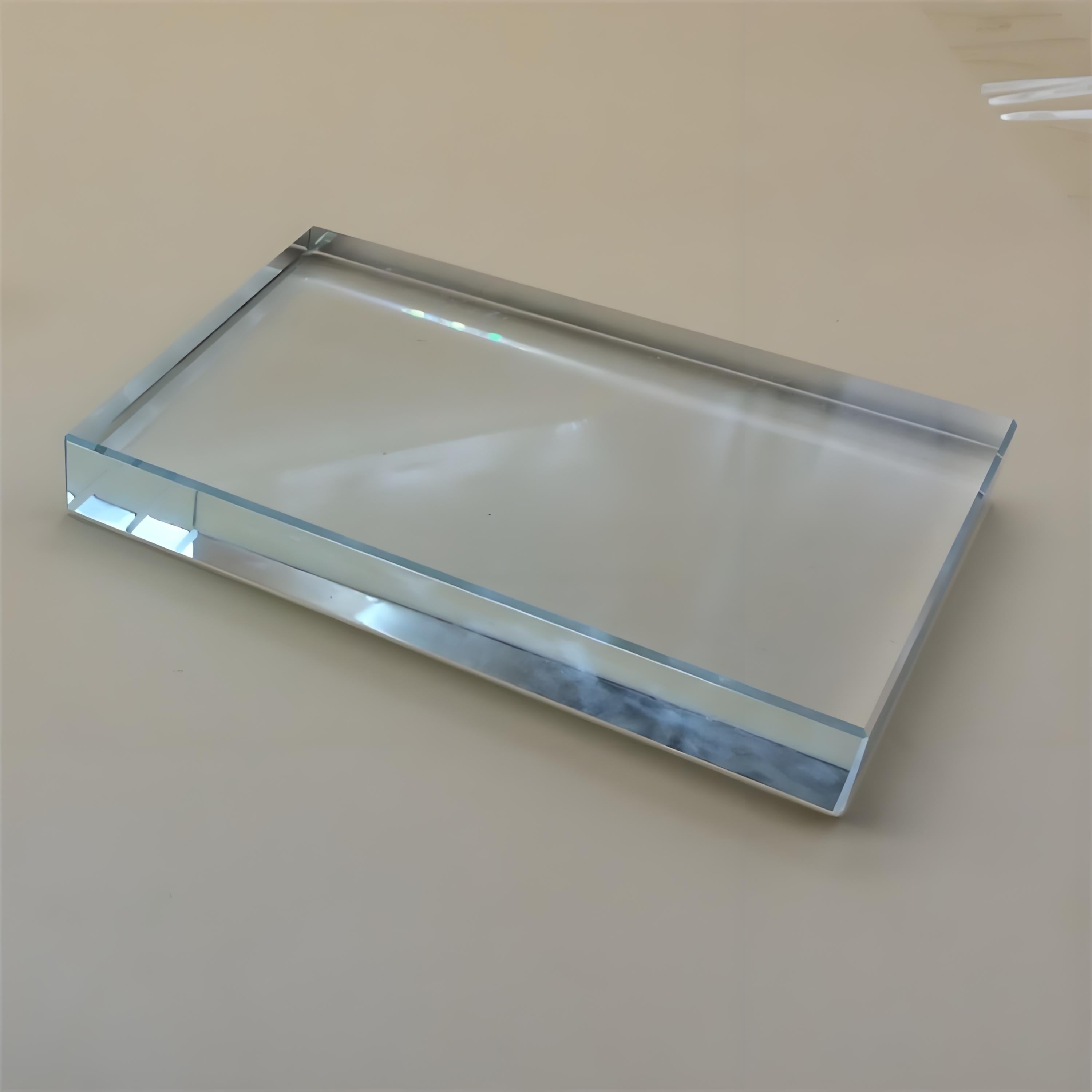
In the world of architectural and industrial glazing, low iron glass has emerged as a game-changing material that fundamentally transforms how we experience transparency and light transmission. Unlike conventional float glass, low iron glass eliminates the subtle green tint inherent in standard glass products, delivering truly colorless clarity that professionals and end-users demand. The advantages of low iron glass extend far beyond mere aesthetics, touching on performance metrics, design flexibility, and long-term value that make it indispensable for premium applications where optical excellence cannot be compromised.
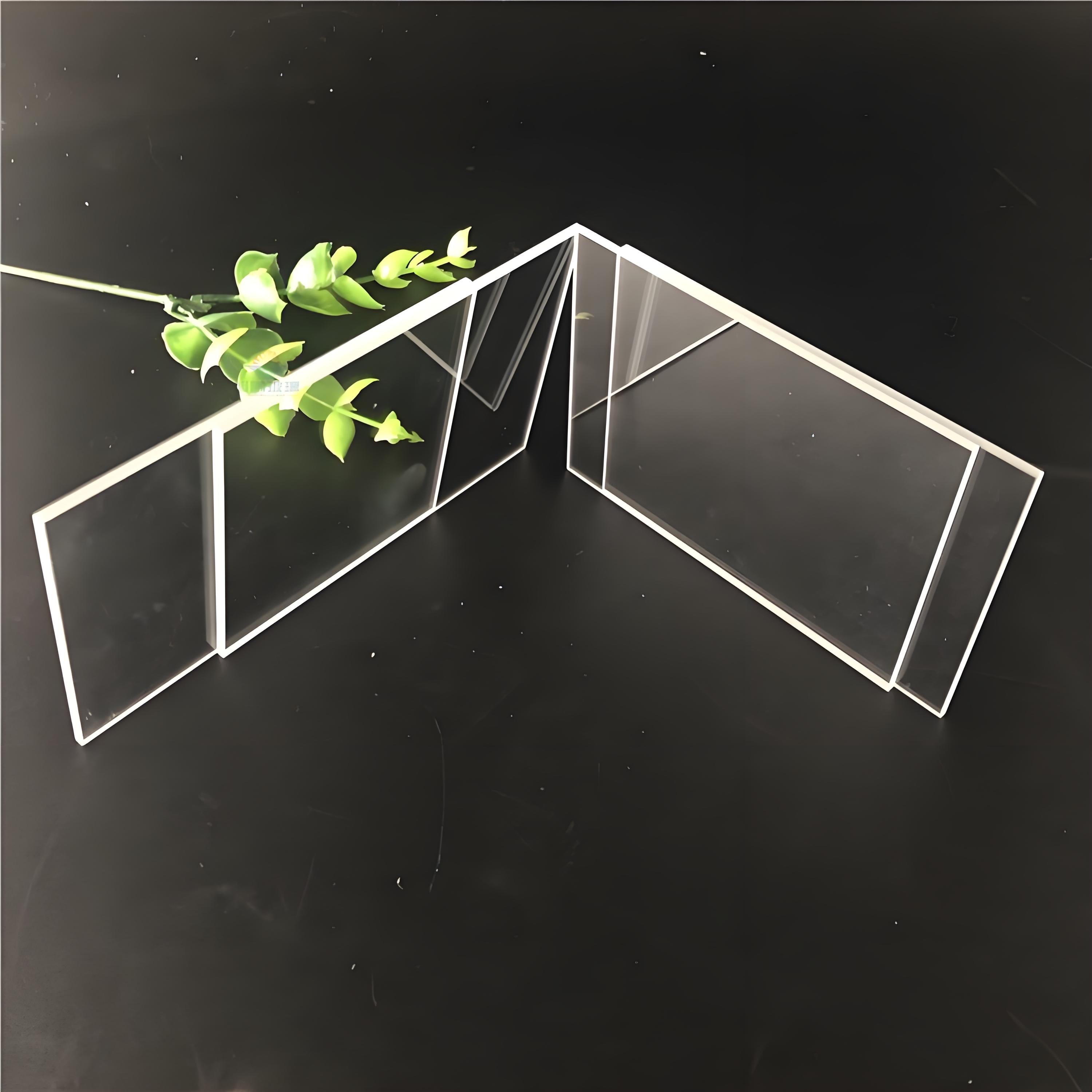
Understanding the absolute advantages of low iron glass requires examining both the scientific principles behind its manufacturing and the practical implications for real-world applications. When you choose low iron glass for your project, you are selecting a material engineered to perform at the highest level, offering benefits that compound across decades of service. This comprehensive guide explores why low iron glass stands apart in the marketplace and why discerning architects, engineers, and facility managers consistently specify it for their most demanding clarity requirements.
The Science Behind Low Iron Glass Clarity
How Iron Content Affects Light Transmission
Standard float glass contains iron oxide as a natural byproduct of its raw materials and manufacturing process. While most iron content remains minimal, it is sufficient to create a noticeable green or blue-green coloration, particularly when glass thickness increases or when light passes through the edge. Low iron glass achieves superior clarity by reducing iron oxide content to less than 0.01 percent, a precision-controlled reduction that eliminates this chromatic shift entirely. The advantages of low iron glass become immediately apparent when comparing edge-on views, where conventional glass displays a distinct green hue while low iron glass remains genuinely colorless. This fundamental difference in composition directly translates to uncompromised light transmission, with low iron glass delivering 91 to 92 percent light transmittance compared to 85 to 90 percent for conventional alternatives.
Color Neutrality and Optical Performance
The absolute advantages of low iron glass manifest most visibly in its perfect color neutrality across all viewing angles and thicknesses. When designers specify low iron glass, they eliminate the visual inconsistencies that plague ordinary glass products. Museum curators, retail designers, and gallery managers recognize that low iron glass preserves the true color integrity of displayed objects, ensuring that artwork, merchandise, and exhibits appear exactly as intended without any chromatic interference. The optical advantages of low iron glass extend to solar transmission characteristics, providing better consistency in thermal performance while maintaining exceptional clarity. This combination of perfect transparency and optical reliability makes low iron glass the preferred choice whenever visual truth matters.
Aesthetic and Design Advantages
Premium Visual Presentation
Architects and designers leverage the advantages of low iron glass to create spaces that communicate sophistication and technical excellence. In high-end residential applications, commercial facades, and luxury retail environments, low iron glass elevates the entire aesthetic experience by allowing uninterrupted views and authentic color perception. The transparent, colorless nature of low iron glass works seamlessly with contemporary design philosophies that emphasize openness, light, and visual continuity. When specifying low iron glass for frameless glass systems, canopies, or floor-to-ceiling glazing, designers avoid the subtle but noticeable green cast that would diminish the intended visual impact. The advantages of low iron glass also extend to interior applications where glass partitions, shelving, and decorative elements must maintain complete transparency without introducing any color distortion.
Design Consistency Across Multiple Panes
Complex glazing systems often require numerous individual glass panes, and the absolute advantages of low iron glass become critical when consistency matters across large installations. Conventional glass panels can exhibit slight variations in color perception when viewed at different angles or under varying light conditions, creating an appearance of mismatched glazing even though all panels came from the same production run. Low iron glass eliminates this inconsistency problem entirely, ensuring that every pane displays identical color and clarity characteristics regardless of thickness, orientation, or lighting conditions. For architects designing prestigious buildings where uniformity reflects quality standards, specifying low iron glass guarantees that the visual presentation will remain flawless across the entire facade. This consistency advantage extends to laminated and tempered variants, where low iron glass maintains its superior optical properties through processing.
Performance and Practical Applications
Superior Performance in Demanding Environments
The advantages of low iron glass extend beyond aesthetics into measurable performance benefits that directly impact functionality and durability. In solar control applications, low iron glass serves as the ideal base for advanced coatings, allowing solar control films and low-emissivity coatings to deliver their maximum intended performance without color distortion. The advantages of low iron glass become particularly valuable in climate-controlled facilities, museums, and galleries where both clarity and temperature regulation must work in perfect harmony. Low iron glass accommodates coating technologies without compromising the optical neutrality that these premium applications demand. Additionally, when low iron glass is combined with tempered or laminated processing, it maintains all its clarity advantages while gaining enhanced safety and structural performance characteristics required for contemporary building codes.
Long-Term Value and Specification Confidence
Specifying low iron glass represents an investment in visible quality that persists throughout the entire lifecycle of a structure. Unlike conventional glass, which may exhibit perceived color shifts or clarity degradation when viewed over extended periods, low iron glass maintains its optical performance and aesthetic appeal indefinitely. The absolute advantages of low iron glass include elimination of future regret regarding color or clarity choices, providing designers and property managers with confidence in their material selections. When buildings or installations require renovation, replacement panes of low iron glass will match existing glazing perfectly, avoiding the discrepancies that often occur when replacing older conventional glass with new stock. For heritage conservation projects and historic building restoration, low iron glass provides the only realistic option for achieving authentic clarity while meeting modern safety and performance standards.
FAQ
What is the actual cost difference between low iron glass and standard float glass?
Low iron glass typically costs 20 to 40 percent more than conventional float glass, depending on thickness, processing type, and market conditions. However, the advantages of low iron glass often justify this premium through enhanced visual appeal, design flexibility, and reduced future replacement needs. For applications where clarity directly impacts property value, brand perception, or functional performance, the cost differential becomes negligible against the long-term benefits that low iron glass delivers consistently.
Can low iron glass be used with standard glass processing like tempering or lamination?
Yes, the advantages of low iron glass remain fully intact when combined with tempering, lamination, coating applications, or other standard processing methods. Low iron glass accepts all conventional treatments without color shift or optical degradation. This compatibility allows designers to specify low iron glass for safety-critical applications while maintaining its superior clarity and optical neutrality throughout the glazing system.
Are there specific building types where low iron glass is most cost-effective?
Low iron glass delivers the greatest return on investment in high-visibility applications including luxury retail, museums, galleries, pharmaceutical manufacturing facilities, and premium residential projects where the visual experience directly influences perception and value. The advantages of low iron glass are also significant in solar control applications, climate-controlled spaces, and any installation where optical accuracy or design aesthetics generate measurable business value or user satisfaction.