EN
EN

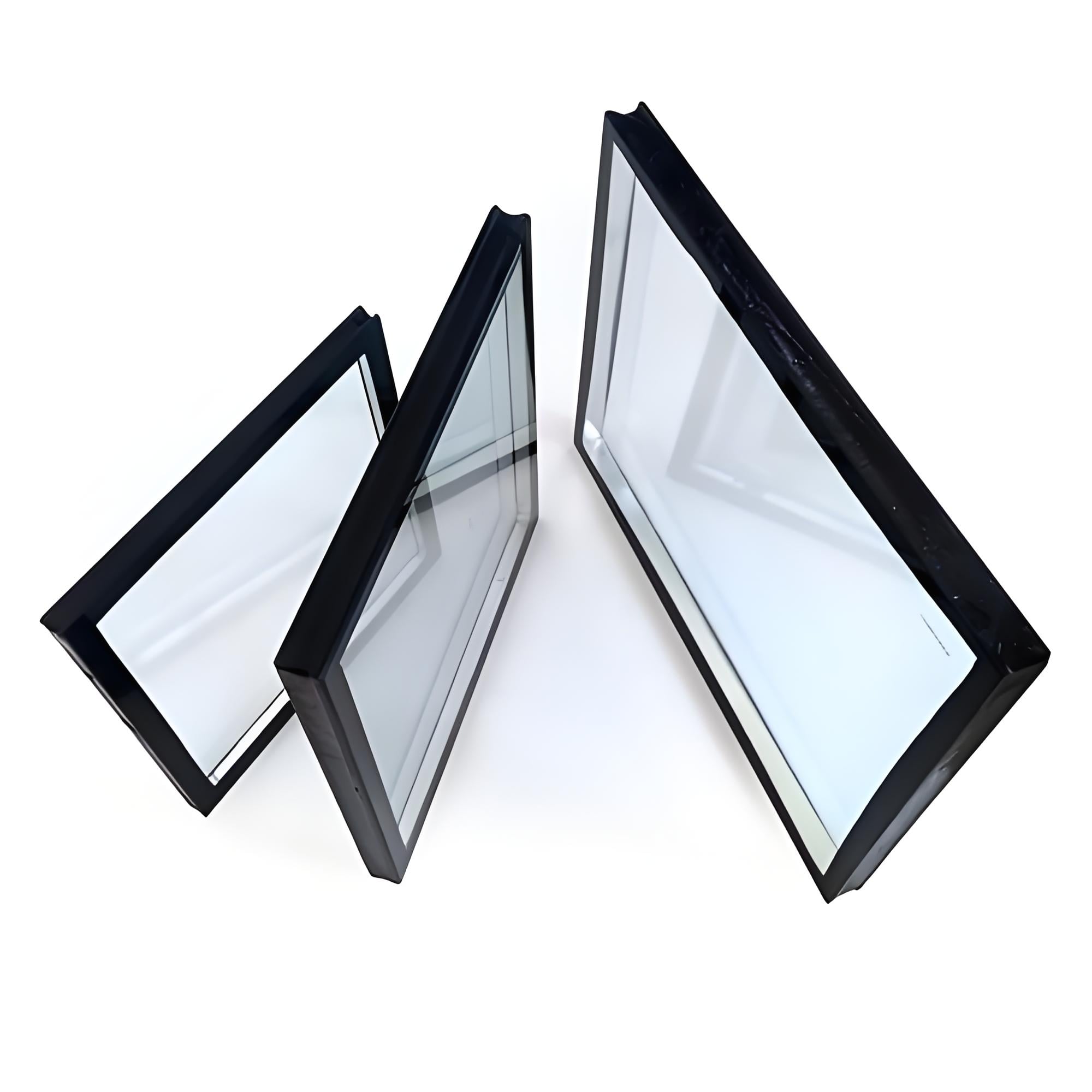
Commercial buildings are among the largest consumers of energy in any urban environment, and a significant portion of that energy is lost through poorly performing windows and facades. When facility managers and building owners look for scalable solutions, custom insulating glass consistently rises to the top of the list. Unlike standard off-the-shelf glazing, custom insulating glass is engineered to match the exact thermal, acoustic, and structural demands of a specific building, making it far more effective at controlling energy transfer.
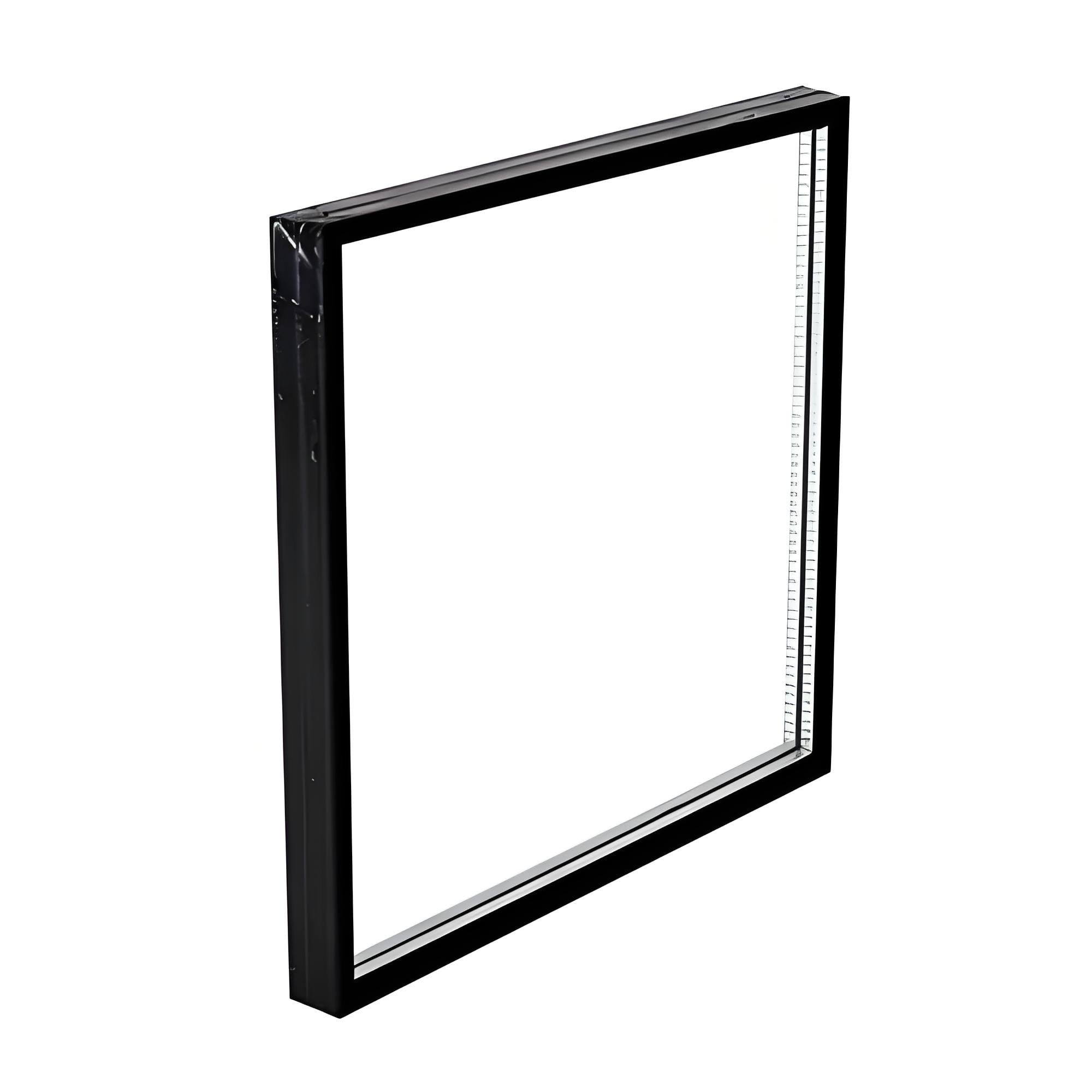
The financial case for upgrading to custom insulating glass is compelling. Commercial energy bills can be reduced dramatically when the building envelope stops acting as a thermal sieve. Custom insulating glass achieves this through precision-engineered air or gas-filled cavities, low-emissivity coatings, and tempered or laminated glass layers that work together to minimize heat gain in summer and heat loss in winter. For building owners managing large glazed facades, the cumulative savings over a decade can far exceed the initial investment in custom insulating glass.
The Thermal Science Behind Custom Insulating Glass
How Heat Transfer Is Controlled
Custom insulating glass works by creating a sealed barrier between interior conditioned space and the external environment. A standard single-pane window allows heat to conduct directly through the glass, but custom insulating glass introduces one or more insulating cavities filled with argon or krypton gas. These inert gases have lower thermal conductivity than air, which means custom insulating glass significantly slows the rate at which heat moves across the glazing unit. The result is a measurable reduction in the workload placed on HVAC systems throughout the year.
Low-emissivity, or low-e, coatings are a critical component of high-performance custom insulating glass. These microscopically thin metallic coatings are applied to one or more glass surfaces within the unit. They reflect long-wave infrared radiation back toward its source, keeping heat inside during cold months and blocking solar heat gain during warm months. When a building specifier selects custom insulating glass with the appropriate low-e coating for their climate zone, the thermal performance can be fine-tuned to an exceptional degree of efficiency.
U-Values and Solar Heat Gain Coefficients
The thermal performance of custom insulating glass is quantified using two key metrics: the U-value and the solar heat gain coefficient, or SHGC. The U-value measures how quickly heat passes through the glass unit, and a lower U-value means better insulation. Custom insulating glass units can achieve U-values significantly lower than single or basic double glazing. The SHGC measures how much solar radiation passes through the glass, and specifiers can select custom insulating glass with a lower SHGC for sun-exposed facades and a higher SHGC for north-facing walls that benefit from passive solar gain.
Direct Impact on Commercial Energy Bills
Reducing HVAC Load Year-Round
The most immediate financial benefit of custom insulating glass is the reduction it delivers to HVAC operating costs. In a typical commercial office building, heating and cooling can account for nearly half of total energy expenditure. When custom insulating glass is installed across large curtain wall systems or window arrays, the building envelope retains conditioned air far more effectively. HVAC equipment runs for shorter cycles, consumes less electricity or gas, and experiences less mechanical wear. Over the course of a full year, custom insulating glass translates these operational efficiencies into clearly visible reductions on energy invoices.
Custom insulating glass also reduces the phenomenon known as radiant discomfort, which occurs when occupants near poorly insulated windows feel cold drafts or excessive solar heat. When employees or tenants experience better thermal comfort, thermostats are adjusted less aggressively, which further reduces energy consumption. The behavioral impact of custom insulating glass on energy usage is often underestimated but plays a meaningful role in overall building performance.
Long-Term Return on Investment
The upfront cost of custom insulating glass is higher than standard glazing, but commercial building owners consistently report strong returns on this investment. Energy savings generated by custom insulating glass accumulate month after month, and in climates with extreme temperature swings, the payback period is often shorter than anticipated. Buildings that are retrofitted with custom insulating glass frequently qualify for green building certifications and energy efficiency incentives, which add further financial value beyond direct utility savings. Developers and asset managers who specify custom insulating glass are also increasing the market attractiveness and lease value of their properties.
Application Scenarios Where Custom Insulating Glass Delivers Maximum Value
Curtain Walls and Large Glazed Facades
High-rise office towers, retail centers, and hospitality properties with floor-to-ceiling glazing represent the highest-impact application for custom insulating glass. When the entire facade is composed of glass, the thermal performance of that glass becomes the single most important variable in energy management. Custom insulating glass designed for curtain wall systems can incorporate structural interlayer films, tinted glass lites, and specific gas fill combinations to optimize both aesthetics and thermal efficiency. In these large-scale applications, custom insulating glass prevents the facade from becoming the building's primary source of energy waste.
Greenhouses and Solar Applications
Beyond conventional office and retail environments, custom insulating glass is also specified for commercial greenhouses, solar facades, and skylights where controlled solar transmission is essential. In a greenhouse, custom insulating glass must balance thermal retention at night with adequate light transmission during the day. Specifiers select custom insulating glass with high visible light transmittance and carefully calibrated SHGC values so that growing environments remain energy-efficient and productive. In solar facade applications, custom insulating glass can be integrated with photovoltaic elements to further offset building energy consumption.
FAQ
How does custom insulating glass differ from standard double glazing?
Standard double glazing uses fixed configurations, while custom insulating glass is engineered with specific glass types, cavity widths, gas fills, and coatings chosen to match a building's exact climate, orientation, and usage requirements. This precision approach gives custom insulating glass a significant performance advantage over off-the-shelf units.
Can custom insulating glass be used in retrofit projects as well as new construction?
Yes, custom insulating glass is widely used in both new construction and retrofits. Fabricators can produce custom insulating glass to match the exact dimensions of existing window frames and curtain wall systems, making it practical to upgrade older commercial buildings without requiring structural changes to the facade.
What maintenance does custom insulating glass require in a commercial setting?
Custom insulating glass requires minimal maintenance compared to its performance benefits. The sealed cavity in custom insulating glass is factory-sealed and does not require periodic gas refilling under normal conditions. Routine cleaning and occasional inspection of the perimeter seals are generally sufficient to maintain the long-term performance of custom insulating glass installations.