EN
EN

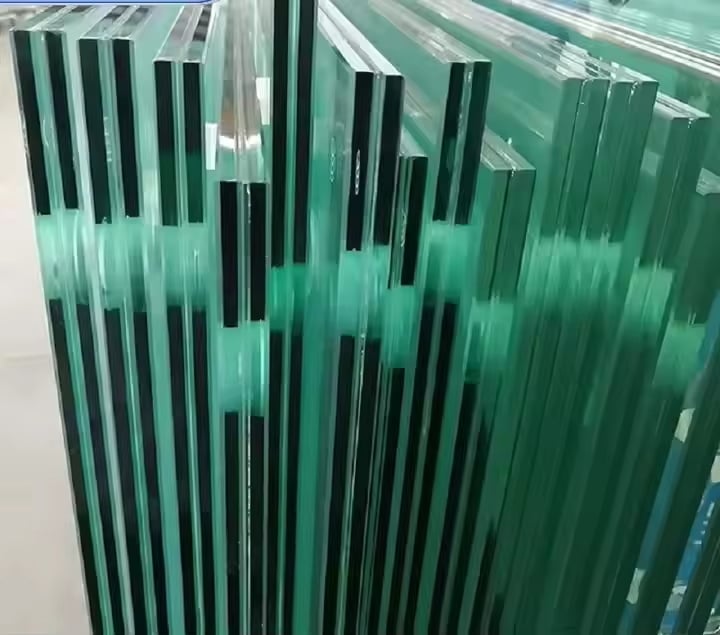
When luxury showcases and optical instruments demand the highest level of visual clarity, low iron glass stands out as the material of choice. Unlike standard float glass, low iron glass contains a significantly reduced iron oxide content, which eliminates the greenish tint that distorts the true appearance of displayed objects. For premium retail environments, jewelry displays, museum cases, and precision optical applications, even the slightest color distortion can undermine the perceived value of what is being presented. This is precisely why professionals across industries consistently specify low iron glass whenever uncompromised transparency is a requirement.
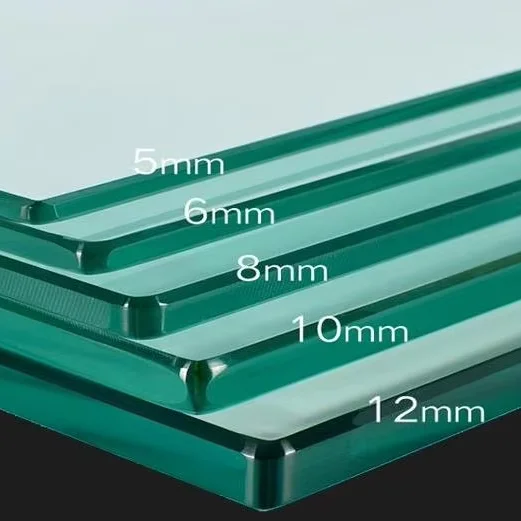
The significance of low iron glass goes beyond aesthetics. In optical instruments and precision devices, the light transmission properties of low iron glass directly influence accuracy and performance. Standard glass absorbs more light and introduces chromatic shifts that can affect measurements, imaging, and visual output. Low iron glass, with its superior light transmittance typically exceeding 91%, ensures that what passes through the glass is as accurate and true-to-life as physically possible. This makes low iron glass not just a design preference but a functional necessity in professional and high-end commercial settings.
The Optical Superiority of Low Iron Glass in Luxury Showcases
True Color Fidelity for Displayed Merchandise
Luxury showcases exist to present products at their absolute finest. Whether displaying high-end jewelry, designer watches, rare artifacts, or luxury cosmetics, the glass enclosure must not alter the visual character of the items within. Standard glass introduces a green or blue-green cast due to its higher iron content, which subtly shifts the perceived colors of merchandise. Low iron glass eliminates this distortion, allowing the true colors, finishes, and textures of luxury goods to be presented with full fidelity. When a diamond sparkles under display lighting, low iron glass ensures that every facet reflects its genuine brilliance without any tonal interference.
Retail designers and brand architects who work with luxury clients understand that low iron glass is a non-negotiable specification. The visual purity that low iron glass provides reinforces brand credibility and elevates the perceived quality of the entire display environment. Customers respond to the difference instinctively, even if they cannot immediately identify why one showcase feels more premium than another. The answer, in most cases, is the use of low iron glass throughout the display structure.
Light Transmission and Display Illumination
Modern luxury showcases often incorporate sophisticated lighting systems designed to highlight products with precision. The effectiveness of these lighting systems depends heavily on the transmittance of the glass used in the showcase panels. Low iron glass allows a higher percentage of visible light to pass through without absorption or scattering, meaning that the carefully calibrated lighting design performs exactly as intended. When standard glass is used instead, a portion of the light is absorbed by the iron content in the glass, reducing brightness and creating a duller overall presentation. Low iron glass works in harmony with premium lighting to produce the luminous, high-contrast visual experience that luxury retail demands.
Why Optical Instruments Require Low Iron Glass
Precision Light Transmission in Optical Applications
In the world of optical instruments, glass is not merely a protective barrier but an active component of the optical system. Microscopes, telescopes, precision lenses, photographic equipment, and scientific measurement devices all rely on glass that transmits light with minimal loss and zero chromatic interference. Low iron glass is specified for these applications because its high purity composition ensures that light passing through it is not absorbed, refracted incorrectly, or chromatically shifted in ways that would compromise measurement accuracy. Even a marginal reduction in light quality can produce compounded errors in high-precision optical systems, making low iron glass the rational and technically sound choice.
Optical instrument manufacturers who integrate low iron glass into their products benefit from consistent, repeatable performance across production batches. Because low iron glass maintains a stable and predictable composition, quality control becomes more manageable and device calibration remains reliable over time. This consistency is a critical advantage in industries where precision is a core product promise.
Durability and Optical Stability Over Time
Beyond initial transmission performance, low iron glass demonstrates exceptional long-term stability. Optical instruments are often used in demanding environments where temperature fluctuation, UV exposure, and prolonged operational cycles occur regularly. Low iron glass resists yellowing and maintains its optical properties under these conditions far more reliably than standard glass alternatives. For instrument manufacturers and end users alike, this means that a device built with low iron glass will continue to perform to its original specification well into its service life, reducing the need for recalibration or glass component replacement.
Selecting Low Iron Glass for High-Performance Applications
Thickness and Specification Considerations
Low iron glass is available across a broad range of thicknesses, from 2mm panels suitable for small display inserts to 19mm sheets used in structural showcase applications and heavy-duty instrument housings. Selecting the correct thickness of low iron glass depends on the physical dimensions of the showcase or instrument, the load-bearing requirements, and the desired optical depth effect. Thicker panels of low iron glass maintain their ultra-clear properties without the cumulative green tinting that would be visible in equivalent thicknesses of standard glass. This makes low iron glass scalable across applications without sacrificing the visual performance that justifies its selection.
Specifiers should also consider whether the low iron glass application requires additional processing such as tempering, laminating, or coating. low iron glass retains its optical advantages through these secondary processes, meaning that a tempered low iron glass panel used in a high-security jewelry showcase still delivers the same clarity and color neutrality as an unprocessed sheet. This processing compatibility makes low iron glass highly versatile across the full spectrum of luxury and precision applications.
Cost-Value Alignment in Premium Markets
Low iron glass carries a modest cost premium over standard float glass, but this difference is easily justified within the context of luxury showcase and optical instrument projects. When the total investment in a premium display environment runs into significant figures, the incremental cost of specifying low iron glass is negligible compared to the visual and functional benefits it delivers. Brands that invest in low iron glass for their showcases communicate quality through every surface of the display, reinforcing the premium positioning of the products inside. In optical instruments, the performance advantages of low iron glass translate directly into product differentiation and customer confidence.
FAQ
What makes low iron glass different from standard clear glass?
Low iron glass is manufactured with a reduced iron oxide content compared to standard clear glass. This reduction eliminates the greenish tint present in regular glass, resulting in higher light transmittance and true color neutrality. Standard clear glass typically transmits around 86–88% of visible light, while low iron glass exceeds 91%, making it significantly more transparent and color-accurate.
Can low iron glass be tempered or laminated for safety applications?
Yes, low iron glass is fully compatible with tempering and laminating processes. Tempered low iron glass offers the same safety and strength characteristics as tempered standard glass while maintaining its superior optical clarity. This makes low iron glass suitable for applications where both safety compliance and visual performance are required, such as retail showcases, museum display cases, and precision instrument covers.
Is low iron glass suitable for all showcase thicknesses?
Low iron glass is produced in a wide range of thicknesses, commonly from 2mm up to 19mm, making it suitable for virtually any showcase or optical instrument application. Thinner panels are used for lightweight display inserts and small instrument components, while thicker low iron glass panels serve structural showcase frames and high-load applications. Regardless of thickness, low iron glass maintains its optical advantages over standard glass alternatives.