EN
EN

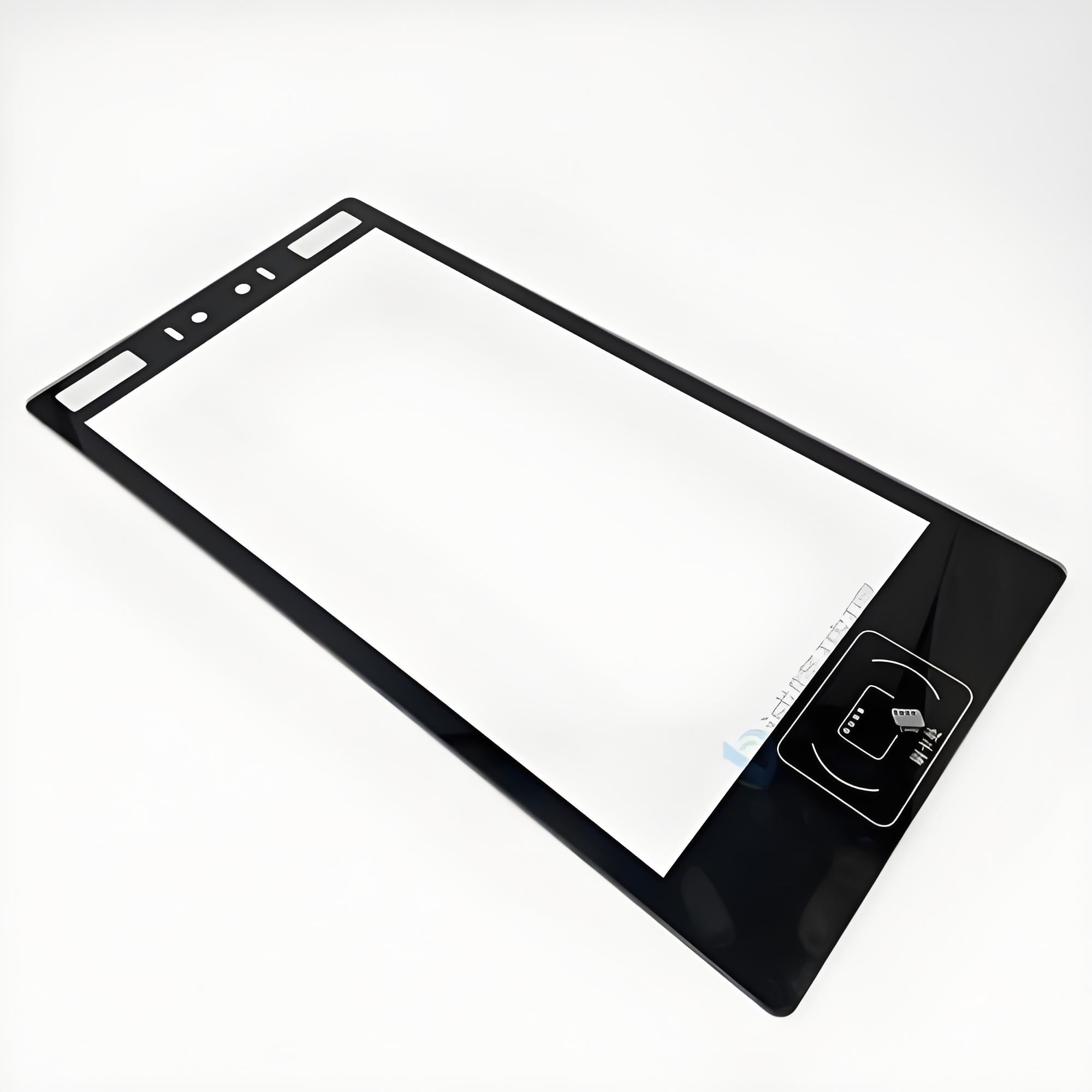
A touch-sensitive glass panel is a precision interface that depends on a clean, undamaged surface to detect input accurately. Whether installed in a smart home system, a commercial building, or an industrial control environment, every touch-sensitive glass panel requires regular and structured care to maintain its responsiveness. Neglecting surface maintenance does not just affect appearance — it directly compromises the sensor accuracy and the overall user experience that these panels are designed to deliver.
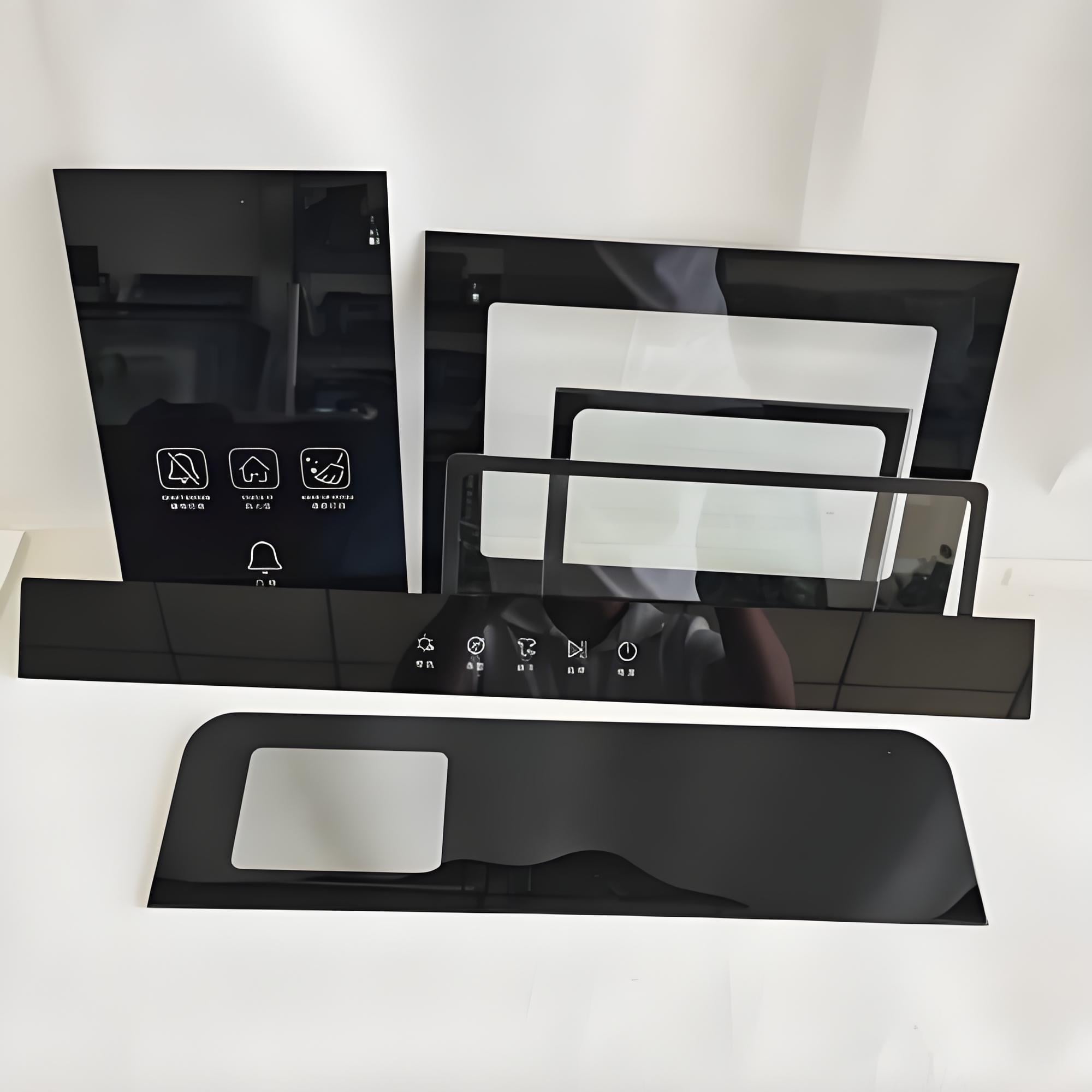
This guide walks through the practical steps needed to keep every touch-sensitive glass panel performing at its best. From daily cleaning routines to long-term protective measures, understanding proper maintenance ensures your touch-sensitive glass panel remains fully functional and visually pristine. The principles covered here apply to wall-mounted control panels, lighting switch panels, and any smart surface that relies on capacitive sensing technology through a glass interface.
Understanding Why Surface Condition Affects a Touch-Sensitive Glass Panel
How Contamination Disrupts Capacitive Sensing
Every touch-sensitive glass panel operates by measuring subtle changes in an electrical field at the glass surface. When oils, dust, moisture, or cleaning residues accumulate on a touch-sensitive glass panel, they alter the dielectric properties of the surface layer. This interference causes the sensor beneath the glass to misread or fail to register finger contact altogether. A contaminated touch-sensitive glass panel may exhibit symptoms such as ghost touches, delayed response, or complete failure to activate when pressed.
Understanding this mechanism is critical because it explains why even a visually clean touch-sensitive glass panel can still underperform. Invisible films left by improper cleaning agents are just as disruptive as visible smudges. A touch-sensitive glass panel with a thin residue of alcohol-based cleaner, for example, may respond erratically for hours after cleaning. Selecting the right maintenance approach is therefore not just cosmetic — it is a functional necessity for any touch-sensitive glass panel installation.
Physical Damage and Its Impact on Panel Response
Surface scratches on a touch-sensitive glass panel create uneven light refraction and, more critically, micro-fractures that disrupt the uniform conductive layer. A scratched touch-sensitive glass panel tends to produce inaccurate touch coordinates, making the interface frustrating to use. Deep scratches may also trap contaminants that routine cleaning cannot remove, creating persistent dead zones across the touch-sensitive glass panel surface. Protecting the glass from abrasive contact is therefore a core part of any maintenance strategy.
Daily and Weekly Maintenance Routines for a Touch-Sensitive Glass Panel
Correct Cleaning Methods and Materials
The most effective way to clean a touch-sensitive glass panel is to use a soft microfiber cloth slightly dampened with distilled water or a purpose-formulated glass cleaner free from ammonia and alcohol. Harsh chemicals break down the optical coatings on a touch-sensitive glass panel and leave behind ionic residues that interfere with capacitive detection. When wiping a touch-sensitive glass panel, always use light, circular strokes rather than aggressive linear scrubbing, which can introduce micro-scratches over time.
For routine touch-sensitive glass panel maintenance in high-traffic areas, a quick daily wipe with a dry microfiber cloth removes finger oils before they bond to the surface. A more thorough wet clean of each touch-sensitive glass panel should be scheduled weekly or whenever visible smearing is present. After cleaning a touch-sensitive glass panel, allow the surface to dry completely before use to prevent moisture from seeping into the panel edges, which can reach internal components and cause sensor drift.
Preventing Buildup Through Environment Control
The environment surrounding a touch-sensitive glass panel plays a significant role in how quickly contaminants accumulate. Kitchens and bathrooms expose a touch-sensitive glass panel to grease vapor, soap film, and humidity, all of which accelerate surface fouling. Installing a touch-sensitive glass panel in these areas requires more frequent cleaning intervals. Ensuring adequate ventilation near each touch-sensitive glass panel reduces airborne particle deposition and keeps the surface easier to maintain over the long term.
In industrial or commercial settings, dust-heavy environments challenge any touch-sensitive glass panel significantly. Placing protective covers over each touch-sensitive glass panel when not in active use can dramatically reduce particulate buildup. Some facilities schedule dedicated maintenance windows specifically for wiping down every touch-sensitive glass panel in the building, which improves system uptime and reduces service calls caused by surface-induced sensor failures.
Long-Term Protection Strategies for a Touch-Sensitive Glass Panel
Applying Protective Coatings
One of the most effective long-term strategies for preserving a touch-sensitive glass panel is the application of a hydrophobic nano-coating. These coatings create a microscopic barrier on the touch-sensitive glass panel surface that repels water, oils, and fine dust. A properly applied coating on a touch-sensitive glass panel reduces the adhesion of fingerprints and makes routine cleaning faster and more effective. It is important to verify that any coating used is specifically compatible with capacitive touch-sensitive glass panel surfaces, as incompatible coatings can reduce sensitivity or block input detection entirely.
Reapplication intervals for coatings depend on the usage intensity of each touch-sensitive glass panel. High-traffic panels may require re-coating every six to twelve months, while a touch-sensitive glass panel in a low-use area may retain its protective layer for up to two years. Always clean the touch-sensitive glass panel surface thoroughly before applying any coating to ensure full adhesion and uniform coverage.
Inspection and Early Fault Detection
Regular visual and functional inspection of each touch-sensitive glass panel allows facility managers and homeowners to catch degradation before it becomes a serious problem. During each inspection, check the touch-sensitive glass panel for micro-cracks, discoloration, delamination at the edges, or any zones that no longer respond accurately. A touch-sensitive glass panel showing edge delamination is particularly vulnerable to moisture ingress, which can permanently damage the sensor layer beneath the glass surface. Addressing these issues early extends the service life of every touch-sensitive glass panel considerably.
FAQ
How often should a touch-sensitive glass panel be professionally serviced?
For most residential installations, a touch-sensitive glass panel benefits from a professional inspection once per year. Commercial environments with heavy daily interaction should schedule a touch-sensitive glass panel service review every six months to catch early signs of sensor drift, edge damage, or coating wear.
Can a touch-sensitive glass panel be repaired if the surface is scratched?
Minor surface scratches on a touch-sensitive glass panel can sometimes be addressed with a professional polishing service, though results depend on scratch depth. Deep scratches that penetrate the sensor layer of a touch-sensitive glass panel typically require panel replacement rather than repair, as structural integrity and sensing accuracy cannot be fully restored.
Does temperature affect the performance of a touch-sensitive glass panel?
Yes, extreme temperatures can affect how a touch-sensitive glass panel responds. Very cold conditions may cause a touch-sensitive glass panel to react more slowly, while excessive heat can cause calibration drift. Keeping a touch-sensitive glass panel within the manufacturer-specified operating temperature range ensures consistent and reliable performance over its entire service life.