EN
EN

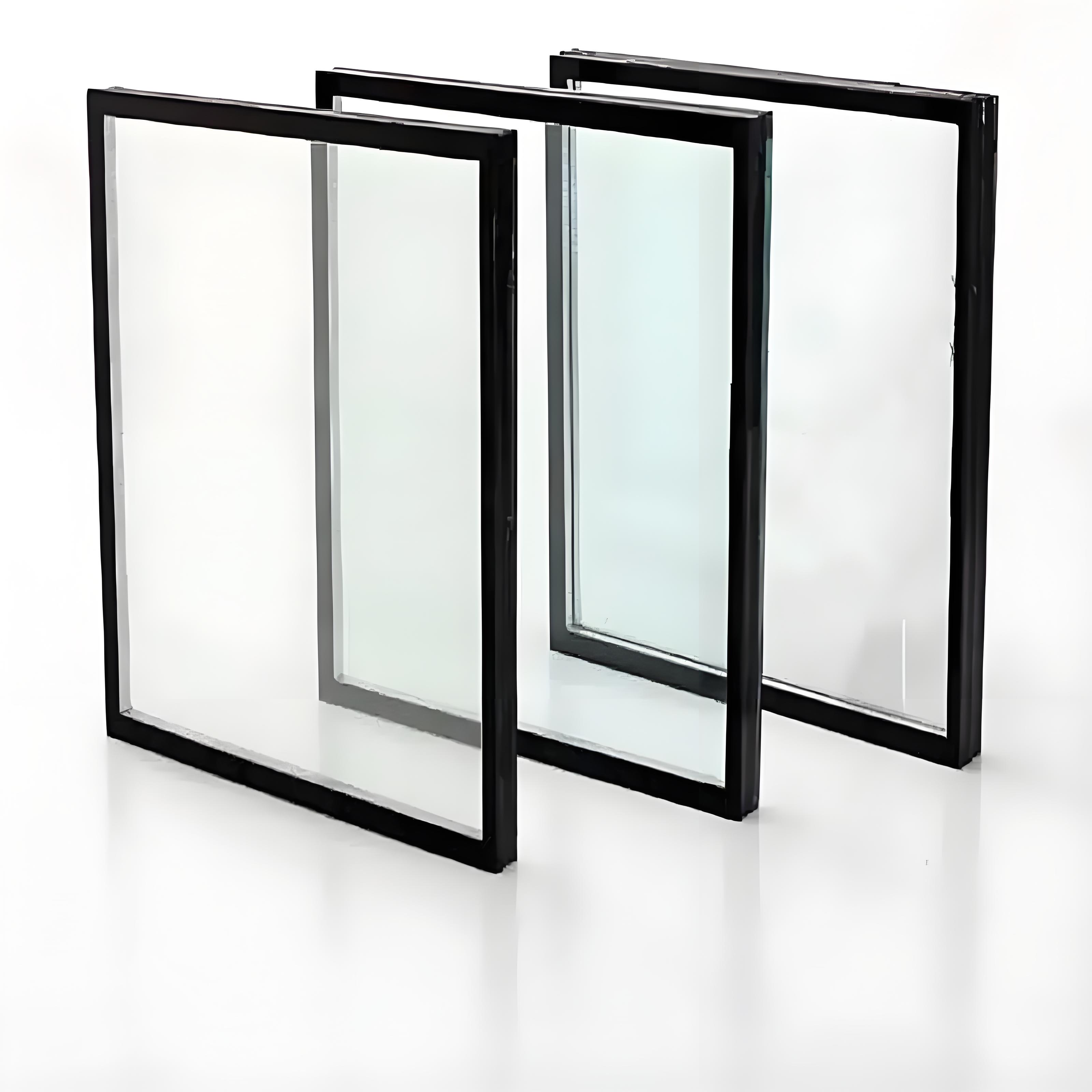
The construction industry is undergoing a fundamental shift toward sustainability, and insulating glass has become one of its most critical components. As architects, developers, and facility managers face increasing pressure to meet energy codes, reduce carbon emissions, and achieve green building certifications, insulating glass stands out as a solution that delivers measurable performance across multiple fronts. The demand is not a passing trend. It reflects a structural transformation in how buildings are designed and evaluated globally.
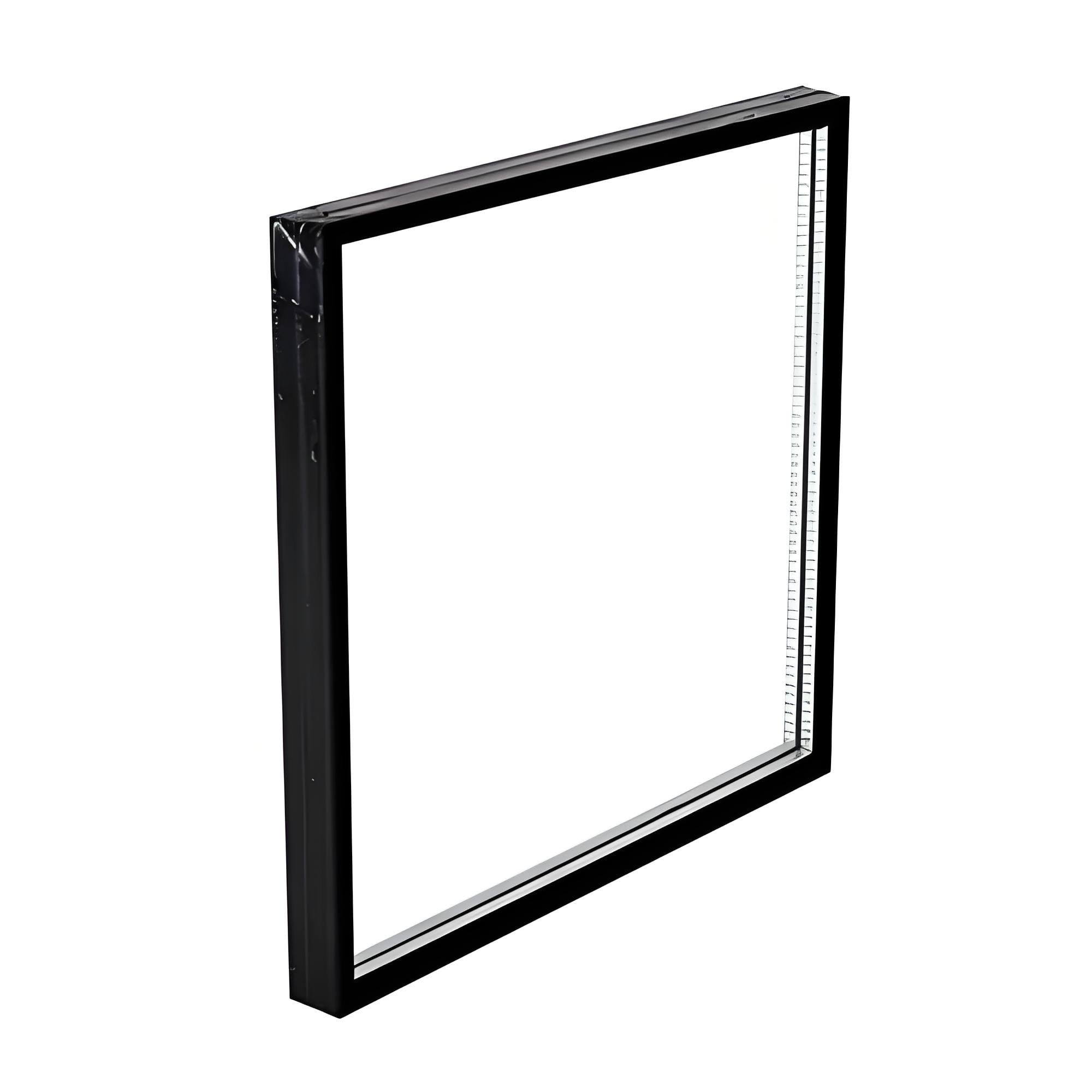
Sustainable buildings are evaluated not just on their materials but on their long-term environmental and operational performance. Insulating glass contributes directly to both. From reducing heating and cooling loads to minimizing condensation and noise infiltration, insulating glass addresses the precise pain points that sustainable design standards target. Understanding why insulating glass is in such high demand requires a closer look at its technical advantages, its role in certification systems, and the broader market forces driving adoption.
The Energy Performance Case for Insulating Glass
Thermal Insulation as a Core Sustainability Driver
At the heart of every sustainable building strategy is energy efficiency, and insulating glass plays a primary role in achieving it. Standard single-pane glazing allows significant heat transfer between interior and exterior environments. Insulating glass, by contrast, uses two or more glass panes separated by a sealed gas-filled cavity, typically filled with argon or krypton, to dramatically reduce that thermal exchange. This construction gives insulating glass a much lower U-value, meaning less heat escapes in winter and less heat enters in summer.
For buildings pursuing LEED, BREEAM, or ENERGY STAR certification, insulating glass is often a prerequisite rather than a bonus. The reduction in thermal load directly translates to lower HVAC energy consumption, which is one of the largest contributors to a building's operational carbon footprint. When a project team selects insulating glass for facades, curtain walls, or skylights, they are making a data-supported decision that affects the building's energy model and certification score simultaneously.
Low-E Coatings and Solar Control in Insulating Glass
Modern insulating glass units frequently incorporate low-emissivity coatings that further enhance thermal performance. A low-e coating applied to one of the interior glass surfaces reflects infrared radiation while still allowing visible light to pass through. This means insulating glass with a low-e coating keeps interior spaces bright without allowing solar heat to accumulate, which is particularly valuable in warm climates or buildings with large glazing areas.
The combination of the sealed cavity and low-e technology in insulating glass gives designers precise control over solar heat gain coefficients. This level of control is essential for sustainable buildings, where passive solar strategies and daylight optimization must be balanced against overheating risks. Insulating glass makes that balance achievable without sacrificing transparency or architectural vision.
How Insulating Glass Supports Green Building Standards
Alignment with Modern Energy Codes and Certifications
Green building frameworks around the world have become increasingly stringent in their glazing requirements. Insulating glass is now explicitly referenced in many national and regional energy codes as the minimum acceptable standard for commercial and residential facades. In sustainable building projects, insulating glass is evaluated for its contribution to envelope performance, which accounts for a significant portion of the total certification score.
Certifications like LEED v4 require detailed envelope calculations that include the thermal performance of insulating glass. Projects that use high-performance insulating glass units, especially those combining low-e coatings with thermally broken frames, consistently score better in the energy and atmosphere credits. This creates a direct financial incentive for developers: investing in quality insulating glass reduces certification gaps and lowers the cost of compensating through other systems.
Occupant Comfort and Indoor Environmental Quality
Sustainable buildings are not only about energy output. They must also support the health, productivity, and comfort of occupants. Insulating glass contributes significantly to indoor environmental quality by minimizing cold drafts near windows, reducing condensation on interior glass surfaces, and dampening external noise. These improvements are recognized in green building rating systems under categories such as thermal comfort and acoustic performance.
Condensation control is a particularly important benefit of insulating glass in cold climates. When interior glass surfaces remain above the dew point temperature, moisture buildup is prevented. Insulating glass achieves this because the inner pane stays warmer than single glazing would. This not only protects building materials and prevents mold growth but also maintains visual clarity and reduces maintenance costs over the building's lifecycle.
Market Forces Driving Insulating Glass Demand
Regulatory Pressure and Net-Zero Commitments
Governments worldwide are implementing stricter building energy regulations as part of net-zero carbon commitments. In the European Union, the Energy Performance of Buildings Directive requires all new buildings to meet nearly zero-energy standards, and insulating glass is central to envelope compliance strategies. Similar policies are emerging across Asia, North America, and the Middle East, creating broad and growing market demand for insulating glass solutions.
Developers who anticipate future regulatory requirements are already specifying insulating glass in projects that will be built over the next decade. This forward-looking procurement behavior is amplifying demand well beyond immediate code compliance. Insulating glass is increasingly viewed as a long-term asset that protects building value and reduces retrofit risk as energy regulations tighten over time.
Growing Awareness Among Developers and Tenants
Beyond regulation, market awareness is shifting. Commercial tenants now actively seek buildings with green certifications, knowing that lower energy bills and better indoor comfort translate to operational savings and employee wellbeing. This tenant preference drives developers to specify insulating glass even when regulations do not yet mandate it. Insulating glass has become a leasing and marketing advantage in competitive commercial real estate markets.
Residential buyers are also increasingly informed about the long-term value of insulating glass. Rising energy costs make the payback period for insulating glass shorter and more compelling. As awareness grows and upfront cost premiums narrow due to manufacturing scale, insulating glass adoption accelerates across all building segments.
FAQ
What makes insulating glass different from standard single-pane glass?
Insulating glass consists of two or more glass panes sealed together with a gas-filled cavity between them. This construction significantly reduces heat transfer compared to single-pane glass. The result is better thermal performance, lower energy consumption, and improved occupant comfort, all of which are critical for sustainable buildings.
Can insulating glass help a building achieve LEED certification?
Yes. Insulating glass contributes directly to the energy and atmosphere credits in LEED certification by improving the building envelope's thermal performance. High-performance insulating glass with low-e coatings helps reduce the overall energy model load, which is a key factor in earning certification points.
Is insulating glass suitable for all climates in sustainable building projects?
Insulating glass is suitable for virtually all climates. In cold climates, insulating glass retains interior heat and prevents condensation. In hot climates, insulating glass combined with low-e coatings controls solar heat gain. The specific configuration of the insulating glass unit, including coating type and gas fill, can be customized to match local climate conditions and sustainability targets.