EN
EN

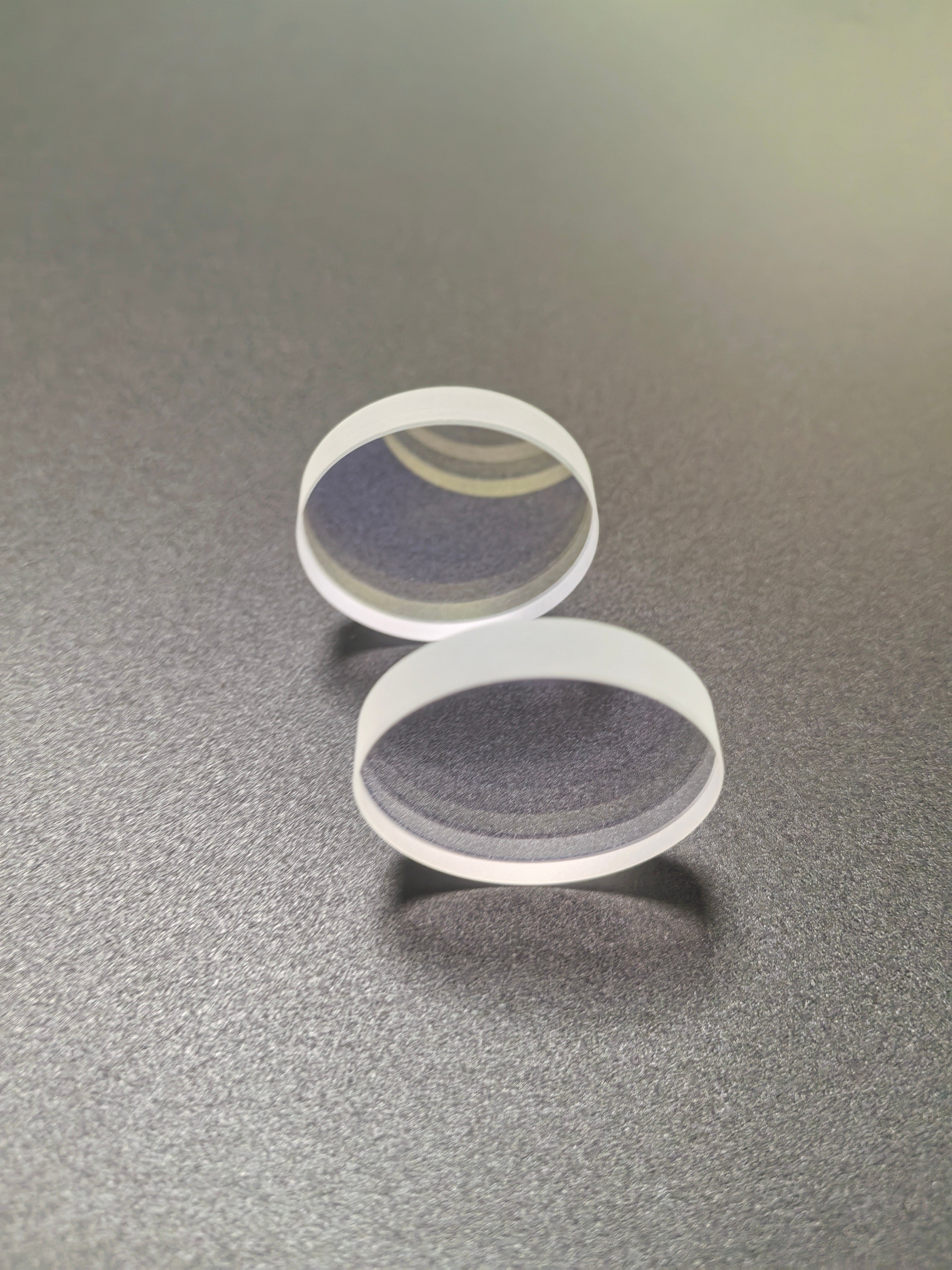
When manufacturers and designers evaluate finishing options for custom glass panels, screen printing consistently stands apart as a process that delivers measurable functional and aesthetic value. Unlike surface stickers or adhesive films, screen printing bonds ink directly to the glass surface, creating graphics, markings, and color fields that resist wear, moisture, and repeated cleaning. For industries ranging from bathroom hardware to precision instruments, this process transforms a plain glass panel into a finished, branded, and operationally useful component. Understanding the specific value that screen printing adds helps buyers and engineers make informed decisions about their glass panel specifications.
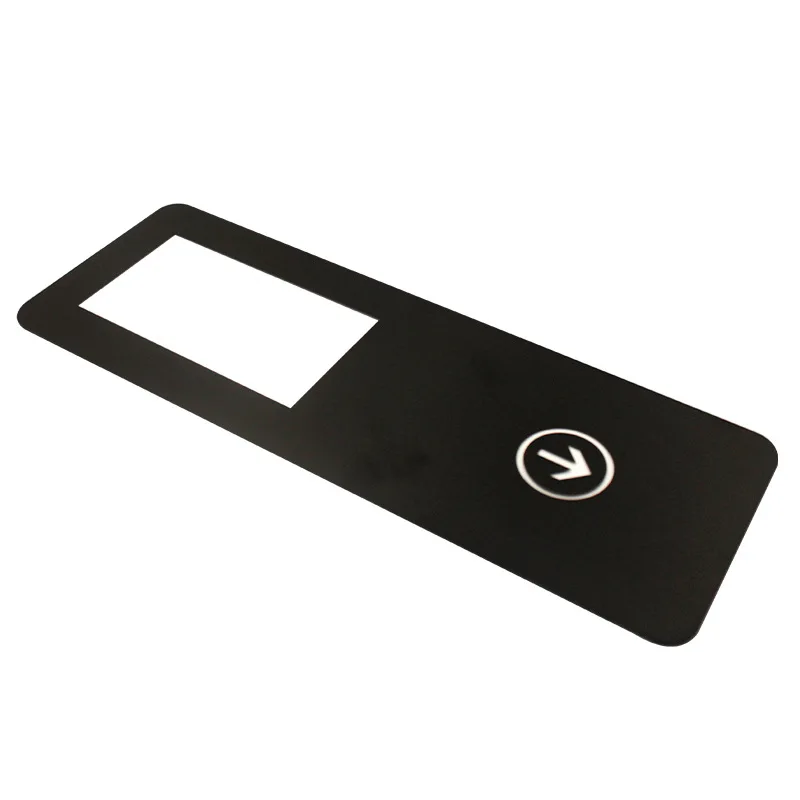
Screen printing on glass is a mature, industrially proven technology, but precision screen printing elevates it further by applying tight tolerances in ink placement, color registration, and layer thickness. When a custom glass panel is destined for an instrument interface or a bathroom fixture, every detail of the printed design must align exactly with the panel's cut dimensions, hole positions, and tempered zones. Precision screen printing makes that alignment reliable across large production runs, not just on single prototype pieces. This article explores exactly what value precision screen printing adds to your custom glass panel across visual quality, durability, and functional performance.
Visual Quality and Design Accuracy
Achieving Consistent Color and Sharp Edge Definition
One of the most immediate values that screen printing delivers to a custom glass panel is visual precision. Through controlled mesh tension, squeegee pressure, and ink viscosity, screen printing produces sharp-edged graphics with consistent color saturation from the first panel to the thousandth. For decorative bathroom glass panels, this means logos, patterns, and color gradients appear exactly as designed, without bleeding or fading across a production batch. Color consistency is especially critical when glass panels must match surrounding hardware finishes or coordinate with broader interior design schemes.
Precision screen printing also allows multi-color registration on a single glass panel without misalignment between layers. Each successive ink pass is positioned using fixed registration guides, so overlapping colors and fine detail lines remain stable. This level of control allows designers to specify complex artworks on custom glass panels without worrying that manufacturing limitations will distort the final appearance. The result is a panel that looks crafted and intentional rather than compromised by process variation.
Surface Texture and Finish Options Through Screen Printing
Screen printing is not limited to flat color applications. Specialized inks used in screen printing can create matte, gloss, frosted, or textured surface effects directly on the glass panel. A frosted screen printing ink, for example, gives the appearance of acid-etched glass at a fraction of the cost, while remaining far more controllable in terms of pattern shape and placement. For custom glass panels used in premium bathroom environments, these finish options add tactile and visual depth that pure clear glass cannot offer. The screen printing process thus becomes a tool for differentiation, not just decoration.
Durability and Long-Term Performance
How Screen Printing Bonds to Tempered Glass Panels
Durability is a primary reason why screen printing is specified for industrial and commercial glass panels. When ceramic or enamel-based inks are used in screen printing and then fired at high temperatures, the ink fuses with the glass surface at a molecular level. This process, often called ceramic screen printing, produces markings that cannot be scratched off, dissolved by cleaning agents, or lifted by moisture. For instrument panels and bathroom glass panels that face daily handling and frequent cleaning, this permanence is not optional — it is a baseline requirement.
Precision screen printing also ensures that ink coverage is uniform in thickness, which matters greatly for durability. Thin or uneven ink deposits created by imprecise screen printing are more likely to chip or peel over time, especially on tempered glass panels that may flex slightly under mechanical stress. Consistent ink thickness, achieved through calibrated screen printing parameters, creates a uniform bond across the entire printed area. Buyers sourcing custom glass panels for long-lifecycle products gain confidence knowing that screen printing applied with this precision will outlast the product's operational lifespan.
Resistance to Environmental and Chemical Exposure
In bathroom environments, custom glass panels face humidity, temperature cycling, and contact with cleaning chemicals. Precision screen printing inks formulated for glass are tested against these conditions, ensuring that printed graphics, scales, and symbols remain legible and intact over years of use. Similarly, instrument glass panels in industrial or laboratory settings must withstand vibration, UV exposure, and occasional solvent contact. Screen printing with appropriate ink chemistry meets these demands where adhesive labels or digital printing methods would fail. This environmental resilience is a direct and quantifiable value that screen printing adds to every custom glass panel it is applied to.
Functional and Operational Value
Printed Markings, Scales, and Interface Elements
Beyond aesthetics, screen printing adds direct functional value to custom glass panels used in instruments and control interfaces. Measurement scales, operational icons, button labels, and safety markings are commonly applied through screen printing because the process produces precise, repeatable characters and symbols at any scale. On an instrument glass panel, a scale printed via precision screen printing must maintain consistent line width and spacing across every unit to ensure accurate readings. Screen printing achieves this repeatability through standardized tooling, making it the preferred choice for functional glass panel markings in professional applications.
Screen printing also supports the integration of opaque or translucent zones on a glass panel, which is valuable for backlit displays and touch interface designs. By applying screen printing in specific patterns, manufacturers can define active display areas, decorative borders, and light-blocking zones within a single glass panel. This design flexibility, combined with the process precision of screen printing, allows a custom glass panel to function as a fully integrated interface component rather than a simple protective cover. The screen printing layer essentially becomes part of the product's engineering, not just its appearance.
Screen Printing as a Signal of Manufacturing Quality
For B2B buyers evaluating custom glass panel suppliers, the quality of screen printing on sample panels is often used as a proxy for overall manufacturing capability. Crisp, consistent screen printing indicates that a factory controls its processes carefully, uses quality materials, and applies rigorous quality inspection. Conversely, blurry, uneven, or misregistered screen printing signals process instability that may affect other aspects of panel quality such as cutting accuracy or tempering consistency. In this sense, precision screen printing carries reputational and procurement value beyond its direct technical contribution to the panel itself.
FAQ
What types of ink are used in screen printing on glass panels?
Glass panels typically use ceramic, enamel, or UV-curable inks in screen printing. Ceramic and enamel inks are fired at high temperatures and fuse to the glass surface, offering maximum durability. UV-curable inks used in screen printing cure under ultraviolet light and are suitable for applications where firing is not possible, though they are generally less permanent than ceramic screen printing inks.
Can screen printing be applied to tempered glass panels?
Yes, screen printing can be applied to glass before or after tempering, depending on the ink type. Ceramic screen printing inks are typically applied before tempering so the firing process bonds the ink permanently. Applying screen printing before tempering also allows the ink and glass to be processed together, ensuring the printed layer does not compromise the tempered glass panel's structural integrity.
Is screen printing suitable for small-batch custom glass panel orders?
Screen printing is most cost-efficient at medium to high production volumes because screen setup involves tooling costs. However, for custom glass panels with stable designs intended for repeated production, screen printing offers excellent unit cost efficiency and consistency. For very small prototyping batches, digital printing may be used initially, with screen printing introduced once the design is finalized and production volume justifies the screen printing setup investment.