EN
EN

Modern Home Design Revolution: The Impact of Safety Glass Innovation
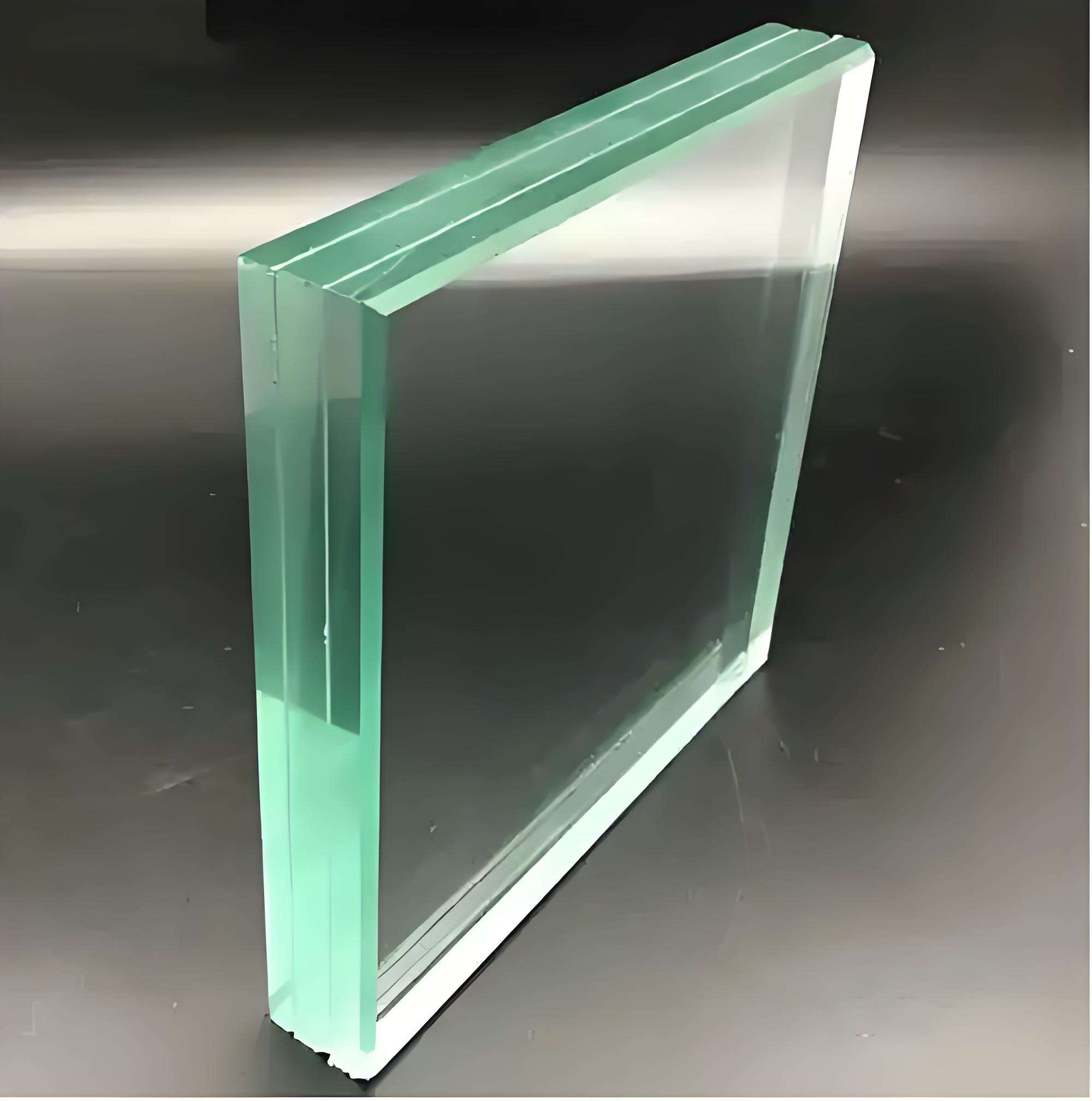
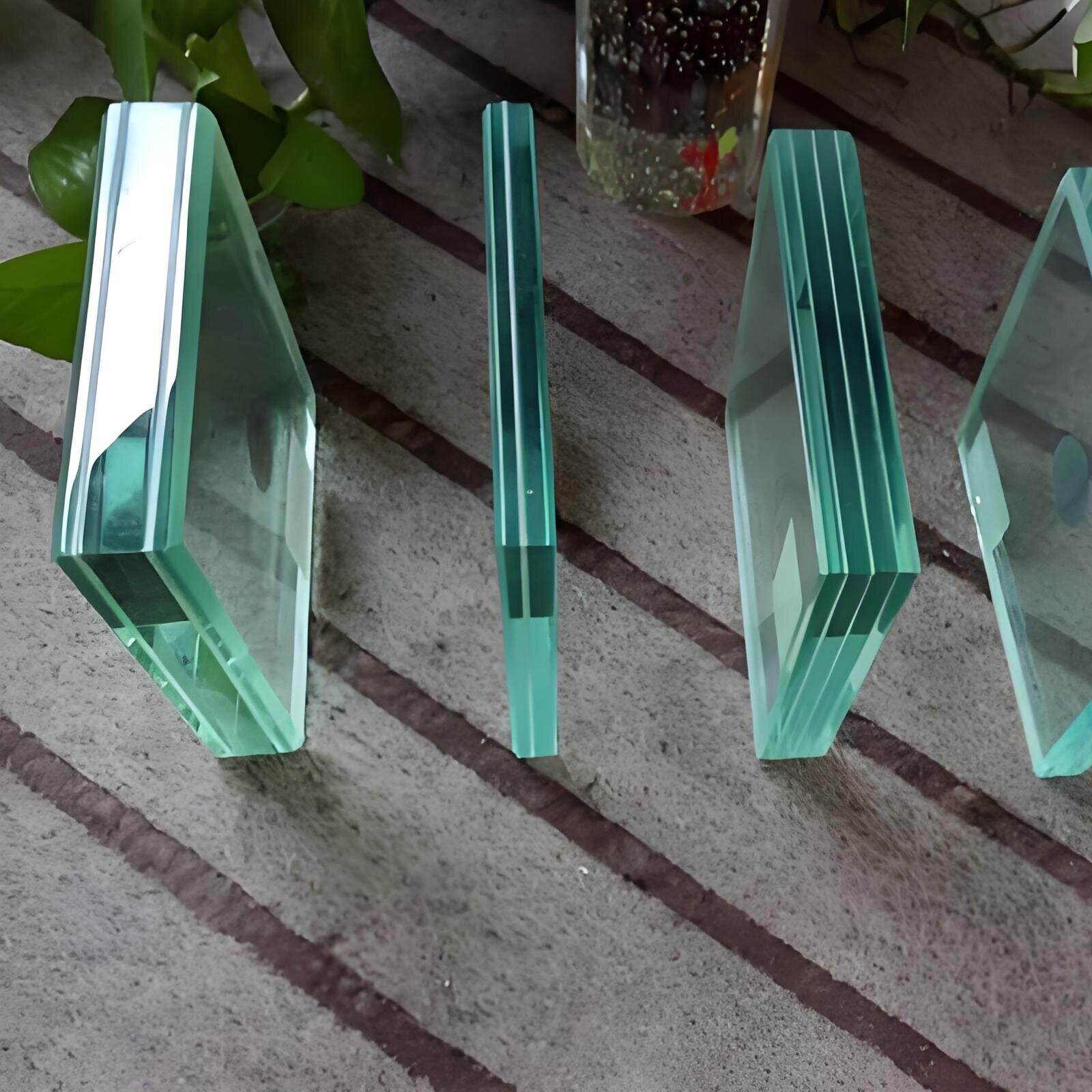
The evolution of residential architecture has brought unprecedented attention to materials that blend safety, aesthetics, and functionality. Among these innovations, laminated glass stands out as a remarkable advancement that's transforming modern homes. This sophisticated glass solution consists of two or more layers of glass bonded together with a specialized interlayer, typically made of polyvinyl butyral (PVB) or ethylene-vinyl acetate (EVA). The result is a highly durable, safe, and versatile building material that's becoming increasingly popular in contemporary home design.
Enhanced Security and Safety Features
Superior Break Resistance
One of the most compelling advantages of laminated glass is its exceptional break resistance. Unlike traditional glass that shatters into dangerous shards upon impact, laminated glass remains intact even when broken. The PVB interlayer holds the glass pieces together, preventing them from dispersing and potentially causing injury. This feature makes it an ideal choice for homes in areas prone to severe weather conditions or where security is a primary concern.
The strength of laminated glass also serves as a deterrent to potential intruders. When struck, the glass may crack but will not create an entry point, as the fragments remain adhered to the interlayer. This crucial security feature provides homeowners with peace of mind and additional protection for their families and belongings.
UV Protection and Sound Insulation
Beyond its safety features, laminated glass offers exceptional UV protection for your home's interior. The specialized interlayer blocks up to 99% of harmful UV rays, preventing furniture, artwork, and flooring from fading or deteriorating due to sun exposure. This protection extends the life of your interior investments while maintaining the bright, open feeling that large windows provide.
The acoustic properties of laminated glass are equally impressive. The interlayer acts as a sound barrier, significantly reducing external noise transmission. Urban homeowners particularly appreciate this feature, as it creates a quieter, more peaceful indoor environment despite busy surroundings. The thickness and composition of the glass can be customized to achieve specific sound reduction goals.
Aesthetic Versatility in Modern Architecture
Design Flexibility and Visual Appeal
Architects and designers appreciate laminated glass for its remarkable versatility in modern home design. It can be manufactured in various colors, patterns, and opacity levels, allowing for creative expression while maintaining its protective properties. From subtle tints to bold decorative elements, laminated glass can be customized to complement any architectural style or interior design scheme.
The material's strength enables the creation of larger window spans and glass walls, maximizing natural light and creating seamless indoor-outdoor connections. This capability has revolutionized modern home design, allowing for more open, light-filled spaces that weren't possible with traditional glass options.
Energy Efficiency Benefits
Modern laminated glass installations contribute significantly to a home's energy efficiency. The multiple layers and specialized coatings help regulate indoor temperature by reducing heat transfer. During summer months, it helps keep interiors cool by blocking solar heat gain, while in winter, it provides better insulation against cold temperatures.
These thermal properties can lead to substantial energy savings over time, making laminated glass a cost-effective choice for environmentally conscious homeowners. The reduced reliance on heating and cooling systems not only lowers utility bills but also decreases the home's carbon footprint.
Installation and Maintenance Considerations
Professional Installation Requirements
While laminated glass offers numerous benefits, proper installation is crucial for optimal performance. Professional installers must carefully handle and place the glass to ensure it meets safety standards and building codes. The installation process requires specialized knowledge of proper mounting techniques and appropriate framing systems to support the glass's weight and provide necessary expansion allowances.
Investing in professional installation helps guarantee that your laminated glass performs as intended and maintains its protective properties throughout its lifetime. Expert installers can also advise on the best glass specifications for your specific needs and location.
Long-term Care and Durability
Maintaining laminated glass is relatively straightforward, requiring similar care to traditional glass. Regular cleaning with appropriate glass cleaners helps preserve its clarity and appearance. The durability of laminated glass means it typically requires less frequent replacement than conventional glass, making it a cost-effective choice over time.
The material's resistance to weathering and environmental factors contributes to its longevity. When properly installed and maintained, laminated glass can provide decades of reliable service, making it a worthy investment for modern homeowners.
Frequently Asked Questions
How does laminated glass differ from tempered glass?
Laminated glass consists of multiple layers bonded together with a special interlayer, while tempered glass is a single piece that's been heat-treated to increase strength. When broken, laminated glass stays intact due to the binding layer, whereas tempered glass breaks into small, rounded pieces. Both types are safety glasses, but they serve different purposes and offer distinct advantages.
Can laminated glass be used in all climate conditions?
Yes, laminated glass is designed to perform well in various climate conditions. It's particularly effective in extreme weather situations, offering protection against high winds, heavy rains, and temperature fluctuations. The material's durability and weather resistance make it suitable for both hot and cold climates.
What is the average lifespan of laminated glass in residential applications?
When properly installed and maintained, laminated glass can last 20-30 years or more in residential applications. Factors affecting its lifespan include exposure to elements, installation quality, and maintenance practices. The interlayer typically remains stable and effective throughout the glass's lifetime, maintaining its protective properties.