EN

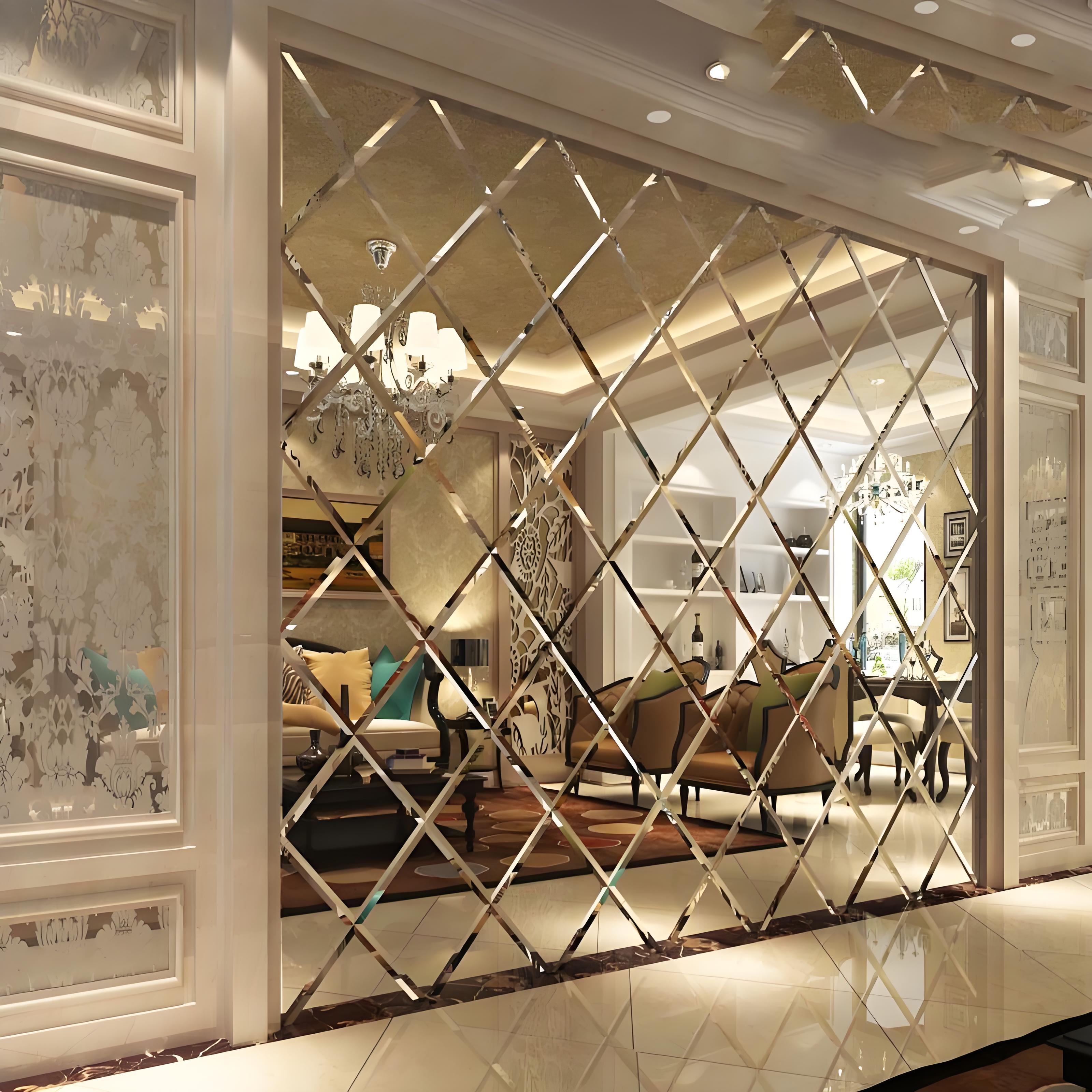
Modern deep-processed glass offers more than a transparent surface: it can be engineered to meet practical demands while shaping the look and feel of a building. Its advantages come from combining carefully selected glass with processes such as tempering, laminating, insulating, coating, and precision edge finishing. The right treatment can improve how glass responds to impact, temperature changes, sound, and sunlight, while giving designers greater control over appearance.
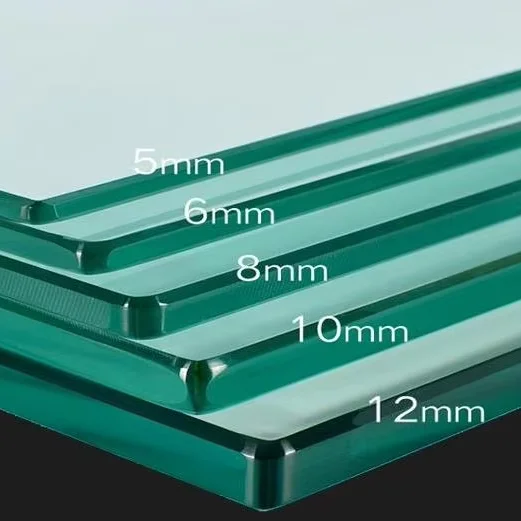
Those benefits are not automatic or identical for every project. A façade, interior partition, shower screen, and equipment cover place different demands on glass, so processing choices should follow the intended use. Understanding the functional and aesthetic advantages of modern glass helps project teams specify a suitable combination of strength, safety, light performance, finish, and thickness rather than treating glass as a generic material.
Functional advantages created by processing
Strength and safer breakage behavior
Heat treatment changes the way glass handles mechanical and thermal stress. Tempered glass is heated and rapidly cooled under controlled conditions, producing a stronger product than comparable annealed glass of the same thickness. When it breaks, it generally fragments into smaller pieces, which can reduce the severity of injury compared with large sharp shards. This makes processed glass useful in doors, screens, façades, and other locations where safety requirements matter.
Laminated glass provides a different safety response. One or more interlayers bond glass sheets together, helping fragments adhere to the interlayer if breakage occurs. That retained-fragment behavior can be valuable in overhead glazing, guards, and applications where keeping an opening covered after damage is important. Teams should confirm the relevant building-code requirements and impact conditions, because the appropriate glass construction depends on location and use.
Thermal, acoustic, and environmental control
Insulating glass units use separated panes and a sealed cavity to reduce heat transfer compared with a single pane. Coatings can further influence solar gain, visible light, and heat loss, depending on their specification and placement. Together, these options help designers tune glass for a building’s climate, orientation, and energy strategy. Performance depends on the full assembly, including frame, spacer, seals, and installation quality, not glass alone.
Acoustic needs also shape the choice. Laminated constructions and differences in pane thickness can help reduce sound transmission, although results vary with frequency and the complete window system. Selecting glass for a noisy site therefore requires more than choosing a thicker sheet. Project teams should consider traffic, machinery, room use, and the performance of frames and seals before setting acoustic targets for the glass assembly.
Aesthetic advantages for architecture and interiors
More control over clarity, color, and light
Modern processing gives architects a wider palette than a basic clear sheet. Low-iron glass can reduce the green cast often visible at exposed edges, supporting a more neutral appearance where color fidelity matters. Tinted glass and surface coatings can moderate brightness or solar exposure while contributing to a façade’s visual character. The chosen glass should be reviewed in samples, because lighting, viewing angle, thickness, and nearby materials affect how its color appears.
Transparency also supports spatial goals. Clear glass can maintain sightlines between rooms, while frosted, patterned, or coated glass can introduce privacy without relying on an opaque wall. In offices, retail settings, and hospitality interiors, these choices influence how daylight moves and how spaces feel connected. The aesthetic value of glass is strongest when its transparency, reflection, and privacy level respond to the people using the space.
Clean detailing and design flexibility
Precision cutting, drilling, polishing, and edgework allow glass to fit specific openings and hardware systems. Finished edges may be exposed as a deliberate design feature, while accurate fabrication supports cleaner transitions at joints and frames. Such detailing is not merely decorative: it affects installation fit and can help avoid damage caused by poor alignment. Designers should coordinate glass dimensions, hardware clearances, and edge requirements early.
Larger panels can create uninterrupted views and a lighter visual language, but panel size must suit handling, support, transport, and structural design. Glass thickness and processing options influence weight and fabrication limits, so an attractive concept needs technical review before drawings are finalized. Early coordination between the design team, glazing contractor, and structural professionals helps balance clean aesthetics with realistic glass specifications and safe installation.
Choosing processing to match project needs
Start with exposure, use, and applicable standards
A sound specification begins by identifying where the glass will be installed and what it must do. Consider whether people may walk into or fall against it, whether it is overhead, and how it will experience wind, temperature variation, moisture, or cleaning chemicals. These conditions help determine whether tempered, laminated, insulating, coated, or combined glass is appropriate. Applicable codes and project standards should guide safety decisions.
Next, match performance goals to measurable requirements. A façade may prioritize solar control and thermal performance; an interior meeting room may need privacy and sound reduction; a guard may require a suitable post-breakage response. Naming the intended function prevents a finish or thickness from being selected on appearance alone. Confirm the complete glass build-up, including pane thicknesses, interlayers, coatings, cavity, and edge treatment.
Coordinate fabrication, installation, and maintenance
Processing decisions affect what can happen later in fabrication. Tempering generally needs to occur after cutting and edgework, while drilling or shaping tempered glass after treatment can cause failure. Coating orientation, laminated make-up, and insulating-unit details also need clear documentation. A precise specification reduces ambiguity between design intent and the delivered glass, especially when several treatments are combined in one assembly.
Installation and care complete the performance picture. Correct setting blocks, compatible sealants, protected edges, and suitable handling practices help prevent avoidable damage. Maintenance plans should account for the coating and finish, since abrasive tools or unsuitable cleaners may affect some glass surfaces. For procurement, review drawings, samples, processing requirements, tolerances, and compliance documents together so the final product aligns with both function and appearance.
FAQ
Does deep-processed glass always provide better safety?
No. Processing can improve specific safety characteristics, but the right glass depends on its location, expected loads, breakage risk, and applicable code. Tempered glass and laminated glass behave differently when broken, so specify the construction for the actual hazard rather than assuming one treatment fits every application.
Can processing change the appearance of glass?
Yes. Low-iron compositions, tints, coatings, patterns, and edge finishes can affect color, reflection, privacy, and transmitted light. Review physical samples in relevant lighting, because the installed glass may look different from a small sample viewed in isolation.
What information should teams confirm before ordering?
Confirm dimensions, thickness, glass type, processing sequence, edgework, coatings, safety requirements, tolerances, and installation details. Also verify how the glass will be supported and maintained. Clear documentation helps ensure that the ordered product meets the project’s technical needs and intended visual finish.