EN

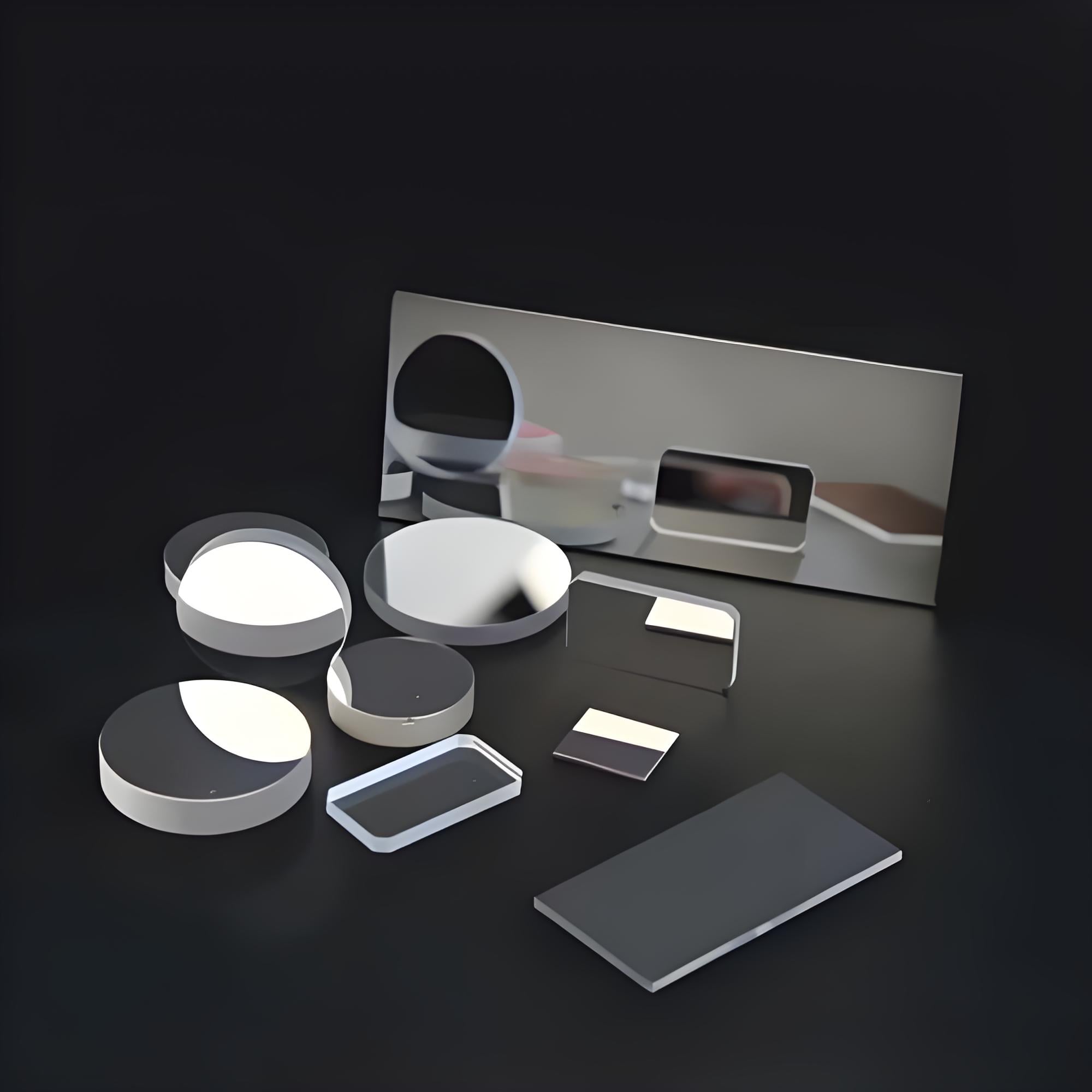
Connecting with a top-tier custom quartz glass fabricator in China starts with a precise project brief, not a broad request for pricing. Define the optical, thermal, dimensional, and delivery requirements first. That clarity helps a fabricator assess whether its quartz glass capabilities fit your application and makes technical discussions more productive from the outset.

A strong connection is built through a sequence: identify suitable capabilities, exchange complete specifications, evaluate communication and quality controls, then validate the design with samples. This approach is particularly useful when sourcing quartz glass internationally, where project details, inspection expectations, and shipping responsibilities need to be explicit before production begins.
Prepare a focused brief before outreach
Translate the application into measurable requirements
Describe what the component must do, rather than asking only whether a company makes quartz glass. Explain the environment, operating temperature, wavelength or transmission needs, pressure exposure, and any chemical contact. Include a drawing or model, because geometry, edge conditions, and tolerances can affect both feasibility and manufacturing route.
Specify material expectations in terms the engineering team can review, such as grade or purity requirements, optical properties, and relevant documentation. Quartz glass used for an optical assembly may need different finishing and inspection from quartz glass intended for a thermal process. The clearer the application, the more useful the fabricator’s technical response will be.
Make the request for quotation actionable
A complete RFQ should state dimensions, tolerances, surface finish, quantity, annual demand if known, and the stage of the project. Identify whether the quartz glass part needs drilling, grinding, polishing, coating, or a combination of operations. Attach controlled drawings and mark critical features so that review focuses on the characteristics that matter most.
Also clarify what you expect with the quote: estimated lead time, sample plan, packaging, inspection records, and assumptions about shipping terms. Ask the fabricator to flag unclear details rather than silently interpret them. That simple practice helps prevent a low initial quote from concealing later changes in scope for custom quartz glass.
Qualify technical fit and communication
Review capability through evidence
During initial discussions, ask how the team would produce the part and which steps require specialist equipment or outside processing. A capable quartz glass fabricator should be able to discuss practical limits, tolerances, process risks, and inspection methods in relation to your drawing. Look for specific answers that address your part rather than generic assurances.
Request relevant examples of similar work, while respecting confidentiality, and ask what inspection records can accompany the order. For quartz glass optics, useful evidence may include dimensional results, surface inspection, or coating documentation when those features are specified. Match each requested record to an acceptance criterion so both parties understand what will be checked.
Test how the project will be managed
A reliable working relationship depends on more than machinery. Confirm who owns technical questions, how drawing revisions are controlled, and how changes receive approval. Ask how the quartz glass team will communicate schedule updates and report a deviation. Clear ownership matters when engineering, purchasing, and quality teams are located in different time zones.
Discuss quality controls in practical terms: incoming material identification, in-process checks, final inspection, and traceability where required. For quartz glass orders, confirm how parts are protected from scratches, contamination, and impact during handling. Ask for the inspection plan before approving production, then compare its measurements and records with your own acceptance requirements.
Move from sample approval to a stable order
Use samples to validate the real application
A sample is a controlled opportunity to test fit and function before committing to a larger quartz glass order. Agree on sample quantity, configuration, inspection criteria, and any coating or finishing conditions in advance. Evaluate the sample under representative assembly and operating conditions, not only by visual appearance or a quick dimensional check.
Record results and share objective feedback. If a feature fails, identify the measured gap and its effect on the application; avoid vague requests to make the part better. The fabricator can then propose a specific adjustment to the quartz glass design or process. Approve a revised drawing or specification before treating a corrected sample as the production baseline.
Set clear commercial and logistics expectations
Before placing a production order, confirm price assumptions, minimum quantities, payment milestones, lead time, packaging, and responsibility for freight and customs documentation. These details are part of connecting with a quartz glass fabricator, because they shape the project just as much as the technical specification. Put agreed requirements in the purchase documents.
Keep one approved revision as the source of truth and ensure purchasing, engineering, and quality teams use it. For repeat quartz glass orders, review any proposed process or material change before acceptance. A documented change-control path reduces ambiguity and gives both sides a practical way to maintain consistency as demand or design needs evolve.
When you are ready to discuss a precision component, share the drawing and use case with a quartz glass project contact and request a feasibility review. A product page can help frame the conversation, but final suitability should be established against your specifications, sample results, and agreed quality criteria.
FAQ
What information should I send first?
Send a drawing or model, application details, material and optical requirements, critical tolerances, quantity, and target timing. For quartz glass, note temperature, chemical exposure, and finishing needs where relevant. Include questions about inspection records so the fabricator can respond with a useful feasibility assessment.
How can I assess a fabricator before ordering?
Review relevant process experience, equipment and inspection capabilities, sample procedures, and clarity of technical communication. Ask how the team controls revisions and handles deviations. For quartz glass components, request evidence tied to your actual acceptance criteria rather than relying only on general capability statements.
Should I approve a sample before production?
For a new or critical design, sample approval is a practical way to confirm fit, finish, and function before a production commitment. Define evaluation conditions and document approval against the current drawing. This creates a shared baseline for future quartz glass orders and helps surface unresolved requirements early.