EN

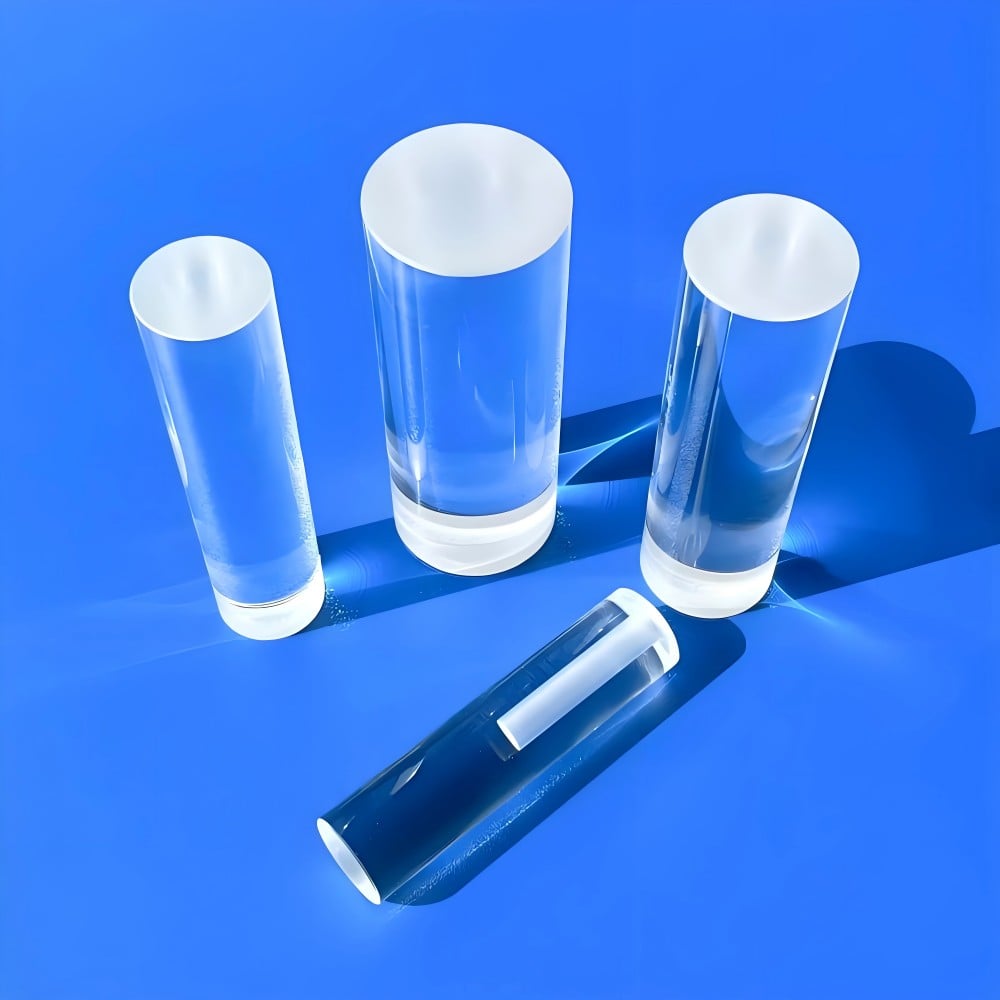
Choosing optical glass means matching measured refractive behavior and light transmission to the demands of the finished component. Neither value works alone: refractive index affects how a lens bends light, while transmission indicates how much light passes through at specified wavelengths. Use both data sets to screen materials against the optical design, operating band, and acceptable losses.

The right optical glass is the grade whose properties support the required image quality and operating conditions, not simply the material with the highest index or transmission figure. Start with the design wavelength and geometry, compare refractive index and dispersion, then examine spectral transmission and the conditions behind each measurement. This sequence makes data useful for an actual purchasing or engineering decision.
Start with the optical design requirements
Define the wavelength and refractive targets
Before comparing optical glass grades, identify the wavelength or wavelength range the component must handle. A refractive-index value is meaningful only when tied to a stated wavelength and measurement condition. The optical glass data sheet should identify its reference wavelength; compare values on the same basis rather than treating figures from different conventions as interchangeable.
Next, confirm the index required by the lens or optical assembly. A higher refractive index can allow a designer to achieve a given bending effect with different curvature or thickness, but it does not automatically improve the system. Select optical glass using the prescription and tolerance needs, and have the optical designer assess any change in index before substituting a grade.
Account for dispersion and tolerances
Refractive index also changes with wavelength. This variation, called dispersion, can shift focus or create color fringing when a system uses multiple wavelengths. When evaluating optical glass, review available dispersion data alongside the index, especially for broadband imaging, color correction, or laser applications where wavelength-specific behavior affects performance.
Check whether the listed figures are nominal values, permitted ranges, or guaranteed limits. Production tolerances matter because small departures can affect focus, alignment, and assembly yield. Specify the optical glass index and dispersion tolerances that the design can accept, and ask how measurements are reported. A carefully matched nominal figure is not sufficient if its allowed variation exceeds the system budget.
Read transmission data in context
Match the spectral range to the application
Transmission data describes how much incident light passes through a sample over a wavelength range. For optical glass selection, check the curve at the wavelengths the device will actually use rather than relying on a single peak or visible-light summary. A material may transmit well in one region and less effectively near the edges of the required band.
Compare the stated internal transmission with external transmission carefully. Surface reflection can reduce measured throughput, while coatings and surface condition can alter the result. Confirm the sample thickness, test method, and whether the reported optical glass data includes surface losses. Matching these details helps prevent a misleading comparison between materials or data sheets.
Consider thickness, coatings, and system losses
Transmission depends on the optical path through the material, so thickness must reflect the component design. A curve measured on a thin sample may not predict the throughput of a thicker finished part without appropriate interpretation. Ask for data relevant to the intended path length, and evaluate optical glass as one contributor to the complete system rather than as an isolated number.
If coatings are planned, distinguish substrate transmission from coated-component performance. Anti-reflective coatings can reduce reflection over selected bands, but their design and operating range should fit the application. For coated optical glass, request details about the intended wavelength range, angle of incidence, and surface configuration. Include coating effects in system calculations instead of assuming the bare-glass figure represents final throughput.
Validate a grade before specifying it
Check data quality and measurement conditions
A reliable comparison needs consistent test conditions. Review the wavelength, temperature, specimen thickness, surface preparation, and measurement method associated with each value. If an optical glass data sheet omits a condition that could influence the result, request clarification before treating the number as a design input. This step is particularly useful when comparing candidate grades from different documentation formats.
Separate measured values from catalog summaries and verify that the figures address the finished component's needs. If transmission is critical, inspect the spectral curve rather than only a broad-range average. If refractive behavior is critical, confirm index reference wavelength and dispersion information. Documenting these checks gives procurement and engineering teams a shared basis for approving optical glass.
Translate the comparison into a specification
Once a candidate fits the optical design, define the required properties in a clear specification. State the reference wavelength for refractive index, acceptable index and dispersion tolerances, relevant transmission band, and any thickness assumptions. For optical glass that will be coated or used in a demanding environment, include those requirements in the review so the selected material remains suitable through finishing and integration.
Avoid specifying a property more tightly than the design requires without confirming feasibility and value. Overly restrictive limits can narrow sourcing options, while vague requirements can leave important performance questions unresolved. Use optical glass data to set limits that reflect the system budget, then confirm the supplier's documentation and inspection approach before release. The final choice should be traceable to measurable requirements.
FAQ
Is a higher refractive index always preferable?
No. A higher index can help meet a particular optical prescription, but it may not suit the full design or wavelength range. Compare optical glass using index, dispersion, transmission, and tolerances together. The best fit is the grade that meets the system's specified needs, not the one with the largest isolated value.
Can transmission figures be compared directly across data sheets?
Only when measurement conditions are comparable. Check wavelength, sample thickness, surface condition, and whether the figure includes reflection or coating effects. If those details differ, ask for clarification or suitable supporting data before using the optical glass transmission values to make a selection.
What information should a purchase specification include?
Include the required wavelength range, refractive-index reference wavelength and tolerance, dispersion needs, and relevant transmission criteria. Also note thickness, coating expectations, and environmental conditions where applicable. A clear optical glass specification connects the measured data to the finished component and gives reviewers a consistent basis for acceptance.