EN
EN

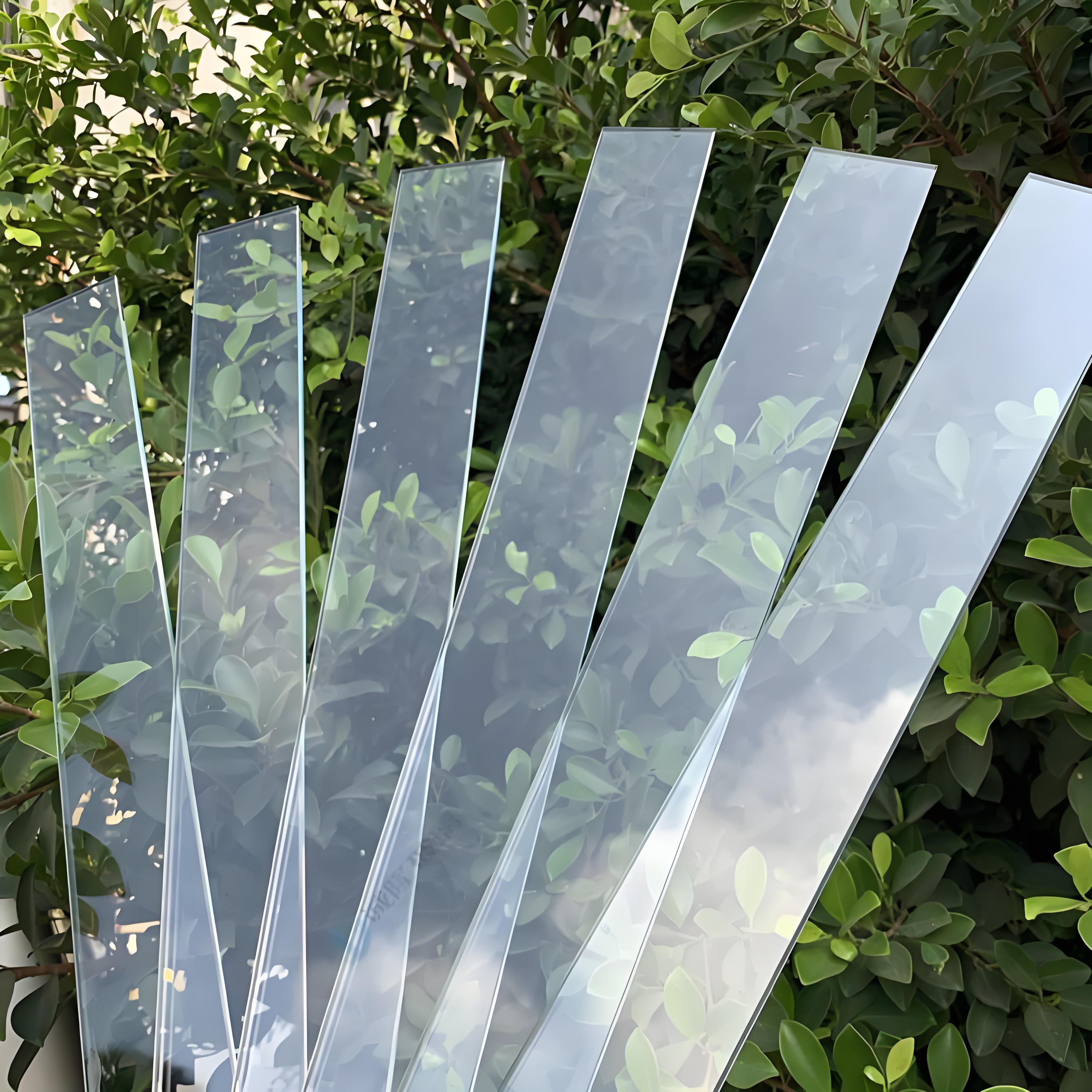
Clear glass surfaces add elegance and transparency to any space, whether in residential windows, commercial facades, or decorative installations. However, maintaining clear glass requires consistent effort and the right approach to preserve its pristine appearance over time. Understanding how to maintain clear glass effectively ensures that your glass surfaces remain sparkling and crystal clear for years to come. This comprehensive guide walks you through the essential practices for proper glass care.
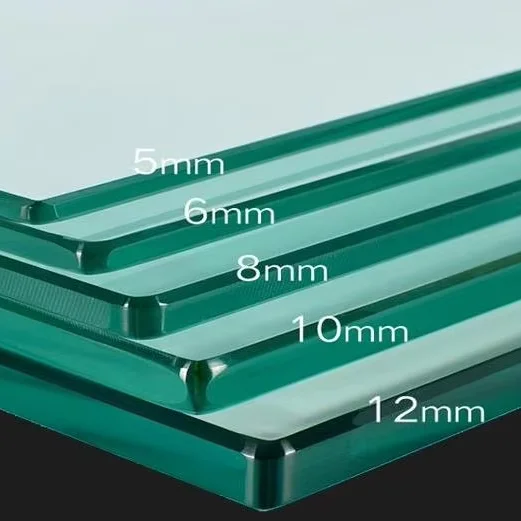
Maintaining clear glass involves more than occasional wiping with a cloth. It requires understanding the factors that degrade glass clarity, selecting appropriate cleaning solutions, establishing regular maintenance schedules, and applying protective techniques. Whether you work with architectural glass, windows, or decorative glass elements, a strategic approach to maintain clear glass prevents contamination buildup, hard water stains, and permanent damage.
Essential Cleaning Methods for Clear Glass Maintenance
Choosing the Right Cleaning Solution
The first step to maintain clear glass successfully is selecting an appropriate cleaning solution. Distilled water combined with a small amount of white vinegar creates an effective, economical cleaner that breaks down mineral deposits and organic residues without leaving streaks. For heavily soiled surfaces, a commercial glass cleaner specifically formulated for architectural glass works well. Always avoid ammonia-based products on tinted or specialty glass coatings, as these can damage protective layers. When you maintain clear glass with the wrong chemical, you risk etching or discoloration that permanently affects transparency.
Proper Washing Technique
To maintain clear glass effectively, use microfiber cloths rather than paper towels or cotton rags. Microfiber absorbs moisture and lifts particles without leaving lint residue, which keeps your glass sparkling. Apply the cleaning solution using a spray bottle or bucket method, then wipe in one direction to avoid streaking. Always work from top to bottom so dirty water flows downward and doesn't re-contaminate cleaned areas. When you maintain clear glass with consistent technique, you achieve uniform clarity across the entire surface, avoiding patchy or hazy spots.
Preventive Strategies to Maintain Clear Glass Durability
Protecting Against Environmental Contaminants
Environmental factors continuously threaten your ability to maintain clear glass in pristine condition. Airborne dust, pollen, salt spray in coastal areas, and industrial pollutants settle on glass surfaces and create haze over time. To maintain clear glass outdoors, apply a hydrophobic or oleophobic coating that repels water and contaminants, reducing the frequency of deep cleaning. These protective coatings also make routine maintenance easier because water beads up and slides off rather than leaving mineral deposits. When you maintain clear glass with protective treatments, you extend the intervals between intensive cleaning sessions.
Hard Water and Mineral Stain Prevention
Hard water contains dissolved minerals like calcium and magnesium that crystallize on glass surfaces, creating stubborn white spots and cloudy patches. To maintain clear glass in hard water regions, use distilled water for final rinses or install water softening systems for facilities with significant glass areas. Immediate drying after wet cleaning prevents mineral deposits from forming in the first place. If mineral stains already exist, a solution of white vinegar applied for several minutes followed by gentle scrubbing helps dissolve the deposits without scratching. Maintaining clear glass proactively against mineral buildup preserves optical clarity far more effectively than reactive stain removal.
Long-Term Care and Seasonal Maintenance
Establishing Regular Cleaning Schedules
Consistent schedules prevent buildup that becomes difficult to remove. To maintain clear glass in commercial or heavily-used settings, establish weekly or bi-weekly cleaning routines. For residential windows, monthly cleaning typically suffices unless environmental conditions warrant more frequent attention. After severe weather events like dust storms or heavy rain, inspect glass surfaces and clean as needed. When you maintain clear glass through regular intervals rather than sporadic deep cleaning, the glass remains consistently clear with less effort. Documentation of your maintenance schedule helps track effectiveness and identifies areas needing additional attention.
Seasonal Deep Cleaning and Inspection
Seasonal changes bring different contaminants and weather conditions that affect glass clarity. To maintain clear glass year-round, perform thorough inspections quarterly and address any damage or coating deterioration immediately. Spring cleaning removes winter accumulation; fall cleaning prepares glass for winter weather exposure. Summer heat can accelerate water spotting, while winter moisture creates frost and condensation challenges. When you maintain clear glass with seasonal protocols, you adapt your approach to environmental variables and catch problems early before they cause permanent degradation. Professional inspection during maintenance checks identifies early signs of seal failure, micro-cracks, or coating breakdown.
FAQ
How often should I maintain clear glass to prevent permanent cloudiness?
To maintain clear glass and prevent permanent cloudiness, establish monthly cleaning schedules for indoor glass and bi-weekly schedules for outdoor surfaces. High-traffic areas or coastal regions may need weekly attention. The key is preventing mineral and contaminant accumulation rather than allowing buildup that becomes etched or permanent. If cloudiness already appears, address it immediately with vinegar solutions or professional restoration before it becomes irreversible damage to maintain clear glass appearance.
What products should I avoid when I maintain clear glass?
Avoid abrasive scrubbers, steel wool, or rough materials that scratch glass surfaces. Never use ammonia-based products on specialty or coated glass types. Bleach, acetone, and strong solvents can damage protective coatings. When you maintain clear glass, stick to mild detergents, white vinegar, commercial glass cleaners rated for your glass type, and soft microfiber cloths. Always test new products on inconspicuous areas first to ensure compatibility before treating visible surfaces.
Can protective coatings help me maintain clear glass more easily?
Yes, hydrophobic and oleophobic protective coatings significantly reduce maintenance effort when you maintain clear glass. These coatings repel water and contaminants, making cleaning faster and less frequent. They also reduce mineral spot formation and protect against environmental damage. When you maintain clear glass with protective treatments applied annually, you enjoy extended periods between intensive cleaning and better long-term optical clarity. Professional application ensures proper coating adherence and maximum effectiveness for your specific glass type.