EN
EN

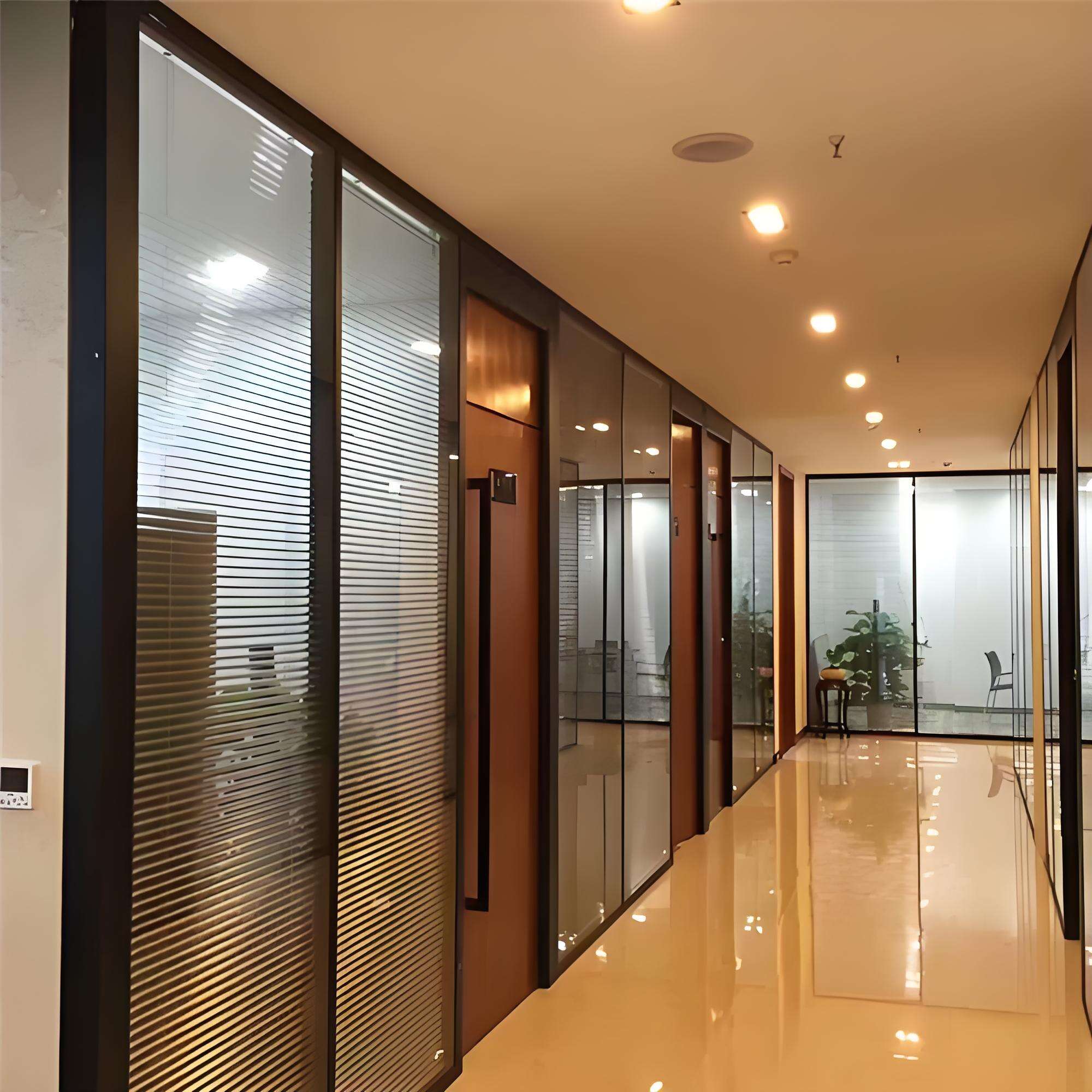
При выборе закаленного стекла для современных установок каминов термостойкость становится ключевым фактором, определяющим как безопасность, так и долговечность эксплуатации. Современные конструкции каминов требуют стеклянных решений, способных выдерживать экстремальные перепады температур при сохранении структурной целостности, поэтому правильный выбор закаленного стекла имеет решающее значение для успешного монтажа. Тепловые свойства различных типов закаленного стекла значительно различаются: специализированные составы обеспечивают превосходную термостойкость по сравнению со стандартными вариантами.
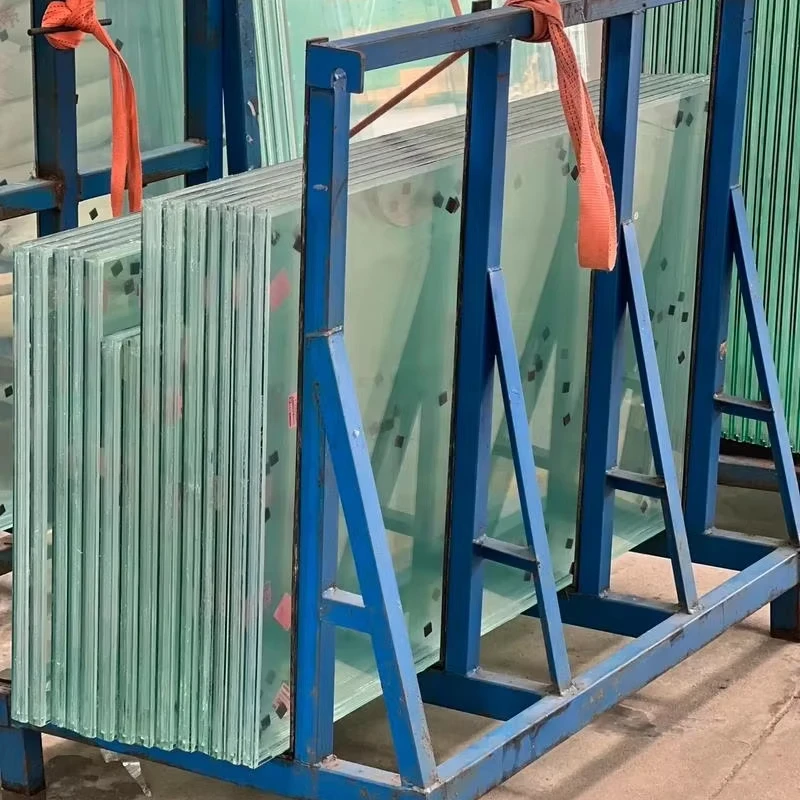
Понимание того, какое закаленное стекло обеспечивает оптимальную термостойкость, требует анализа конкретного химического состава стекла, показателей устойчивости к тепловому удару и специфических требований применения в условиях каминов. Профессиональные монтажники и домовладельцы должны оценить несколько факторов, включая диапазоны допустимых температур, коэффициенты теплового расширения и долговечность в течение длительного срока эксплуатации при многократных циклах нагрева, чтобы принять обоснованное решение при выборе стекла для камина.
Термические свойства высокопрочного закаленного стекла
Характеристики боросиликатного закаленного стекла
Боросиликатное закаленное стекло представляет собой премиальный выбор для применений в каминах, где требуется исключительная термостойкость. В состав этого специализированного закаленного стекла входит оксид бора, который значительно снижает коэффициент теплового расширения по сравнению со стандартными содо-известковыми стеклами. Коэффициент теплового расширения боросиликатного закаленного стекла обычно составляет от 3,0 до 4,0 × 10⁻⁶/°C, что существенно ниже, чем у традиционных вариантов закаленного стекла.
Процесс изготовления боросиликатного закалённого стекла включает контролируемый нагрев и быстрое охлаждение, что создаёт внутренние напряжённые структуры, оптимизированные для устойчивости к термическим ударам. Этот вид закалённого стекла способен выдерживать перепады температур свыше 200 °C без потери структурной целостности, что делает его идеальным для использования в условиях высоких температур в каминах.
Специалисты по монтажу считают боросиликатное закалённое стекло предпочтительным решением для газовых каминов, дровяных печей и электрических каминных вставок, где наблюдаются длительные высокие температуры. Термическая стабильность материала обеспечивает стабильную работу в течение множества циклов нагрева при сохранении оптической прозрачности и структурной прочности, необходимых для безопасной эксплуатации каминов.
Термостойкость керамического стекла
Керамическое стекло представляет собой еще одну категорию закаленного стекла, обладающего исключительной термостойкостью для требовательных применений в каминах. Это специализированное закаленное стекло подвергается процессу кристаллизации, в ходе которого аморфная стеклянная структура превращается в частично кристаллический материал с улучшенными тепловыми свойствами. Керамическое закаленное стекло способно выдерживать непрерывную рабочую температуру до 750 °C, сохраняя при этом структурную целостность и оптические характеристики.
Устойчивость к термическим ударам керамического закалённого стекла превышает аналогичный показатель стандартных боросиликатных составов и позволяет выдерживать перепады температур в 700 °C и более без разрушения. Такие превосходные термические характеристики обусловлены контролируемой кристаллической структурой, обеспечивающей повышенную размерную стабильность при экстремальных температурных условиях. Профессиональные монтажники часто выбирают керамическое закалённое стекло для установки в коммерческих каминах и в мощных бытовых моделях, где требуется максимальная термостойкость.
Производственные процессы изготовления керамического закалённого стекла предусматривают точный контроль температуры на этапе кристаллизации, что позволяет получить материал, сочетающий прозрачность стекла с термическими свойствами керамики. Такое уникальное сочетание делает керамическое закалённое стекло оптимальным выбором для применений, где одновременно необходимы как эстетическая привлекательность, так и исключительная термостойкость — ключевые требования к успешной установке каминов.
Критерии выбора, специфичные для приложения
Требования к газовым каминам
Установка газовых каминов требует использования закалённого стекла, способного выдерживать прямой контакт с пламенем и сохранять стабильные эксплуатационные характеристики в течение длительных периодов работы. Тепловые нагрузки газовых каминов обычно связаны с поддержанием постоянных температур в диапазоне от 400 °C до 600 °C, при этом прямой контакт с пламенем может вызывать локальные температурные всплески, что создаёт серьёзные требования к стандартным стеклянным материалам. Профессиональные технические требования к закалённому стеклу для газовых каминов акцентируют внимание на устойчивости к термическим ударам и долгосрочной стабильности при многократных циклах нагрева.
Современные конструкции газовых каминов включают различные конфигурации горелок, создающие разные паттерны термического напряжения на поверхности защитного стекла. Линейные газовые горелки обеспечивают равномерное распределение тепла, тогда как традиционные комплекты имитации дров создают локализованные «горячие точки», для которых требуется закалённое стекло с повышенной термостойкостью, чтобы предотвратить разрушения, вызванные термическими напряжениями. При выборе стекла необходимо учитывать как средние рабочие температуры, так и пиковые режимы термического воздействия, чтобы гарантировать соответствующие эксплуатационные характеристики закалённого стекла.
Технические требования к монтажу газового камина закаленное стекло обычно предусматривают минимальные значения устойчивости к термоудару и конкретные требования к толщине стекла, которые варьируются в зависимости от номинальной тепловой мощности камина и особенностей его установки. Квалифицированные монтажники обязаны убедиться, что выбранное закалённое стекло соответствует или превосходит технические спецификации производителя по термостойкости, чтобы обеспечить безопасную и надёжную эксплуатацию.
Особенности каминов на дровах
Дровяные камины создают уникальные тепловые нагрузки при выборе закалённого стекла из-за переменной теплоотдачи и неравномерных форм пламени, вызывающих сложное распределение термических напряжений. Особенности горения различных пород древесины приводят к формированию разных температурных профилей: лиственные породы генерируют более высокие стабильные температуры, тогда как хвойные породы вызывают резкие температурные колебания, что служит испытанием для термоударной стойкости. Профессиональные монтажники должны выбирать закалённое стекло, способное выдерживать эти разнообразные тепловые условия.
Тепловая среда в каминах, работающих на древесине, включает воздействие лучистого тепла, конвективный нагрев и возможный прямой контакт с пламенем в фазах активного горения. Пиковые температуры могут превышать 800 °C в зонах прямого контакта с пламенем, тогда как в окружающих областях наблюдается более низкое, но всё же значительное тепловое напряжение. Такая переменная картина нагрева требует использования закалённого стекла с исключительной устойчивостью к термическим градиентам, чтобы предотвратить разрушения, вызванные термическими напряжениями при нормальной эксплуатации.
Критерии отбора закалённого стекла для каминов, работающих на древесине, должны учитывать воздействие золы и твёрдых частиц, которое со временем может снижать тепловые характеристики. Поверхность стекла должна сохранять свои свойства термостойкости даже при возможном травлении или загрязнении поверхности продуктами сгорания. В профессиональных технических спецификациях зачастую требуется закалённое стекло с усовершенствованными поверхностными обработками, обеспечивающими сохранение тепловых характеристик на всём протяжении срока службы установки камина.
Стандарты оценки и испытаний эксплуатационных характеристик
Протоколы испытаний на термоудар
Профессиональная оценка термостойкости закалённого стекла включает стандартизированные протоколы испытаний, моделирующие реальные условия эксплуатации каминов. При испытаниях на термоудар образцы закалённого стекла подвергаются быстрым изменениям температуры с одновременным контролем их структурной целостности и оптических свойств на всём протяжении цикла испытаний. В рамках таких протоколов образцы нагревают до заданных температур, а затем быстро охлаждают для оценки устойчивости к термическим напряжениям и анализа механизмов разрушения.
Промышленные стандарты термических испытаний закалённого стекла включают циклические режимы нагрева, имитирующие многократное использование каминов в течение длительного времени. Образцы подвергаются многократным циклам нагрева и охлаждения при одновременном механическом нагружении, воспроизводящем условия монтажа. В ходе испытаний оценивается как немедленная устойчивость к тепловому удару, так и долгосрочные закономерности деградации, влияющие на срок службы стекла в каминах.
Программы сертификации закалённого стекла для каминов требуют соблюдения конкретных стандартов тепловой производительности, которые различаются в зависимости от типа применения и требований к монтажу. Профессиональные монтажники полагаются на эти знаки соответствия для подтверждения того, что выбранное закалённое стекло отвечает минимальным требованиям по теплостойкости, необходимым для безопасной эксплуатации камина. Результаты испытаний предоставляют ключевые показатели эксплуатационных характеристик, которые служат основой для правильного выбора материала в зависимости от конструкции камина и условий его эксплуатации.
Долгосрочная тепловая стойкость
Долгосрочная термостойкость закаленного стекла в применении для каминов зависит от состава материала, качества изготовления и условий эксплуатации на протяжении всего срока службы. При профессиональной оценке учитываются эффекты термической усталости, которые могут постепенно снижать термостойкость при многократных циклах нагрева, даже если отдельные случаи воздействия остаются в пределах проектных значений. Понимание этих механизмов деградации помогает прогнозировать срок службы и требования к техническому обслуживанию различных типов закаленного стекла.
Ускоренные испытания на старение закалённого стекла для каминов имитируют многолетние циклы термических нагрузок в сжатые временные рамки, чтобы оценить долгосрочные эксплуатационные характеристики. Эти испытания показывают, как различные составы закалённого стекла реагируют на продолжительное термическое воздействие в течение длительных периодов, предоставляя данные, необходимые для правильного выбора материала и планирования замены. Профессиональные монтажники используют эти данные об эксплуатационной стойкости для рекомендации подходящих типов закалённого стекла с учётом ожидаемых режимов эксплуатации и требуемых эксплуатационных характеристик.
Мониторинг эксплуатационных характеристик установленного закалённого стекла обеспечивает подтверждение результатов лабораторных испытаний в реальных условиях и способствует уточнению критериев отбора для будущих установок. Профессиональные программы технического обслуживания зачастую включают оценку тепловой производительности, позволяющую отслеживать состояние стекла во времени и выявлять ранние признаки термической деградации, которые могут потребовать профилактической замены для обеспечения безопасной эксплуатации.
Рассмотрения по установке и обслуживанию
Правильные методы установки
Профессиональная установка закаленного стекла с высоким термическим сопротивлением требует применения специализированных методов, сохраняющих свойства материала и обеспечивающих надёжное крепление с учётом компенсации теплового расширения. В процедурах монтажа необходимо учитывать различия в коэффициентах теплового расширения между закалённым стеклом и окружающими элементами камина, чтобы предотвратить концентрацию напряжений, способную ухудшить тепловые характеристики. Правильный выбор прокладок и точная спецификация крепёжных элементов имеют решающее значение для сохранения свойств термического сопротивления на всём протяжении срока службы установки.
Совместимость рамы представляет собой решающий фактор при установке закалённого стекла, поскольку крепёжные системы должны компенсировать тепловое расширение без возникновения механических напряжений, снижающих устойчивость к термическим ударным нагрузкам. Профессиональные монтажники оценивают материалы рамы, конструкцию компенсационных швов и технические характеристики уплотнителей, чтобы обеспечить термическую совместимость с выбранными типами закалённого стекла. Неправильная установка может значительно снизить эффективное термическое сопротивление даже при использовании высокопроизводительных стеклянных материалов.
Контроль качества при установке закаленного стекла включает проверку соблюдения требуемых зазоров, степени сжатия уплотнителей и моментов затяжки крепежных элементов, влияющих на тепловые характеристики. В документации по монтажу должны быть зафиксированы конкретные типы закаленного стекла, параметры его установки и результаты испытаний для поддержки последующего технического обслуживания и принятия решений о замене. Стандарты профессионального монтажа требуют строгого соблюдения технических спецификаций производителя, что обеспечивает сохранение гарантийных обязательств и оптимальные теплозащитные характеристики.
Требования к техническому обслуживанию для поддержания тепловых характеристик
Поддержание высокого термического сопротивления закалённого стекла для каминов требует регулярного осмотра и чистки в соответствии с установленными протоколами, направленными на сохранение целостности поверхности и термических свойств. Профессиональные программы технического обслуживания включают оценку состояния поверхности стекла, герметичности уплотнительных прокладок и состояния крепёжных элементов — всех этих факторов, влияющих на термические характеристики со временем. Раннее выявление признаков термической деградации позволяет своевременно заменить стекло до возникновения отказа в процессе эксплуатации камина.
Процедуры очистки закалённого стекла с высоким термическим сопротивлением должны исключать методы, способные нарушить целостность поверхности или вызвать концентрацию напряжений, снижающую устойчивость к термическим ударным нагрузкам. Профессиональные протоколы очистки определяют допустимые чистящие средства, способы их нанесения и процедуры обработки поверхности, обеспечивающие сохранение термических характеристик при одновременном поддержании оптической прозрачности. Неправильная очистка может привести к образованию микроскопических повреждений поверхности, что существенно снижает эффективное термическое сопротивление.
Планирование замены закаленного стекла для каминов должно учитывать накопление термической усталости и факторы воздействия окружающей среды, влияющие на долгосрочную эксплуатационную надёжность. Согласно профессиональным стандартам технического обслуживания, рекомендуется периодическая оценка тепловой производительности для выявления тенденций деградации, указывающих на приближение предельного срока службы. Превентивная замена на основе мониторинга тепловой производительности предотвращает неожиданные отказы, которые могут поставить под угрозу безопасность и работоспособность камина.
Часто задаваемые вопросы
В каком температурном диапазоне может эксплуатироваться высокопроизводительное закалённое стекло в применении для каминов?
Высокопрочное боросиликатное закалённое стекло обычно способно выдерживать непрерывную рабочую температуру до 500 °C, а его устойчивость к термическому удару превышает перепад температур в 200 °C. Керамическое закалённое стекло обладает ещё более высокими характеристиками: оно способно выдерживать непрерывную температуру до 750 °C, а его устойчивость к термическому удару составляет 700 °C и выше. Конкретный температурный предел зависит от состава стекла, его толщины и конфигурации монтажа; закалённое стекло профессионального класса для каминов разработано специально для эксплуатации в экстремальных термических условиях, характерных для современных каминных решений.
Как часто следует заменять закалённое стекло для камина, чтобы сохранить оптимальную термостойкость?
Частота замены закаленного стекла для каминов зависит от интенсивности эксплуатации, типа стекла и условий термического воздействия. Высококачественное закалённое боросиликатное стекло обычно обеспечивает срок службы 10–15 лет в жилых помещениях при умеренной эксплуатации, тогда как закалённое керамическое стекло может служить 15–20 лет в аналогичных условиях. Профессиональный осмотр должен проводиться ежегодно для оценки тепловой производительности; замена рекомендуется при выявлении повреждений поверхности, следов напряжения или снижения устойчивости к термоудару в ходе профессиональной оценки.
Можно ли использовать стандартное закалённое стекло в высокотемпературных каминах?
Стандартное закаленное стекло из содо-известкового стекла непригодно для применения в очагах с высокой температурой из-за ограниченной устойчивости к термическим ударам и более высоких характеристик коэффициента теплового расширения. Стандартное закаленное стекло, как правило, разрушается при перепадах температуры свыше 100 °C — значительно ниже уровней термических напряжений, возникающих в условиях эксплуатации очагов. Для профессиональных установок каминов требуются специализированные составы закаленного стекла с повышенной термостойкостью, такие как боросиликатное или керамическое стекло, обеспечивающие безопасную эксплуатацию и предотвращающие разрушение под действием термических напряжений.
Какие факторы влияют на показатели термостойкости закаленного стекла в каминах?
На термостойкость закалённого стекла влияет несколько факторов, включая состав стекла, качество изготовления, методы монтажа и практику технического обслуживания. Химический состав стекла определяет его базовые термические свойства, тогда как технологические процессы производства влияют на внутренние напряжения, которые, в свою очередь, определяют устойчивость к термоудару. Правильный монтаж обеспечивает компенсацию теплового расширения, а регулярное техническое обслуживание сохраняет целостность поверхности, что необходимо для достижения оптимальных термических характеристик. На долгосрочную термостойкость также влияют внешние факторы, такие как частота циклов нагрева и охлаждения, максимальные температуры и воздействие продуктов сгорания.
Содержание
- Термические свойства высокопрочного закаленного стекла
- Критерии выбора, специфичные для приложения
- Стандарты оценки и испытаний эксплуатационных характеристик
- Рассмотрения по установке и обслуживанию
-
Часто задаваемые вопросы
- В каком температурном диапазоне может эксплуатироваться высокопроизводительное закалённое стекло в применении для каминов?
- Как часто следует заменять закалённое стекло для камина, чтобы сохранить оптимальную термостойкость?
- Можно ли использовать стандартное закалённое стекло в высокотемпературных каминах?
- Какие факторы влияют на показатели термостойкости закаленного стекла в каминах?