EN
EN

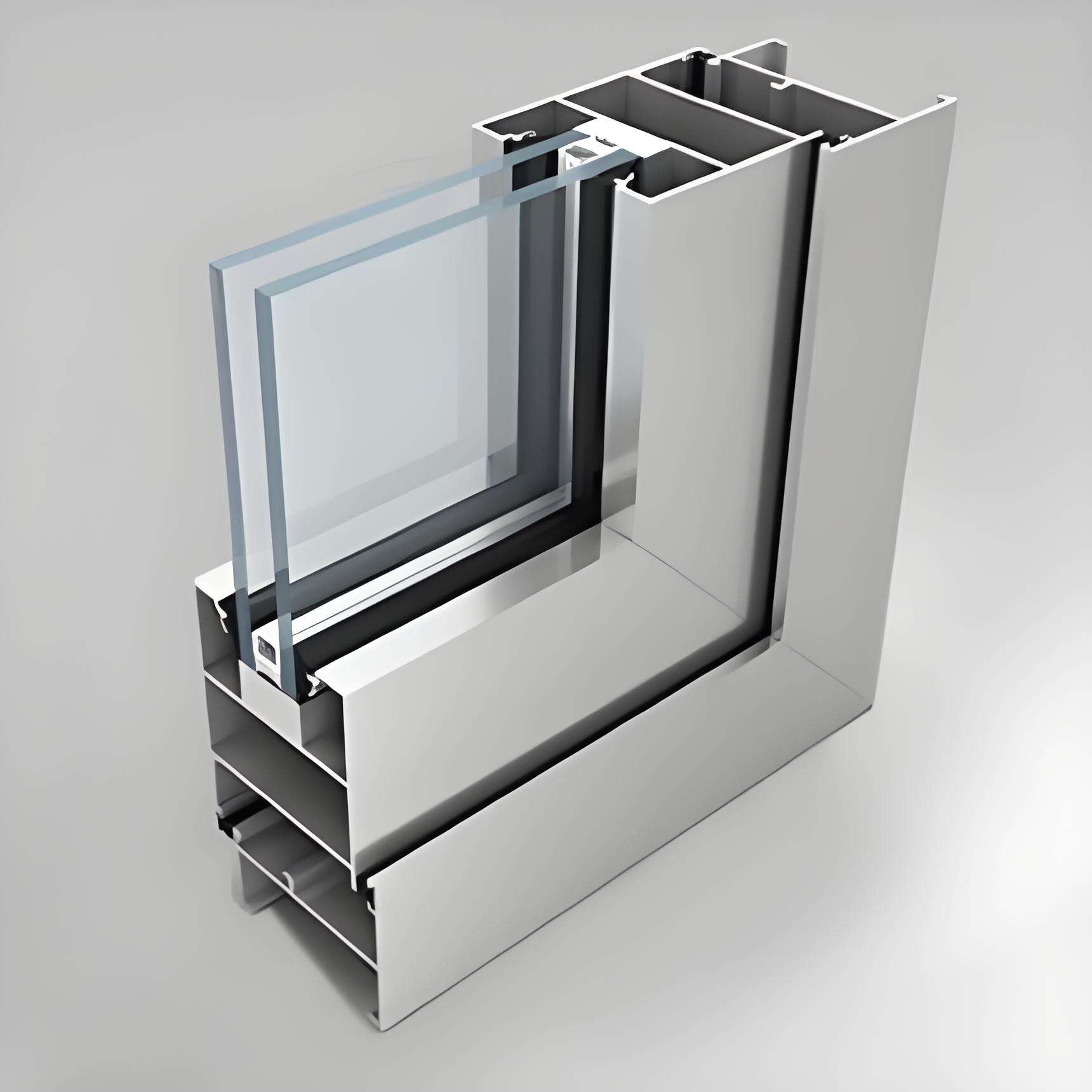
Понимание значительной разницы в прочности между закалённым стеклом и обычным отжиговым стеклом начинается с анализа фундаментальных технологических процессов производства, формирующих эти различные физико-механические свойства материала. Пятикратное увеличение прочности закалённого стекла по сравнению с отжиговым обусловлено контролируемой термообработкой, создающей сжимающие напряжения по всему объёму стекла и принципиально изменяющей его поведение под действием механических нагрузок и теплового расширения.
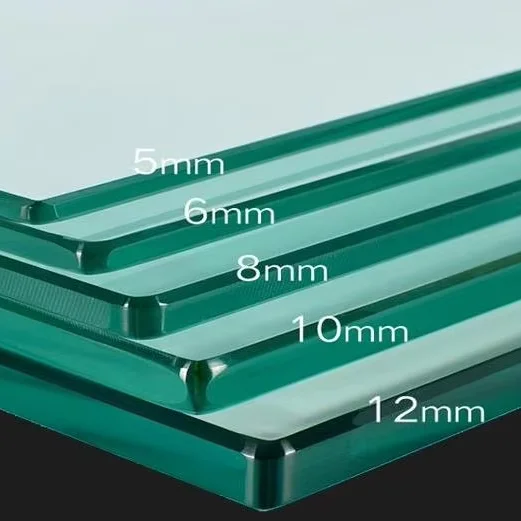
Превращение обычного отжигового стекла в высокопрочное закалённое стекло осуществляется с помощью точного контроля температуры и методов быстрого охлаждения, формирующих внутренние напряжённые состояния, специально спроектированные для повышения конструктивной целостности. Такое инженерно спроектированное распределение напряжений позволяет закалённому стеклу выдерживать значительно большие нагрузки, ударные воздействия и циклы термических колебаний по сравнению с традиционными стеклянными изделиями, что делает его незаменимым в областях применения, требующих повышенных показателей безопасности и эксплуатационных характеристик.
Термический закалочный процесс, обеспечивающий превосходную прочность
Этап контролируемого нагрева при производстве закалённого стекла
Увеличение прочности закалённого стекла начинается на этапе контролируемого нагрева, когда отжиговое стекло равномерно нагревается до температуры около 620–650 °C — близкой к точке размягчения, но не достигающей полной вязкости. Этот точный температурный диапазон обеспечивает достаточную пластичность стекла для модификации внутренних напряжений при одновременном сохранении его структурной целостности на всём протяжении нагрева.
На этом этапе нагрева стекло должно достичь равномерного распределения температуры по всей своей толщине и площади поверхности, чтобы предотвратить возникновение термических градиентов, которые могут привести к образованию слабых мест или оптических искажений. Скорость нагрева тщательно регулируется, чтобы позволить молекулярной структуре стекла постепенно адаптироваться и подготовиться к последующему критически важному этапу быстрого охлаждения.
Промышленные печи для закалки используют передовые системы контроля температуры для обеспечения равномерного распределения тепла; наличие нескольких зон нагрева позволяет точно регулировать термический профиль. Этот контролируемый этап нагрева обычно занимает несколько минут в зависимости от толщины стекла: более толстые участки требуют более длительного времени нагрева для достижения однородной температуры по всему объёму материала.
Быстрое охлаждение и введение напряжений
Этап быстрого охлаждения, называемый закалкой, представляет собой критический шаг, на котором закалённое стекло приобретает свои исключительные прочностные характеристики. Струи воздуха высокой скорости одновременно обдувают нагретые поверхности стекла с обеих сторон, обеспечивая контролируемую скорость охлаждения, значительно превышающую скорость естественного воздушного охлаждения отожжённого стекла.
Это быстрое охлаждение поверхности создаёт температурный градиент между поверхностями стекла и его внутренней частью: наружные слои затвердевают, в то время как сердцевина остаётся при повышенной температуре. По мере дальнейшего охлаждения и сжатия внутренней сердцевины в поверхностных слоях возникают постоянные сжимающие напряжения, а в центральной области толщины стекла — растягивающие напряжения.
Процесс закалки должен быть точно выдержан по времени и строго контролироваться: недостаточная скорость охлаждения не обеспечит необходимого уровня напряжений, тогда как чрезмерная скорость может привести к немедленному разрушению. Современное оборудование для закалки использует сложные системы регулирования давления и расхода воздуха для достижения оптимальных профилей охлаждения при различных толщинах и составах стекла.
Распределение внутренних напряжений
Механизмы сжимающих напряжений на поверхности
Выдающаяся прочность закаленное стекло результаты уровней сжимающего напряжения, как правило, в диапазоне от 69 до 120 мегапаскалей в поверхностных слоях, что создаёт защитный барьер, который необходимо преодолеть перед тем, как произойдёт разрушение на растяжение. Это сжимающее напряжение эффективно закрывает микроскопические поверхностные дефекты и предотвращает зарождение трещин при нормальных условиях нагружения.
Глубина зоны сжатия составляет примерно 20–25 % от толщины стекла от каждой поверхности, обеспечивая значительную устойчивость к изгибающим усилиям и ударным нагрузкам. Распределение сжимающих напряжений на поверхности не является равномерным, а следует параболическому закону: максимальные значения наблюдаются непосредственно на поверхности и уменьшаются по мере приближения к нейтральной оси сечения стекла.
Эти уровни сжатия значительно превышают типичные рабочие напряжения, возникающие в большинстве применений, обеспечивая значительные запасы прочности для конструкционного и защитного остекления. Сжатие на поверхности эффективно увеличивает кажущуюся прочность стекла на растяжение, препятствуя распространению трещин от поверхностных дефектов, которые обычно вызывают разрушение отожжённого стекла.
Баланс центрального растягивающего напряжения и конструкционная целостность
Центральная область закалённого стекла содержит уравновешивающее растягивающее напряжение, которое поддерживает общее равновесие в сечении стекла. Это растягивающее напряжение в центральной области обычно составляет 24–52 мегапаскаля, обеспечивая необходимый противовес поверхностному сжатию при одновременном сохранении уровня напряжения ниже критического значения, при котором возможно спонтанное разрушение.
Переходная зона между сжатием и растяжением возникает приблизительно на глубине 40 % от толщины стекла, создавая плавный градиент напряжений, который обеспечивает структурную непрерывность по всему материалу. Такая картина распределения напряжений гарантирует эффективное распределение внешних нагрузок по всему сечению стекла, а не их концентрацию в местах поверхностных неоднородностей.
Уровни растягивающих напряжений в сердцевине тщательно контролируются в процессе производства, чтобы предотвратить чрезмерные напряжения, которые могут привести к спонтанному разрушению, одновременно обеспечивая достаточный уровень сжимающих напряжений в поверхностных слоях. Баланс между сжимающими напряжениями на поверхности и растягивающими напряжениями в сердцевине определяет как повышение прочности, так и характерную картину разрушения закалённого стекла.
Преимущества механической производительности
Повышение прочности при изгибе
Предел прочности закаленного стекла при изгибе обычно составляет 120–200 мегапаскалей по сравнению с 40–60 мегапаскалями для отожжённого стекла, что соответствует трёх- до пятикратному повышению сопротивления изгибу. Такое улучшение позволяет закалённому стеклу перекрывать более крупные проёмы при меньшей толщине, сохраняя при этом достаточные конструктивные характеристики и запасы безопасности.
Повышение предела прочности при изгибе напрямую обусловлено сжимающими напряжениями на поверхности, которые препятствуют возникновению растягивающих напряжений на нагруженной стороне при изгибе. Внешние нагрузки должны сначала преодолеть существующие сжимающие напряжения, прежде чем создать растягивающие условия, способные спровоцировать распространение трещин, что эффективно увеличивает кажущуюся прочность материала на растяжение.
Стандарты испытаний на изгиб закалённого стекла обычно требуют минимальных значений прочности на изгиб 120 мегапаскалей для архитектурных применений; при этом многие коммерческие изделия обеспечивают значительно более высокие эксплуатационные характеристики. Повышенная прочность на изгиб позволяет снизить толщину стекла во многих областях применения, сохраняя при этом эквивалентную или даже повышенную несущую способность.
Стойкость к ударным воздействиям и поглощение энергии
Ударная стойкость закалённого стекла превышает показатели отожжённого стекла в 4–5 раз; стандартизированные испытания маятниковым ударом демонстрируют его превосходные характеристики поглощения энергии до наступления разрушения. Распределение сжимающих напряжений на поверхности позволяет закалённому стеклу поглощать энергию удара за счёт упругой деформации, а не немедленного возникновения трещин.
Испытания на воздействие человека показывают, что закалённое стекло способно выдерживать удары телом при скоростях, при которых обычное отжиговое стекло немедленно пробивается и вызывает травмы. Повышенная ударная прочность делает закалённое стекло обязательным для многих применений в области безопасного остекления, включая двери, боковые световые проёмы и окна на уровне пола в коммерческих зданиях.
Испытания сбрасыванием шаров и другие стандартизированные методы испытаний на удар демонстрируют, что закалённое стекло сохраняет свою структурную целостность при ударных нагрузках, значительно превышающих типичные эксплуатационные условия. Данная характеристика обеспечивает критически важные преимущества в плане безопасности в тех областях применения, где возможен контакт с человеком или воздействие обломков.
Тепловые характеристики и устойчивость к механическим напряжениям
Сопротивляемость тепловым ударам
Закаленное стекло обладает исключительной устойчивостью к термическим ударным нагрузкам и обычно выдерживает перепады температур в диапазоне 200–250 °C по сравнению с 40–60 °C для отожженного стекла. Такое повышенное тепловое сопротивление обусловлено предварительно созданным напряженным состоянием, которое компенсирует тепловое расширение и сжатие без возникновения критических уровней напряжений.
Сжимающие напряжения на поверхности закаленного стекла обеспечивают его устойчивость к возникновению термических напряжений при быстром нагреве или охлаждении. Температурные градиенты, которые вызвали бы растягивающие напряжения, достаточные для растрескивания отожженного стекла, компенсируются в рамках существующего напряженного состояния закаленного стекла без приближения к условиям разрушения.
Применения, подвергающиеся значительным термическим циклам, например, архитектурное остекление с поглощением солнечного тепла или промышленные процессы с колебаниями температуры, существенно выигрывают от стойкости закалённого стекла к термическому удару. Данная эксплуатационная характеристика увеличивает срок службы и снижает требования к техническому обслуживанию в условиях высоких тепловых нагрузок.
Преимущества равномерного распределения тепла
Состояние снятых напряжений, достигаемое при закалке, устраняет остаточные напряжения, которые могут вызвать термическую деформацию или разрушение отожжённого стекла при неравномерном нагреве. Закалённое стекло сохраняет размерную стабильность и оптическое качество при тепловых нагрузках, вызывающих серьёзные проблемы у стандартных стеклянных изделий.
Применения, связанные с поглощением солнечного тепла, демонстрируют превосходные тепловые характеристики закалённого стекла, при этом риск термического разрушения снижается даже при высоких солнечных нагрузках в сочетании с частичным затенением. Способность выдерживать градиенты термических напряжений делает закалённое стекло пригодным для применения там, где отожжённое стекло потребовало бы дополнительной тепловой изоляции или специализированных систем крепления.
Промышленные остекления выигрывают от термостойкости закалённого стекла в условиях инфракрасного нагрева, работы технологического оборудования или других источников тепла. Повышенные тепловые характеристики позволяют располагать стекло ближе к источникам тепла и снижают необходимость в тепловых барьерах или специализированных системах остекления.
Часто задаваемые вопросы
Как скорость охлаждения при закалке влияет на конечную прочность закалённого стекла?
Скорость охлаждения при закалке напрямую определяет величину сжимающего напряжения на поверхности, возникающего в закалённом стекле: чем выше скорость охлаждения, тем выше уровень сжимающих напряжений и, соответственно, тем больше повышение прочности. Оптимальные скорости охлаждения обычно составляют от 200 до 300 °C в минуту для стекла стандартной толщины; для обеспечения стабильных прочностных характеристик во всех производственных партиях требуется точный контроль этого параметра.
Можно ли резать или модифицировать закалённое стекло после процесса закалки?
Закалённое стекло нельзя резать, сверлить или обрабатывать по кромке после закалки, поскольку любое нарушение слоя поверхностного сжатия приведёт к мгновенному полному разрушению стекла из-за баланса внутренних растягивающих напряжений. Все операции по подгонке размеров, финишной обработке кромок и сверлению отверстий должны быть выполнены на отожжённом стекле до начала процесса закалки, что требует тщательного планирования и точного изготовления изделий в окончательных габаритах.
Что вызывает характерную картину разрушения при выходе из строя закалённого стекла?
Характерный мелкоячеистый характер разрушения закалённого стекла обусловлен быстрым высвобождением запасённой внутренней энергии напряжений при нарушении поверхностного сжимающего слоя, что приводит к одновременному разрушению всего листа на множество мелких осколков. Растягивающие напряжения в сердцевине выступают движущей силой такого полного дробления, а распределение напряжений определяет размер и форму образующихся фрагментов.
Как толщина стекла влияет на повышение прочности, достигаемое за счёт закалки?
Более толстые стеклянные секции, как правило, обеспечивают более высокие абсолютные значения прочности при закалке, поскольку большая тепловая масса позволяет эффективнее формировать напряжения в процессе охлаждения; однако относительный коэффициент повышения прочности может быть несколько ниже по сравнению с более тонкими секциями. Толщина стекла также влияет на требования к профилю охлаждения: для более толстых секций требуются более продолжительные циклы нагрева и скорректированные параметры обдува для достижения оптимальных результатов закалки.
Содержание
- Термический закалочный процесс, обеспечивающий превосходную прочность
- Распределение внутренних напряжений
- Преимущества механической производительности
- Тепловые характеристики и устойчивость к механическим напряжениям
-
Часто задаваемые вопросы
- Как скорость охлаждения при закалке влияет на конечную прочность закалённого стекла?
- Можно ли резать или модифицировать закалённое стекло после процесса закалки?
- Что вызывает характерную картину разрушения при выходе из строя закалённого стекла?
- Как толщина стекла влияет на повышение прочности, достигаемое за счёт закалки?