EN
EN

The architectural landscape is experiencing a profound transformation with the integration of advanced materials that respond to environmental conditions and user preferences. Among these innovations, smart glass stands out as a revolutionary technology that seamlessly combines functionality with aesthetic appeal. This intelligent glazing solution offers architects and designers unprecedented control over transparency, privacy, and energy efficiency in building design. Modern construction projects increasingly incorporate these adaptive materials to create more sustainable and responsive built environments that enhance occupant comfort while reducing operational costs.
Understanding Smart Glass Technology
Core Principles and Mechanisms
Smart glass technology operates through sophisticated mechanisms that allow the material to change its optical properties in response to external stimuli such as electrical current, heat, or light. The most common types include electrochromic glass, which darkens when voltage is applied, and thermochromic glass, which responds to temperature changes. These materials contain specially designed particles or films that alter their molecular structure to control light transmission and opacity levels.
The fundamental science behind this technology relies on ion insertion and extraction processes that modify the material's light-absorbing characteristics. When activated, microscopic particles within the glass realign to block or allow light passage, creating dynamic transparency control without compromising structural integrity. This process is reversible and can be repeated thousands of times without degradation, making it a reliable long-term architectural solution.
Types and Variations
Multiple categories of smart glass serve different architectural applications and performance requirements. Suspended particle device glass contains microscopic particles that align when electrical current is applied, transitioning from opaque to transparent states. Liquid crystal privacy glass uses polymer-dispersed liquid crystals that scatter light in their relaxed state and become transparent when electrically activated.
Photochromic variants respond automatically to ultraviolet light exposure, darkening in bright conditions and clearing in low-light environments. Each type offers distinct advantages for specific architectural contexts, from conference rooms requiring instant privacy to building facades managing solar heat gain throughout the day.
Architectural Applications and Design Integration
Commercial Building Implementation
Modern commercial architecture increasingly leverages smart glass for creating flexible workspace environments that adapt to changing needs throughout the day. Office buildings incorporate these systems in conference rooms, executive offices, and collaborative spaces where privacy control enhances productivity and confidentiality. The technology enables seamless transitions between open collaboration and private discussions without physical barriers or window treatments.
Large-scale installations in corporate headquarters demonstrate the material's capacity to manage natural lighting while maintaining visual connections between interior spaces. Architects specify these solutions for curtain wall systems that automatically respond to solar conditions, reducing glare and heat gain while preserving outdoor views that contribute to occupant wellbeing and satisfaction.
Residential Design Innovation
High-end residential projects showcase smart glass applications in bathrooms, bedrooms, and entertainment spaces where privacy and ambiance control are paramount. Homeowners appreciate the ability to instantly transform transparent walls into private enclosures without compromising natural light or architectural openness. These installations eliminate the need for traditional window treatments while providing superior light management capabilities.
Kitchen and living room applications demonstrate how smart glass can define spaces within open floor plans, creating visual separation when desired while maintaining spatial continuity. The technology's integration with home automation systems enables programmable privacy settings that align with daily routines and lifestyle preferences.
Energy Efficiency and Sustainability Benefits
Thermal Performance Optimization
Smart glass technology significantly contributes to building energy efficiency through dynamic solar heat gain control that adapts to changing environmental conditions. During peak solar exposure periods, the glass automatically or manually darkens to reduce cooling loads and maintain comfortable interior temperatures. This responsive behavior eliminates the need for external shading devices or heavy reliance on mechanical cooling systems.
Winter performance benefits include maintaining transparency to maximize passive solar heating while preventing heat loss through advanced insulating properties. The dual-pane configurations available with smart glass systems provide enhanced thermal resistance compared to conventional glazing, contributing to overall building envelope performance and energy code compliance.
Lighting and Visual Comfort
Advanced glare control capabilities help architects design spaces that maintain consistent visual comfort throughout varying daylight conditions. Occupants experience reduced eye strain and improved productivity in environments where lighting levels are automatically managed through responsive glazing systems. This technology reduces reliance on artificial lighting during daylight hours, further contributing to energy conservation goals.
The ability to fine-tune light transmission levels enables precise control over interior illumination quality and distribution. Designers can specify different tint levels and activation schedules to optimize visual conditions for specific activities, from detailed computer work requiring reduced screen glare to presentation spaces benefiting from controlled ambient lighting.
Installation Considerations and Technical Requirements
Electrical Infrastructure and Control Systems
Proper installation of smart glass systems requires careful planning of electrical infrastructure to support switching mechanisms and control interfaces. Low-voltage wiring must be integrated into building design from early planning stages to ensure seamless operation without visible conduits or connection points that compromise aesthetic appeal. Power requirements vary by glass type and size, with most systems operating on standard building electrical supplies.
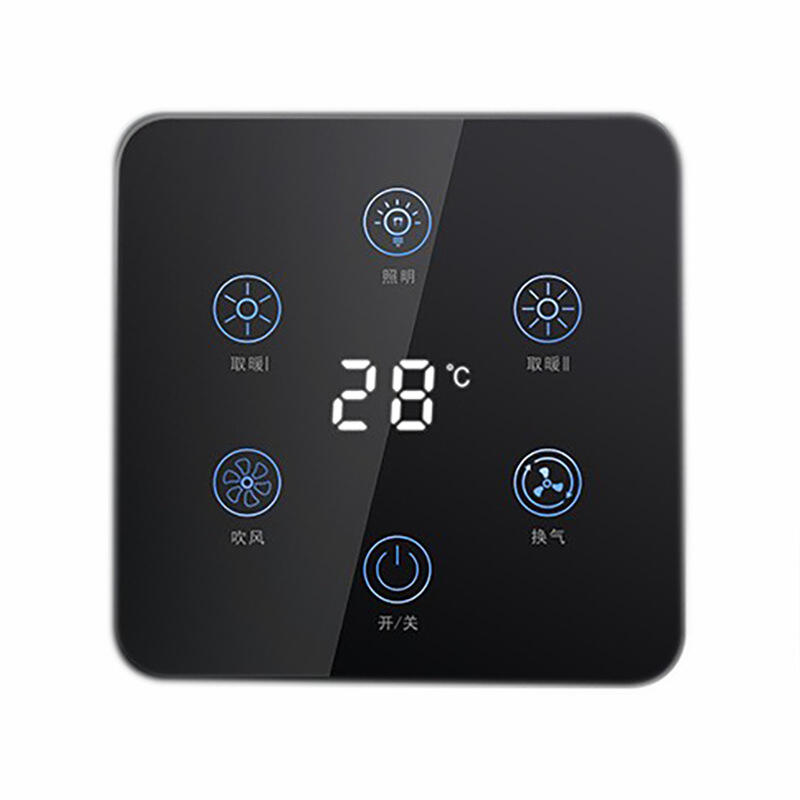
Control system integration options range from simple wall switches to sophisticated building management systems that coordinate glass operation with lighting, HVAC, and security systems. Wireless control capabilities enable remote operation through mobile applications, allowing building managers and occupants to adjust transparency settings from anywhere within the facility.
Structural and Framing Considerations
Smart glass panels typically require specialized framing systems that accommodate electrical connections while maintaining weatherproof seals and structural integrity. Frame designs must provide adequate support for the increased weight of multi-layered glass assemblies while allowing for thermal expansion and contraction. Glazing contractors experienced with electronic glazing systems ensure proper installation techniques that protect sensitive components during construction.
Structural load calculations must account for the additional weight and wind load characteristics of smart glass assemblies compared to conventional glazing. Building codes and safety standards apply equally to these advanced materials, requiring compliance with impact resistance, fire safety, and emergency egress requirements specific to the building type and occupancy classification.
Market Trends and Future Developments
Cost Evolution and Market Adoption
The smart glass market continues expanding as manufacturing scale increases and production costs decline, making the technology more accessible for diverse architectural applications. Initial premium pricing barriers are gradually decreasing as more manufacturers enter the market and production processes become more efficient. Project specifications increasingly include these systems as standard features rather than luxury upgrades.
Market analysis indicates growing adoption in healthcare, education, and hospitality sectors where privacy control and energy efficiency directly impact operational effectiveness and user satisfaction. Government incentives for energy-efficient building technologies further accelerate market penetration as building owners recognize long-term operational savings that offset initial investment costs.
Technology Advancement and Innovation
Research and development efforts focus on improving switching speed, color options, and durability characteristics that expand architectural design possibilities. Emerging technologies promise enhanced performance through nanotechnology applications and improved manufacturing processes that reduce environmental impact while increasing product lifespan.
Integration with Internet of Things platforms enables predictive operation based on weather forecasts, occupancy patterns, and energy usage optimization algorithms. Future developments may include self-cleaning surfaces, integrated photovoltaic capabilities, and advanced tinting options that provide greater design flexibility while maintaining superior performance characteristics.
FAQ
How long does smart glass typically last in architectural applications?
Smart glass systems are designed for long-term architectural use with typical lifespans ranging from 20 to 30 years when properly installed and maintained. The electronic components generally carry warranties of 10 to 15 years, while the glass substrate maintains its structural integrity for the building's lifetime. Regular maintenance involves cleaning and periodic electrical system inspections to ensure optimal performance throughout the service life.
What maintenance requirements are associated with smart glass installations?
Maintenance requirements for smart glass are minimal and primarily involve routine cleaning with standard glass cleaning solutions and periodic inspection of electrical connections. Control system software may require occasional updates to maintain compatibility with building automation systems. Professional servicing is recommended annually to verify proper operation and address any performance issues before they affect system reliability.
Can smart glass be retrofitted into existing buildings?
Retrofitting smart glass into existing buildings is possible but requires careful evaluation of structural capacity, electrical infrastructure, and framing compatibility. Successful retrofits typically involve replacing entire window assemblies rather than just the glass panels to ensure proper integration of electrical systems and weatherproofing. Professional assessment determines feasibility based on existing conditions and desired performance outcomes.
How does smart glass performance compare in different climate conditions?
Smart glass performs effectively across various climate conditions, with specific formulations optimized for extreme temperatures and humidity levels. Cold climate installations benefit from improved thermal insulation properties, while hot climate applications excel at solar heat gain reduction. Manufacturing specifications include temperature ranges and environmental testing data to guide appropriate selection for specific geographic locations and environmental exposure conditions.